Water Heater Health Checker
Assessment Result
Select symptoms and click Analyze to see your risk score.
There is nothing worse than stepping into a shower on a cold morning in Auckland, expecting warmth, and being greeted by ice-cold water. It’s a shock that jolts you awake instantly. But before you panic or call for emergency water heater repair, take a moment to look at your unit. Often, the system gives you plenty of warning signs before it completely fails. Ignoring these signals can lead to costly replacements, water damage, or even safety hazards.
Most homeowners wait until the hot water runs out entirely before they pay attention to their tank. By then, the internal components are often beyond simple repair. If you catch the symptoms early, you might extend the life of your unit by several years or avoid a major flood. Let’s look at the specific indicators that your hot water heater is nearing the end of its lifespan.
1. Fluctuating Water Temperature
If your showers feel unpredictable-starting hot and turning lukewarm after two minutes, or vice versa-it’s usually the first sign of trouble. This inconsistency often points to a failing thermostat or sediment buildup inside the tank. In older units, the thermostat may lose its ability to maintain a steady reading, causing the heating element to cycle on and off erratically.
Sediment, particularly common in areas with hard water like parts of New Zealand, settles at the bottom of the tank. Over time, this layer of minerals insulates the water from the heat source. You might turn the dial up, but the water doesn’t get hotter because the heat is trapped under the sludge. If you notice temperature swings that don’t match your settings, check the thermostat calibration or consider flushing the tank.
2. Strange Noises from the Tank
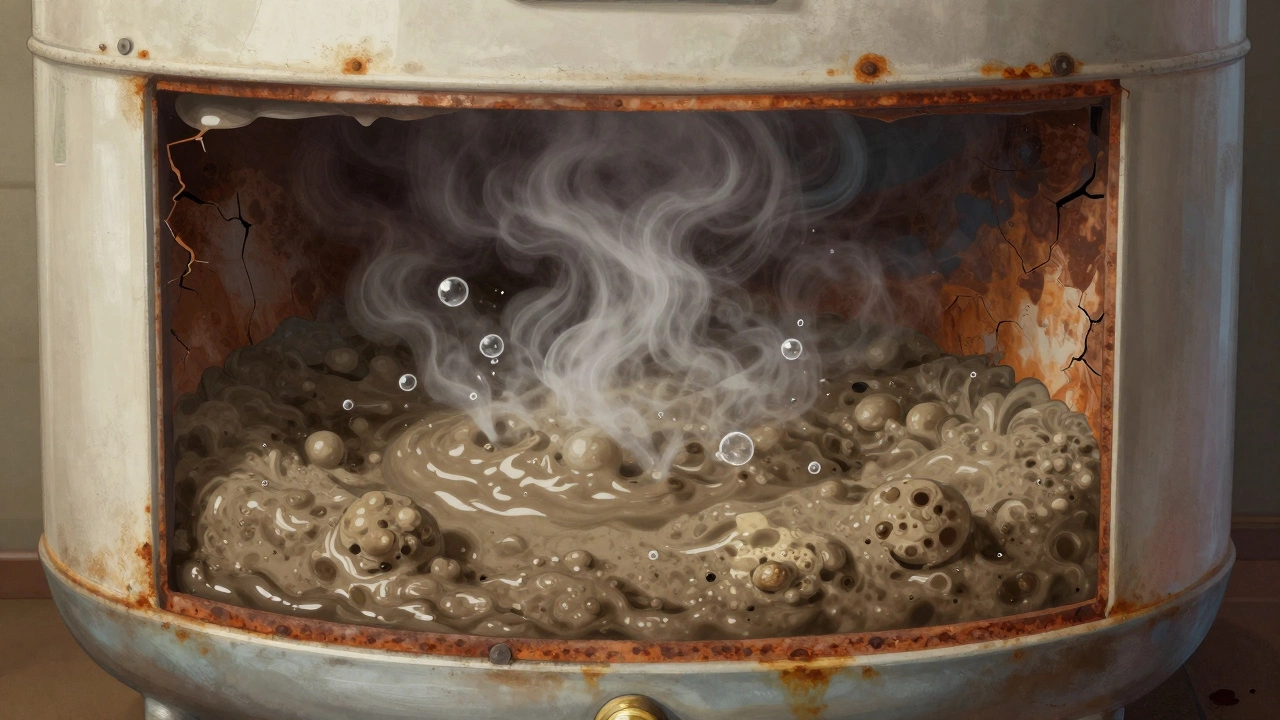
A quiet water heater is a happy water heater. If you start hearing popping, rumbling, or cracking sounds coming from the unit, pay attention. These noises are caused by steam bubbles forming under layers of sediment and then bursting as they rise through the mineral deposits. Think of it like boiling a pot of pasta with too much starch; the bubbles get trapped and create loud pops.
This phenomenon indicates significant sediment accumulation. While a professional flush can sometimes resolve this, persistent rumbling suggests the sediment layer is thick enough to reduce efficiency drastically. The heating elements have to work harder to push heat through the debris, leading to higher energy bills and premature wear on the heating elements. If the noise becomes constant, the tank lining may already be compromised.
3. Rusty or Discolored Water
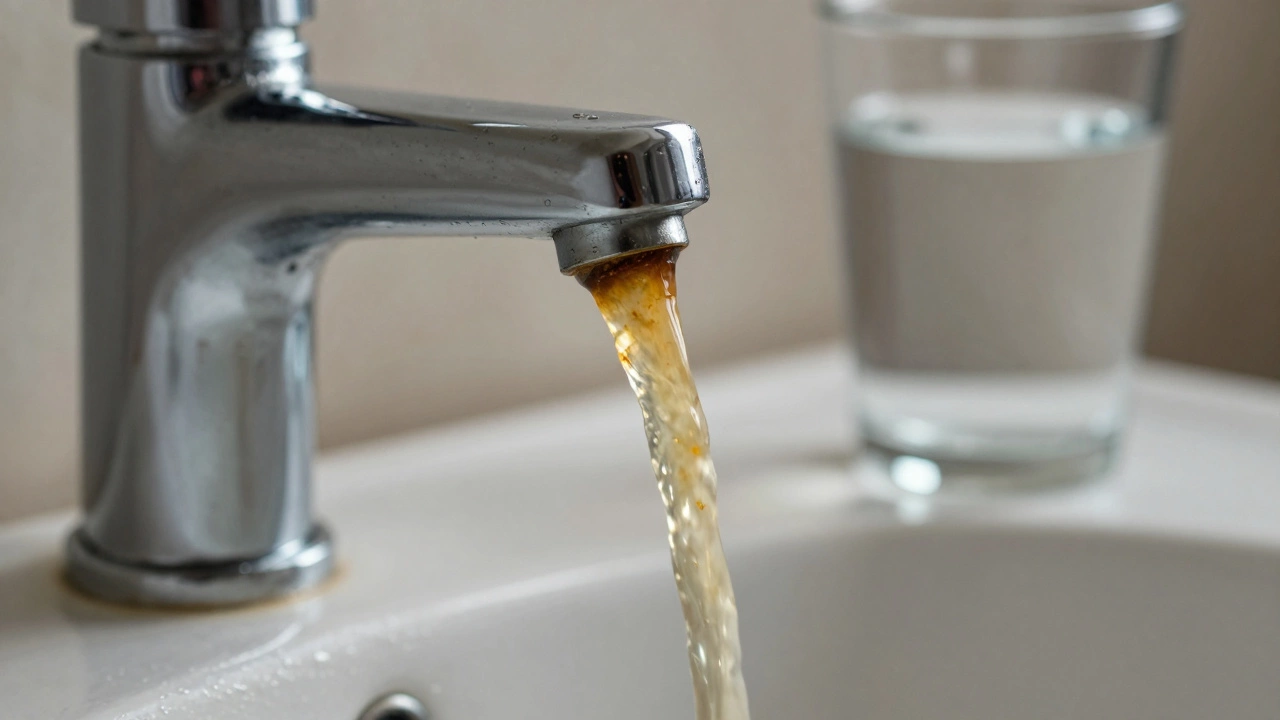
Turn on your hot water tap. Does the water come out clear? Or does it have a brownish, reddish tint? If only the hot water is discolored while the cold water remains clear, your water heater is the culprit. This discoloration usually means the interior glass or enamel lining of the tank is breaking down, exposing the steel shell to water. Once that protection fails, rust sets in quickly.
Rust isn’t just ugly; it’s a structural threat. As the steel corrodes, weak spots form in the tank walls. These spots can eventually burst, leading to catastrophic leaks. If you see rust in the water, do not ignore it. It’s rarely reversible. In most cases, this is a strong indicator that the tank needs replacement rather than repair. Check the drain valve too-if the water draining out looks muddy or rusty, the internal corrosion is advanced.
4. Visible Leaks Around the Base
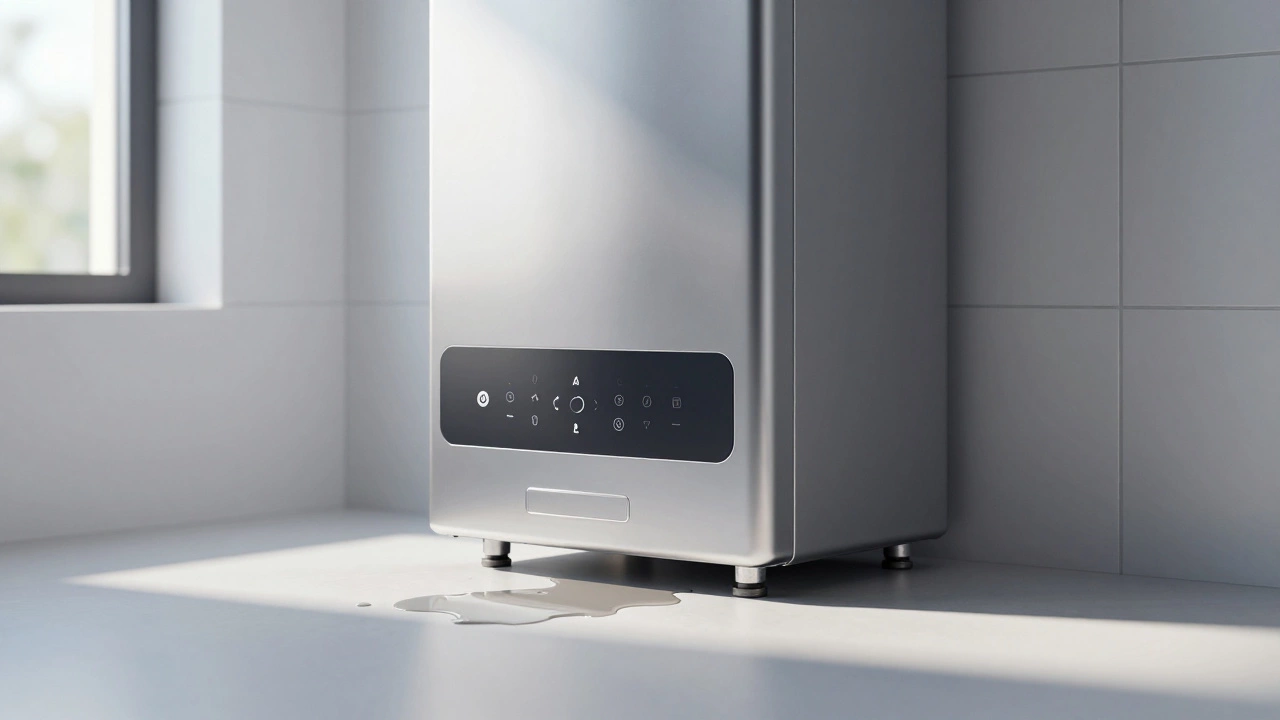
Water pooling around the base of your water heater is never normal. Small drips might seem harmless, but they often signal a larger issue developing inside. First, check the connections. Loose pipes or faulty valves at the inlet or outlet can cause minor leaks that are easy to fix with a wrench or new gasket. However, if the water is seeping from the tank itself, especially near the top or middle, the integrity of the vessel is gone.
In Auckland, where humidity can exacerbate condensation issues, distinguish between external moisture and actual leakage. Dry the area thoroughly and monitor it. If water reappears without any external pipe involvement, the tank has likely developed an internal crack or pinhole leak. Steel tanks cannot be welded or patched effectively once they reach this stage. Continuing to use a leaking tank risks flooding your home and damaging flooring or subfloor structures.
5. Age of the Unit
How old is your water heater? Most standard storage tank units have a lifespan of 8 to 12 years. High-quality models might stretch to 15 years, but performance degrades significantly over time. If your unit is over a decade old and showing any of the previous symptoms, it’s probably time to plan for a replacement. Manufacturers design these systems with finite lifespans based on material fatigue and component wear.
Keep an eye on the manufacture date tag, usually located on the upper shoulder of the tank. In New Zealand, many homes still operate on units installed during renovation booms from the early 2010s. Those units are now hitting their expiration dates. Even if it hasn’t failed yet, an aging unit consumes more energy and poses a higher risk of sudden failure. Proactive replacement saves you from the inconvenience of a broken-down unit during winter.
6. Reduced Hot Water Supply
Do you find yourself running out of hot water faster than usual? A full tank should provide enough hot water for multiple showers or loads of laundry. If the supply dwindles rapidly, the sediment buildup is taking up volume inside the tank. Instead of holding 150 liters of usable water, you might only have 100 liters available because the rest of the space is occupied by calcium and mineral deposits.
This reduction in capacity forces you to wait longer for the tank to reheat, disrupting your daily routine. It also puts extra strain on the recovery rate of the heater. The heating elements must cycle more frequently to compensate for the reduced water volume and increased thermal resistance from the sediment. If you’ve noticed a drop in hot water availability without changing your household habits, schedule a maintenance check immediately.
7. Moisture or Condensation on the Tank
While some condensation is normal in humid environments, excessive wetness on the exterior of the tank can indicate insulation failure or internal pressure issues. If the tank feels damp to the touch consistently, check the temperature and pressure relief (T&P) valve. This safety device releases excess pressure to prevent explosions. If it’s constantly dripping, the pressure inside the tank is too high, which stresses the seams and welds.
High pressure can be caused by a faulty expansion tank or a closed-loop plumbing system without proper accommodation for thermal expansion. In New Zealand, building codes require proper pressure management, but older installations might lack these safeguards. Persistent moisture combined with age increases the likelihood of a sudden rupture. Don’t overlook this subtle sign; it’s a critical safety indicator.
When to Call a Professional
You don’t need to be a plumber to identify these signs, but diagnosing the root cause often requires expertise. If you notice multiple symptoms-like noise plus leaks or rust plus temperature fluctuation-the situation is urgent. Attempting DIY repairs on a pressurized, heated vessel carries risks of burns or electrical shock, especially with electric units.
A licensed technician can perform a comprehensive inspection, including checking the anode rod. The anode rod sacrifices itself to protect the tank from corrosion. If it’s fully depleted, the tank starts rusting immediately. Replacing the anode rod is a relatively inexpensive maintenance task that can add years to your unit’s life. However, if the tank itself is rusted, no amount of maintenance will save it.
| Sign | Possible Cause | Action Required |
|---|---|---|
| Fluctuating Temp | Faulty Thermostat / Sediment | Calibrate or Flush Tank |
| Rumbling Noises | Heavy Sediment Buildup | Professional Flush |
| Rusty Water | Corroded Tank Lining | Replace Unit |
| Leaks at Base | Internal Crack / Valve Failure | Inspect Valves / Replace Tank |
| Low Hot Water | Sediment Volume Loss | Flush and Reset Dip Tube |
Preventive Maintenance Tips
To avoid unexpected failures, incorporate simple maintenance habits. Flush your tank annually to remove sediment. Test the T&P valve once a year to ensure it operates correctly. Inspect the anode rod every three to five years. These steps are low-cost but highly effective in extending the lifespan of your water heater. In hard water areas, consider installing a water softener to reduce mineral accumulation.
Regular care not only keeps your hot water flowing but also improves energy efficiency. A clean tank heats water faster and uses less electricity or gas. By staying proactive, you transform a potential emergency into a manageable maintenance schedule. Don’t wait for the cold shower to tell you something is wrong.
How long does a typical hot water heater last?
Most standard storage tank water heaters last between 8 and 12 years. Factors like water quality, maintenance frequency, and usage patterns can shorten or extend this lifespan. High-end models may reach 15 years, but performance often declines after the decade mark.
Can I fix a leaking water heater myself?
Minor leaks from pipe connections or valves can sometimes be tightened or repaired with new gaskets. However, leaks originating from the tank body itself indicate internal corrosion and require professional assessment. Attempting to patch a steel tank is unsafe and ineffective.
Why is my hot water rusty but cold water is clear?
This discrepancy points directly to the water heater. The interior lining of the tank is likely deteriorating, allowing the steel shell to rust. Since the cold water bypasses the tank, it remains unaffected. This is a serious sign of impending tank failure.
What causes popping noises in a water heater?
Popping sounds are caused by sediment buildup at the bottom of the tank. As water heats, steam bubbles form under the mineral layer and burst when they escape. This indicates significant sediment accumulation that reduces efficiency and strains heating elements.
Is it worth repairing an old water heater?
If the unit is under 10 years old and the issue is minor (like a faulty thermostat), repair is often cost-effective. However, if the tank is rusted, leaking internally, or over 12 years old, replacement is usually more economical and safer in the long run.