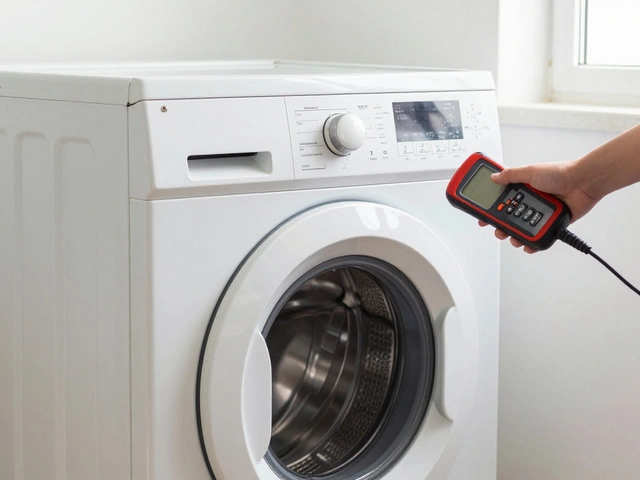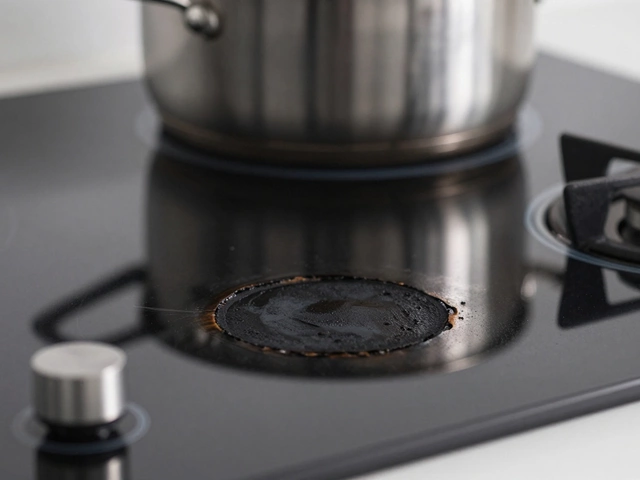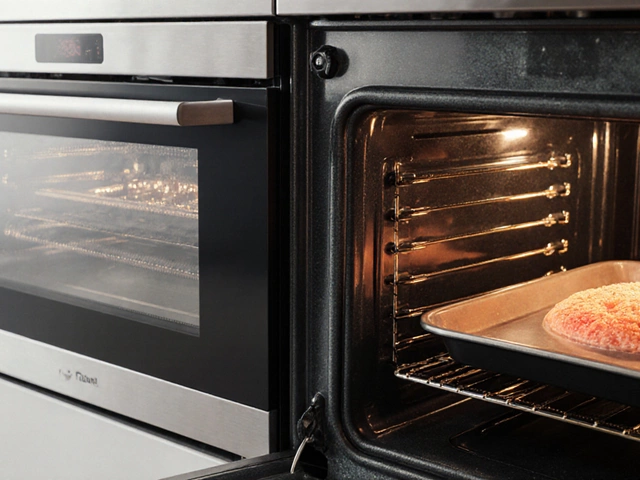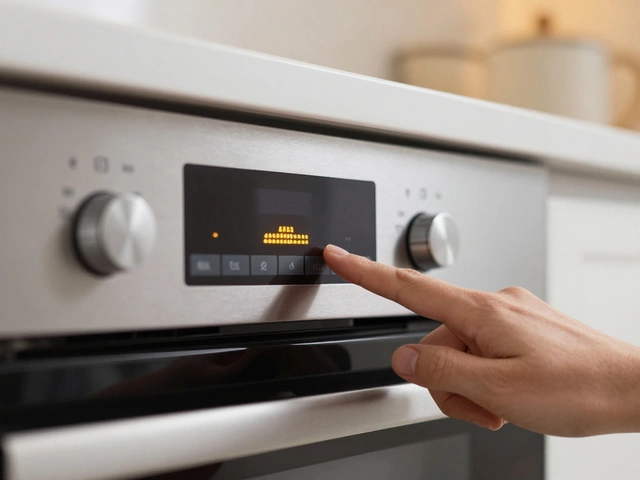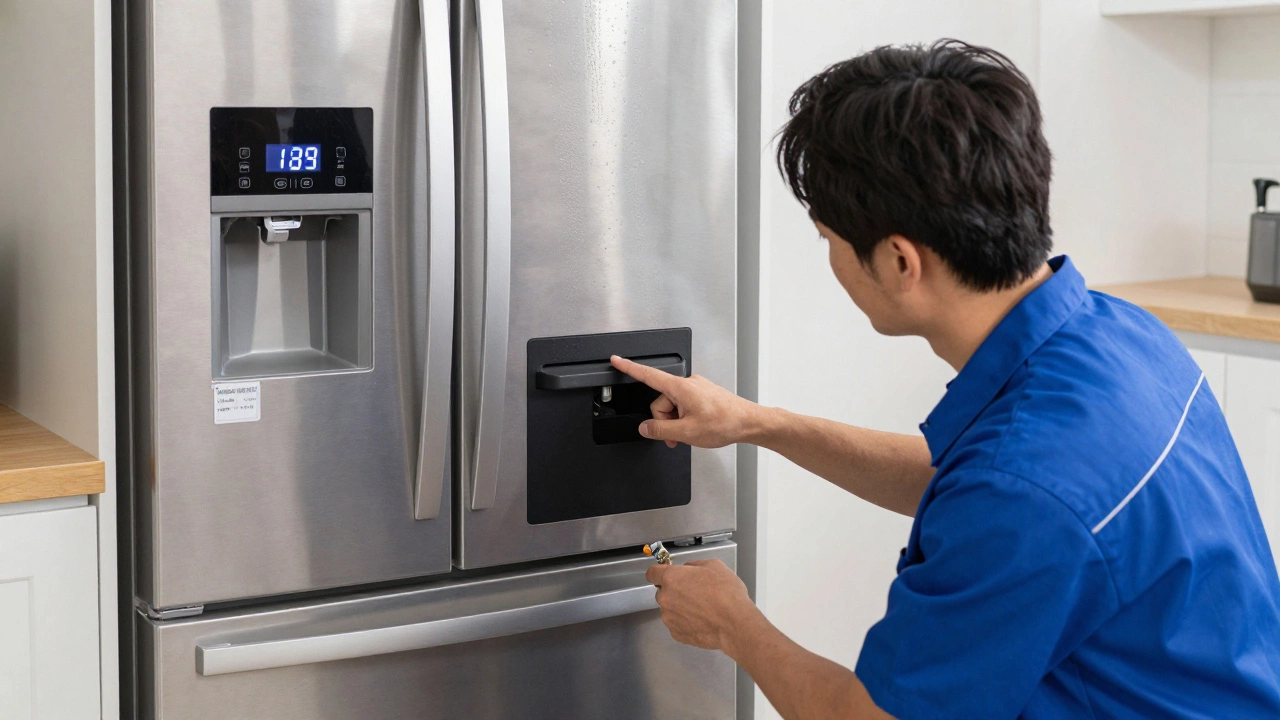
When someone asks, "How do you describe an appliance?" they’re not just looking for a dictionary definition. They want to know how to recognize one, talk about it clearly, or explain it to a repair technician. Whether you’re calling for help, writing a listing, or just trying to understand what’s broken in your kitchen, knowing how to describe an appliance makes all the difference.
What Exactly Is an Appliance?
An appliance is a device designed to perform a specific household task-usually electrical, and almost always meant to make daily life easier. It’s not a tool you pick up occasionally, like a hammer. It’s something you rely on every day. Think of it as a silent worker in your home: it turns on automatically, runs quietly, and stops when you don’t need it anymore.
Appliances fall into two broad groups: major and small. Major appliances, also called white goods, are large, built-in, or freestanding units that handle essential functions-like refrigerating food, washing clothes, or heating water. Small appliances are portable, plug-in devices that handle more specific tasks-like toasting bread, brewing coffee, or blending smoothies.
The key difference? Major appliances are usually hardwired or plugged into a dedicated circuit. Small ones plug into standard outlets. Both need power, but only the big ones often require professional installation or repair.
How to Describe an Appliance Clearly
If you’re trying to explain a problem to a technician-or even just to a friend-vague descriptions like "it’s broken" or "it’s not working" won’t help. You need details. Here’s how to structure your description:
- Name the appliance-"It’s my GE refrigerator," not "the fridge."
- State its function-"It keeps food cold and makes ice."
- Describe its condition-"The freezer compartment is thawing out," or "It’s making a loud grinding noise when the compressor kicks on."
- Include symptoms-"It won’t turn on at all," "It’s leaking water under the door," or "The display is flashing E3."
- Give context-"This started after a power surge last week," or "It’s been acting up since I moved it two months ago."
For example: "It’s a 2021 Samsung 22-cubic-foot French door refrigerator. The cooling system seems fine, but the ice maker stopped producing ice two weeks ago. The water dispenser still works, and there’s no error code on the panel. I cleaned the filter last month, and it’s plugged into a standard outlet."
That level of detail cuts down guesswork. Technicians hear "my fridge isn’t cold" hundreds of times a year. But when you give them model, symptoms, timing, and history? You’ve just saved yourself a diagnostic fee and a week of waiting.
Common Appliance Types and Their Key Features
Not all appliances are the same. Knowing the standard features of each helps you describe them accurately-and spot when something’s wrong.
| Appliance Type | Primary Function | Typical Features | Common Failure Points |
|---|---|---|---|
| Refrigerator | Cools and preserves food | Temperature controls, ice maker, water dispenser, door seals, condenser coils | Compressor failure, thermostat malfunction, leaky door gasket |
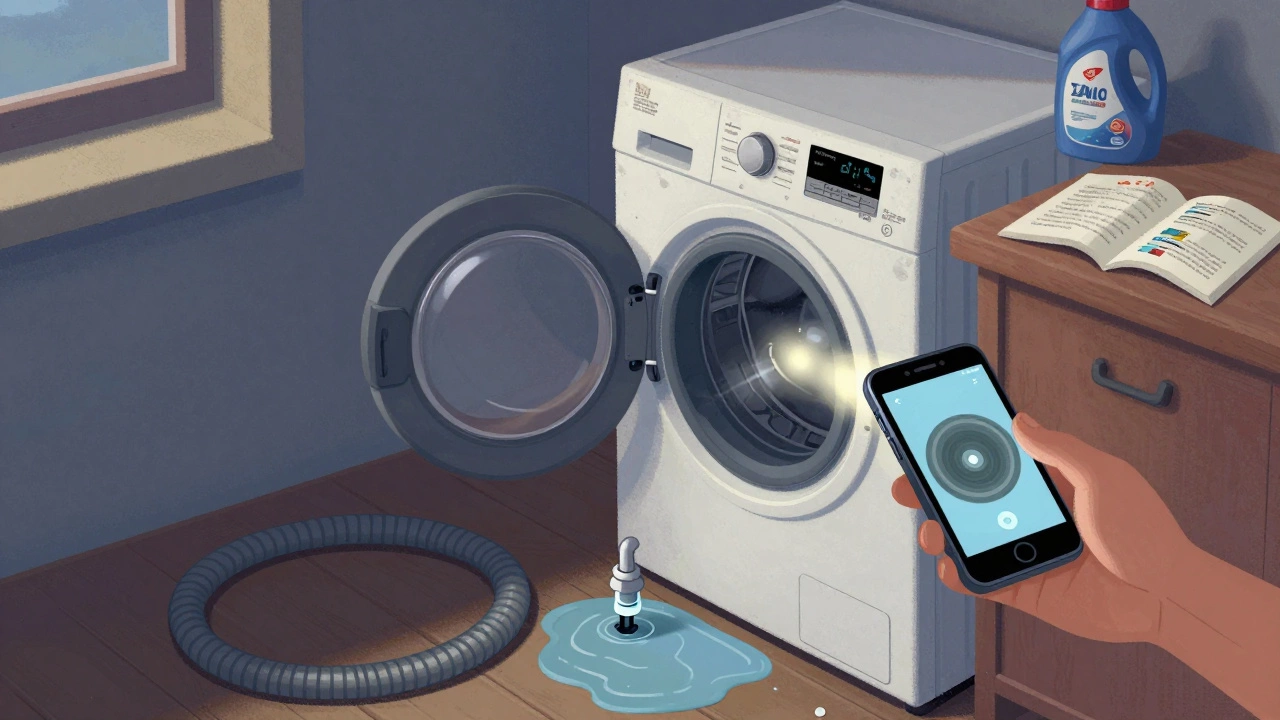
| Washing Machine | Cleans clothes with water and detergent | Spin cycle, water inlet valves, drain pump, agitator or impeller, control panel | Leaking hoses, clogged drain pump, unbalanced load sensor error |
| Dishwasher | Cleans dishes automatically | Heating element, spray arms, detergent dispenser, float switch, drain pump | Food debris blocking spray arms, faulty heating element, door latch failure |
| Water Heater | Provides hot water for showers and sinks | Thermostat, heating elements (electric), gas burner (gas), anode rod, pressure relief valve | Corroded tank, sediment buildup, faulty thermostat, pilot light outage |
| Oven | Bakes, roasts, and broils food | Broil and bake elements, temperature sensor, control board, door seal, fan (convection) | Element burnout, sensor calibration error, faulty igniter (gas) |
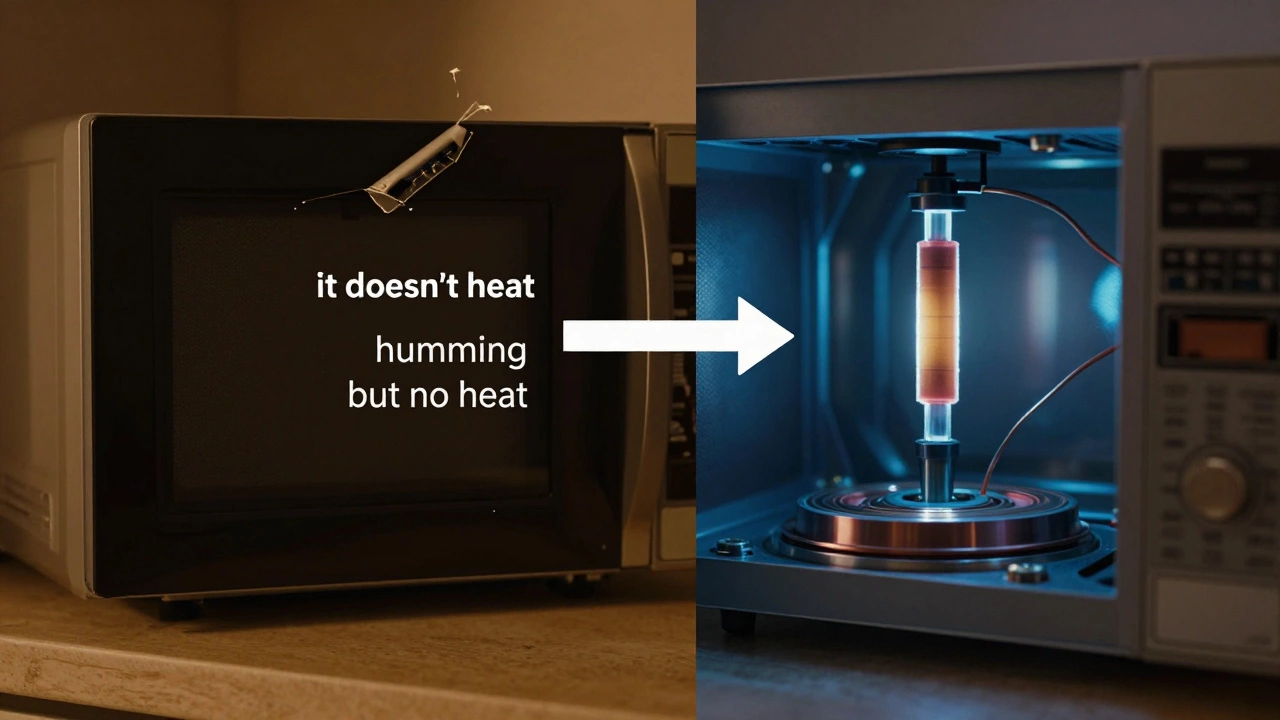
| Microwave | Heats food quickly using electromagnetic waves | Magnetron, turntable motor, high-voltage diode, door interlock switches | Door not sealing, no heat but light works, humming without heating |
When you describe your appliance, mention these features. If the ice maker isn’t working, say so. If the dishwasher leaves dishes dirty, point out whether the spray arms spin. These aren’t just details-they’re diagnostic clues.
Why Describing an Appliance Matters for Repairs
Most appliance repairs fail not because the part is wrong, but because the problem wasn’t understood correctly. A technician shows up expecting a faulty thermostat, but the real issue is a clogged water inlet valve. That’s a $200 trip for nothing.
According to a 2024 survey by the Appliance Service Association, 68% of service calls could have been resolved faster if the customer had described the appliance accurately. That’s not just inconvenient-it’s expensive. The average diagnostic fee is $85. If you’ve been called out twice because your description was too vague? That’s $170 down the drain.
Think about it: if you described your car as "it doesn’t go," a mechanic would ask: "Does it crank? Any smoke? Does the fuel gauge move?" Appliances deserve the same level of detail.
Even better: write it down. Keep a note on your phone: "Samsung RF28R7351SG fridge-ice maker stopped 3/1/2026. Water dispenser works. No error codes. Humming noise from back."
Some phrases sound helpful but actually hurt the repair process. These phrases aren’t lies-they’re incomplete. And in appliance repair, incomplete information is worse than no information. Whether you’re selling a used washer or filing a claim after water damage, the same rules apply. Use the model number. Include the year. Mention any repairs or upgrades. Add photos if possible. For insurance: "2020 LG WM3400CW washing machine, 1000W power draw, 4.5 cu. ft. capacity, purchased April 2020, last serviced March 2024. Water damage occurred due to drain hose rupture on 2/28/2026."
For a listing: "Whirlpool Duet Washer (WFW9150SW01), 2021 model, 4.8 cu. ft., front-load, only 18 months old, never had issues, regular maintenance. Comes with original manual and warranty card."
Clarity here isn’t just polite-it’s necessary. A buyer or adjuster needs to know exactly what they’re dealing with. You don’t need to be a technician to describe an appliance well. But you can use a few simple tools: These aren’t fancy gadgets. They’re just ways to capture what you see and hear before it disappears. Once the technician leaves, you’ll forget the details. Don’t rely on memory. Appliance problems are rarely dramatic. There’s no sudden explosion. No flashing red lights screaming "DANGER!" Most failures are slow. A fridge gets a little warmer. A dishwasher takes longer to dry. A washing machine vibrates more. So when you describe it, don’t say "It’s dying." Say "The temperature in the fridge has been rising over the last week-it’s now at 48°F."
Don’t say "It’s broken." Say "The control panel lights up, but the drum doesn’t spin when I press start."
Accuracy beats emotion. Precision beats panic. And when you describe an appliance clearly, you’re not just helping a technician-you’re saving time, money, and frustration.What Not to Say When Describing an Appliance
How to Describe an Appliance for Online Listings or Insurance Claims
Tools That Help You Describe Appliances Better
Final Tip: Be Specific, Not Dramatic