Oven Control Board Repair Estimator
Your Situation
Total Estimate
Based on current estimates.
Replacement Context
If repair exceeds $800, or your oven is over 10 years old, replacing the entire unit is often more financially sound than upgrading electronics.
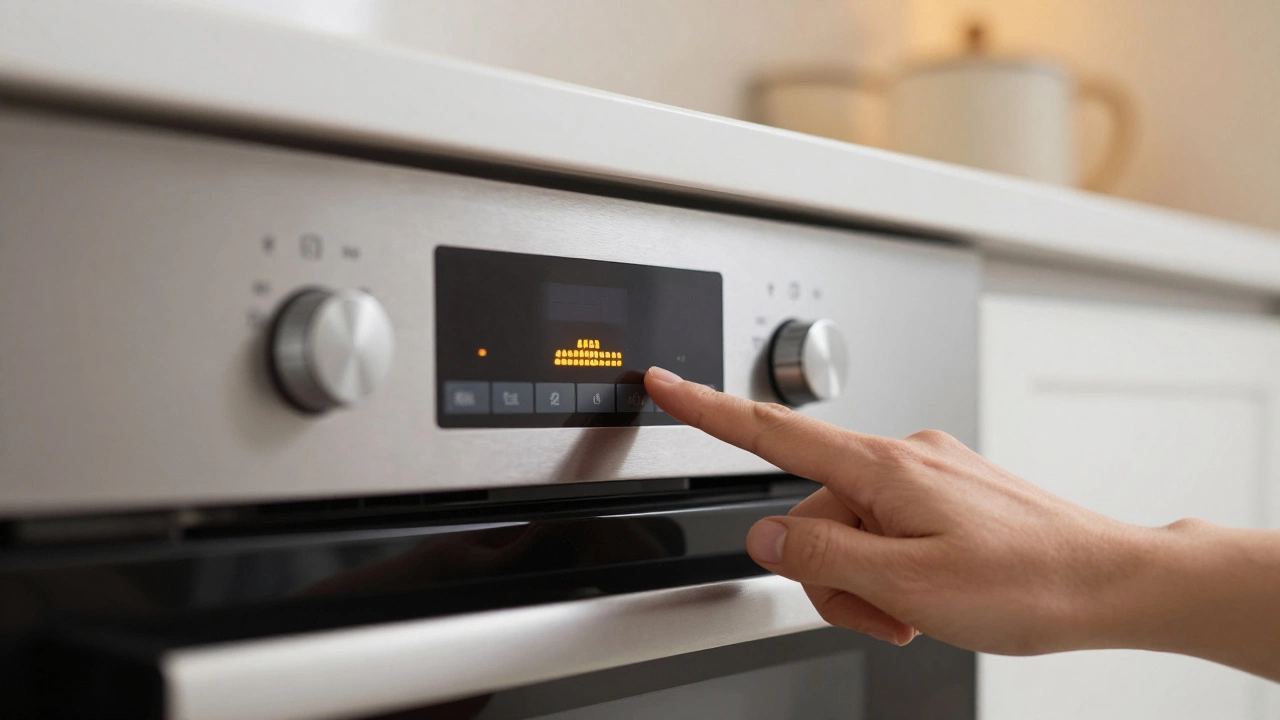
Your oven stops responding to touch commands. The temperature is off. The display flashes error codes. You suspect the oven control board is dead, but the cost to fix it isn't always a single number. Depending on your appliance's age, brand, and how much you know about electrical work, the bill can swing dramatically. Some homeowners pay under $100 doing it themselves, while others drop $800+ calling in an expert. The gap between these figures matters for your wallet.
This guide cuts through the guesswork. We break down exactly what drives the price, when a repair makes financial sense, and how to spot the traps that inflate the final invoice. Knowing these variables helps you negotiate better with service companies.
Parts Cost: Where the Money Goes
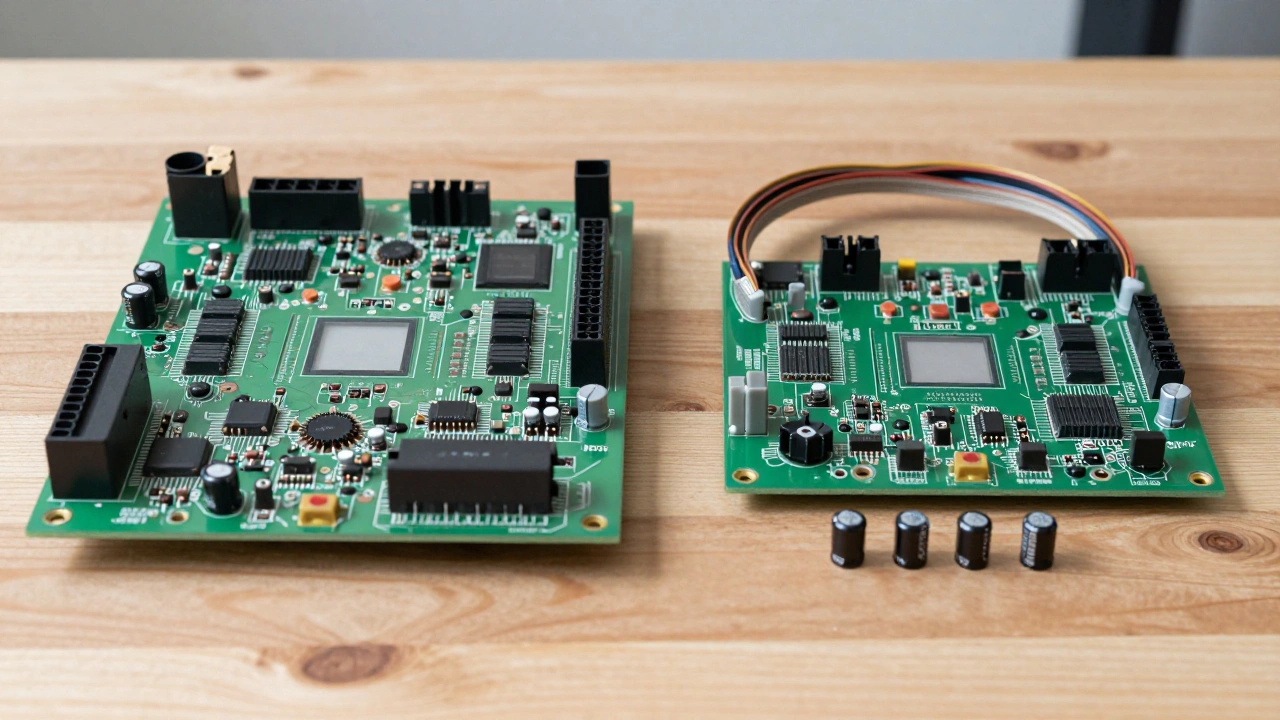
The hardware itself is usually the smaller part of the expense. A genuine replacement board typically costs between $150 and $400. Prices spike for high-end European brands like Miele or Smeg because their electronics are proprietary and harder to source. For standard mass-market models-think Samsung, LG, or GE-you might find universal replacements or cheaper OEM stock online.
You might wonder why the same model has two different prices. That comes down to supply chains. If the manufacturer discontinued that board line, prices skyrocket due to scarcity. Scammers love selling "compatible" parts that look right but fail within weeks. Always verify the part number matches the sticker inside your oven door frame. If you order the wrong unit, shipping returns eat up your savings instantly.
| Oven Category | Part Price Range | Labor Hours Est. |
|---|---|---|
| Standard Electric Range | $150 - $250 | 1.5 - 2 hrs |
| Built-in Wall Oven | $300 - $500 | 2 - 3 hrs |
| Premium/European Brand | $400 - $800+ | 2 - 4 hrs |
| Cooktop Only Units | $100 - $200 | 1 hr |
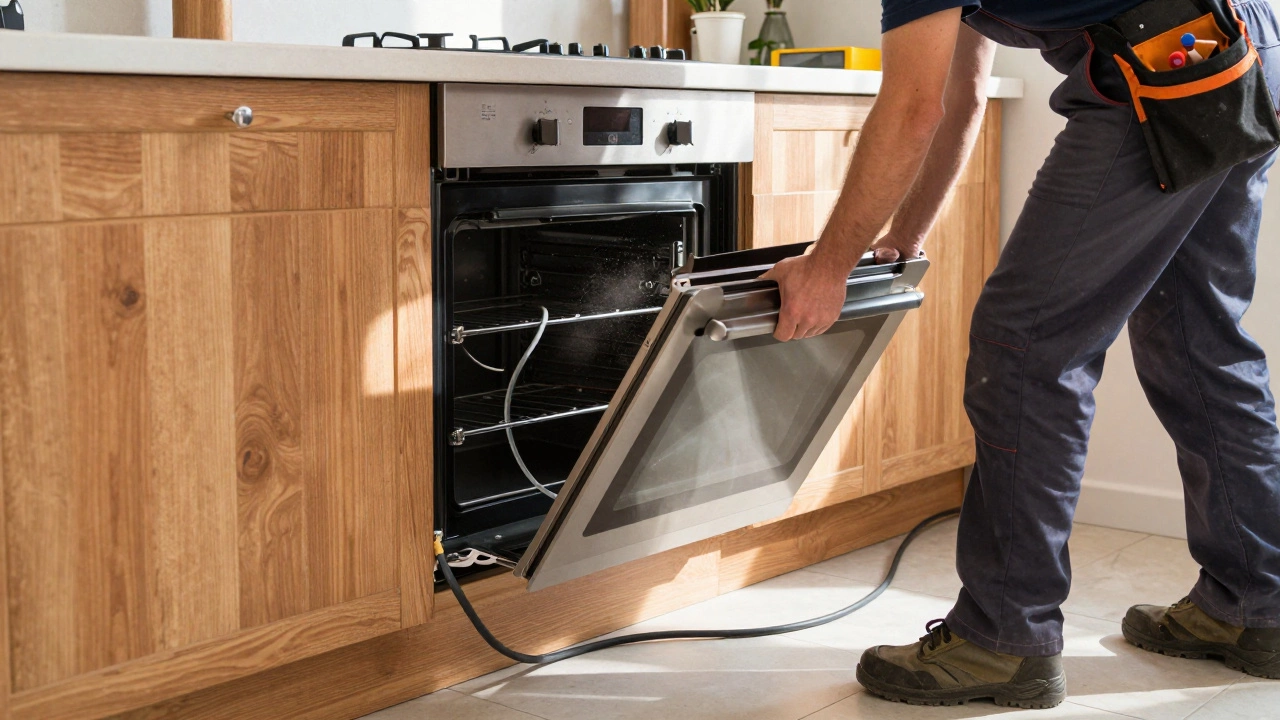
Note that wall ovens almost always cost more to fix. Why? Because they are installed inside cabinetry. To access the board, a technician often has to remove the entire unit from the cabinet, pull out the power, swap the component, and reinstall everything safely. That physical difficulty translates directly into higher labor charges.
The Real Impact of Labor Rates
Labor often outweighs the parts cost. In regions like Auckland, skilled trade rates have climbed significantly. Technicians charge by the hour, but they rarely bill strictly for the 45 minutes it takes to swap the chip. Most jobs come with a minimum visit fee-usually covering two hours of work regardless of speed.
A standard repair quote usually looks like this: a base call-out fee plus an hourly rate applied to the actual job time. If the technician arrives and finds the wiring is corroded, they need to strip and replace wires. That extra hour pushes the bill past the $600 mark quickly. Professional diagnostics are valuable because they confirm whether the board failed or if a sensor triggered the shutdown.
Electronic Control Unit repairs require certified expertise. Mishandling high-voltage connections can damage other components or create a shock hazard. Many service firms offer a guarantee on the labor for 90 to 120 days, giving you peace of mind that wasn't available if you fiddled with it alone.
When It Is the Thermal Fuse, Not the Board
Before paying for a new computer brain, verify the problem. A frequent point of failure is the thermal fuse. This small safety device trips when the oven overheats, cutting power to the main circuit. The symptom mimics a dead board perfectly-the oven won't turn on.
Fuses cost a fraction of a board, often under $30. If you replace the expensive board but leave a blown fuse in place, the new board blows immediately. Technicians test continuity with a multimeter first. This step determines the path forward. Ignoring this leads to unnecessary spending.
Signs pointing toward the control board specifically include:
- Error codes appearing repeatedly despite a reset attempt.
- Display flickering or showing random characters.
- The oven starting but shutting off without heat.
- No response from knobs or touchpad at all.
If your oven simply refuses to heat but clicks normally, the issue is likely a heating element or thermostat, not the brain. Identifying the specific failure mode is the smartest money-saving move you can make.
The DIY Approach: Risk vs Reward
You could save $400 to $600 by handling the installation yourself. However, working on a Electric Oven involves dealing with 240V lines. This voltage is lethal. Never touch internal components without disconnecting power at the breaker panel.
Even then, modern boards are sensitive to static electricity. A tiny spark from your body can fry the new board the moment you plug it in. Proper grounding and using insulated tools are non-negotiable safety steps. If you are comfortable using a voltmeter and removing screws safely, the process itself is straightforward: unscrew the old harness, unplug connectors, and mount the new unit.
But consider the time sink. Ordering parts takes days of waiting. Disassembling a built-in stove can take hours. If you make one mistake and crack the connector port, you are now stuck ordering a custom bracket too. Professional mechanics carry inventory or have fast dispatch channels, meaning the job gets done the same day.
Is It Time to Replace the Oven?
Sometimes the math doesn't add up for a repair. If your oven is over 10 years old, investing in major electronic components is borderline wasteful. Electronics degrade over time; even a fixed board might die again in another year.
Compare the total repair quote against the value of a new unit. If the quote hits $800 and your appliance is ancient, buying a refurbished mid-range model makes more financial sense. It gives you a fresh warranty and modern energy efficiency features. New appliances also adhere to updated safety standards that older units lack.
Navigating Service Quotes and Fees
Get at least two quotes before committing. Ask specifically about hidden fees:
- Are diagnostic fees refunded if I proceed with the repair?
- Does the price include VAT or GST?
- Is there a disposal fee for the old board?
- What happens if the part isn't in stock?
Some companies advertise cheap labor but hike the parts markup aggressively. Ask to see the exact part number you will receive. If the technician suggests a "refurbished" board, ask for a warranty period on that specific unit. Refurbished electronics are risky and often voided by manufacturers.
Common Mistakes During Installation
Homeowners attempting the swap often forget the ribbon cables. These delicate data lines connect the touchpad to the main board. Pulling them forcefully tears the solder points. Snap on the plastic clips gently rather than yanking the wire. Cleaning contacts with isopropyl alcohol before plugging in ensures a solid connection. Poor contact causes ghost touches later on, bringing you back to the phone calling support.
How long does a control board last?
Most boards last between 8 to 12 years. Heat and humidity accelerate wear. If yours fails early, check if the cooling fan is working, as trapped heat kills electronics faster.
Can I replace a control board myself?
Yes, if you are comfortable turning off power at the circuit breaker and handling high-voltage wiring. Be aware that mistakes can void remaining appliance warranties.
Does a control board repair come with a warranty?
Reputable technicians provide at least a 90-day warranty on parts and labor. Manufacturer direct service may offer up to one year on the component itself.
Why is my oven flashing error codes?
Codes indicate specific failures. F3 usually means the oven run away (too hot), while F6 indicates a control lock issue. Look up your brand's manual to decode the exact signal.
Should I buy a refurbished or new board?
New boards are safer. Refurbished options might have replaced capacitors that fail prematurely. Choose refurbished only if the vendor provides a substantial return policy.