Refrigerator Lifespan & Repair Estimator
Enter your details below to estimate how much life is left in your fridge and get advice on whether to fix it or buy a new one.
Analysis Results
You open the fridge door to grab some milk, and that familiar hum sounds... different. Maybe it’s louder, maybe it’s rattling, or perhaps the compressor just kicked on for the third time in an hour. Suddenly, you’re doing mental math: Is this thing dying? Do I fix it, or do I start browsing for a replacement?
It’s a stressful spot to be in. Nobody wants to spend $1,500 on a new unit if their current one has another five years left in it. But nobody wants to pour hundreds into repairs on a machine that’s already living on borrowed time either.
So, what’s the real answer? How long does a refrigerator actually last?
The Short Answer (And The Long One)
If you want the quick number, here it is: The average lifespan of a modern refrigerator is between 10 and 15 years. That’s the industry standard cited by most manufacturers and energy agencies.
But let’s be honest-averages are like weather forecasts. They’re generally right, but they don’t tell you what’s happening in your specific kitchen. Some fridges die at year eight with a blown compressor. Others chug along happily until year twenty, looking like they’ve seen better days but still keeping your beer cold.
Your fridge’s longevity depends heavily on three things: build quality, usage habits, and maintenance. A cheap compact fridge from a discount store won’t have the same internal components as a high-end integrated unit from a premium brand. And a fridge sitting next to a hot oven will struggle more than one tucked away in a cool pantry.
Why Your Fridge Might Not Hit the Average
Not all fridges are created equal. If you bought a top-tier model from a reputable brand known for durability, you might expect it to hit the upper end of that 10-15 year range. Conversely, budget-friendly models often use lighter-gauge metals, less efficient insulation, and cheaper compressors. These parts wear out faster.
Here’s how different types stack up:
| Appliance Type | Average Lifespan | Common Failure Point |
|---|---|---|
| Top-Freezer Fridge | 10-15 years | Compressor failure or seal leaks |
| French Door Fridge | 8-12 years | Ice maker jams or electronic board issues |
| Compact/Mini Fridge | 5-7 years | Thermostat failure or fan motor burnout |
| Side-by-Side Fridge | 9-13 years | Water dispenser leaks or hinge wear |
Notice a trend? More features usually mean shorter lifespans. French door fridges look great and offer easy access, but they have complex electronics, ice makers, and water lines. Every added feature is another potential point of failure. A simple, manual-defrost chest freezer, on the other hand, has almost nothing to break. It’ll likely outlive you.
Signs Your Fridge Is Approaching End-of-Life
How do you know if you’re nearing the end of the line? Don’t wait for the food to spoil. Watch for these warning signs:
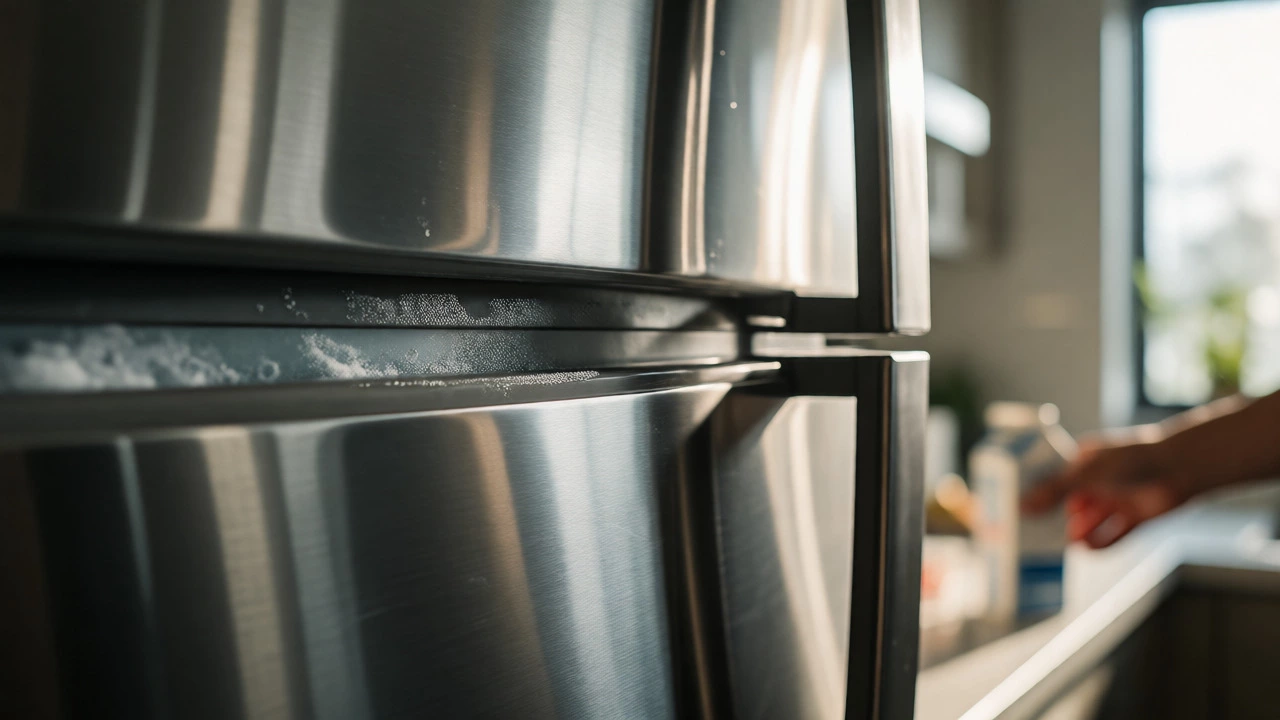
- Excessive Frost Buildup: If you see thick ice forming inside the fridge compartment (not just the freezer), your defrost system might be failing. This forces the compressor to work harder, burning it out prematurely.
- Warm Spots: Feel the outside walls. They should be warm-ish when running, but if one side is scorching hot while the other is cold, you might have a condenser coil issue or poor airflow.
- Condensation Everywhere: Puddles on the floor or sweating on the doors mean the seals (gaskets) are leaking. You’re paying to cool the kitchen, not the food.
- Loud Noises: A gentle hum is normal. Grinding, knocking, or buzzing that persists after cleaning the coils? That’s mechanical distress.
- Frequent Cycling: If the compressor turns on and off every few minutes, it’s struggling to maintain temperature. This short-cycling kills compressors fast.
If you spot two or more of these issues in a fridge older than 10 years, you’re probably looking at a replacement rather than a repair.
When to Repair vs. Replace: The Math
This is the million-dollar question-or rather, the $200-versus-$2,000 question.
Use the "50% Rule." If the cost of the repair exceeds 50% of the price of a comparable new fridge, replace it. Why? Because once a major component fails (like the compressor or main control board), other parts are likely close behind. You’ll just be throwing good money after bad.
Consider the age factor too. If your fridge is under 8 years old, repairs are usually worth it. Between 8 and 12 years, it’s a toss-up depending on the repair cost. Over 12 years? Unless it’s a minor fix like a light bulb or shelf, lean towards replacement.
Also, think about energy efficiency. An old fridge from 2010 could use twice as much electricity as a new Energy Star-rated model. In New Zealand, where power costs aren’t exactly dropping, those savings add up. A new fridge might pay for part of itself in lower bills over its lifetime.
How to Make Your Fridge Last Longer
You can’t change the build quality after you’ve bought it, but you can definitely influence its lifespan. Here’s how to squeeze every extra year out of your appliance:
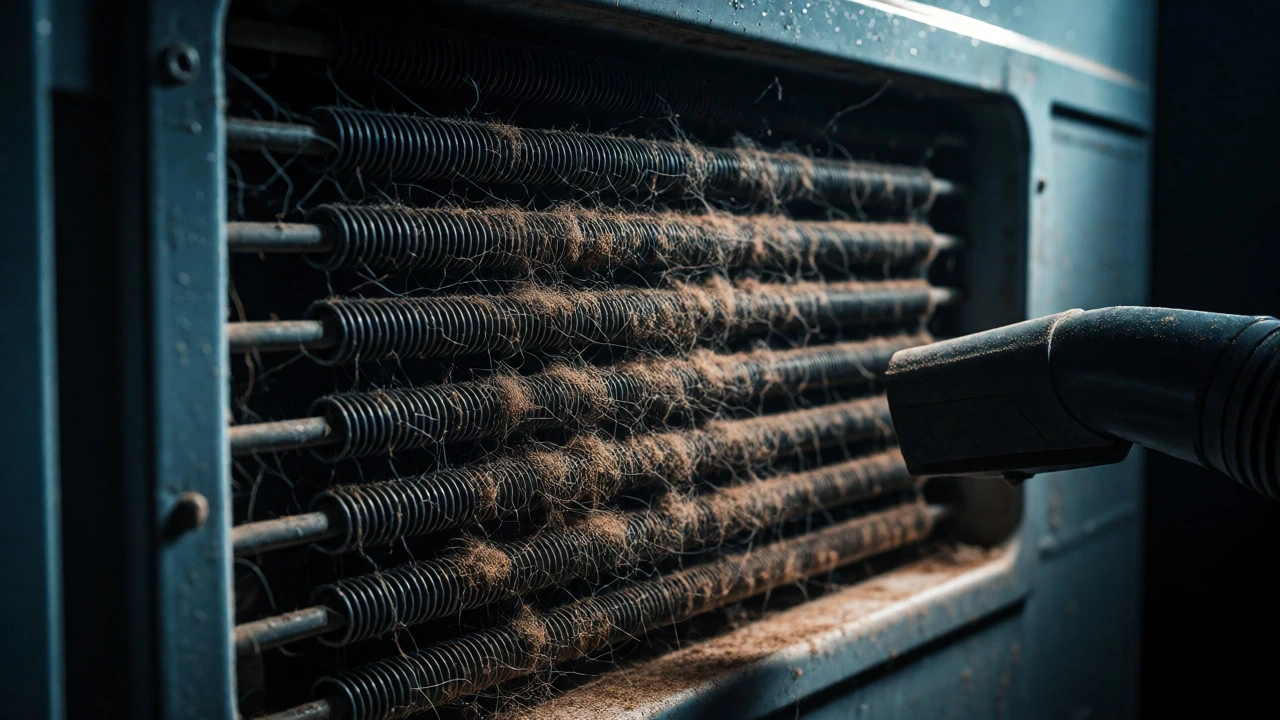
- Clean the Coils: Dust and pet hair accumulate on the condenser coils (usually at the back or bottom). This insulates the coils, making them less efficient. Vacuum them gently every six months. This single task can extend a fridge’s life by years.
- Check the Seals: Close the door on a piece of paper. If you can pull it out easily, the gasket is loose. Clean it with warm soapy water. If it’s cracked or brittle, replace it. It’s a cheap part ($20-$50) that saves big on energy.
- Don’t Overstuff It: Air needs to circulate to keep everything evenly cold. If you pack the fridge tight, the compressor works overtime. Leave some breathing room.
- Keep It Cool: Don’t put hot leftovers straight in. Let them cool to room temperature first. Also, ensure there’s space around the fridge for ventilation. If it’s crammed into a cabinet with no gap at the back, it overheats.
- Set the Right Temperature: Aim for 3°C to 4°C for the fridge and -18°C for the freezer. Colder isn’t always better-it just wastes energy and stresses the system.
Environmental Impact & Disposal
When the day finally comes to say goodbye, don’t just dump it on the kerbside. Fridges contain refrigerants and oils that are harmful to the environment if released improperly. In Auckland, you can book a collection service through your council or use private e-waste recyclers who handle the safe removal of gases.
Recycling also recovers valuable materials like copper, steel, and plastic. It’s a small step, but given that millions of fridges are discarded globally each year, proper disposal matters.
Final Thoughts
Your fridge isn’t just a box that makes noise; it’s a critical part of your daily routine. Knowing its expected lifespan helps you plan financially and avoid panic decisions. Treat it well, clean the coils, check the seals, and listen to its hum. If it starts screaming, you’ll know it’s time to act.
Remember, 10-15 years is the average, but you can beat it with care. Or, if you buy a high-quality model and maintain it religiously, you might even push past 20. Just don’t expect miracles from a bargain-bin special after year seven.
How long do compact fridges last compared to full-size ones?
Compact or mini-fridges typically have a shorter lifespan, averaging 5 to 7 years. Their smaller compressors run more frequently to maintain temperature, leading to faster wear. Full-size refrigerators generally last 10 to 15 years due to larger, more robust cooling systems and better insulation.
Is it worth repairing a 12-year-old fridge?
It depends on the problem. Minor repairs like replacing a thermostat or fan motor might be worth it if the rest of the unit is in good condition. However, major failures like a compressor leak or control board error are rarely cost-effective on a 12-year-old unit, as newer models are significantly more energy-efficient.
Do expensive fridges really last longer?
Often, yes. Premium brands tend to use higher-quality compressors, thicker insulation, and more durable shelving. However, they also include more complex electronics (like smart screens and ice makers), which can fail earlier than the core cooling system. So while the chassis lasts longer, the electronics might need attention sooner.
What kills a fridge compressor?
The main killers are dust-covered condenser coils, which cause overheating; frequent power surges without surge protection; and short-cycling, where the compressor turns on and off too rapidly. Poor ventilation around the unit also contributes significantly to premature compressor failure.
Can I extend my fridge's life beyond 15 years?
Yes, many owners report fridges lasting 18-20 years with diligent maintenance. Key practices include regular coil cleaning, ensuring proper door seal integrity, avoiding overloading, and keeping the ambient room temperature moderate. Older, simpler mechanical models often outlast newer digital ones.