Who Should Fix Your Boiler?
Select the characteristics of your situation below to find out which professional is best suited for the job.
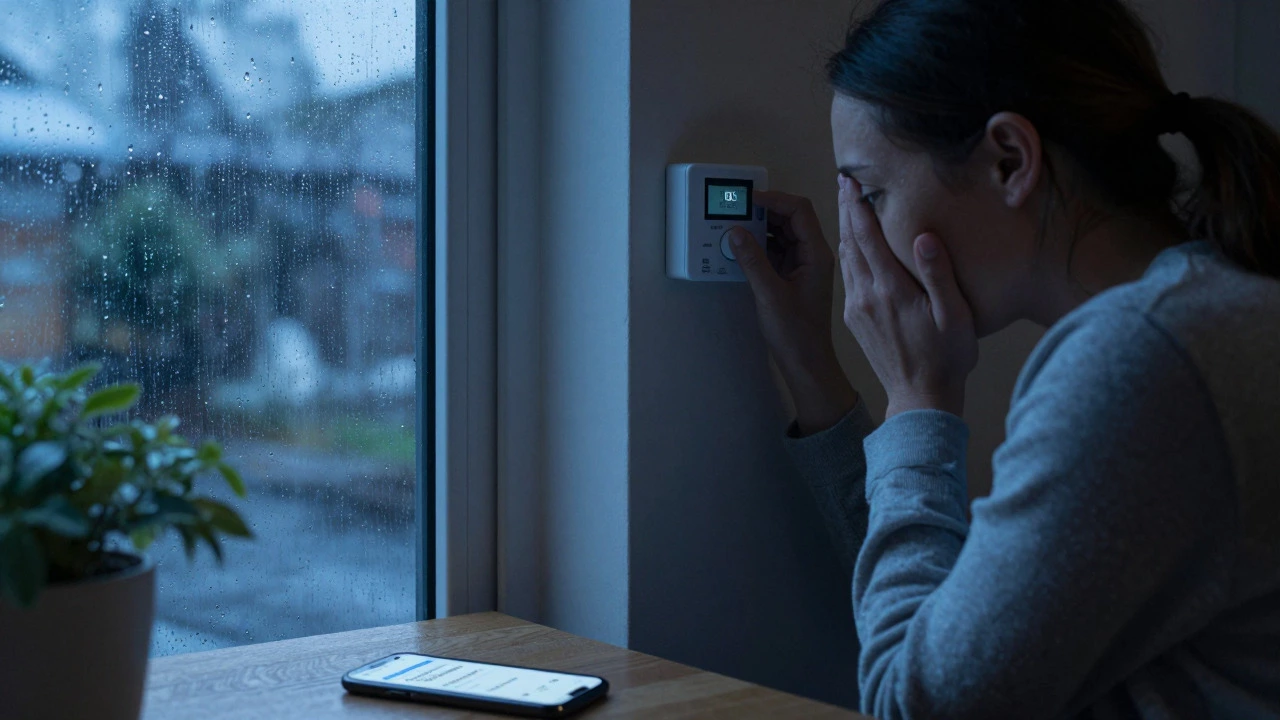
Picture this: it’s a freezing Tuesday morning in Auckland, the rain is lashing against your windows, and you twist the thermostat only to find nothing happens. Your home is cold. Panic sets in. You grab your phone and search for help. The first result says "Emergency Plumber." The second says "Heating Engineer." Which one do you call? More importantly, can that plumber actually install or fix your boiler?
This confusion costs homeowners thousands of dollars and, worse, puts their safety at risk. The short answer is: it depends on what kind of boiler you have and where you live. In New Zealand, the lines are blurrier than they are in the UK or Europe. But knowing the difference between a general plumber and a specialized heating engineer could save your wallet-and your life.
The Short Answer: It Depends on the System
Not all boilers are created equal, and neither are the people who work on them. If you have a standard electric hot water cylinder (which most Kiwi homes use), a licensed plumber can usually handle repairs and installations. However, if you have a gas-fired boiler, a heat pump system, or a complex hydronic underfloor heating setup, you need someone with specific qualifications beyond basic plumbing.
In many parts of the world, like the United Kingdom, the law strictly separates these trades. A plumber cannot touch a gas boiler unless they hold a specific Gas Safe registration. In New Zealand, while the regulations are different, the technical requirements remain high. Using the wrong professional can lead to poor performance, voided warranties, and dangerous leaks.
Plumber vs. Heating Engineer: What's the Difference?
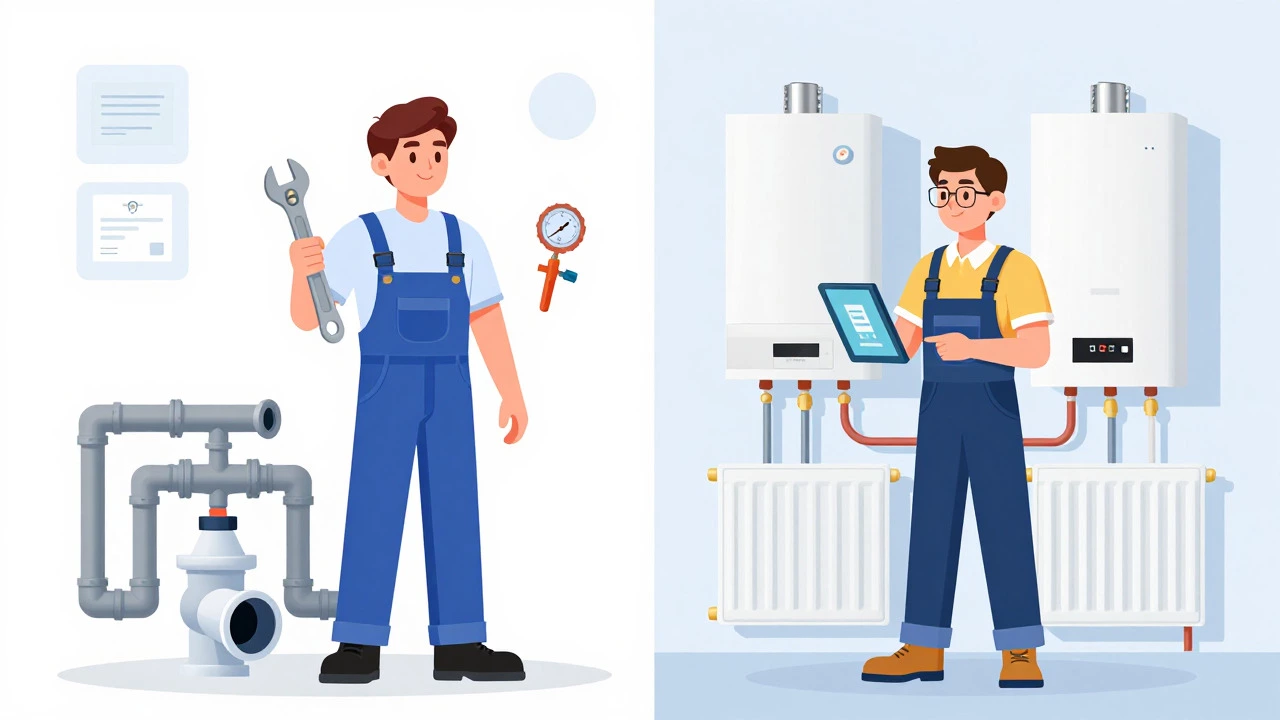
To understand who should be working on your heating system, we need to look at their training. These roles often overlap, but their core expertise differs significantly.
| Professional Type | Primary Focus | Typical Tasks | Specialized Certifications Needed |
|---|---|---|---|
| General Plumber | Pipes, drains, fixtures | Fixing leaks, installing toilets, connecting water lines | Licensed Plumber & Drainlayer (NZ) |
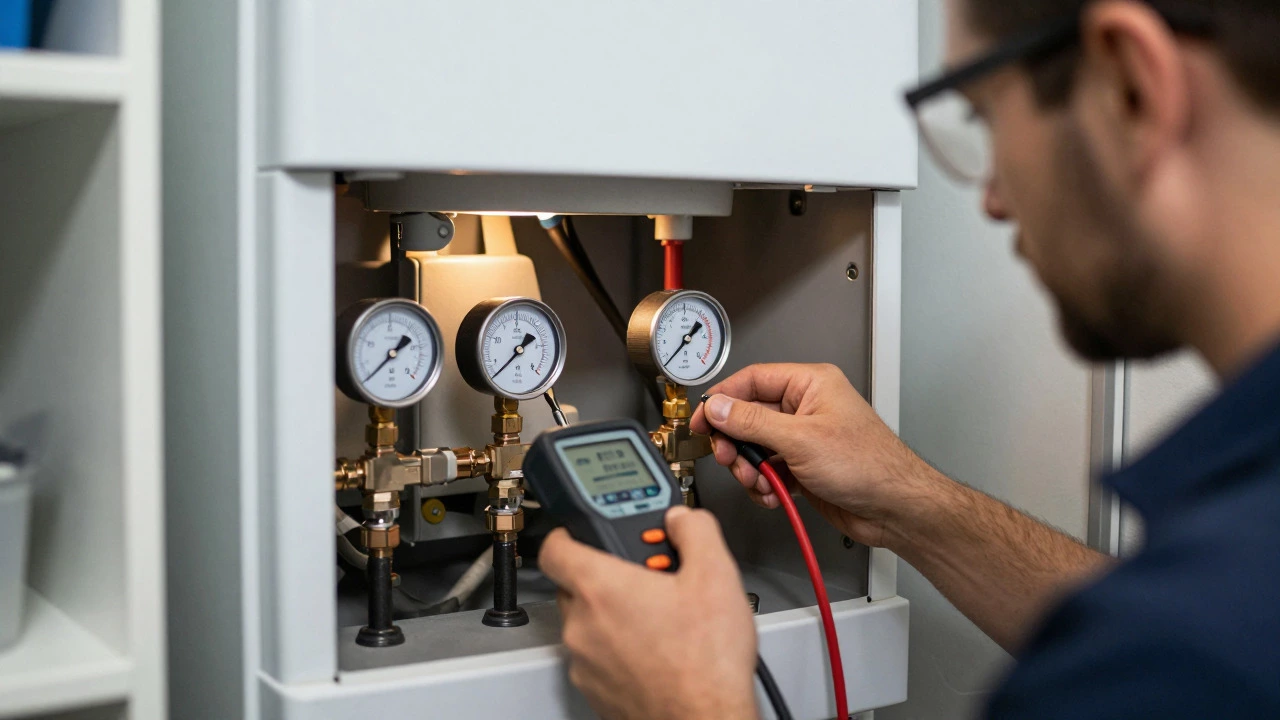
| Heating Engineer | Boilers, radiators, thermostats | Boiler installation, pressure testing, combustion analysis | Gaswork License, Heat Pump Certification |
| HVAC Technician | Air conditioning, ventilation | Duct cleaning, AC repair, air quality checks | Refrigerant handling license |
A general plumber is an expert in moving water. They know how to prevent backflow, ensure proper drainage, and maintain pipe integrity. While they understand the basics of how hot water moves through your house, they may not have the deep diagnostic skills required for modern condensing boilers or smart heating systems.
A heating engineer, on the other hand, specializes in thermodynamics and combustion. They understand how to balance a system so that every radiator heats evenly. They know how to interpret error codes on digital displays and how to safely vent exhaust gases. When you hire a heating specialist, you’re paying for precision, not just pipe fitting.
New Zealand Context: Licenses Matter Here
If you live in Auckland or anywhere else in New Zealand, the regulatory landscape is unique. Unlike the UK, where "Gas Safe" is the golden ticket, New Zealand operates under the Building Act 2004 and specific licensing requirements for different energy types.
For gas appliances, you must hire a holder of a Gaswork License. This isn't optional. It’s illegal for anyone without this license to install, repair, or service gas fittings. Many plumbers hold this license, but not all. Always ask to see it.
For electric boilers and heat pumps, the rules shift slightly. An electrician might handle the wiring, but a plumber often handles the pipework connection. However, increasingly, specialized heat pump technicians are becoming the go-to experts because they understand both the refrigeration cycle and the hydraulic side of the system.
- Gas Boilers: Must be serviced by a Gaswork Licensed person.
- Electric Hot Water Systems: Can be handled by licensed plumbers or electricians depending on the component.
- Heat Pumps: Best handled by certified HVAC technicians who understand compressor technology.
Signs You Need a Specialist, Not Just a Plumber
How do you know if your problem is simple enough for a handyman or a general plumber? Look for these red flags that indicate you need a dedicated heating engineer:
- Error Codes: If your boiler is flashing lights or displaying codes like E1, F28, or similar, it’s an electronic control issue. General plumbers often don’t carry the proprietary software tools needed to reset or diagnose these.
- Cold Spots: If some radiators are hot and others are cold, you have a balancing or circulation issue. This requires a specialist to bleed the system and adjust flow rates correctly.
- Noise: Kettling (a boiling noise) inside the boiler indicates limescale buildup or pump failure. This needs internal inspection, which risks voiding warranties if done by non-certified staff.
- Age of System: Boilers over 10 years old often require parts that are no longer standard. Specialists have access to legacy parts networks that general plumbers do not.
The Risk of Hiring the Wrong Person
You might think, "I’ll just save $50 an hour by hiring the cheaper plumber." But here’s the reality: boilers are complex pressure vessels. They involve gas, electricity, and high-temperature water. A mistake doesn’t just mean a leak; it means carbon monoxide poisoning, electrical fires, or catastrophic flooding.
In Auckland, we’ve seen cases where unlicensed workers attempted to swap out a gas valve on a boiler. The seal wasn’t tightened correctly. Within weeks, the family experienced headaches and nausea-classic signs of CO leakage. Only after a specialized engineer was called did the danger become clear.
Furthermore, most modern boiler manufacturers require annual servicing by certified professionals to keep the warranty valid. If a general plumber does the job and stamps the certificate, the manufacturer may deny future claims. That’s a risk worth avoiding.
What to Ask Before Booking
Before you let anyone into your home, ask these three questions. Their answers will tell you everything you need to know:
- "Are you Gaswork Licensed?" (If you have a gas system). Ask for their license number and check it on the WorkSafe website.
- "Do you specialize in [Brand Name] boilers?" Brands like Vaillant, Worcester Bosch, and Daikin have specific quirks. Specialists train on these brands.
- "Will you provide a compliance certificate?" For insurance purposes, you need proof that the work meets building code standards.
Maintenance Tips to Extend Boiler Life
Whether you hire a plumber or a heating engineer, regular maintenance is key. In Auckland’s humid climate, corrosion is a real enemy. Here’s how to protect your investment:
First, check the pressure gauge monthly. Most boilers operate best between 1 and 1.5 bar. If it drops below 1, you likely have a leak. If it goes above 2, the expansion vessel might be failing. Second, listen for changes in sound. A healthy boiler hums quietly. A struggling one rattles or whistles. Third, schedule an annual service. This isn’t just about cleaning; it’s about checking seals, electrodes, and flue paths.
Don’t ignore small issues. A dripping valve today becomes a flooded basement tomorrow. By understanding who does what, you ensure your home stays warm, safe, and efficient throughout those chilly winter months.
Can a general plumber fix a broken boiler?
A general plumber can fix simple issues like leaking pipes connected to the boiler or replacing a faulty thermostat. However, for internal mechanical or electrical faults within the boiler unit itself, especially gas-related issues, you need a specialist heating engineer or a plumber with a specific Gaswork License.
Is it cheaper to hire a plumber or a heating engineer?
Generally, general plumbers charge less per hour than specialized heating engineers. However, specialists often diagnose problems faster due to experience, potentially saving money on labor time. More importantly, using an uncertified worker can void warranties, leading to much higher costs later.
How often should I service my boiler in New Zealand?
You should service your boiler annually. In New Zealand’s coastal environment, salt air can accelerate corrosion in flues and external components. Annual servicing ensures efficiency, safety, and keeps your manufacturer warranty valid.
What is a Gaswork License?
A Gaswork License is a mandatory certification in New Zealand issued by WorkSafe NZ. It proves that the holder has the technical knowledge and practical skills to safely install, repair, and service gas appliances. Anyone working on your gas boiler without this license is breaking the law.
Should I replace my old boiler or repair it?
If your boiler is over 10-15 years old, replacement is usually more cost-effective. Older models are less efficient, costing more to run, and parts are harder to find. A new condensing boiler can reduce energy bills by up to 20%. Get a quote for both options from a specialist to compare long-term value.