Heat Pump Troubleshooter
Thermostat Settings
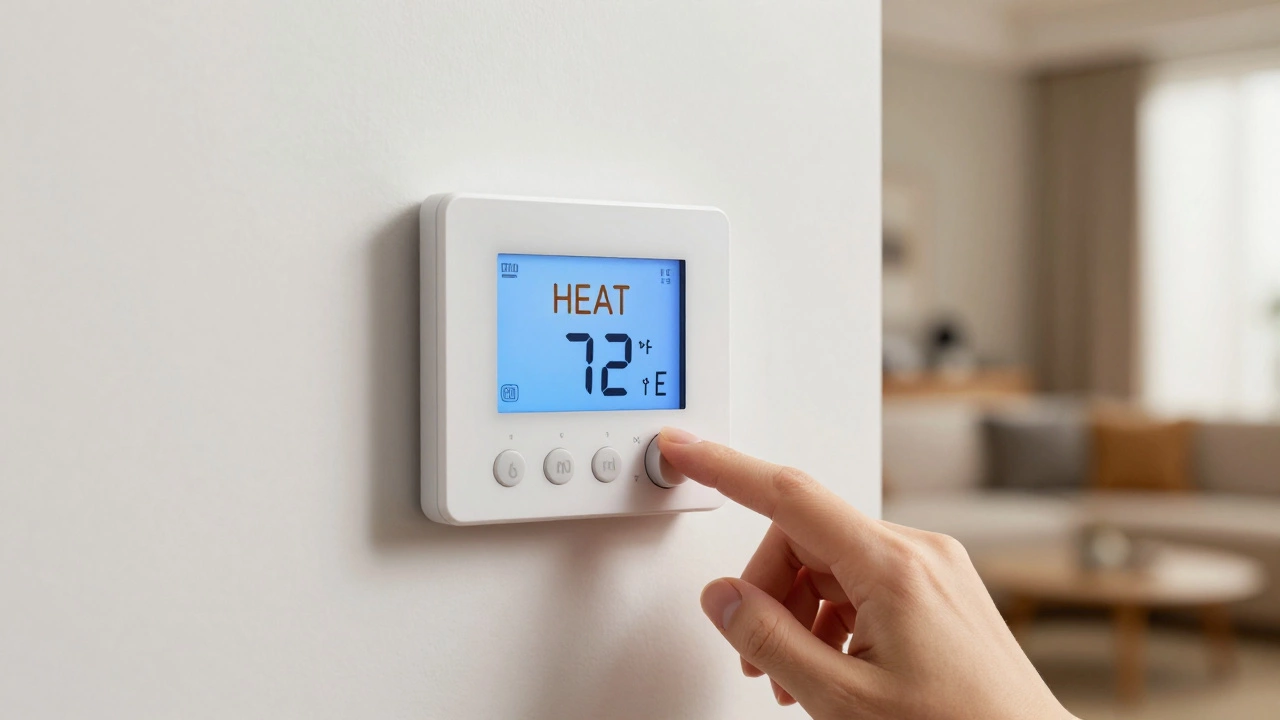
Check if your thermostat is set to HEAT (not Cool/Auto) and Fan is on AUTO. Did raising the temp by 5°F start the system?
Air Filter Check
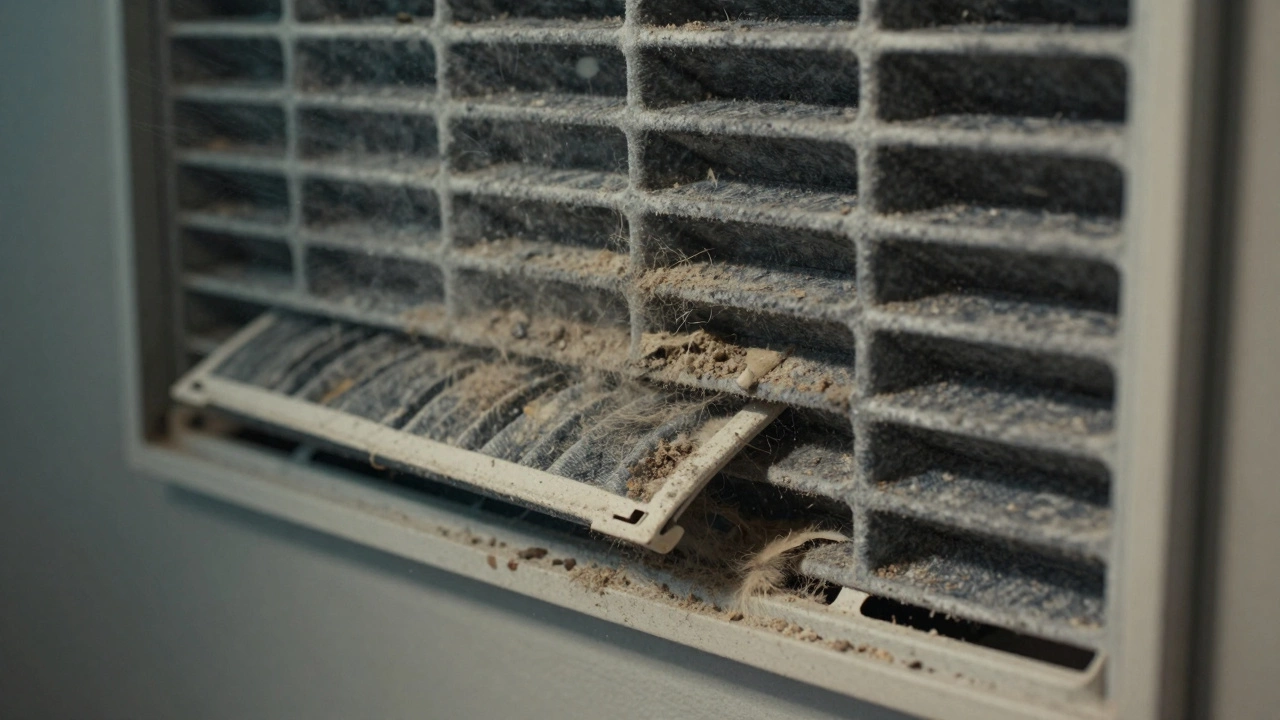
Hold the filter up to a light. Can you see daylight through it? If not, it is clogged.
Outdoor Unit Inspection
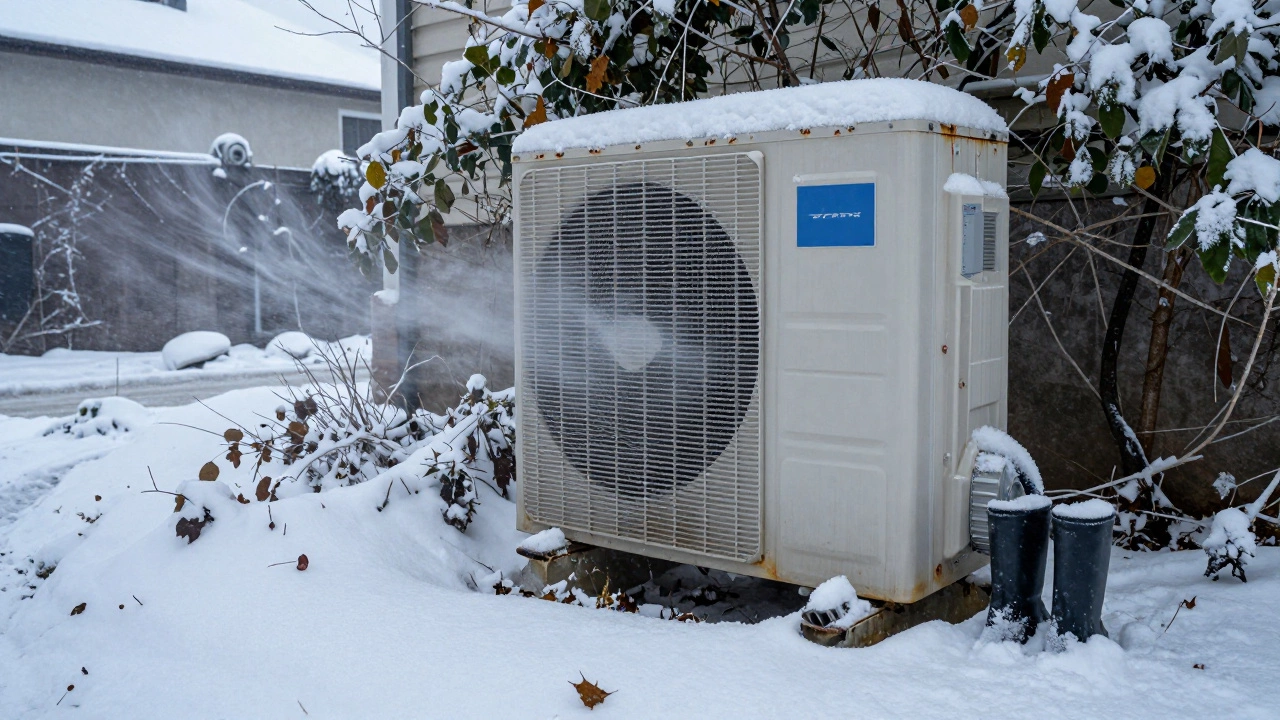
Is the outdoor unit free of snow, leaves, or debris? Are the fins clear?
Condensate Drain
Check the drain pan near the indoor unit. Is it full of water or overflowing?
Reversing Valve & Ice
Look at the copper pipes on the outdoor unit. Is there ice buildup, or does the large pipe feel freezing cold/sweaty?
Diagnosis Status
Complete the steps to find the cause.
Your house feels like a refrigerator, and you are staring at the thermostat wondering why your heat pump is a system that transfers heat to provide both heating and cooling for your home acting so cold. It is frustrating enough when the weather turns chilly, but it is unbearable when your primary source of comfort refuses to cooperate. You check the temperature setting, you wait an hour, and still, only cool or lukewarm air comes out of the vents. Before you call a technician and pay for a service call, there are several simple things you can check yourself. Often, the issue is not a broken compressor or a massive refrigerant leak, but something as simple as a dirty filter or a confused thermostat.
Understanding how your system works helps you troubleshoot effectively. A heat pump does not generate heat like a furnace; it moves it. In winter, it pulls warmth from the outside air (even when it feels freezing) and pumps it inside. If any part of this cycle is blocked, reversed, or inefficient, you will feel cold air. Let’s walk through the most common reasons your system is failing to deliver warmth, starting with the easiest fixes.
Check Your Thermostat Settings First
It sounds obvious, but people make mistakes here more often than you might think. The first thing you need to do is look closely at your thermostat is the control device that regulates the temperature of your heating and cooling systems. Make sure it is set to "Heat" and not "Cool" or "Auto." If it is in "Cool" mode during winter, the system will blow cold air by design. Also, check if the fan is set to "On" instead of "Auto." When set to "On," the fan runs continuously, even when the heat pump is off. This means you are just circulating room-temperature air, which can feel surprisingly cold compared to the heated air produced during active cycles.
Another common pitfall is the temperature differential. If your current room temperature is 68°F and you set the thermostat to 70°F, the system might take a while to kick in, especially if it has a built-in delay to protect the compressor. Try raising the temperature by five degrees to force the system into a heating cycle. Listen for the outdoor unit to start humming. If you hear it running but still feel no warmth after 15 minutes, move on to the next step.
The Dirty Air Filter Culprit
A clogged air filter is the number one cause of poor airflow in HVAC systems. Think of your heat pump like a person trying to breathe through a wet cloth. If the air filter is a component that traps dust, pollen, and debris to keep indoor air clean is packed with dust, pet hair, and lint, the blower motor cannot push enough air across the heat exchanger. This causes two problems: first, the warm air stays trapped inside the unit and doesn’t reach your rooms; second, the restricted airflow can cause the evaporator coil to freeze over, creating an ice blockage that stops heat transfer entirely.
Locate your filter, usually found in the return air duct or behind the wall grille. Hold it up to the light. If you cannot see daylight through it, it needs changing immediately. Replace it with a new filter of the same size and MERV rating. After replacing the filter, reset your thermostat and give the system 30 minutes to clear any residual ice or pressure issues. Many homeowners find that this simple $15 fix resolves their heating complaints instantly.
Reversing Valve Issues
If your filters are clean and the thermostat is correct, the problem might be mechanical. The heart of a heat pump’s ability to switch between heating and cooling is the reversing valve is a component that changes the direction of refrigerant flow to switch between heating and cooling modes. This valve directs the refrigerant flow. In heating mode, it should allow hot gas to flow into the indoor coil. If the valve gets stuck in the "cooling" position, your system will blow cold air even though it thinks it is heating. Sometimes, the valve gets stuck halfway, causing inefficient operation where the air is neither hot nor cold, but merely ambient temperature.
You can often tell if the reversing valve is stuck by looking at the outdoor unit. In heating mode, the large pipe coming out of the compressor (the suction line) should be warm, and the smaller pipe (the liquid line) should be cool. If both pipes are cold, or if the large pipe is sweating heavily, the valve may be stuck. Tapping the valve gently with a rubber mallet can sometimes dislodge it, but this is a temporary fix. If the valve is faulty, it requires professional replacement because it involves handling high-pressure refrigerant lines.
Low Refrigerant Levels
Refrigerant is the blood of your heat pump system. It carries the heat from outside to inside. If your system has a refrigerant leak is an unintended loss of coolant fluid from the sealed loop of the HVAC system, it cannot absorb enough heat from the outdoors to transfer indoors. One sign of low refrigerant is ice forming on the copper lines at the outdoor unit or on the indoor evaporator coil. Another sign is hissing noises coming from the lines. Unlike car ACs, heat pump systems are closed loops; they do not "use up" refrigerant. If levels are low, there is a leak somewhere. Adding more refrigerant without fixing the leak is illegal and ineffective.
If you suspect a leak, turn off the system to prevent damage to the compressor. Call a licensed technician to perform a pressure test and locate the leak. They will repair the leak, evacuate the system, and recharge it to the manufacturer’s specified weight. Ignoring a refrigerant leak can lead to compressor failure, which is the most expensive repair you can face.
Blocked Condensate Drain Line
This one is tricky because it seems unrelated to heat. However, many modern heat pumps have a safety feature called a freeze stat or a condensate overflow switch. During heating mode, your indoor coil actually acts as an evaporator, pulling moisture out of the air. This water drips into a pan and drains away. If the condensate drain line is a pipe that removes moisture collected by the HVAC system to prevent water damage gets clogged with algae or sludge, water backs up into the pan. When the float switch detects standing water, it cuts power to the heating element or compressor to prevent flooding your ceiling. The fan might still run, blowing cold air, but the heat generation stops.
Check the condensate drain pan near your indoor unit. If it is full of water, clear the drain line using a wet/dry vacuum or a specialized drain snake. Pouring a cup of vinegar down the access port can help kill algae buildup. Once the water level drops below the float switch, the system should resume normal heating operations.
Outdoor Unit Obstructions
Your outdoor unit needs plenty of airflow to work efficiently. If it is buried under snow, covered in leaves, or surrounded by tall bushes, it cannot pull in the air needed to extract heat. Even in mild winters, debris can block the fins. Check the area around the condenser. Remove any leaves, twigs, or trash. If you live in a snowy region, ensure the top of the unit is clear. Snow buildup on top can melt and drip onto the electrical components, causing shorts, or simply insulate the unit too much, reducing efficiency.
Also, check the defrost cycle. Heat pumps occasionally enter a defrost mode to melt ice from the outdoor coil. During this time, the indoor unit might blow cool air for 5-10 minutes. This is normal. If the system stays in defrost mode indefinitely, the defrost sensor or control board might be malfunctioning. Look for a small LED light on the outdoor unit’s control board; flashing patterns can indicate specific error codes listed in your manual.
When to Call a Professional
If you have checked the thermostat, replaced the filter, cleared the drain line, and ensured the outdoor unit is unobstructed, but you are still getting cold air, it is time to call a pro. Complex issues like a failed capacitor, a bad contactor, or a cracked heat exchanger require specialized tools and knowledge. Attempting to fix electrical components without proper training can be dangerous and void your warranty.
While waiting for the technician, you can use space heaters in critical areas to stay comfortable. Just remember to follow fire safety guidelines and never leave them unattended. For those who enjoy exploring different aspects of home maintenance and lifestyle services, finding reliable local resources can be helpful, such as checking this directory for various community listings, though for HVAC issues, stick to certified repair networks.
Maintaining Your Heat Pump for Future Winters
Prevention is cheaper than repair. Schedule annual maintenance before the winter season starts. A technician will clean the coils, check refrigerant levels, inspect electrical connections, and test the safety controls. You can help by changing your air filter every 1-3 months, keeping the outdoor unit clear of debris, and ensuring your insulation and ductwork are sealed properly. Leaky ducts can lose up to 30% of your conditioned air, making your heat pump work harder and less effectively.
Is it normal for my heat pump to blow cool air initially?
Yes, it is normal for the first few minutes. Heat pumps do not have a hot surface like a furnace burner. They gradually warm up the air passing over the coils. Give it 10-15 minutes to reach its target temperature before judging its performance.
Can I fix a stuck reversing valve myself?
You can try tapping it lightly with a rubber mallet to dislodge it, but this is a temporary measure. Because the valve contains pressurized refrigerant, permanent repair requires a licensed HVAC technician to avoid injury and environmental harm.
How often should I change my air filter?
Every 1 to 3 months depending on usage, pets, and allergies. If you have pets that shed heavily or live in a dusty area, check it monthly. A dirty filter restricts airflow and can cause your heat pump to freeze up.
What does it mean if my outdoor unit is frozen?
Ice on the outdoor unit can be normal during a defrost cycle, but if it persists, it indicates low airflow, low refrigerant, or a faulty defrost sensor. Turn off the system and let it thaw naturally. Do not chip the ice off with sharp objects.
Why is my heat pump running constantly but not heating?
This could indicate a short cycling issue, a stuck reversing valve, or a significant refrigerant leak. Constant running without heating wastes energy and strains the compressor. Contact a technician immediately to diagnose the root cause.