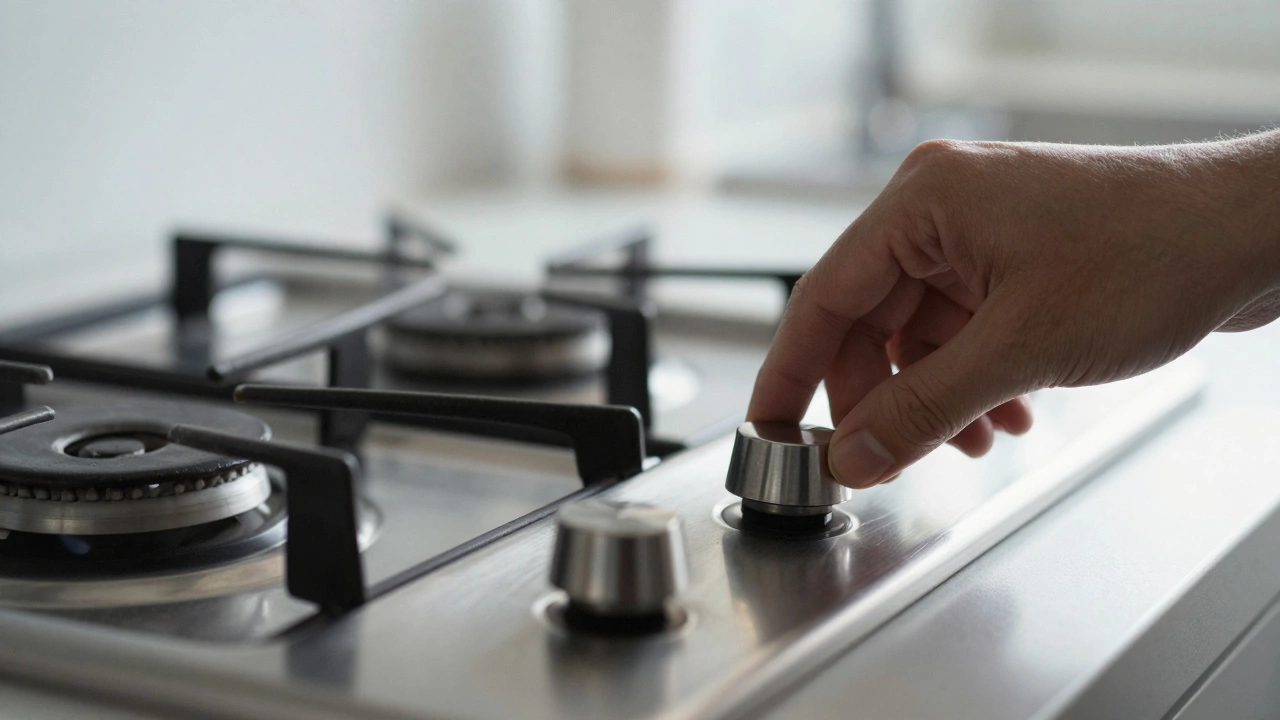
Gas Appliance Troubleshooting Wizard
Answer the following questions to find the likely cause of your gas issue.
CRITICAL SAFETY WARNING
Evacuate immediately. Do not turn on any lights, use a phone inside, or ignite anything. Get everyone out of the house and call your emergency gas provider from outside.
Likely Cause: Localized Component Failure
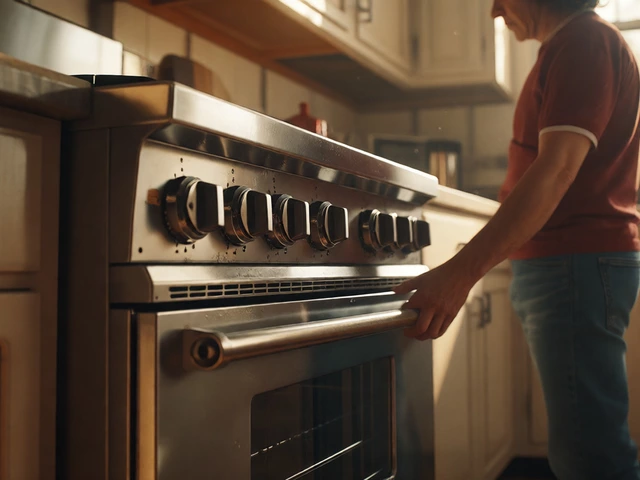
This is likely a clogged burner, failed igniter, or a blown pilot light for that specific machine.
Likely Cause: Line Blockage or Regulator Issue
Because multiple appliances are affected, the problem is likely at a branch line or the main regulator.
Likely Cause: External Cutoff or Electrical Safety
If you have a prepaid meter, your credit may have run out. If you had a power surge, a gas solenoid valve may have tripped.
Likely Cause: Utility Failure or Meter Fault
Since all appliances are out and there is no obvious cause, the issue is likely with the utility provider or the main meter.
Quick Check: The Basics First
Before you spend hours taking things apart, start with the simplest possibilities. If you have a prepaid gas meter, check your balance. It sounds obvious, but it happens to the best of us. If your credit runs out, the gas supply is cut off instantly. If you're on a standard account, check if there's a known outage in your neighborhood. A burst main pipe down the street can leave an entire block without fuel.
Another common culprit is the main shut-off valve. If you've had recent work done on your plumbing or if someone was messing around in the basement, the valve might have been closed. Look for the main handle near your meter; if it's perpendicular to the pipe, it's off. Turn it parallel to the pipe to open the flow. If you smell a strong scent of rotten eggs, stop everything immediately, get out of the house, and call your emergency gas provider. That's a leak, not a repair job.
Understanding the Gas Supply Chain
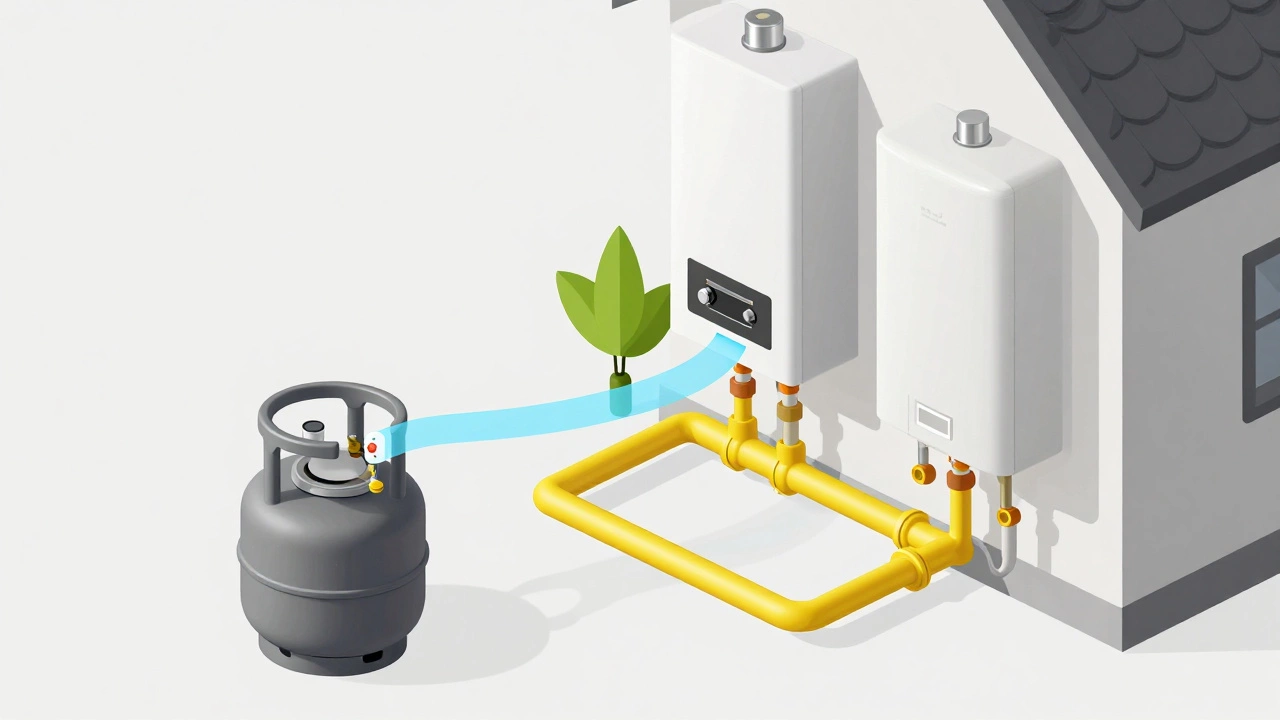
To figure out why your gear isn't firing up, you need to understand how gas actually gets to your stove. It starts at the street, passes through a gas meter, travels through a main line, and then splits into individual branches for your boiler, oven, and water heater. If the failure is universal, the blockage or cutoff is happening at the "trunk" of the tree, not the "leaves."
In many modern homes, there's a safety device called a gas solenoid valve. This is an electrically operated valve that can shut off the gas flow if it detects a fault or if a timer tells it to. If this valve fails or loses power, every appliance downstream goes dark. This is why a simple power surge in your home could ironically leave you without heat or hot water, even though gas isn't electric.
| Symptom | Likely Cause | Urgency | Action |
|---|---|---|---|
| Only the stove is out | Clogged burner or failed igniter | Low | Clean burner or replace spark plug |
| Stove and Boiler are out | Main valve closed or regulator failure | Medium | Check main shut-off valve |
| Everything is out | Utility cutoff or meter fault | High | Call gas company/utility provider |
| Gas smell + No heat | Severe leak | Critical | Evacuate immediately |
The Pilot Light Problem
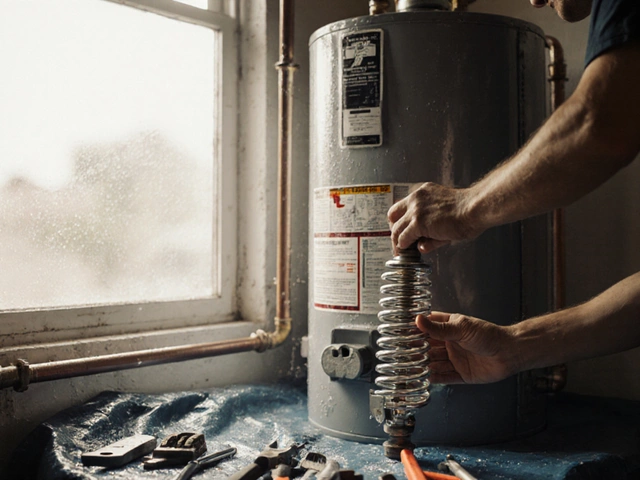
If you have older appliances, you might be dealing with pilot lights. A pilot light is a small, constantly burning flame that lights the main burner when you turn the dial. In the old days, if a gust of wind or a pressure drop blew out the pilot light on your water heater, you had to manually relight it. While this usually happens one appliance at a time, a sudden drop in gas pressure across the whole house can snuff out every pilot light simultaneously.
Once a pilot light goes out, most modern systems have a thermocouple. This is a small sensor that detects the heat of the flame. If the thermocouple doesn't feel heat, it tells the gas valve to stay closed for safety. This prevents your home from filling up with unburned gas. If all your appliances are off, you're likely looking at a pressure issue that killed the flames, meaning you'll have to relight them one by one-provided the gas is actually flowing.
Air Locks and Pressure Drops
Ever noticed that after a gas line repair, your stove takes a few tries to light? That's because of air in the lines. When a system is drained or the gas is shut off, air replaces the fuel. When the gas is turned back on, that air has to be pushed out of the pipes before the fuel reaches the burner. If there's a significant air pocket, it can feel like your appliances aren't working.
A more serious issue is a failing gas regulator. The regulator is the device that steps down the high pressure from the street to a safe, usable pressure for your home. If the regulator diaphragm ruptures or freezes (which can happen in extreme cold), the gas flow drops so low that the appliances can't maintain a flame. You'll know this is the problem if you see a very weak, flickering flame on one burner while others won't light at all.
When to Call a Professional for Gas Appliance Repair
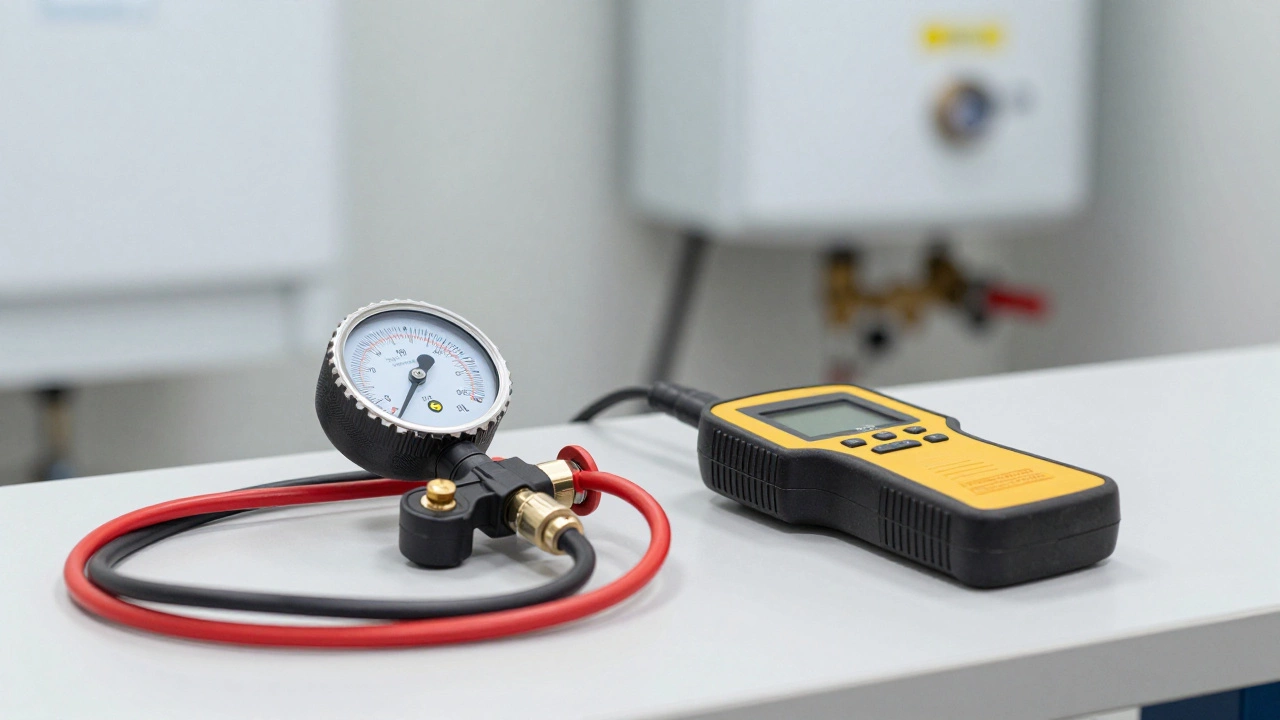
Gas is not like a leaky faucet. You can't just wrap some Teflon tape around a pipe and hope for the best. Dealing with gas appliance repair requires specialized tools like manometers to check pressure and electronic leak detectors. If you've checked your meter, verified your account is active, and confirmed the main valve is open, but you still have no gas, you are out of your depth. Do not attempt to dismantle a gas regulator or force a valve open.
A certified technician will perform a "pressure drop test." They seal the system and pump in air or gas to see if the pressure holds. If the pressure drops, there's a leak. If the pressure is fine but the appliances won't light, the issue is likely an electrical failure in the ignition systems or a faulty internal valve. This level of diagnosis is why professional intervention is mandatory for safety.
Common Pitfalls to Avoid
One mistake people often make is trying to "purge" the lines by leaving a burner knob turned on for several minutes without a flame. This is incredibly dangerous. You are essentially pumping raw gas into your kitchen, creating a fuel-air mixture that can explode with a single spark from a light switch. Always use the official lighting instructions for your specific model.
Another trap is ignoring the "small' signs. If you notice your water heater takes longer to recover or your oven flames are starting to look yellow instead of crisp blue, your system is struggling with pressure. Don't wait until everything shuts down completely to investigate. A yellow flame usually means incomplete combustion, which can lead to the production of carbon monoxide-a colorless, odorless gas that can be fatal.
Can a power outage stop my gas appliances from working?
Yes, it can. While the fuel is gas, many modern appliances use electric igniters or solenoid valves to control the flow. If your power is out, an electric stove won't spark and a modern high-efficiency boiler won't trigger the gas valve to open. However, older appliances with standing pilot lights should still work unless they have an electronic safety shut-off.
Why do I smell gas but nothing is lighting?
This is a critical safety hazard. It means gas is leaking into your home or is being released by an appliance but not igniting. Do not turn on any lights, do not use a phone inside, and do not light any matches. Open all windows, leave the building immediately, and call your gas company's emergency line from outside.
How do I know if my gas meter is faulty?
If all your appliances are dead and your utility company confirms the street supply is active, the meter or the regulator attached to it may have failed. You cannot repair a meter yourself; it is the property of the utility company. If you suspect a meter failure, call your provider to request a technician to inspect the unit.
Is it normal for gas appliances to stop working during a freeze?
It is uncommon but possible. Extreme cold can cause moisture in the regulator to freeze, restricting the flow of gas. Additionally, if you use Propane (LPG) tanks instead of natural gas, the pressure in the tank can drop significantly in freezing temperatures, making it harder for the gas to reach your appliances.
What is a thermocouple and why does it matter?
A thermocouple is a safety sensor that generates a tiny electrical current when heated by a pilot flame. This current holds the gas valve open. If the flame goes out, the thermocouple cools down, the current stops, and the valve snaps shut to prevent a gas leak. If this part fails, your appliance won't stay lit even if you manually light the pilot.
Next Steps for Recovery
If you've just had your gas service restored after an outage or a repair, don't expect everything to work instantly. Follow these steps to get back up and running safely:
- Check every appliance for the smell of gas before attempting to light them.
- Start with the simplest appliance, like a stovetop burner, to confirm gas is flowing.
- Relight pilot lights one by one, following the manufacturer's manual exactly.
- Wait 10 minutes after lighting a water heater to ensure the flame is stable before taking a shower.
- If any appliance fails to ignite after three attempts, turn it off and call a professional; you might have a localized blockage or a failed igniter.