Extractor Fan Calculator
Required CFM
Fan airflow needed for proper ventilation
Risk Assessment
No risk - You're maintaining proper ventilation
Estimated Cost Comparison:
Fan Installation: $80-$250
Mold Repair (avg): $1,200+
Your home may be at risk of mold growth
Recommendations
Install a properly sized extractor fan immediately.
Most homes have an extractor fan in the kitchen or bathroom, but not everyone uses one. Maybe you’ve never turned yours on. Maybe it broke and you never replaced it. Maybe you think it’s just an extra gadget that doesn’t matter. But skipping an extractor fan isn’t just a convenience choice-it’s a risk. And over time, that risk shows up in ways you can’t ignore.
What Happens When You Don’t Have an Extractor Fan?
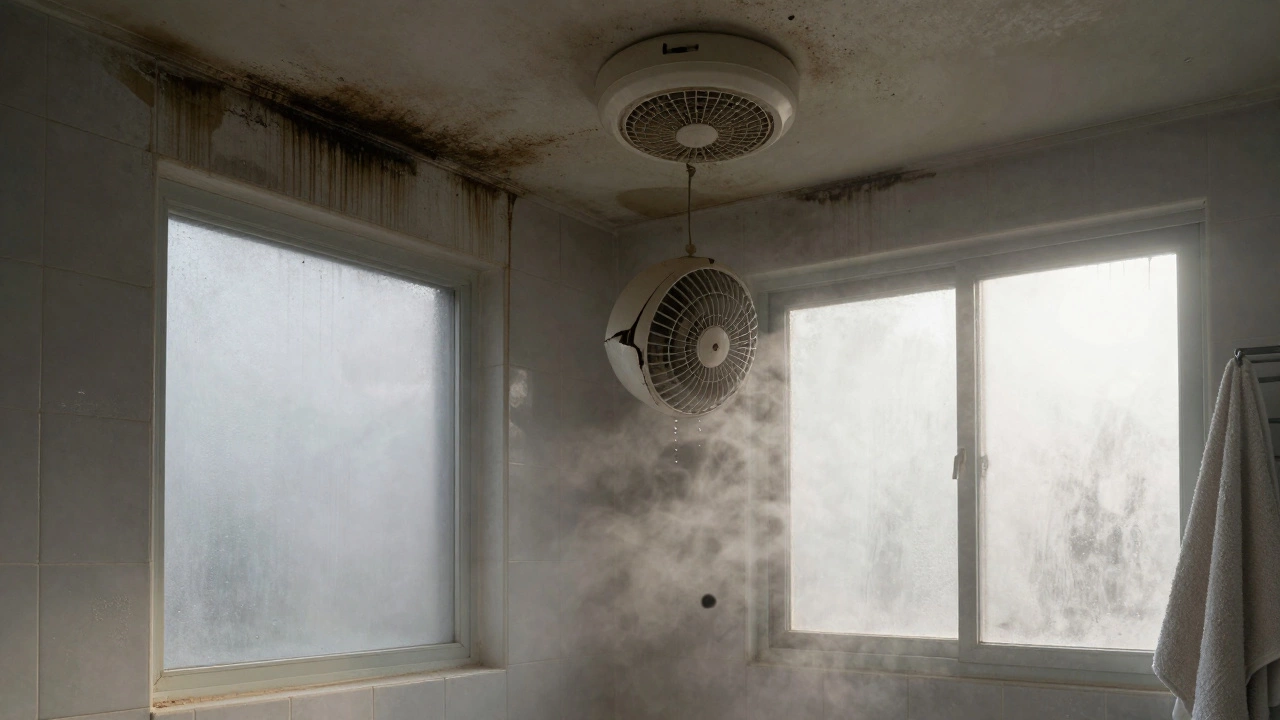
Without an extractor fan, moisture from cooking, showering, or even breathing stays trapped inside. In the kitchen, steam from boiling pasta or frying eggs doesn’t vanish-it settles on walls, ceilings, and windows. In the bathroom, humidity from hot showers lingers for hours. This isn’t just annoying; it’s damaging.
After a few months, you might notice foggy windows that never clear. A year later, you see dark spots forming near the shower or above the stove. Those aren’t dirt. They’re mold. And mold doesn’t just look bad-it spreads. One study from the U.S. Environmental Protection Agency found that homes with poor ventilation had up to 3 times more mold spores than those with working extractor fans. That’s not a small difference. That’s a health hazard.
Wood frames swell. Drywall softens. Paint peels. Tile grout turns black. These aren’t quick fixes. They’re expensive repairs. Replacing rotted ceiling joists or repainting an entire bathroom because of mold can cost over $2,000. A decent extractor fan? Around $80 to install.
Is It Legal to Not Have One?
In most countries, building codes require extractor fans in bathrooms and kitchens. In the U.S., the International Residential Code (IRC) mandates that bathrooms with a bathtub or shower must have mechanical ventilation-either an extractor fan or a window that opens at least 1.5 square feet. If you’re renting, your landlord is legally required to keep the ventilation system working. If you own your home and removed the fan, you’re not breaking the law-but you’re violating the spirit of safety standards.
Insurance companies are catching on. If you file a claim for water damage or mold and they find you removed or ignored a required extractor fan, they might deny your claim. That’s not a rumor. In 2023, a homeowner in Oregon lost a $45,000 mold claim because the insurer proved the bathroom fan had been disconnected for over two years.
What About Opening a Window Instead?
Some people say, “I just open the window when I cook or shower.” Sounds reasonable, right? But it’s not as effective as you think.
Windows don’t move air the way fans do. Fans pull air out quickly and continuously. Windows rely on wind and temperature differences-both of which are unpredictable. On a cold winter day, opening a window lets out heat and brings in cold air. You’re not just removing moisture-you’re making your heater work harder. Your energy bill goes up.
And in humid climates? Opening a window can make things worse. Outside air might be more humid than inside. You’re not drying the room-you’re adding more moisture. In places like Florida, Texas, or the UK, humidity levels outside often stay above 70% year-round. A window won’t help. A fan will.

Can You Get By Without One in a Small Space?
You might think, “My bathroom is tiny. I don’t need a fan.” But size doesn’t matter as much as use. Even a 5x5-foot bathroom can produce enough moisture in one shower to saturate the walls. A small fan, like a 50 CFM model, can clear that air in under 10 minutes. Without it? Moisture clings to surfaces for hours.
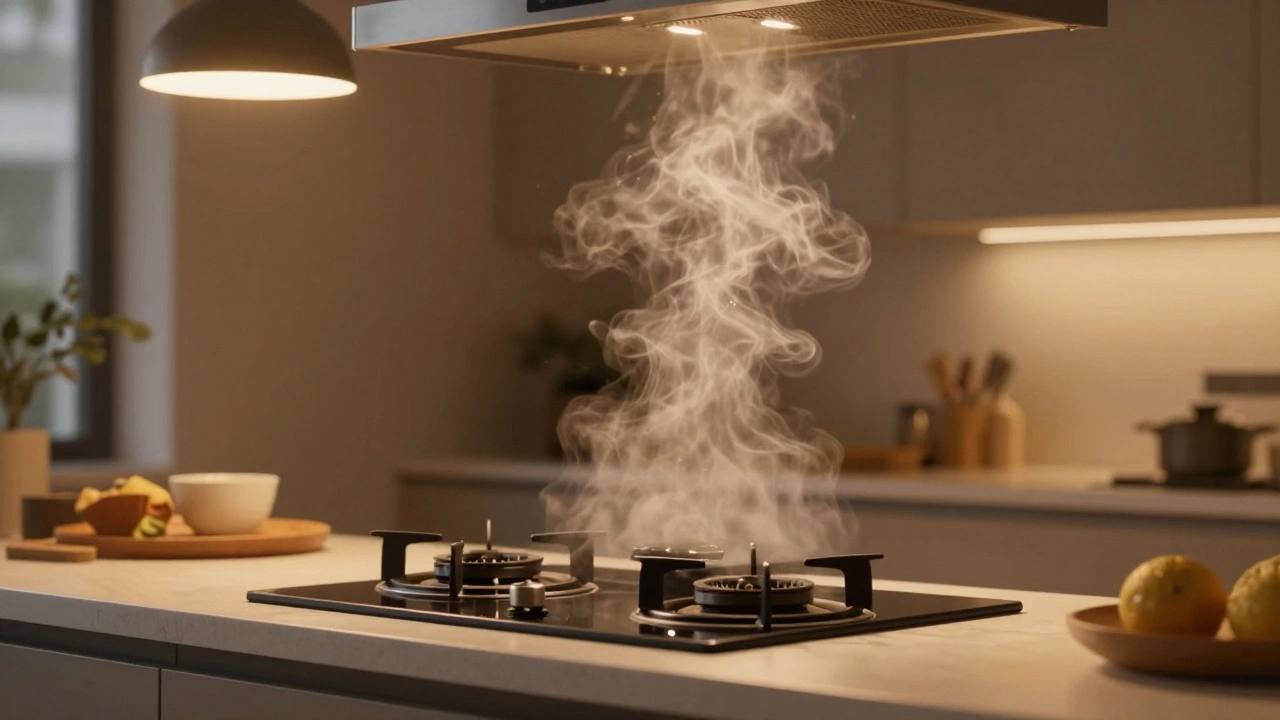
And it’s not just bathrooms. Kitchens-even small ones-release grease, steam, and odors. Cooking fried food without ventilation leaves a greasy film on everything. Cabinets get sticky. Light switches become hard to press. That’s not just messy-it’s a fire risk. Grease buildup in ducts can ignite. The National Fire Protection Association reports that cooking is the leading cause of home fires in the U.S. Proper ventilation reduces that risk.
What Are the Alternatives?
If your extractor fan is broken and you’re not ready to replace it, here’s what you can do temporarily:
- Run a dehumidifier in the bathroom or kitchen after showering or cooking. It won’t replace airflow, but it pulls moisture out of the air.
- Wipe down walls and windows after every shower. Use a squeegee or microfiber cloth. Do this daily. It stops mold from taking root.
- Keep doors open after showering to let air circulate. Don’t close the bathroom door-it traps steam.
- Use exhaust fans in other rooms if available. A fan in the hallway or living room can help pull air out if windows are open.
These are stopgaps. They’re not replacements. A fan moves air. Dehumidifiers collect water. Wiping surfaces removes what’s already there. None of them fix the root problem: you need air to leave the room.
How to Choose a Replacement Fan
If you’re ready to install a new one, here’s what to look for:
- CFM rating: For bathrooms, get at least 1 CFM per square foot. A 60-square-foot bathroom needs a 60 CFM fan. For kitchens, aim for 100 CFM minimum.
- Noise level: Look for fans rated under 1.0 sone. Anything louder than that is annoying to live with.
- Humidity sensor: Some fans turn on automatically when moisture rises. These are worth the extra $20-$40.
- Timer function: Lets the fan run for 10-20 minutes after you leave the room. Ensures full moisture removal.
- Energy Star certified: Uses less electricity and lasts longer.
Brands like Broan, Panasonic, and Vent-A-Hood have reliable models that fit most standard openings. Installation usually takes under an hour if you’re replacing an old unit. If you’re adding one where there wasn’t one before, you’ll need to cut a hole in the ceiling or wall and run ducting to the outside. That’s a job for a pro-unless you’re comfortable with basic DIY.
What Happens If You Just Ignore It?
Ignoring a broken or missing extractor fan isn’t harmless. It’s a slow burn.
First, you’ll see condensation. Then, mildew. Then, mold. Then, structural damage. Then, health problems. People with asthma or allergies often report worse symptoms in homes without proper ventilation. Children and elderly people are especially vulnerable.
One 2024 study from the University of Manchester tracked 200 homes over 18 months. Homes without extractor fans had 68% more respiratory complaints than homes with working fans-even when other factors like smoking or pets were controlled.
And the cost? The average homeowner spends $1,200 to fix mold damage. The average cost to install a new extractor fan? $250. That’s a 5-to-1 return on investment in peace of mind and home value.
Final Answer: Is It OK Not to Have an Extractor Fan?
No, it’s not OK. Not in the kitchen. Not in the bathroom. Not even in a small apartment.
It’s not about being fancy. It’s about keeping your home safe, dry, and healthy. Moisture doesn’t care if you think the fan is unnecessary. It doesn’t care if you’re too busy to fix it. It just waits-and then it grows.
If your fan is broken, fix it. If you never had one, install one. It’s one of the cheapest, easiest, and most effective things you can do for your home. You won’t notice it working-but you’ll definitely notice what happens when it’s gone.
Do I need an extractor fan if I have a window?
A window helps, but it’s not enough. Windows rely on wind and temperature to move air, which is unreliable. An extractor fan actively pulls moisture out, even on still, humid days. In cold weather, opening a window wastes heat. In humid climates, it can add more moisture. A fan is the only consistent solution.
Can I use a portable air purifier instead of a fan?
No. Air purifiers clean the air-they don’t remove moisture. They filter dust and allergens, but they don’t extract steam or humidity. Without moving air out of the room, moisture will still settle on surfaces and cause mold. You need ventilation, not filtration.
How often should I clean my extractor fan?
Clean the grill and filter every 3 months. If you cook a lot or have pets, clean it monthly. Dust and grease clog the fan, making it less effective and louder. Take off the cover, wipe it with warm soapy water, and let it dry before reattaching. Check the duct for blockages once a year.
Is a smart extractor fan worth the extra cost?
Yes, if you forget to turn it on. Smart fans with humidity sensors turn on automatically when moisture rises and shut off when the air is dry. They save energy and prevent damage without you lifting a finger. The $20-$40 extra pays for itself in reduced mold risk and lower heating bills.
Can I install an extractor fan myself?
If you’re replacing an old fan in the same spot, yes. It’s a simple swap-disconnect the old wires, mount the new unit, connect the duct, and plug it in. But if you’re adding a fan where there was none, you’ll need to cut into the ceiling or wall and run ducting to the outside. That’s more complex and may require a permit. If you’re unsure, hire a professional.