Electric Oven Compatibility Checker
Your Oven Setup Check
Result
You bought a new electric oven. It’s sleek, modern, and promises perfect roasts. You unbox it, roll it into place, and think: Can I just plug it in and start baking? It seems simple - after all, your toaster and coffee maker just go into a regular outlet. But an electric oven? That’s a whole different story.
It’s Not a Plug-and-Play Appliance
Most household appliances - toasters, blenders, microwaves - run on 120 volts. They plug into standard wall outlets. But electric ovens? They need 240 volts. That’s double the power. And they don’t use your regular outlet. They need a special, heavy-duty socket, usually found in the kitchen wall near the floor. If your home doesn’t have one already, you can’t just plug it in. No matter how hard you try.
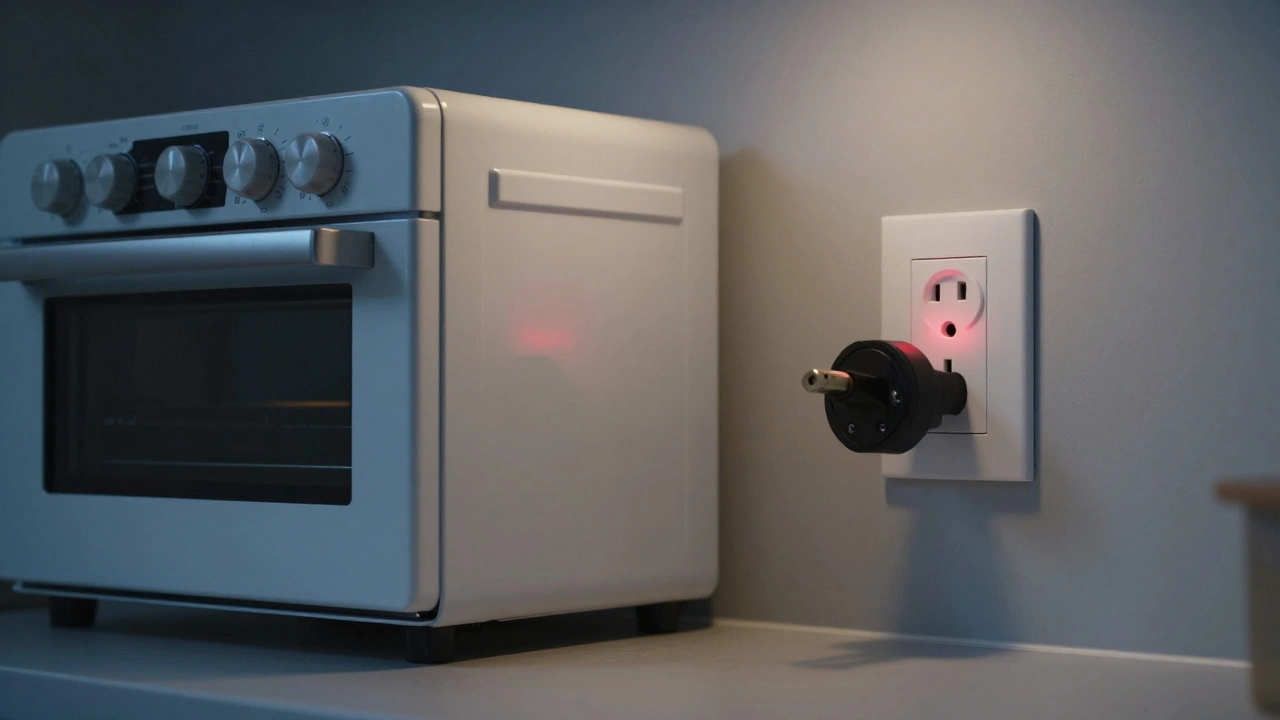
Trying to force a 240-volt oven into a 120-volt outlet won’t work. The plug won’t fit. Even if you somehow made it fit - which you shouldn’t - the circuit wouldn’t handle the load. You’d trip the breaker every time you turned it on. Worse, you could overheat the wiring, melt insulation, or even start a fire.
What’s Under the Kitchen Floor?
Electric ovens need a dedicated circuit. That means a single wire running straight from your main electrical panel, with no other devices sharing it. Why? Because ovens draw a lot of current - usually between 30 and 50 amps. A typical kitchen outlet handles only 15 or 20 amps. If you tried to run an oven off a shared circuit, you’d overload it. Lights would dim. Other appliances would shut off. And your breaker would keep popping.
The wiring for this circuit is thick - usually 8-gauge or 6-gauge copper. It’s not the thin, flexible wire you see in extension cords. It’s rigid, insulated, and built to carry heavy loads safely. The outlet itself is a NEMA 6-50 or NEMA 14-50 receptacle. It looks like a fat, square socket with three or four prongs. Your new oven’s plug matches this. If you don’t have one, you can’t plug it in. Period.
Old Homes, New Ovens - A Common Problem
If you live in a house built before 1990, chances are you don’t have the right outlet. Back then, many homes had 3-prong outlets for ovens. Today’s safety codes require a 4-prong outlet with a separate ground wire. That’s because older wiring didn’t always separate neutral and ground. It was a risk. Now, all new ovens come with 4-prong plugs. If your outlet is still 3-prong, you can’t plug in the new oven - even if it looks like it might fit.
Some people try to adapt. They cut the plug off. They swap wires. They use an adapter. Don’t. That’s not a fix. That’s a hazard. Electrical codes exist for a reason. They’re based on decades of fire data, injury reports, and engineering standards. Cutting corners here doesn’t save money - it just moves the risk to your family.
What You Actually Need to Do
Installing a new electric oven isn’t a DIY project unless you’re a licensed electrician. Here’s what needs to happen:
- Check if your kitchen has a dedicated 240-volt outlet. Look for a large, rectangular socket near the floor. If it’s there and has four prongs (two hot, one neutral, one ground), you’re good.
- If the outlet is there but looks old or damaged - don’t plug in. Have it tested. Corroded terminals, loose wires, or cracked housing can cause arcing and overheating.
- If there’s no outlet? You need a licensed electrician to run a new circuit from your main panel. This means drilling through walls, installing a new breaker, and mounting the outlet. It takes a few hours. It costs between $400 and $800 in New Zealand, depending on your home’s layout.
- Once the circuit is ready, you can plug in the oven. But don’t just turn it on. Read the manual. Some ovens need to be leveled. Others require gas line hookups if they have a grill. Follow the steps.
Why Not Just Use an Extension Cord?
You’ve probably seen people plug space heaters or air conditioners into heavy-duty extension cords. Surely, you think, an oven is just a bigger version? No. Extension cords are not rated for permanent appliance use. They’re designed for temporary, low-heat, low-load tools. An oven runs for hours at high temperatures. The cord will heat up. The insulation will degrade. The plug will loosen. And then - pop. Smoke. Fire.
Even the thickest 10-gauge extension cord you can buy isn’t meant for this. It’s not just about current. It’s about heat buildup over time. The National Electrical Code bans extension cords for fixed appliances like ovens. And insurance companies won’t cover damage caused by one.
What If Your Circuit Is Already There?
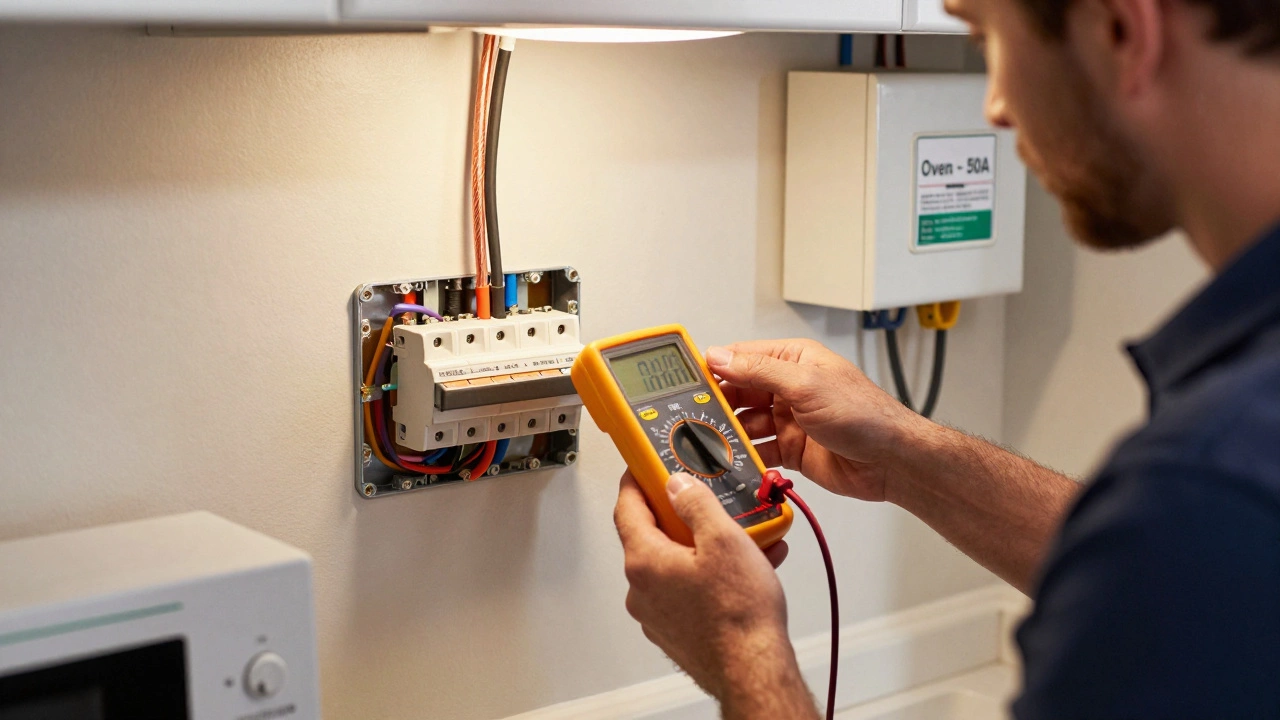
Great! But don’t assume it’s safe. Just because the outlet exists doesn’t mean it’s wired correctly. Many older circuits have the neutral and ground bonded together - which is unsafe for modern ovens. A qualified electrician should test the voltage, check the grounding, and verify the breaker size. They’ll use a multimeter to confirm:
- 240 volts between the two hot wires
- 120 volts between each hot wire and neutral
- Less than 1 ohm resistance between ground and earth
If any of these are off, your oven won’t work right. It might heat unevenly. The control panel might glitch. Or worse - the metal frame could become live. Touch it, and you get shocked. That’s why testing isn’t optional. It’s essential.
What Happens If You Ignore This?
Some people do it anyway. They plug in the oven. It works for a week. Then the breaker trips. They reset it. It trips again. They start ignoring it. That’s when things get dangerous.
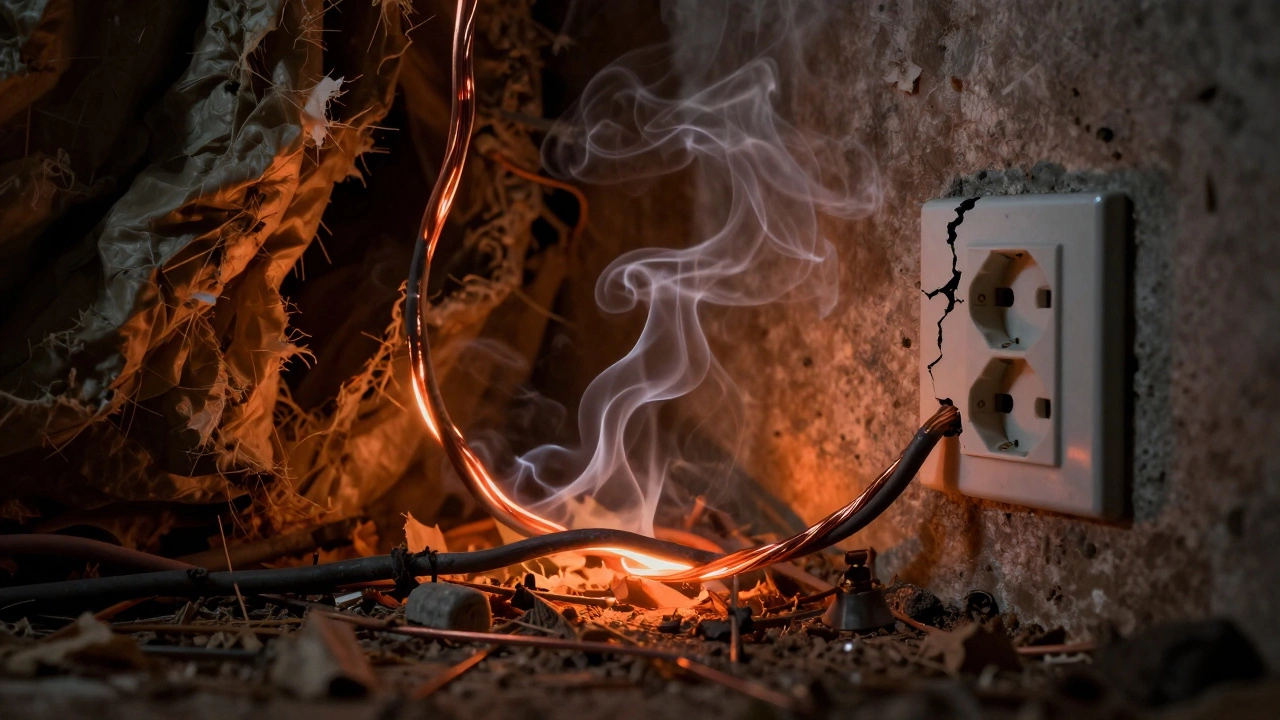
Overloaded circuits cause wires to overheat. The insulation melts. The copper inside starts to oxidize. That creates resistance. More resistance means more heat. It’s a feedback loop. Eventually, the wire catches fire inside the wall. You won’t smell smoke right away. The fire starts behind drywall. By the time you notice, it’s already spreading.
In Auckland, there were 17 kitchen fires in 2025 linked to improper oven installations. Half of them came from people trying to save money by skipping the electrician. Insurance claims for these fires averaged $28,000. The cost to fix the circuit? $600.
Bottom Line: Don’t Guess. Get Help.
You can’t just plug in a new electric oven. Not unless your home has the right outlet, the right wiring, and the right circuit. If you’re not sure - don’t risk it. Call a licensed electrician. They’ll check your panel, test your wiring, and install the right outlet if needed. It’s not expensive. It’s not complicated. But it’s critical.
Electric ovens are powerful. They’re convenient. But they’re not toys. They’re appliances that demand respect. Treat them like you’d treat a gas stove - with care, knowledge, and professional help when needed. Your kitchen, your home, and your family are worth it.
Can I plug my new electric oven into a regular wall outlet?
No. Standard wall outlets provide 120 volts, but electric ovens require 240 volts. The plug won’t fit, and forcing it could damage your wiring or cause a fire. You need a dedicated 240-volt circuit with a NEMA 6-50 or 14-50 outlet.
Why do electric ovens need their own circuit?
Electric ovens draw 30 to 50 amps of current - far more than a regular circuit (15-20 amps) can handle. Sharing a circuit can overload it, trip breakers constantly, or cause overheating. A dedicated circuit ensures the oven has enough power without affecting other appliances.
Is it safe to use an extension cord for my electric oven?
Absolutely not. Extension cords aren’t designed for permanent, high-heat appliances. They overheat under the oven’s load, melt insulation, and can start fires. The National Electrical Code prohibits this. Insurance won’t cover damage from using one.
My old oven had a 3-prong plug. Can I plug the new one in the same way?
No. Modern ovens require a 4-prong plug with a separate ground wire for safety. Older 3-prong outlets bond neutral and ground, which can create shock hazards. You need a new 4-prong outlet installed by a licensed electrician. Adapters or rewiring the plug are unsafe and violate electrical codes.
How much does it cost to install a new circuit for an electric oven?
In New Zealand, installing a dedicated 240-volt circuit typically costs between $400 and $800. The price depends on your home’s layout, how far the panel is from the oven, and whether walls need to be opened. This is far cheaper than repairing fire damage or replacing a ruined kitchen.