Boiler Cost Estimator
Estimated Total
Breakdown Details:
There is nothing quite as stressful as coming home to cold radiators and no hot water. When your heating system fails, the immediate question isn't just about comfort-it's about money. You need to know exactly how much a new boiler will cost before you sign any contracts or let technicians start tearing up your kitchen floor. The short answer? In 2026, you are looking at anywhere from £1,800 to £4,500 for a complete supply-and-fit job. But that range is too wide to be useful on its own. To get a fair deal, you need to understand what drives that price up or down.
Many homeowners get blindsided by hidden fees or upsold features they don't need. This guide breaks down the real costs of replacing your boiler, from the unit itself to the labor and necessary upgrades. We will look at different types of systems, regional price variations, and the specific signs that tell you whether repair or replacement is the smarter financial move. By the end, you will have a clear budget and the confidence to negotiate with installers.
The Base Cost: Unit vs. Installation
To understand the total bill, you first need to separate the hardware from the labor. A brand-new condensing boiler is the standard efficient heating unit required by law in most regions since 2005 typically costs between £800 and £1,500 if you were to buy it off the shelf. However, you cannot simply swap it out yourself. Gas work requires certified professionals due to strict safety regulations.
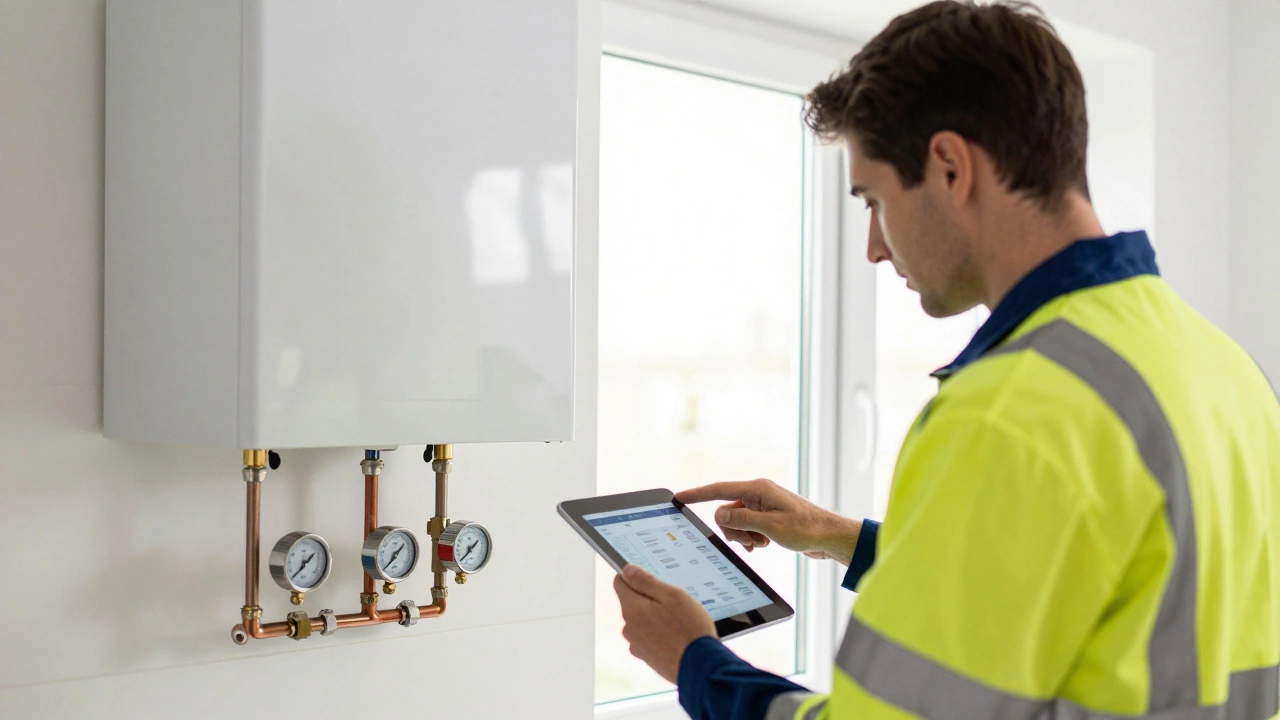
Labor usually accounts for 40% to 50% of the total project cost. A straightforward "like-for-like" replacement-where the new boiler goes in the exact same spot with the existing pipework and flue-takes a qualified engineer about four to six hours. For this service, expect to pay between £600 and £900 in labor alone. If the job involves moving the boiler to a different room, upgrading the flue, or changing the pipe size, the labor time doubles, and so does the cost.
Here is a quick breakdown of what influences the base price:
- Brand Tier: Premium brands like Vaillant or Viessmann often cost 20-30% more than budget-friendly options like Ideal or Worcester Bosch entry models. They offer longer warranties and slightly better efficiency ratings.
- Warranty Length: Standard warranties are five years. Extending this to seven or ten years usually requires an annual maintenance plan, adding £30-£50 per year to your long-term costs.
- Certification: Ensure the installer is Gas Safe registered (in the UK) or holds equivalent local certification. Cheap labor from uncertified workers voids insurance and poses explosion risks.
Choosing the Right System Type
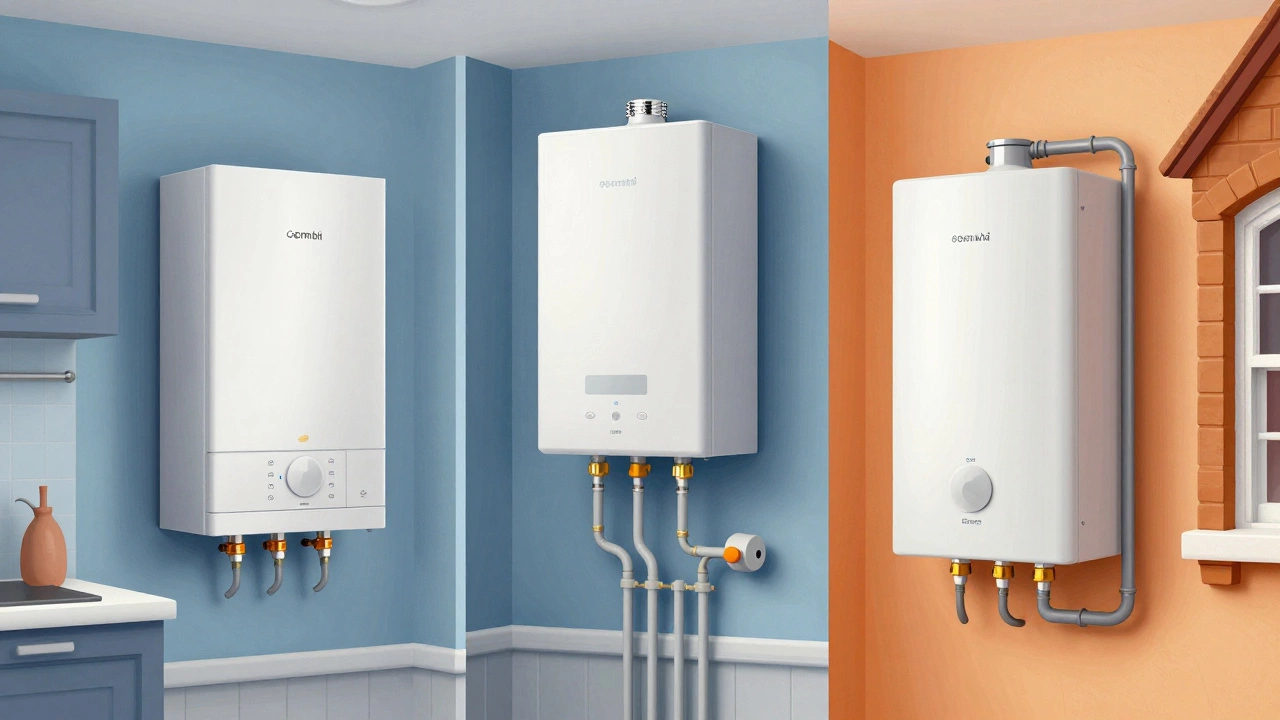
Not all boilers are created equal, and picking the wrong type can lead to massive additional expenses later. The three main types you will encounter are Combi, System, and Regular (Heat Only) boilers. Each serves a different home layout and has a distinct price point.
| Boiler Type | Best For | Average Installed Cost | Key Pros |
|---|---|---|---|
| Combi Boiler | Small to medium homes with one bathroom | £1,800 - £2,500 | No tank needed, instant hot water, space-saving |
| System Boiler | Larger homes with multiple bathrooms | £2,200 - £3,000 | High flow rate, works with hot water cylinder |
| Regular (Heat Only) | Older properties with existing tanks | £1,900 - £2,700 | Low pressure compatible, cheaper unit cost |
A Combi boiler is a combination boiler that heats water directly from the mains, eliminating the need for a cold water tank or hot water cylinder. These are the most popular choice for modern apartments and smaller houses because they save space. If you already have a combi and it’s failing, sticking with a combi is usually the cheapest route. Switching from a regular boiler to a combi is called a "change of system," and it can add £1,000 or more to the bill because plumbers must remove old tanks and re-pipe the entire house.
If you have a large family and two bathrooms, a combi might struggle to provide enough hot water simultaneously. In that case, a System boiler is worth the extra investment. It connects to a hot water cylinder, storing heat for high-demand periods. While the upfront cost is higher, the comfort payoff during winter showers is significant.
Hidden Costs and Necessary Upgrades
This is where most budgets blow up. When an engineer arrives, they might say, "Your boiler is fine, but your controls are obsolete." Or, "The pipework is corroded." These aren't always upsells; sometimes, they are genuine safety or efficiency requirements. Here are the common extras that affect your final invoice.
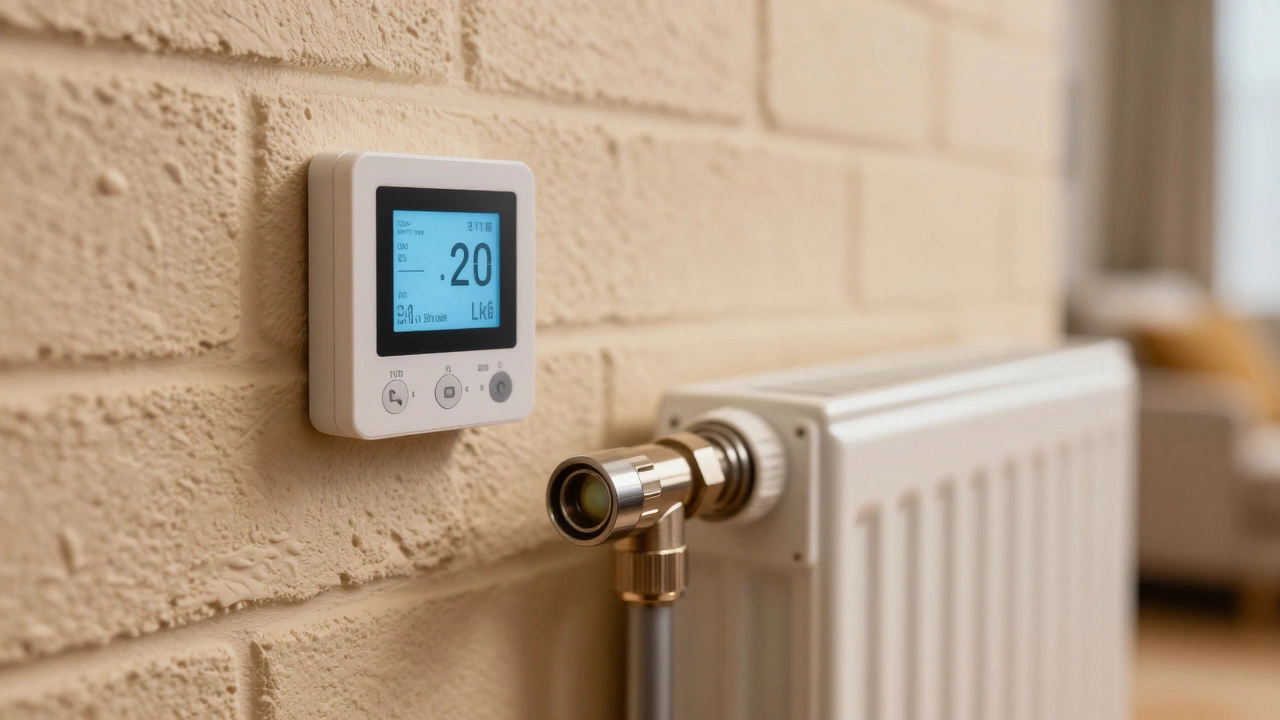
Smart Thermostats and Controls: Older manual thermostats waste energy. Installing a smart thermostat like Nest or Hive can reduce heating bills by up to 20%. Adding these to your boiler installation costs between £150 and £300. Many installers include basic programmer upgrades in their quote, but premium smart hubs are often optional add-ons.
Pipework Relocation: If you want to move the boiler from the kitchen to the utility room, you are paying for cosmetic work as well as plumbing. Chasing walls, running new pipes, and patching plaster can add £500-£800. It’s a trade-off: higher upfront cost for better aesthetics and noise reduction in living areas.
Power Flush: Before installing a new boiler, engineers should perform a power flush to clean rust and sludge from your radiators. This protects the new unit’s warranty. Expect to pay £200-£300 for this service. Skipping it might save money now but could lead to premature failure and voided warranties later.
Magnetic Filters: Similar to the power flush, a magnetic filter traps debris before it enters the boiler. At £100-£150, it’s a small price for extended lifespan. Ask your installer if this is included; many reputable companies now bundle it.
Repair vs. Replace: Making the Financial Decision
Just because your boiler is making noise or losing pressure doesn’t mean you need a new one. Determining when to cut your losses and replace the unit is crucial. Use this simple rule of thumb: if the repair cost exceeds 50% of the price of a new boiler, replace it.
Consider the age of your current unit. Boilers typically last 10-15 years. If yours is 12 years old and needs a new heat exchanger (£400+), it’s not worth fixing. You’re likely to face another major failure within two years. On the other hand, if your boiler is five years old and just needs a faulty pump (£150), repair is the obvious choice.
Efficiency also plays a role. Older non-condensing boilers operate at around 60-70% efficiency. Modern condensing boilers hit 90%+. If you’re paying high energy bills, switching to a new unit can pay for itself in savings over five to seven years. Calculate your annual fuel bill; if it’s over £1,500, the ROI on a new efficient boiler is strong.
For those interested in exploring other aspects of home management and services, such as finding verified local providers for various needs, resources like this directory demonstrate how specialized platforms can help users navigate complex service markets, though for boiler work, always stick to certified engineering tradesmen.
Financing and Grants
Paying £3,000 upfront is difficult for many households. Fortunately, there are ways to spread the cost or even get partial funding.
Interest-Free Credit: Many boiler manufacturers and installers offer 0% finance plans for 12-24 months. This allows you to replace the unit without immediate cash strain. Read the terms carefully; some plans charge interest retroactively if you miss a single payment.
Government Grants: Depending on your location and income level, you may qualify for energy efficiency grants. In the UK, the Boiler Upgrade Scheme offers vouchers for heat pumps, but gas boiler grants are limited to low-income households through the Great British Insulation Scheme. Check your local government website for current eligibility criteria. These programs change frequently, so verify details before relying on them.
Insurance Coverage: Home contents or buildings insurance rarely covers boiler replacement unless it’s due to accidental damage (like flooding). Most policies only cover emergency call-out fees. Review your policy documents; if you have a dedicated appliance protection plan, it might cover parts and labor. Call your insurer before hiring anyone to ensure you don’t void coverage.
Getting Accurate Quotes
Never accept the first quote you receive. Prices vary wildly between companies. Get at least three written estimates. Each quote should break down the cost of the boiler, labor, VAT, and any additional works. Be wary of quotes that seem too good to be true-they often use cheap, unreliable units or unqualified labor.
Ask specific questions:
- Is the price inclusive of VAT?
- Does it include a power flush and magnetic filter?
- What is the warranty period on both the part and the labor?
- Are there any potential extra costs if unexpected issues arise?
A professional installer will visit your home, assess your current system, and provide a detailed quote. Avoid phone-only quotes for complex jobs. If an engineer refuses to inspect the property, walk away. Transparency is key to avoiding surprise charges on installation day.
How long does a new boiler last?
A properly maintained new boiler typically lasts between 10 and 15 years. Regular annual servicing can extend this lifespan by several years. Factors like water quality, usage patterns, and initial installation quality also play significant roles in longevity.
Can I install a boiler myself?
No, installing a gas boiler yourself is illegal and extremely dangerous in most countries. You must hire a certified professional, such as a Gas Safe registered engineer in the UK. DIY installation voids insurance, violates building codes, and risks carbon monoxide poisoning or explosions.
Is it worth buying a more expensive boiler?
Premium boilers often come with longer warranties (up to 12 years) and slightly higher efficiency ratings (92% vs 89%). If you plan to stay in your home for over a decade, the extra cost pays off in reliability and lower energy bills. For short-term owners, a mid-range model is sufficient.
What happens if my boiler breaks down in winter?
Emergency call-outs cost significantly more, often double the standard rate. Many companies charge premium rates for weekend or evening visits. If possible, wait until business hours. Have a temporary electric heater ready for warmth while waiting for the engineer.
Do I need a new flue for a new boiler?
Not necessarily. If your existing flue is in good condition and compatible with the new boiler’s specifications, you can reuse it. However, older flues may not meet current safety standards. The installer will inspect it and advise if replacement is needed, which adds £100-£300 to the cost.