Pressure Cooker Safety Audit
Safety Checklist
Select all statements that apply to your current setup.
Your Safety Score
Immediate Action Needed
Your habits indicate a high likelihood of clogged vents or seal failure. Review the checklist above immediately to prevent accidents.
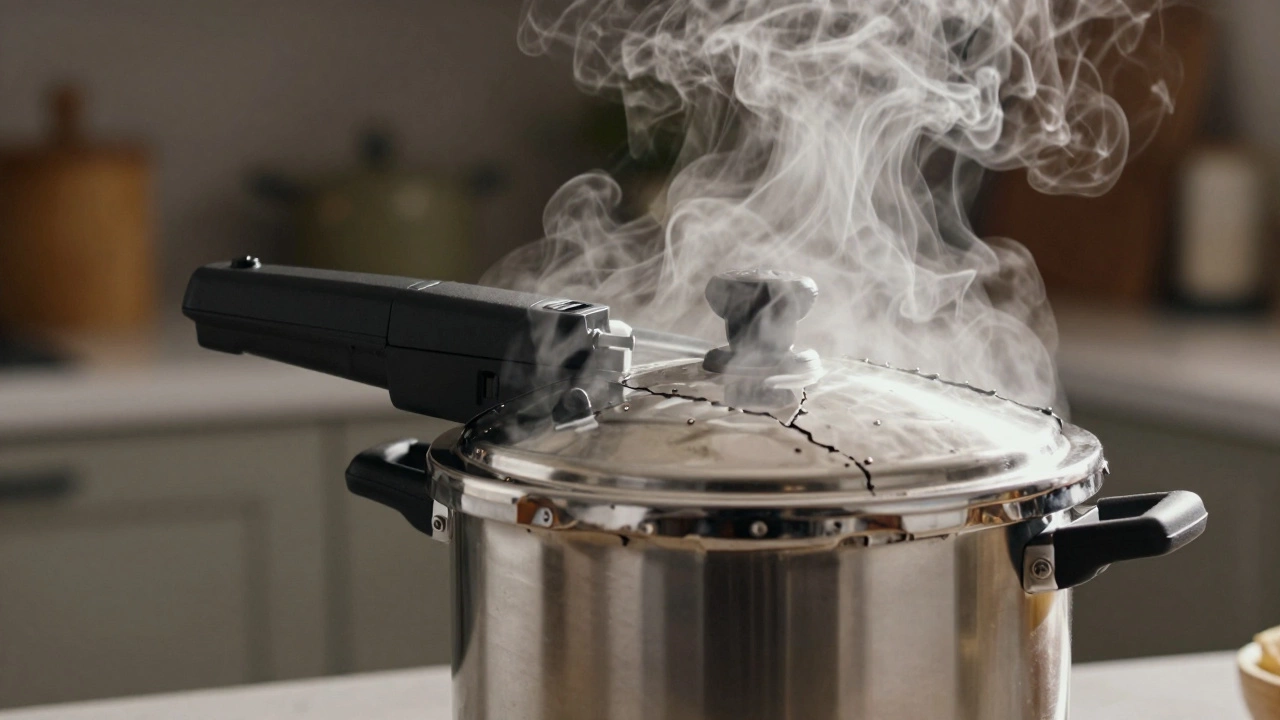
Imagine you are in the middle of a busy weeknight. You have set your pressure cooker to make a tough cut of meat tender in half the time. You walk away for five minutes to answer the door or check on the kids. Then, you hear it-a loud bang, followed by the smell of burnt food and steam filling the kitchen. It is a nightmare scenario that every home cook fears. While modern appliances are built with multiple safety layers, a pressure cooker bursting or exploding is still a real risk if certain conditions are ignored.
The short answer is that a cooker bursts because internal pressure exceeds the vessel's structural limits. This happens when steam cannot escape through the designated vents, causing the metal to weaken and eventually fail. But the reasons why this blockage occurs vary wildly. From simple user error to mechanical failure, understanding these causes is the only way to prevent disaster.
The Physics of a Burst: Why Steam Is Dangerous
To understand why a pressure pot fails, you need to look at what is happening inside. A pressure cooker works by trapping steam generated from boiling water. As the temperature rises, so does the pressure. At standard atmospheric pressure, water boils at 100°C (212°F). Inside a sealed cooker, the pressure can reach 15 pounds per square inch (PSI), raising the boiling point to around 121°C (250°F). This high heat cooks food faster.
However, steam takes up significantly more space than liquid water. If that steam has nowhere to go, the pressure keeps climbing. Metal has a breaking point. When the internal force pushes against the lid and walls harder than the material can withstand, the weakest link gives way. In older models or poorly maintained units, this weak link might be the hinge, the locking mechanism, or even the body of the pot itself. The result is an explosive release of superheated steam and hot food, which can cause severe burns and property damage.
Common User Errors That Lead to Explosions
Most accidents involving pressure cookers are not due to manufacturing defects but rather human error. Even experienced cooks can slip up. Here are the most frequent mistakes that lead to dangerous pressure buildup.
- Overfilling the Pot: Every manual states clearly: do not fill past the maximum line. For foods that expand, like rice, beans, or oatmeal, you should only fill the pot one-third full. For soups and stews, half-full is the limit. If the pot is too full, the food can foam up and clog the pressure release valve. Once that valve is blocked, steam has no exit, and pressure spikes uncontrollably.
- Using Too Little Liquid: You need enough liquid to generate steam. If you run out of water before the cooking cycle is complete, the food will burn onto the bottom. This burnt layer acts as an insulator, preventing heat distribution and potentially damaging the heating element in electric models. More dangerously, dry heat can warp the sealing ring or damage the vent pipe, leading to leaks or blockages.
- Ignoring the Vent Position: Before turning on the heat, ensure the pressure release valve is in the correct position. In many stovetop models, if the valve is stuck or manually turned to "sealed" when it should be venting, pressure builds instantly without regulation. Always check that the valve moves freely before starting.
- Forcing the Lid Open: Never try to force open a pressurized lid. Modern cookers have locks that prevent opening under pressure. If you pry at it, you might break the locking pins or the handle. This compromises the seal. Next time you use it, the lid might not lock properly, allowing steam to spray out violently or causing the lid to pop off entirely.
Mechanical Failures: When Parts Wear Out
Even if you follow all the rules, parts wear out over time. A pressure cooker repair often focuses on these specific components because they are critical for safety. Ignoring signs of wear is a major cause of sudden failures.
The Sealing Ring (Gasket)
The silicone or rubber gasket creates the airtight seal between the lid and the pot. Over time, this ring becomes brittle, cracked, or stretched. A compromised gasket allows steam to leak out during cooking. While this usually results in a hissing sound and longer cooking times, it can also indicate that the pressure is not being regulated correctly. In some cases, a degraded gasket can dislodge and clog the vent pipe, creating a blockage that leads to excessive pressure buildup.
The Pressure Release Valve
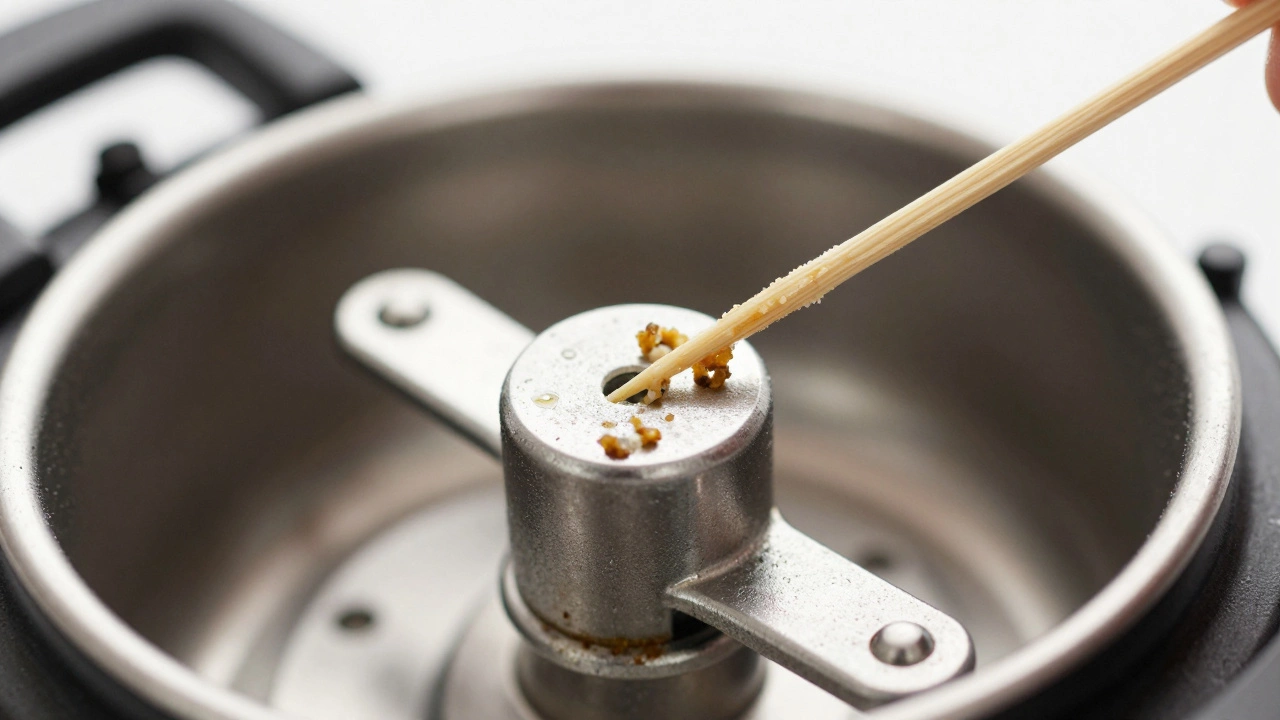
This is the most important safety component. It is designed to pop open at a specific PSI to let excess steam escape. Food particles, especially starches from rice or pasta, can harden inside the valve’s tiny holes. If the valve is clogged, it cannot release pressure. Many users forget to clean this part after every use. A quick rinse and a check with a toothpick to clear debris can save your life.
The Float Valve
In newer models, a float valve rises when pressure is reached and drops when pressure is released. If this valve sticks in the "up" position due to corrosion or food debris, the cooker may think it is still pressurized even when it is not, or vice versa. This confusion can interfere with the automatic safety cutoffs in electric models.
Differences Between Stovetop and Electric Models
The risks differ slightly depending on the type of cooker you own. Understanding these differences helps you know where to focus your maintenance efforts.
| Feature | Stovetop Pressure Cooker | Electric Pressure Cooker (e.g., Instant Pot) |
|---|---|---|
| Heat Source Control | User-controlled flame. Risk of overheating if left unattended. | Automated thermostat. Less risk of direct overheating. |
| Primary Failure Point | Clogged weight valve or warped lid from high flame. | Faulty sensors, software glitches, or worn heating plate. |
| Safety Mechanisms | Usually one primary weight valve. Older models may lack secondary vents. | Multiple redundant sensors, auto-shutoff, and lid locks. |
| Burst Likelihood | Higher if user ignores warnings or uses high heat constantly. | Extremely low due to electronic safeguards, but not impossible. |
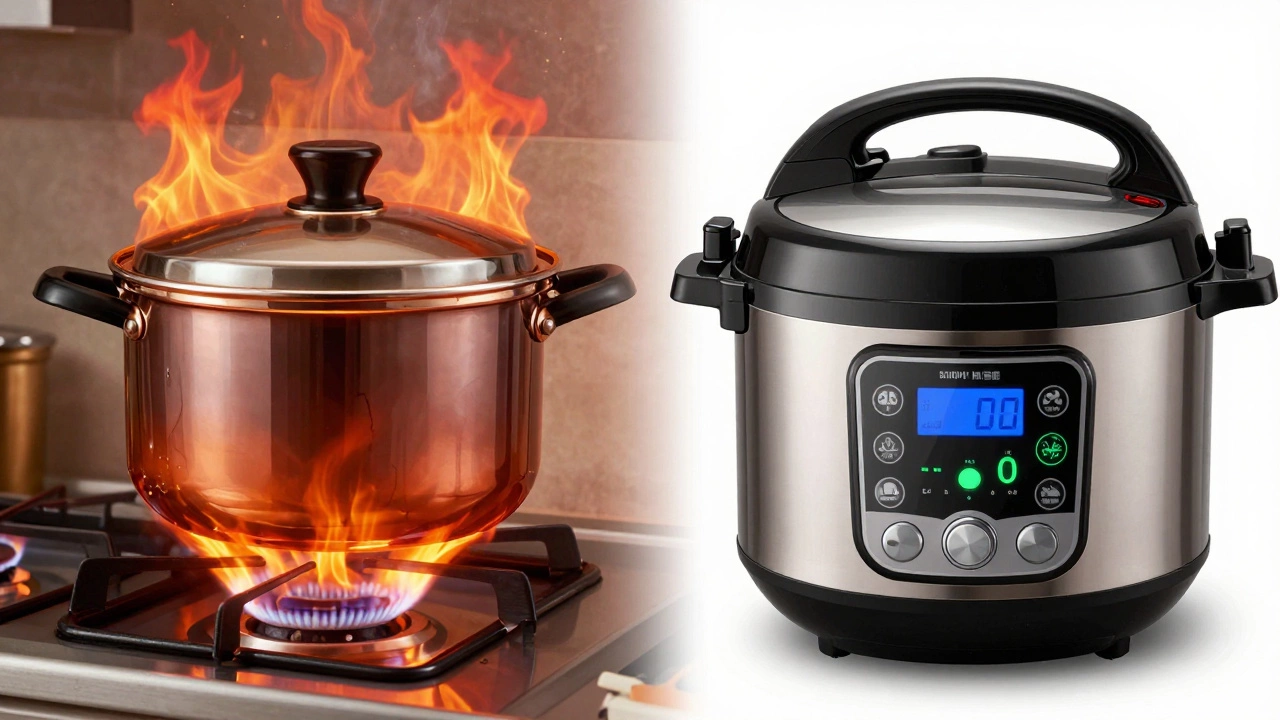
Stovetop cookers rely heavily on the user to manage the flame. If you leave a stovetop cooker on high heat for too long, the metal can weaken, and the pressure weight may rattle excessively, indicating it is struggling to keep up. Electric models, on the other hand, have computer chips that monitor temperature and pressure. They are much safer, but they are not invincible. A faulty sensor could fail to detect rising pressure, though this is rare. The main risk with electric models is usually improper cleaning leading to clogged vents, similar to stovetop versions.
Signs Your Cooker Is About to Fail
You don’t have to wait for an explosion to know something is wrong. Pay attention to these warning signs during operation. If you notice any of these, turn off the heat immediately and let the cooker cool down naturally.
- Excessive Hissing: A small amount of steam from the vent is normal. But if steam is spraying forcefully from the sides of the lid or the handle joints, the seal is broken. Stop using it until the gasket is replaced.
- Rattling Weight Valve: On stovetop models, the weight should jiggle steadily. If it screams loudly or vibrates violently, the pressure is too high. Reduce the heat immediately.
- Burnt Smell Without Food Contact: If you smell burning plastic or metal before the food is done, the heating element (in electric models) or the base (in stovetop models) may be damaged. Unplug or remove from heat.
- Lid Won’t Lock Properly: If the lid feels loose or doesn’t click into place securely, do not attempt to cook. The locking mechanism may be stripped or bent.
Prevention and Maintenance Checklist
Preventing a burst is largely about routine care. Treat your pressure cooker like a car-it needs regular checks to run safely. Here is a simple maintenance routine.
- Clean the Vents After Every Use: Wash the pressure release valve and the anti-block shield. Use a soft brush or toothpick to remove any stuck-on food. Ensure the hole is completely clear.
- Inspect the Gasket Monthly: Look for cracks, tears, or permanent stretching. If the ring is no longer pliable, replace it. Most manufacturers sell replacement gaskets specifically for your model.
- Check the Lid Alignment: Make sure the lid sits flat on the pot. If the rim is dented or warped, it won’t seal correctly. Replace the lid or the entire unit if the metal is deformed.
- Follow Filling Guidelines: Stick to the 1/3 to 1/2 full rule. It is better to cook two smaller batches than to risk a clog.
- Never Leave It Unattended: Especially with stovetop models, stay in the kitchen while the cooker is pressurizing. Listen for changes in the sound of the vent.
What to Do If You Suspect a Problem
If you suspect your cooker is malfunctioning, do not try to fix it yourself if you are not comfortable with appliance repair. Pressure systems are unforgiving. For minor issues like a dirty valve or a worn gasket, replacement parts are inexpensive and easy to install. Follow the manufacturer’s instructions precisely.
For more complex issues, such as a cracked pot body, a damaged heating plate, or erratic behavior in electric models, contact a professional appliance repair technician. They can test the pressure sensors and verify that the safety mechanisms are functioning within tolerance levels. Remember, a new cooker costs less than medical bills for severe burns. If in doubt, throw it out-or send it for professional service.
Can a pressure cooker explode if I leave it on too long?
Yes, leaving a pressure cooker on high heat for an extended period can cause the internal pressure to exceed safe limits, especially if the release valve becomes clogged with food residue. In electric models, the auto-shutoff feature usually prevents this, but stovetop models rely on user vigilance. If the liquid evaporates completely, the cooker can overheat, damaging the metal and potentially causing a rupture.
How often should I replace the pressure cooker gasket?
You should inspect the gasket every month and replace it every 6 to 12 months, depending on usage frequency. Signs that it needs immediate replacement include visible cracks, stiffness, loss of elasticity, or persistent steam leaking from the lid edges during cooking. A worn gasket is a leading cause of pressure regulation failures.
Is it safe to use a pressure cooker with a dented lid?
No, a dented lid can compromise the seal and the structural integrity of the cooker. Even a small dent near the locking mechanism or the rim can prevent the lid from closing tightly, leading to steam leaks or sudden pressure releases. If the lid is dented, warped, or scratched deeply, it should be replaced immediately.
Why is my pressure cooker making a loud screaming noise?
A loud screaming or whistling noise usually indicates that the pressure release valve is working hard to expel steam, meaning the internal pressure is very high. This can happen if the heat is set too high or if the vent is partially clogged. Immediately reduce the heat to low or off and allow the pressure to drop naturally. Check the vent for blockages once the cooker is cool.
Can electric pressure cookers burst like stovetop ones?
While electric pressure cookers have multiple safety sensors and are statistically much safer, they are not immune to failure. If the sensors malfunction or the vents are severely clogged, pressure can build up. However, most modern electric models have a secondary safety valve that will trigger if the primary system fails, making a catastrophic burst extremely rare compared to older stovetop designs.