Boiler Repair vs. Replace Calculator
Use this tool to help decide whether it's more economical to repair your current boiler or invest in a new one based on age, cost, and efficiency.
Your boiler is likely the most expensive appliance in your home, yet it’s also the one you ignore until the heating stops working. If you’re standing there shivering, wondering if that clanking noise means the end is near, you aren’t alone. The short answer to how long do boilers last is usually between 10 and 15 years for modern condensing models. However, with exceptional care, some units push past 20 years. Without maintenance, they might die before they hit five.
The lifespan isn't just a number on a spec sheet; it’s a result of water quality, usage habits, and how often you let a technician peek inside. In Auckland, where our weather swings from humid summers to chilly winters, your boiler works hard but doesn't face the brutal freeze-thaw cycles of colder climates. Still, neglect is the enemy everywhere. Let’s break down what actually determines whether your boiler survives its warranty or becomes an early casualty.
Factors That Determine Boiler Lifespan
Not all boilers are created equal, and their longevity depends on several critical factors. Think of your boiler like a car engine: if you change the oil (maintenance) and drive it gently (usage), it lasts longer. If you redline it every day and ignore warning lights, it blows up sooner.
- Build Quality: Premium brands often use stainless steel heat exchangers instead of aluminum or copper. Stainless steel resists corrosion better, extending life by 3-5 years compared to budget models.
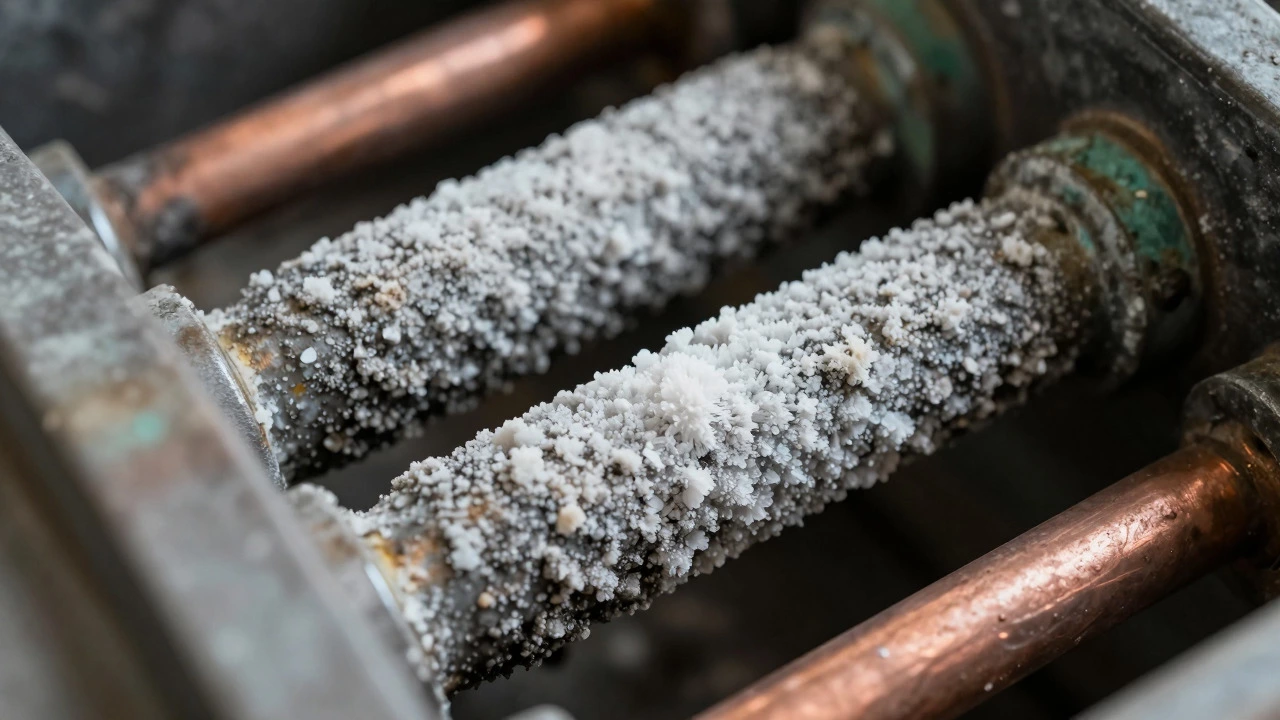
- Water Hardness: This is huge in New Zealand. Auckland has moderately hard water. Minerals like calcium and magnesium build up as limescale inside the pipes and heat exchanger. Limescale acts as an insulator, forcing the boiler to work harder to heat the water. This extra strain accelerates wear and tear.
- Installation Quality: A poorly fitted boiler vibrates more, leaks sooner, and burns fuel inefficiently. If the flue isn't sealed correctly or the pressure isn't set right during install, you're fighting a losing battle from day one.
- Usage Patterns: Running your boiler at maximum temperature constantly creates thermal stress. Frequent switching on and off (short cycling) causes expansion and contraction of metal parts, leading to cracks over time.
Signs Your Boiler Is Reaching the End
You don’t need to be a plumber to know when your boiler is struggling. It will tell you, usually through noise, performance drops, or outright failure. Ignoring these signs doesn’t save money; it just delays the inevitable while increasing repair costs.
- Noise: Kettling (a boiling sound) indicates limescale buildup. Gurgling suggests air in the system or low pressure. Sudden banging could mean a failing pump or loose components.
- Inconsistent Heating: If some radiators are hot and others are cold, or if the water temperature fluctuates wildly, your circulation system or thermostat is likely failing.
- Rising Energy Bills: If your gas bill jumps without you changing your habits, your boiler is losing efficiency. Older boilers can drop from 90% efficiency to 70% or lower as parts degrade.
- Leaks: Small drips from joints or valves are common as seals age. While fixable, persistent leaks indicate systemic corrosion.
- Frequent Breakdowns: If you’ve called for repairs three times in two years, stop patching it. The cost of labor and parts will soon exceed the value of the remaining lifespan.
Maintenance: The Key to Extending Life
This is where most homeowners lose out. They buy a premium boiler and then forget it exists until winter hits. Regular servicing isn’t just about safety; it’s about economics. A serviced boiler runs cleaner, uses less gas, and lasts longer.
In New Zealand, we recommend an annual service. Here’s what a proper service involves:
- Cleaning the Heat Exchanger: Removing soot and limescale ensures efficient heat transfer.
- Checking Gas Pressure: Incorrect pressure leads to incomplete combustion, wasting fuel and creating carbon monoxide risks.
- Inspecting Seals and Valves: Replacing worn gaskets prevents future leaks.
- Testing Safety Devices: Ensuring the flame sensor and pressure relief valve work correctly.
- Flushing the System: For systems with central heating, power flushing removes sludge and magnetite that clog pipes and damage pumps.
If you live in Auckland, consider installing a water softener if your local supply is particularly hard. It reduces limescale formation significantly, protecting not just your boiler but your taps, showers, and washing machine too.
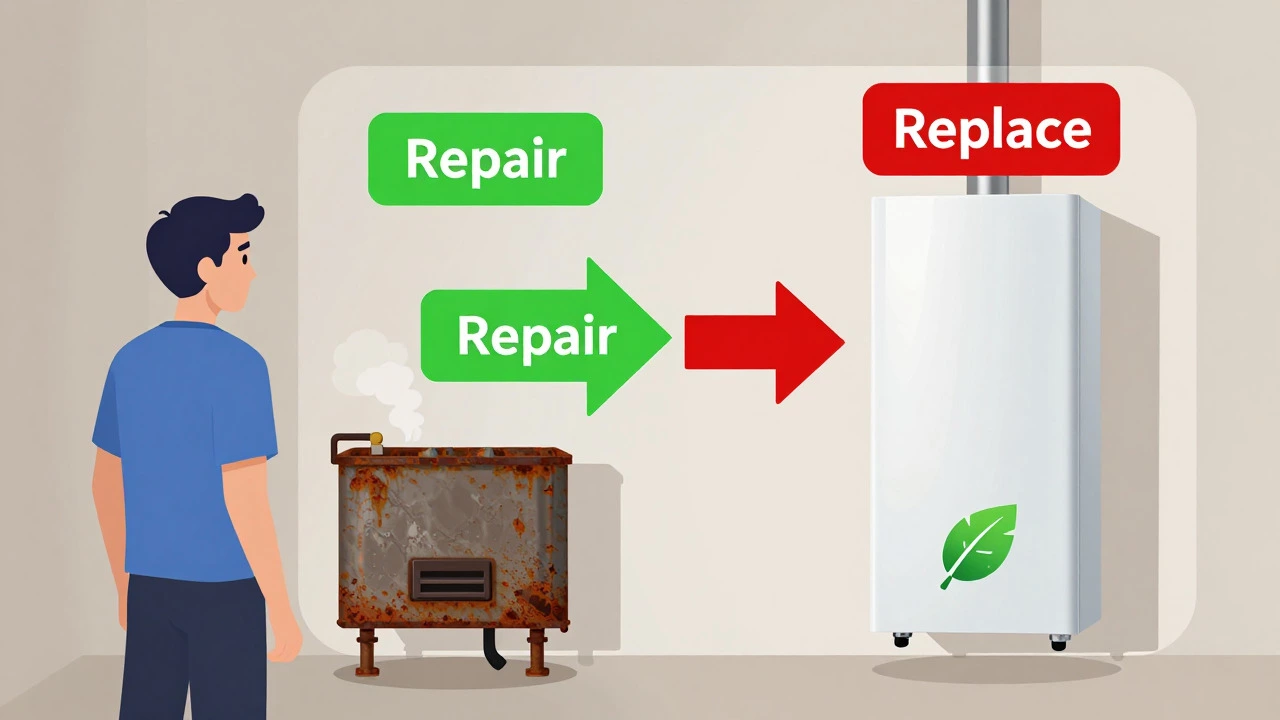
Repair vs. Replace: Making the Right Choice
So, your boiler is making noises and costing you more to run. Do you fix it or buy a new one? There’s no one-size-fits-all answer, but here’s a practical framework to help you decide.
| Factor | Lean Toward Repair | Lean Toward Replace |
|---|---|---|
| Age of Boiler | Less than 8 years | Over 12-15 years |
| Cost of Repair | Less than 50% of new unit cost | More than 50% of new unit cost |
| Efficiency | Still relatively efficient (above 85%) | Noticeably higher bills, low efficiency |
| Frequency of Issues | Isolated, single fault | Multiple recent breakdowns |
| Warranty Status | Still under manufacturer warranty | Out of warranty |
If your boiler is under ten years old and the issue is minor-like a faulty thermostat or a leaking valve-repair makes sense. But if the main component, the heat exchanger, needs replacing, think twice. Heat exchangers are expensive. Often, the cost of replacing just that part approaches half the price of a brand-new, high-efficiency boiler. Plus, a new unit comes with a fresh warranty and better technology.
Choosing a Replacement Boiler
If you decide it’s time for a new boiler, don’t just buy the cheapest option. Look for energy ratings, compatibility with your existing system, and reputable brands available in New Zealand. Brands like Vaillant, Worcester Bosch, and Ideal are common here due to their reliability and parts availability.
Consider upgrading to a combi-boiler if you currently have a system with a tank. Combi-boilers heat water on demand, saving space and reducing standby heat loss. They’re ideal for smaller homes with one bathroom. For larger homes with multiple bathrooms, a system boiler with a cylinder might be better to handle simultaneous hot water demand.
Also, check for rebates or incentives. While government grants for heating upgrades vary, some local councils or energy providers offer discounts for switching to high-efficiency models. It’s worth asking your installer.
FAQ
Can I extend my boiler's life beyond 15 years?
Yes, but it requires diligent annual maintenance, using filtered water if hardness is high, and avoiding extreme temperature settings. Some well-maintained boilers last 20+ years, but efficiency drops significantly after year 15.
What is the most common cause of premature boiler failure?
Lack of maintenance leading to limescale buildup and corrosion. In areas with hard water, this is accelerated. Poor initial installation is another major factor, causing stress on components.
Is it worth repairing a 12-year-old boiler?
It depends on the repair cost. If the fix is under $500-$600 and the boiler has been reliable otherwise, it might be worth it. If the repair exceeds $800, replacement is usually more economical due to improved efficiency and warranty coverage.
How does Auckland's water affect my boiler?
Auckland's water contains minerals that cause limescale. Over time, this builds up inside the boiler, reducing efficiency and causing overheating. Installing a water softener or having regular chemical flushes can mitigate this.
Do newer boilers really save enough money to justify replacement?
Yes. Modern condensing boilers are up to 90% efficient, compared to 60-70% for older non-condensing models. This can reduce your gas bills by 20-30%, potentially paying for the new boiler within 5-7 years depending on usage.