Extractor Fan Health & Lifespan Estimator
Diagnosis & Recommendation
Lifespan Estimate
Action Plan
You flip the switch, but instead of that familiar hum pulling moisture away from your shower or steam from your stove, you get silence. Or worse, a grinding noise that sounds like a blender trying to crush gravel. It’s a common panic moment for homeowners: do extractor fans wear out? Yes, they absolutely do. Like any mechanical device with moving parts, an extractor fan has a finite operational life, typically ranging from 5 to 10 years depending on usage intensity and maintenance. But here is the twist-most people replace them too early because they mistake simple dirt buildup for motor death. Before you spend $200 on a new unit, let’s figure out if yours is actually dead or just needs a good scrubbing.
The Anatomy of Failure: Why Fans Stop Working
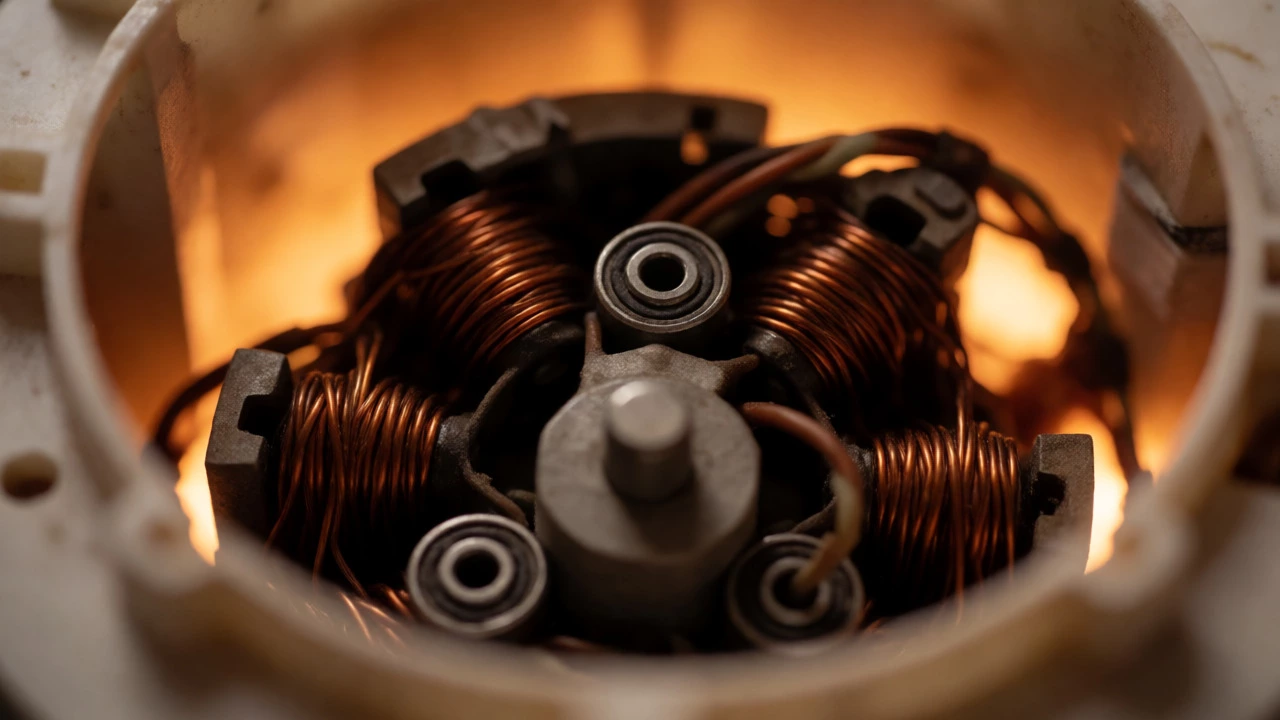
To understand why fans die, you have to look inside the box. An extractor fan is a ventilation device designed to remove excess heat, humidity, and odors from indoor spaces by exhausting air outdoors. The heart of the system is the motor. In most residential units, this is a shaded-pole induction motor. These motors are reliable but not immortal. They rely on lubricated bearings to spin the impeller (the fan blade assembly). Over time, two things happen: the lubricant dries out, and dust accumulates.
Dust isn’t just annoying; it’s abrasive. When fine particles coat the motor windings, they act as insulation traps, causing the motor to run hotter than its design temperature. Heat degrades the enamel coating on the copper wires inside the motor. Once that insulation fails, the motor shorts out. This is usually the point of no return. However, before total electrical failure occurs, the mechanical friction from dried-out bearings causes strain. This draws more current, which generates more heat, creating a vicious cycle that accelerates wear.
Lifespan Expectations: What Is Normal?
There is no single number for how long a fan lasts, but there are solid benchmarks based on industry standards and real-world field data. If you want to set realistic expectations, look at these averages:
| Fan Type | Average Lifespan (Years) | Common Failure Mode | Repairability |
|---|---|---|---|
| Bathroom Ceiling Fan | 7-10 | Bearing seizure / Dust clogging | Moderate (Motor replacement possible) |
| Kitchen Hood Fan | 5-8 | Grease buildup / Thermal overload | Low (Often replaced entirely) |
| In-Line Duct Fan | 10-15 | Capacitor failure / Moisture corrosion | High (Easy access for repairs) |
| Window Ventilation Fan | 6-9 | Blade imbalance / Switch failure | Moderate |
Notice the disparity between in-line duct fans and kitchen hood fans. Kitchen fans take a beating from cooking grease. Grease is sticky. It attracts dust, forming a sludge that weighs down the blades and gums up the bearings. Bathroom fans, while exposed to humidity, generally deal with cleaner air unless you’re boiling pasta in a closed bathroom. If your kitchen fan is under five years old and failing, suspect grease neglect. If your bathroom fan is over ten years old, suspect natural mechanical aging.
Signs Your Fan Is Dying vs. Just Dirty
This is where you save money. Many "dead" fans are just choked with debris. Here is how to tell the difference without calling a technician immediately.
1. The Noise Test
Squealing or Grinding: This almost always indicates bearing failure. The metal-on-metal contact means the lubrication is gone. You can sometimes temporarily fix this by cleaning the fan and applying a drop of lightweight machine oil (not WD-40, which evaporates) to the motor shaft, but it’s a band-aid, not a cure. Rattling: Often caused by loose screws, unbalanced blades due to heavy dust accumulation, or a cracked housing. Cleaning might solve this. Humming without spinning: The motor is getting power but can’t start. This is often a failed capacitor or a seized rotor. If the fan feels hot to the touch after 10 seconds of humming, turn it off immediately to prevent fire risk.
2. The Airflow Test
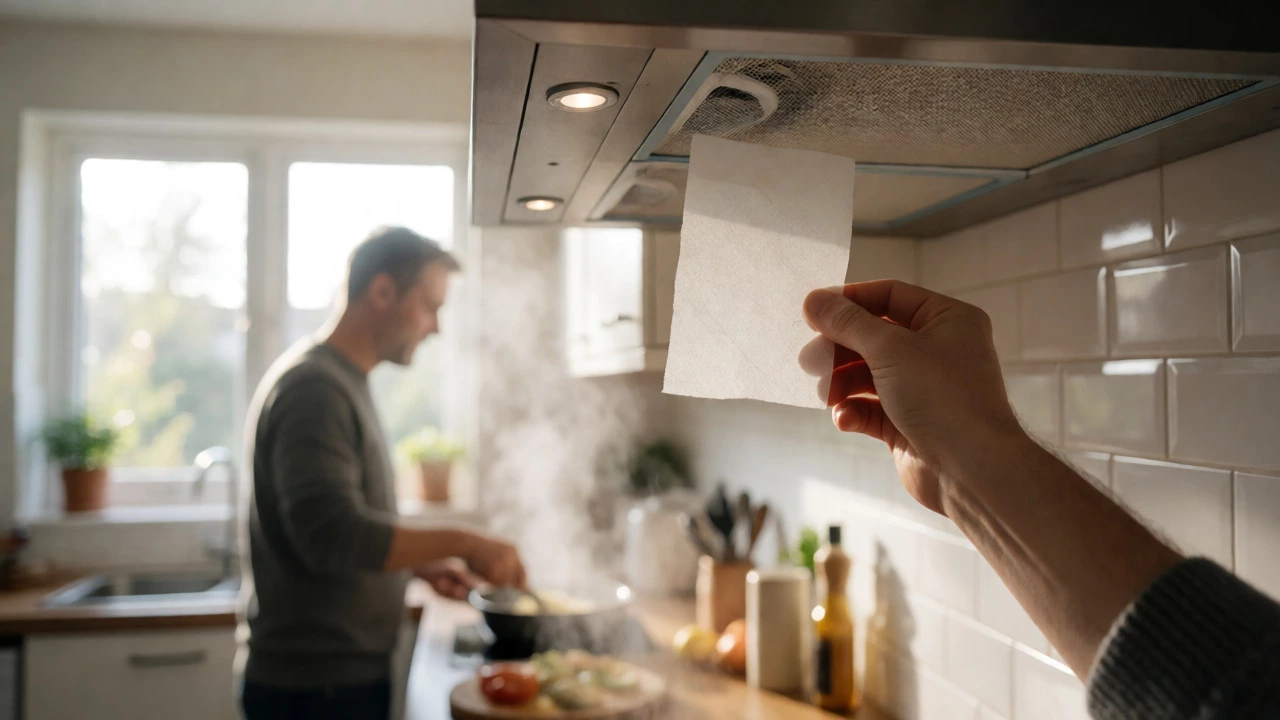
Hold a piece of toilet paper against the grille. If it sticks firmly, the suction is strong. If it barely flutters, airflow is compromised. Now, clean the grille and blades. If airflow improves significantly, the problem was blockage, not motor wear. If airflow remains weak despite a clean fan, check the ductwork. A crushed vent pipe outside your house can mimic a broken motor.
3. Visual Inspection
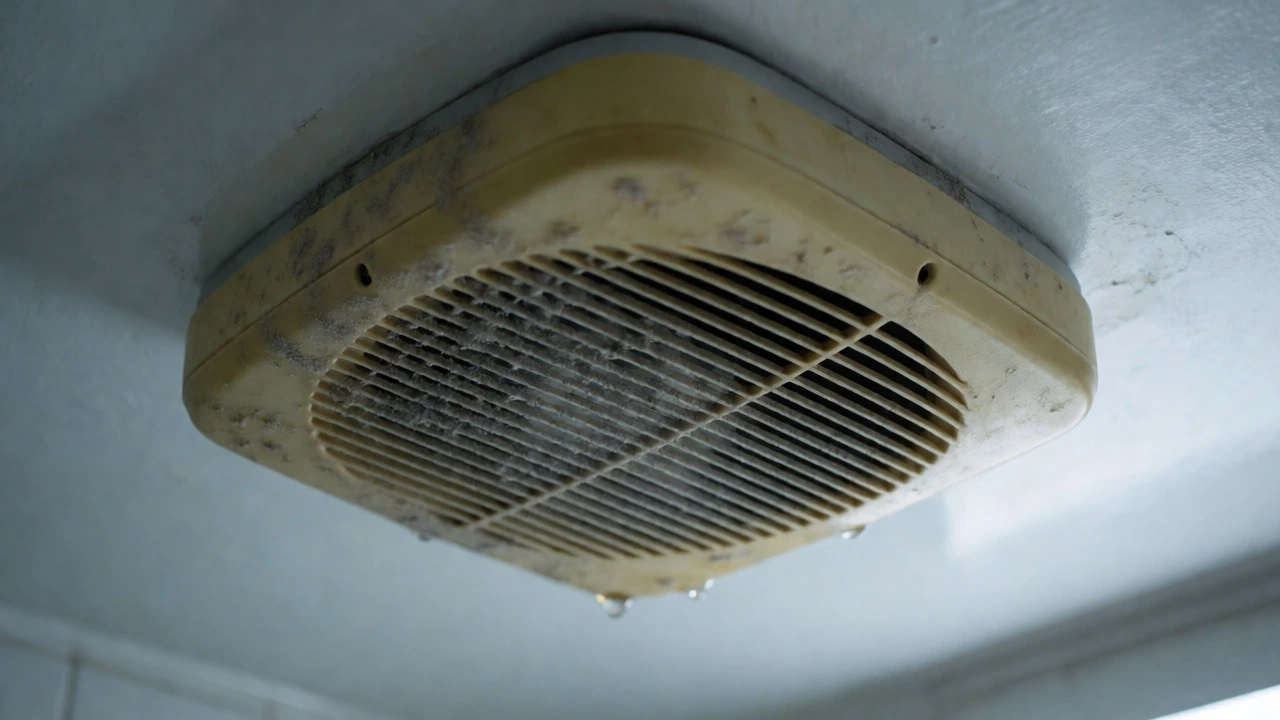
Pull down the cover (usually held by spring clips). Look for black soot-like residue on the motor windings. This is burnt insulation. If you see this, the motor is cooked. No amount of cleaning will bring it back. Also, check for water stains. Leaking roofs or condensation dripping onto the motor casing causes rust, which expands and jams the rotating parts.
Can You Repair or Should You Replace?
This decision hinges on cost versus effort. For most modern integrated ceiling fans, replacing the whole unit costs between $150 and $300 including installation. Repairing involves buying a universal motor kit ($40-$80), disassembling the housing, rewiring, and reassembly.
- Replace if: The fan is older than 10 years, the housing is warped or yellowed, the model is discontinued (parts unavailable), or you want upgraded features like higher CFM (Cubic Feet per Minute) or quieter operation (lower Sones).
- Repair if: The fan is less than 5 years old, it’s a high-end brand (like Broan-NuTone or Panasonic) with available spare motors, or you are handy with tools. In-line duct fans are also prime candidates for repair because accessing the motor is straightforward.
A pro tip: Check the manufacturer label inside the housing. If the voltage rating matches standard US homes (120V) and the amperage is low, finding a generic replacement motor is easy. If it’s a proprietary sealed unit, you’re likely forced into full replacement.
Extending the Life of Your Extractor Fan
You can’t stop entropy, but you can slow it down. Most premature failures are self-inflicted through neglect. Here is a maintenance routine that adds years to your fan’s life.
- Clean the Grille Quarterly: Remove the plastic or metal grille. Wash it in warm soapy water. Use a soft brush to remove dust from the blades. Do not use harsh chemicals that might warp plastic.
- Vacuum the Motor Housing Annually: With the power off, use a vacuum hose attachment to suck dust out of the motor compartment. Don’t touch the windings directly with the nozzle; keep some distance to avoid static discharge or physical damage.
- Check the Outdoor Vent: Once a year, go outside and ensure the flapper door opens freely when the fan runs. If birds nested in it or paint sealed it shut, the fan works twice as hard, overheating quickly.
- Run It Longer: Run the fan for 15-20 minutes after showers or cooking. This ensures all residual moisture is expelled, reducing corrosion inside the motor and ductwork.
When Humidity Becomes the Enemy
It’s worth noting that extractor fans aren’t just about smells; they’re critical for mold prevention. A worn-out fan leads to persistent dampness. In bathrooms, this manifests as peeling paint and black mold spots on grout. In kitchens, it’s greasy film on cabinets. If you notice these signs, don’t wait for the fan to die completely. The cost of remediation (painting, mold removal) far exceeds the cost of a new fan.
If you live in a humid climate (like Florida or the Pacific Northwest), consider upgrading to a fan with a built-in humidity sensor. These models automatically activate when moisture levels rise, ensuring they run even if you forget to flip the switch. This proactive approach reduces the manual wear on switches and keeps the environment dry consistently.
How many hours does an extractor fan last?
Most residential extractor fans are rated for approximately 5,000 to 10,000 operating hours. If you run a bathroom fan for 30 minutes daily, that translates to roughly 10 to 20 years. However, real-world factors like dust, humidity, and voltage fluctuations typically reduce this to 7-10 years.
Why does my extractor fan smell like burning?
A burning smell usually indicates overheating components. This could be accumulated dust igniting on the motor windings, a failing capacitor releasing smoke, or friction from seized bearings generating excessive heat. Turn off the fan immediately and inspect for blockages or visible scorch marks.
Is it safe to run a noisy extractor fan?
If the noise is a rattle, it’s generally safe but inefficient. If it’s a loud grinding or squealing, it’s unsafe. Grinding indicates mechanical failure that can lead to motor burnout or even a fire hazard. Stop using it until it is serviced or replaced.
Can I replace just the motor in my extractor fan?
Yes, for many models, especially in-line duct fans and older ceiling-mounted units. Universal motors are widely available. However, for newer, compact, integrated bathroom fans, the motor is often sealed within the housing, making full unit replacement more practical and cost-effective.
What size extractor fan do I need?
For bathrooms, calculate the room volume (length x width x height) and multiply by 8 for general ventilation or 10 for showers. For example, a 5x8x8-foot bathroom (320 cubic feet) needs a fan with at least 256 CFM (cubic feet per minute). Always round up to the nearest standard size.