Boiler Replacement Toilet Checker
What type of boiler system do you have?
This determines how your hot and cold water are supplied throughout your home.
Is the main stopcock open or closed?
The main stopcock controls all water entering your property. Ask your engineer about this.
What is the scope of the installation work?
The extent of the work affects whether pipes need to be disconnected or modified.
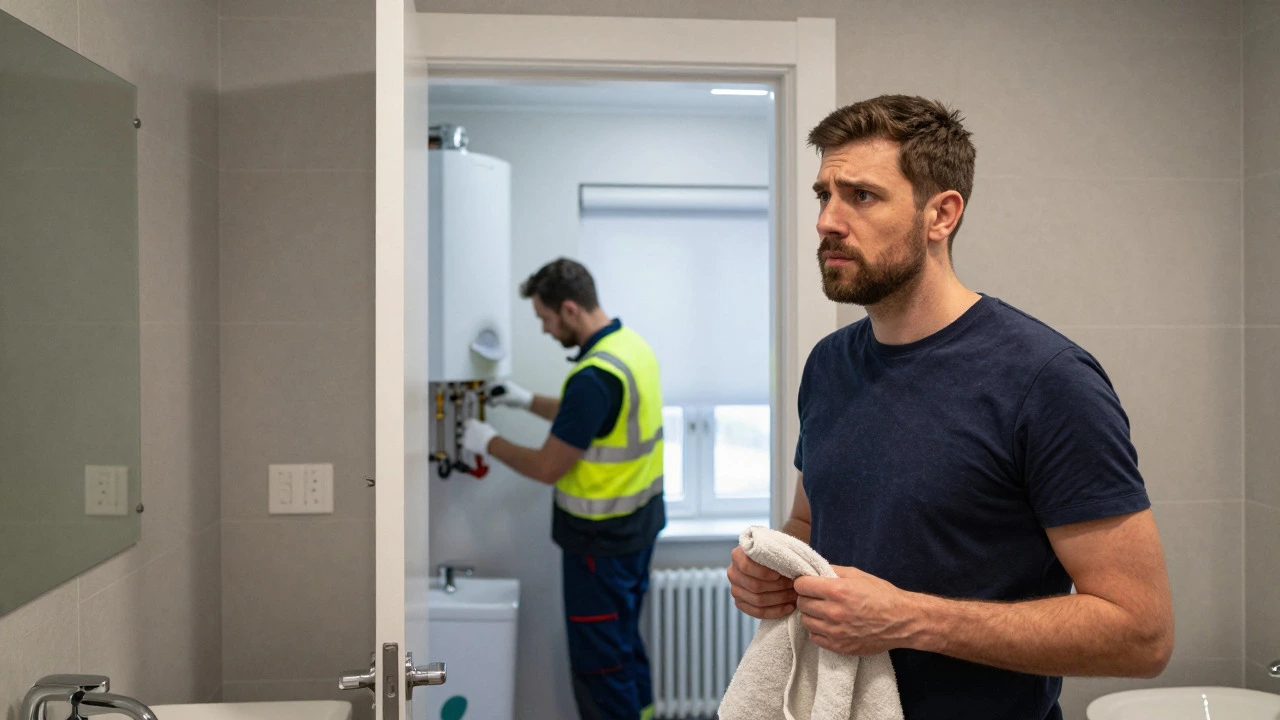
You’re standing in your bathroom, holding a towel, and you realize the engineer is cutting into the pipes right now. The boiler is being replaced. Your bladder is full. Can you flush the toilet? It sounds like a silly question, but when you are living with a construction crew in your hallway, every drop of water matters. The short answer is: it depends entirely on how your home’s plumbing is wired.
Most people assume that because the boiler provides heat, it controls all the water flow. This is a common misconception. In many modern homes, the toilet runs on cold water directly from the mains supply. However, if your house has an older gravity-fed system or if the engineer has shut off the main stopcock to prevent leaks, flushing might be impossible-or worse, it could cause a mess. Let’s break down exactly what is happening behind your walls so you don’t get caught short.
How Your Plumbing System Works
To understand if the toilet works, you need to know where the water comes from. There are two main types of systems in residential properties: combi boilers and conventional (heat-only) systems. This distinction changes everything about your daily routine during the installation.
In a combi boiler system, hot water is generated on demand. When you turn on a tap, the boiler heats the water instantly. These systems usually rely on direct mains pressure for both hot and cold water. If you have a combi, your toilet likely connects to the cold water feed line. Since this line bypasses the boiler unit itself, replacing the heating appliance often leaves the toilet’s water supply untouched.
Conversely, a conventional boiler system uses a cold water storage tank in the loft and a hot water cylinder in the airing cupboard. Water flows by gravity. If the engineer needs to drain the system to remove the old unit, they might isolate the entire water network. In these setups, the toilet cistern might still fill from the loft tank, but if the tank is empty or isolated, you won’t get a flush.
The Engineer’s Perspective: Why They Might Shut Off Water
Engineers prioritize safety and cleanliness. When swapping out a boiler, they are dealing with gas lines, electrical connections, and pressurized water pipes. To avoid flooding the floor or damaging new components, they often shut off the main stopcock. This valve controls all water entering your property.
If the stopcock is closed, no water enters any fixture. No kitchen tap, no shower, and definitely no toilet. Some engineers are meticulous and only isolate the specific pipes connected to the boiler. Others prefer a blanket shutdown to ensure zero risk of accidental leaks while they work on the flue or condensate pipe. Always ask before assuming. If the engineer says, "We’re shutting off the main," take it literally. Do not try to sneak a flush.
Cold vs. Hot Water Feeds
Toilets generally do not require hot water. They operate on cold water pressure. However, the path that cold water takes to reach your cistern varies. In some older installations, the cold water feed to the toilet might share a manifold or pipe section with the boiler’s feed. If the engineer is working on this shared section, they must isolate it.
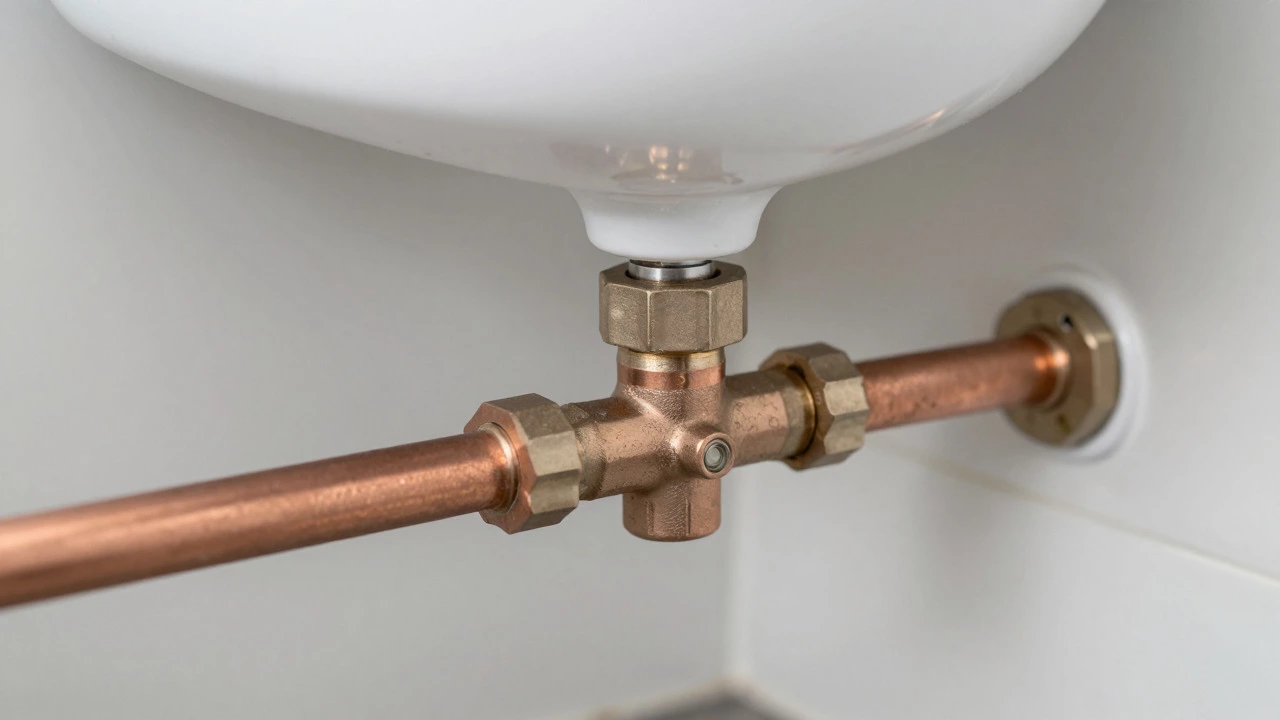
Check your toilet cistern. Look at the inlet valve. Is it connected to a copper pipe that looks like it goes straight up towards the ceiling or out through the wall? That’s likely a direct mains feed. If it connects to a larger header tank setup, it’s gravity-fed. Direct mains feeds are more likely to remain active during a boiler swap, provided the main stopcock stays open.
What Happens If You Flush Anyway?
Curiosity can kill the cat, and it can also ruin a boiler installation. If you flush the toilet when the system is partially drained or under low pressure, you might introduce airlocks into the pipework. Airlocks make it difficult for the engineer to bleed radiators later, leading to cold spots and extra labor costs.
Worse, if the engineer has disconnected the waste pipe temporarily to move the boiler unit, flushing could cause sewage backup. While rare, plumbers sometimes disconnect soil vents or waste traps to access tight spaces. Flushing without confirming the waste route is clear is a recipe for a very unpleasant cleanup bill.
Practical Tips for Surviving the Installation Day
Boiler replacements typically take between four to eight hours. Planning ahead saves stress. Here is how to manage your hygiene needs during the job:
- Ask Early: As soon as the engineer arrives, ask, "Will the toilets remain functional?" Get a clear yes or no. If it’s a maybe, plan for a no.
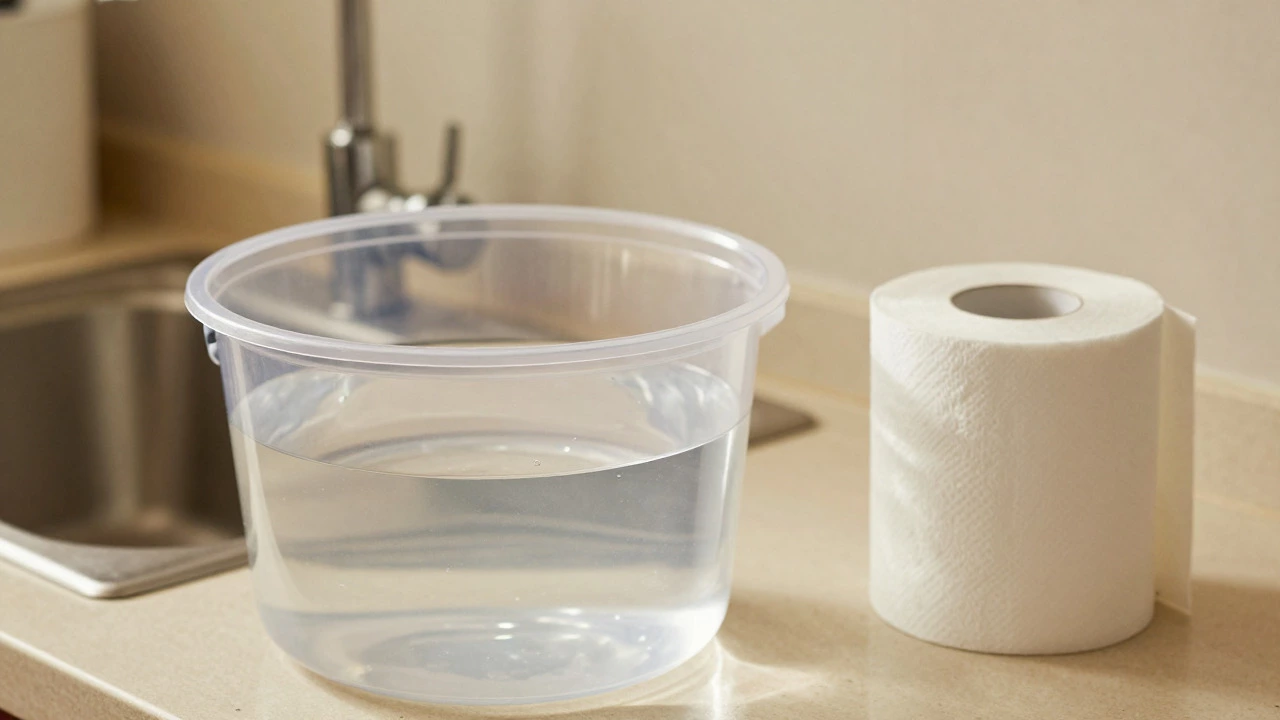
- Use a Bucket: Keep a bucket and a roll of toilet paper near the toilet. If the water is off, you can manually pour water into the cistern to trigger a flush. This works even if the mains are off, as long as the waste pipe is connected.
- Limit Water Usage: Even if the toilet works, minimize other water usage. Running a washing machine or dishwasher can drop the pressure in the mains, causing the toilet to flush weakly or not at all.
- Identify the Stopcock: Know where your main water valve is. It’s usually under the kitchen sink or in the utility room. If you accidentally leave a tap running, you need to shut it off quickly.
When the Boiler Is Not the Issue
Sometimes, the problem isn’t the boiler replacement itself but related plumbing work. If your installer is upgrading your pipework from iron to plastic, or moving the boiler location, they will cut into multiple pipes. In these scenarios, expect total water loss. Treat the day as a "no-water" day regardless of what the engineer says initially. Conditions change once they open up the walls.
Also, consider the condensate pipe. Modern condensing boilers produce a acidic wastewater that drains outside. If this pipe freezes or blocks, the boiler locks out. During replacement, the engineer will test this pipe. If they need to clear a blockage, they might run water through the system to check for leaks. This testing phase requires stable water pressure, so avoid using the toilet during this specific window.
Summary Table: Toilet Availability Scenarios
| Scenario | Main Stopcock Status | Toilet Likely to Work? | Risk Level |
|---|---|---|---|
| Combi Boiler Swap (Standard) | Open | Yes | Low |
| Conventional System Drain | Closed | No | High (No Water) |
| Pipework Upgrade | Closed | No | High (Mess Risk) |
| Condensate Testing | Open | Maybe (Intermittent) | Medium |
FAQ
Will my toilet work if the boiler is turned off?
Yes, in most cases. Toilets run on cold water from the mains supply, which is independent of the boiler's heating function. As long as the main water stopcock is open, your toilet should flush normally, even if the boiler is switched off or removed.
Why would an engineer shut off the main water supply?
Engineers shut off the main supply to prevent accidental leaks while disconnecting pipes. It ensures that when they cut or unscrew fittings, water doesn't spray everywhere. This is a standard safety procedure, especially in older homes with fragile pipework.
Can I manually flush the toilet if there is no water?
Yes. You can pour a bucket of water directly into the toilet bowl to create enough force to flush the waste away. Ensure the waste pipe is connected and not blocked. This method works regardless of whether the mains water is on or off.
Does a combi boiler affect toilet pressure?
Indirectly. Combi boilers draw from mains pressure. If you run a shower or tap while someone else tries to flush, the pressure drop might result in a weaker flush. However, the boiler itself does not regulate toilet pressure; the mains supply does.
What if my toilet doesn't flush after the boiler is installed?
If the toilet stops working after the job is done, check if the main stopcock was left closed. If it's open, there may be an airlock in the pipes or a debris blockage from the installation. Contact the engineer immediately, as this is part of their commissioning process.