Emergency Heating Strategy Planner
Select your current situation below to get a personalized recommendation for keeping warm and safe until repairs are made.
Recommended Action
Why this works:
Waking up to a freezing house because your boiler has decided to quit on you is one of those moments that tests your patience. It’s not just uncomfortable; it’s potentially dangerous if temperatures drop low enough. But before you panic and start calling every plumber in Auckland, know this: you have options. You don’t need to suffer through the cold while waiting for a technician. In fact, with a few smart moves, you can keep your family warm, safe, and sane until the professional arrives.
Assess the Damage Before You Act
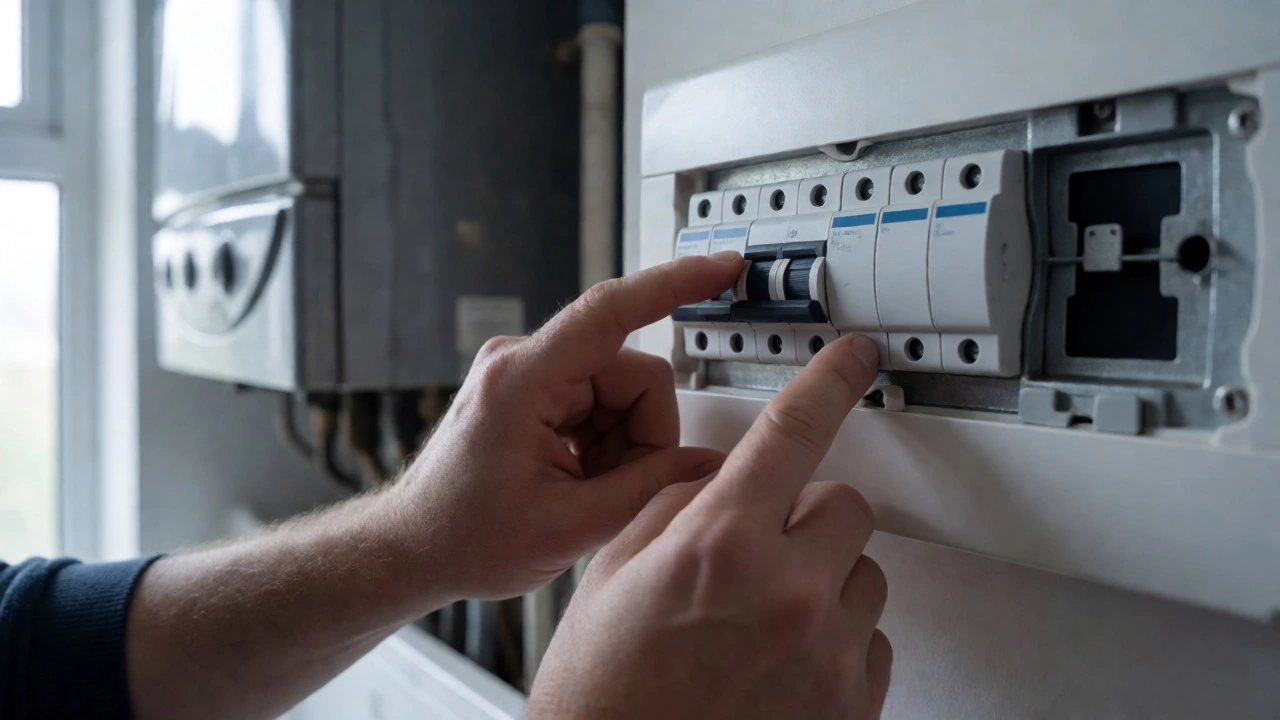
First things first: stop trying to fix complex internal mechanisms yourself unless you’re qualified. A broken boiler isn’t like a jammed washing machine where you might spot a loose belt. It involves gas, high pressure, and electricity. If you smell gas, leave the house immediately and call your gas provider. That’s non-negotiable. If there’s no smell, check the basics. Is the power on? Is the thermostat set correctly? Sometimes, a tripped circuit breaker or a blown fuse looks exactly like a dead boiler. Check your electrical panel. If everything seems fine but the unit won’t fire up, it’s time to focus on keeping warm rather than playing detective.
Deploy Portable Heating Sources Wisely
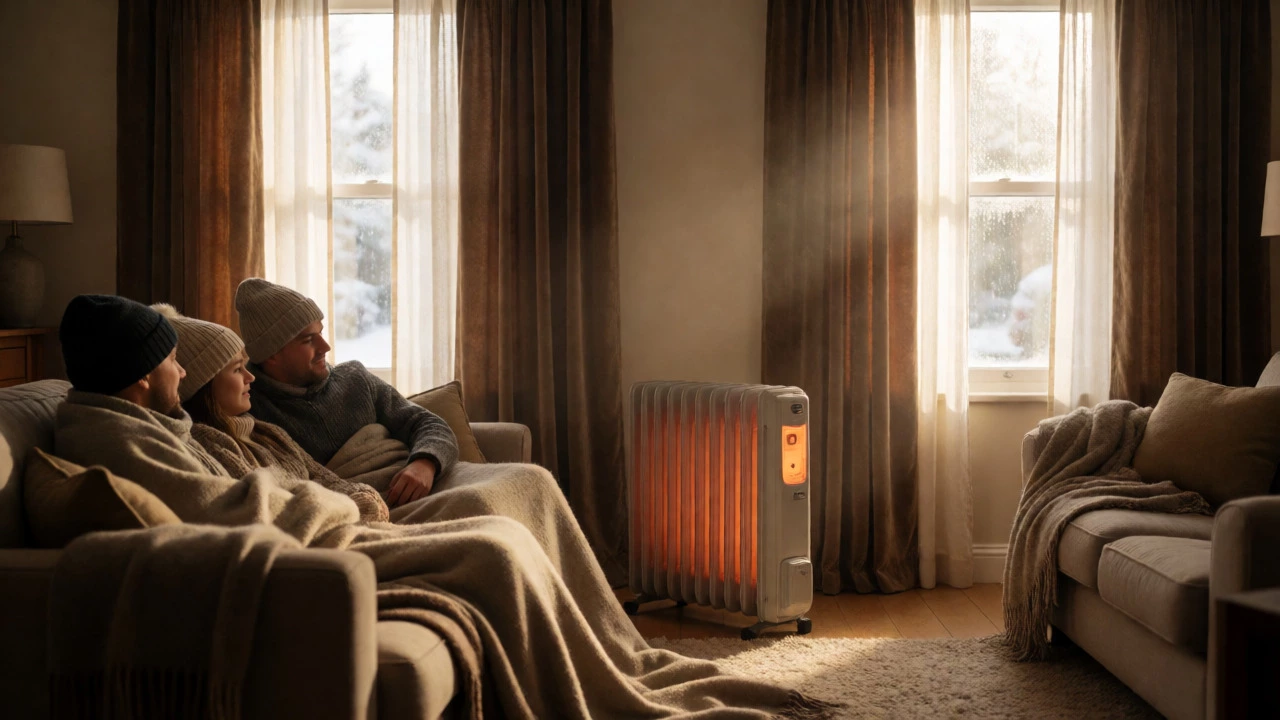
The most immediate solution is portable heaters, but using them incorrectly can be just as bad as having no heat at all. Electric oil-filled radiators are generally safer and more efficient than fan heaters for maintaining steady warmth in a single room. They take longer to heat up, but they retain heat well even after being switched off. Place them centrally in the room you plan to use, away from curtains, furniture, and anything flammable. Never plug a heater into an extension lead; they draw too much current and can overheat the cord. Use the wall socket directly.
If you have a gas bottle heater, use it with extreme caution. These units consume oxygen and produce moisture, which can lead to condensation and mold growth if the room isn’t ventilated. Crack a window slightly when using one. For most homes, electric options are the safer bet for overnight use.
Create a "Warm Zone" Strategy
Trying to heat an entire house with a broken central system is a losing battle. Instead, consolidate. Pick one room-usually the living room or bedroom-and make it your headquarters. Close doors to other rooms to trap heat. Hang heavy blankets or towels over door gaps and windowsills to block drafts. This simple step can raise the temperature in your chosen room by several degrees compared to leaving the whole house open.
Layering is key here. Wear thermal underwear, wool socks, and a hat. Yes, a hat indoors. You lose a significant amount of body heat through your head. Use multiple thin layers instead of one thick sweater; trapped air between layers acts as better insulation. If you have pets, let them cuddle up-they’re natural hot water bottles.
Utilize Passive Heat and Body Warmth
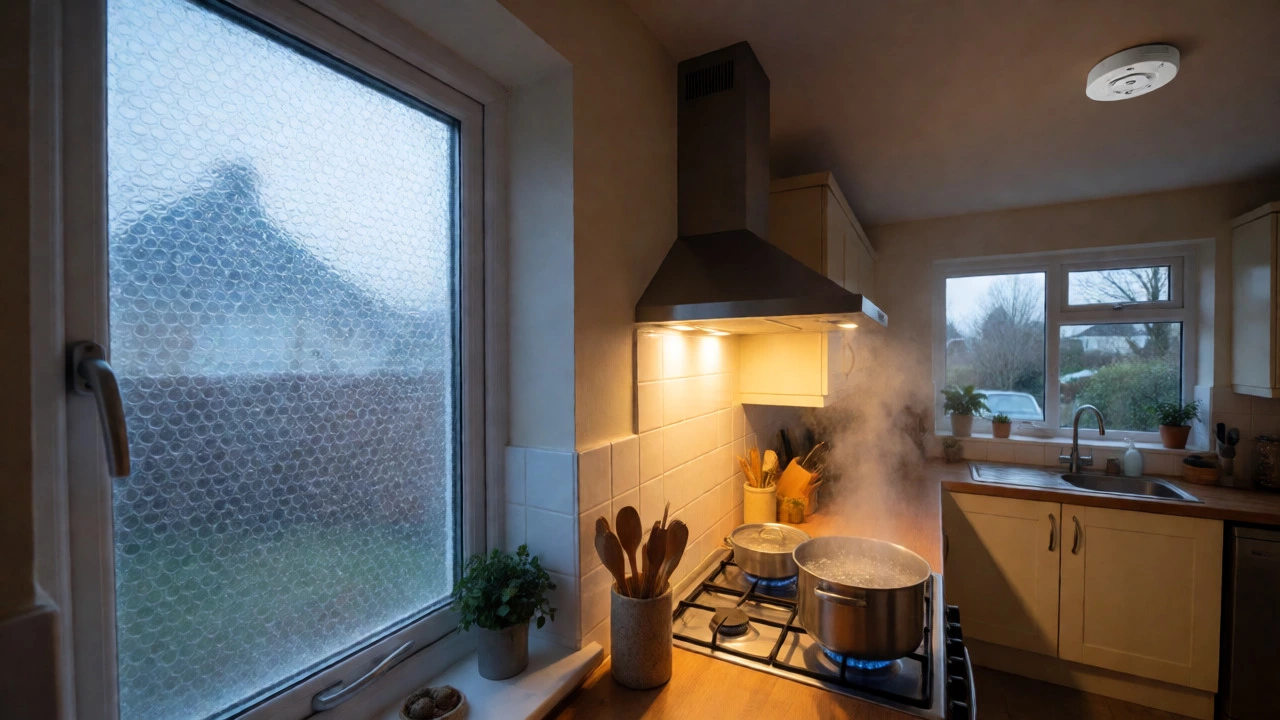
You’d be surprised how much heat you generate just by existing. During the day, gather everyone in the warm zone. Your collective body heat helps maintain the temperature. Cook meals that involve boiling water or baking. The steam and residual heat from the oven (after turning it off) can gently warm the kitchen area. Just remember: never use your oven as a primary heater. It’s inefficient and poses a carbon monoxide risk if it’s a gas oven without proper ventilation.
Cover windows with heavy curtains during the day to let sunlight in, then close them tightly at dusk. Glass is a poor insulator, and untreated windows lose heat rapidly. If you have bubble wrap, sticking it to the inside of window panes creates an air gap that significantly reduces heat loss. It’s ugly, but effective.
Safety Checks While Waiting for Repairs
When relying on alternative heat sources, safety becomes paramount. Carbon monoxide detectors are essential. If you don’t have one, buy one today. They cost less than a pizza and could save your life. Test them regularly. Ensure any space heater has tip-over protection and automatic shut-off features. Keep children and pets away from hot surfaces.
Watch out for frozen pipes. If the temperature inside your house drops below 5°C (41°F), water in exposed pipes can freeze and burst. Let faucets drip slightly if you suspect a freeze risk, especially in external walls. Open cabinet doors under sinks to allow warmer air to circulate around plumbing.
| Method | Efficiency | Safety Risk | Best For |
|---|---|---|---|
| Oil-Filled Radiator | High (steady heat) | Low | Bedrooms, long duration |
| Fan Heater | Medium (quick heat) | Medium (fire hazard) | Bathrooms, short bursts |
| Gas Bottle Heater | High (intense heat) | High (CO/Oxygen depletion) | Large living areas, ventilated |
| Hot Water Bottles | Low (personal only) | Very Low | Bedtime, personal comfort |
When to Call a Professional
Once you’ve secured your immediate comfort, schedule the boiler repair. Don’t wait weeks if you can help it. Provide the technician with details: what happened, error codes displayed, age of the unit, and recent maintenance history. This speeds up diagnosis. If the boiler is over 15 years old and repairs are costly, consider replacement. Modern condensing boilers are far more energy-efficient, potentially lowering your future bills enough to offset the upfront cost.
Preventing Future Failures
After the crisis is over, think about prevention. Annual servicing catches small issues before they become emergencies. Bleed radiators to remove trapped air, ensuring efficient heat distribution. Install a smart thermostat; it can alert you to irregularities in heating patterns via your phone. Consider a backup plan, like a reliable portable heater stored in the garage, so you’re ready next time.
Can I shower if my boiler is broken?
It depends on your system. If you have a separate electric water heater or an immersion heater, yes. If your hot water relies entirely on the boiler, you’ll need to boil water on the stove for sponge baths or wait for repairs. Some systems have a bypass valve allowing cold water flow, but not hot.
Is it safe to leave a portable heater on overnight?
Generally, no, unless the manufacturer explicitly states it is safe for unattended use. Oil-filled radiators are safer than fan heaters, but it’s still best to turn them off when sleeping. Use extra bedding and hot water bottles instead to reduce fire risk.
Why is my boiler making strange noises?
Banging or knocking sounds often indicate "kettling," caused by limescale buildup or trapped air. Gurgling suggests air in the system. Whistling may point to a pump issue. These noises signal that professional attention is needed soon to prevent further damage.
How long does boiler repair usually take?
Simple fixes like replacing a part can take 1-2 hours. Complex issues involving the heat exchanger or control board might take half a day. If parts need ordering, it could take days. Always ask your technician for an estimated timeline.
Should I drain the system if the boiler breaks?
Not necessarily. Draining the system is usually done for major repairs or replacements. Leaving water in the pipes prevents air ingress and corrosion. Only drain it if instructed by your plumber or if there’s a leak risk due to freezing.