Freezer Repair vs. Replace Calculator
Input Details
Awaiting Input
Enter details to analyze
Please input your freezer's age and estimated repair costs to receive a recommendation based on industry standards.
- ● Based on the 50% Rule
- ● Considers expected lifespan
- ● Accounts for energy efficiency gains
Your freezer is one of those appliances you only notice when it fails. One minute your ice cream is solid, and the next, everything is slushy because the compressor gave up the ghost. You might be wondering how long this heavy box should last before it becomes a liability. The short answer is that most modern freezers last between 10 and 20 years, depending heavily on the type and how hard you work them.
But "years" doesn't tell the whole story. A cheap chest freezer bought in 2015 might still be humming along perfectly, while a high-end French door model from 2018 could be leaking coolant. Understanding what dictates this lifespan helps you decide whether to spend money on a repair or cut your losses and buy new. Let’s break down exactly what determines how long your appliance survives and how to spot the warning signs before they turn into food waste disasters.
Factors That Dictate Freezer Longevity
Not all freezers are built to survive the same amount of time. The design, the brand quality, and where you put the unit play massive roles in its daily wear and tear. If you want your appliance to hit that 20-year mark, you need to understand these variables.
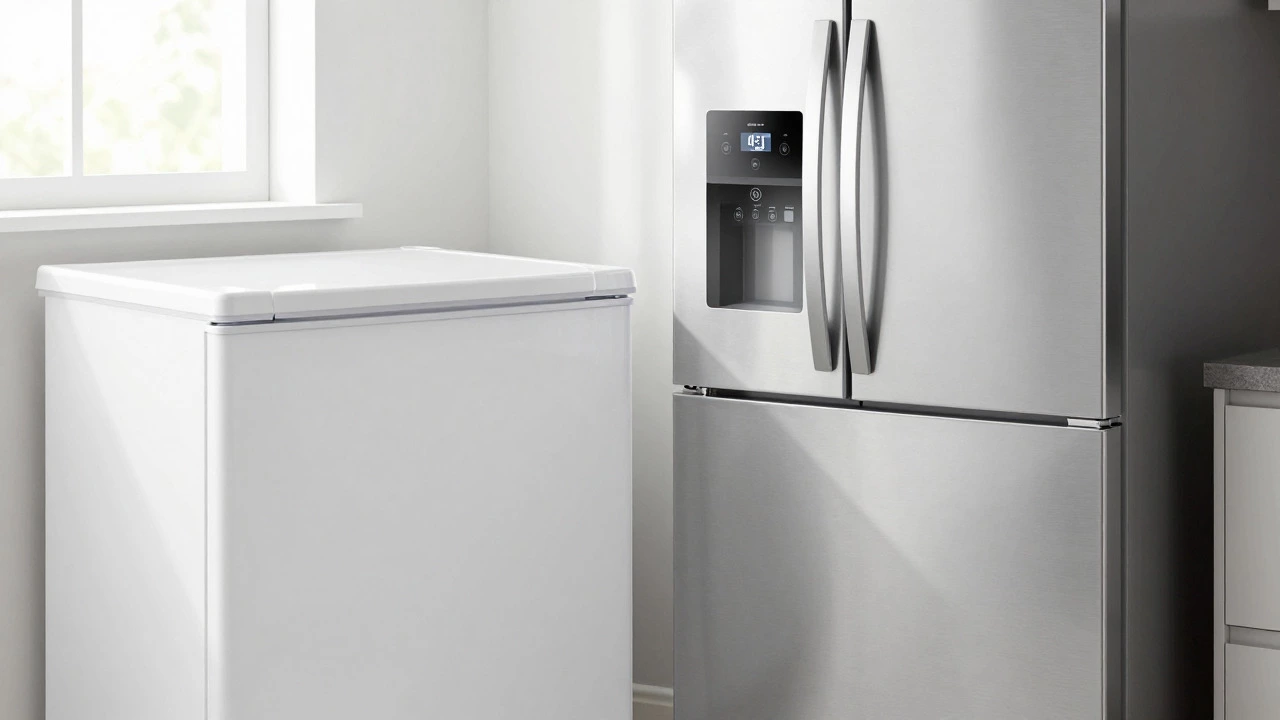
Chest freezers generally outlast upright models by several years due to their simpler mechanical design.
- Design Complexity: Chest freezers have fewer moving parts. They lack the complex defrost heaters, evaporator fans, and intricate door seals found in upright units. Fewer parts mean fewer things can break. A basic chest freezer often lasts 15-25 years. An upright freezer with auto-defrost usually tops out at 10-15 years.
- Brand Build Quality: Major brands like Frigidaire, Whirlpool, and GE tend to use more durable compressors compared to budget off-brands. However, even premium brands suffer from planned obsolescence in electronics boards.
- Installation Environment: Where you place the freezer matters immensely. A unit tucked away in a cool, ventilated pantry will live longer than one crammed into a hot garage or an unventilated closet. Heat is the enemy of refrigeration systems.
The Hidden Killer: Compressor Wear and Tear
At the heart of every freezer is the compressor. This motor pumps refrigerant through the coils to keep temperatures low. Think of it like the engine in a car. Just as engines wear out over millions of miles, compressors degrade over thousands of hours of operation.
In older models (pre-2010), compressors were often hermetically sealed and incredibly robust. Modern energy-efficient models use variable-speed compressors that cycle on and off less frequently but operate under different thermal stresses. While they save electricity, the electronic control boards that manage them are prone to failure. In many cases today, the freezer isn't dead because the compressor failed; it's dead because the circuit board controlling it fried.
If your freezer is making a loud rattling noise or clicking repeatedly without cooling, the compressor relay or the start capacitor may be failing. These are relatively cheap fixes ($50-$100 for parts) if caught early, but if the compressor itself seizes, the cost skyrockets.
Signs Your Freezer Is Approaching Its End
You don’t need a crystal ball to know when your appliance is dying. There are clear physical indicators that suggest the end of the line is near. Ignoring these signs leads to spoiled food and higher energy bills.
- Frequent Defrosting Issues: If you find large blocks of ice forming on the back wall of an auto-defrost freezer, the defrost heater or thermostat has likely failed. This forces the compressor to run constantly to compensate, burning it out faster.
- Rising Energy Bills: An aging freezer loses efficiency. As insulation degrades and seals crack, the unit works harder to maintain temperature. If your electric bill spikes without increased usage, check your freezer’s performance first.
- Strange Noises: Humming is normal. Grinding, buzzing, or loud thumping is not. These sounds indicate bearing failure in the fan motor or compressor vibration issues.
- Temperature Fluctuations: If your meat feels soft or your ice cubes are melting and refreezing into a solid block, the temperature stability is gone. This usually points to a failing seal or low refrigerant levels.
Repair vs. Replace: The Economic Decision
This is the biggest question homeowners face. Should you pay $300 for a new compressor or $800 for a new freezer? Here is a simple rule of thumb used by professional technicians: The 50% Rule.
If the cost of the repair exceeds 50% of the price of a new, comparable unit, replace it. Additionally, consider the age. If the appliance is older than half its expected lifespan (e.g., 7+ years for an upright, 10+ years for a chest), replacement is almost always the smarter financial move.
| Scenario | Estimated Cost | Recommendation |
|---|---|---|
| Door Seal Replacement | $50 - $150 | Repair (High ROI) |
| Thermostat Fix | $100 - $200 | Repair (If unit is < 7 years old) |
| Compressor Failure | $400 - $600+ | Replace (Unless unit is very new) |
| Control Board Failure | $200 - $400 | Replace (If unit is > 10 years old) |
Newer freezers also come with better energy ratings. An ENERGY STAR certified model uses significantly less electricity than a 15-year-old unit. Over five years, the savings on your power bill can offset the initial purchase price of a new appliance.
Extending the Life of Your Current Freezer
If your freezer is still running well, you can add years to its life with minimal effort. Maintenance is not just about cleaning; it’s about ensuring the system operates under optimal conditions.
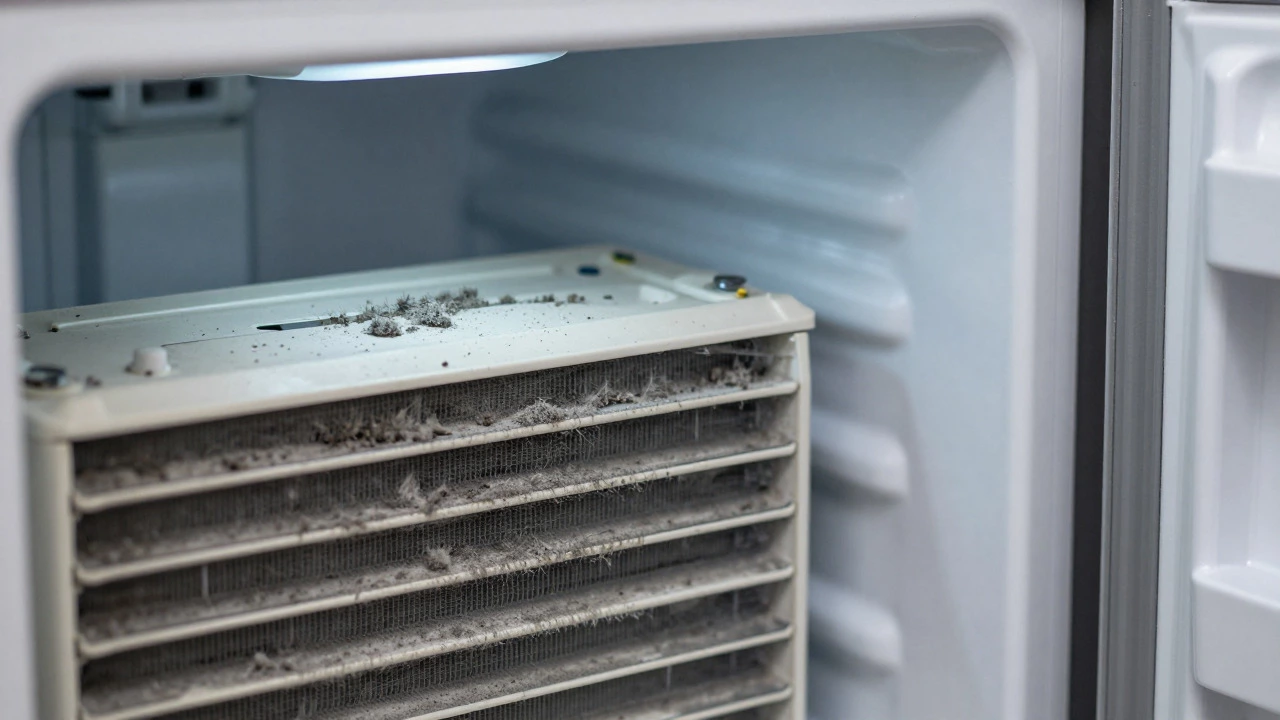
- Clean the Condenser Coils: Located either behind the unit or underneath on a grill, these coils dissipate heat. If they are clogged with dust and pet hair, the compressor has to work twice as hard. Vacuum them every six months.
- Check Door Seals: Close the door on a dollar bill. If you can pull the bill out easily without resistance, the seal is weak. Replace it immediately to prevent warm air infiltration.
- Avoid Overfilling: Air needs to circulate inside the freezer to maintain even temperatures. Blocking vents with frozen pizzas disrupts airflow and strains the system.
- Keep It Level: An uneven freezer prevents doors from closing tightly, leading to seal failure and frost buildup.
Disposal and Environmental Impact
When your freezer finally dies, don’t just toss it in the backyard. Old refrigerants like Freon are harmful to the ozone layer and must be recovered by certified professionals. Many local councils offer bulk waste pickup for white goods, or you can take it to a scrap metal yard. Some retailers even offer haul-away services when you buy a new unit. Proper disposal ensures compliance with environmental regulations and keeps hazardous materials out of landfills.
How long does a chest freezer last?
A chest freezer typically lasts between 15 and 25 years. Their simple design with fewer moving parts makes them more durable than upright models. With proper maintenance, some chest freezers can even exceed 25 years of service.
Is it worth repairing a 15-year-old freezer?
Generally, no. At 15 years old, a freezer is at the end of its expected lifespan. Even if you fix one component, another is likely to fail soon. Plus, newer models are far more energy-efficient, saving you money on electricity bills in the long run.
Why is my freezer making a buzzing noise?
A buzzing noise often indicates a problem with the compressor or the condenser fan motor. It could also mean the unit is not level, causing vibration. If the buzzing is accompanied by a lack of cooling, the compressor may be failing and needs immediate attention.
How often should I clean freezer coils?
You should clean the condenser coils every six months. If you have pets or live in a dusty area, do it quarterly. Dirty coils force the compressor to work harder, increasing energy consumption and reducing the appliance's lifespan.
What is the most common cause of freezer failure?
The most common causes are compressor failure and control board issues. Defrost system failures (heaters or timers) are also frequent, especially in upright freezers. Poor ventilation and dirty coils accelerate these failures.