Oven Troubleshooting Assistant
What's the problem?
Select the symptom you are experiencing to get a diagnosis.
Select a symptom on the left to start diagnosing your oven issue.
Your oven refuses to heat up. The clock is blinking. Or maybe it’s running so hot your cookies are turning into charcoal before they’re even done. It happens to the best of us. Before you call a technician and hand over two hundred dollars for a service visit, take a breath. Most oven issues are simple glitches or worn-out parts that you can fix yourself with basic tools and a little know-how.
Fixing an oven isn’t rocket science. In fact, most repairs involve swapping out a component that costs less than fifty bucks. But here is the golden rule: safety first. Electricity and gas are dangerous. If you are uncomfortable working with wiring or gas lines, stop reading and call a pro. If you are ready to roll up your sleeves, this guide will walk you through diagnosing and fixing the most common oven problems.
Quick Safety Check Before You Start
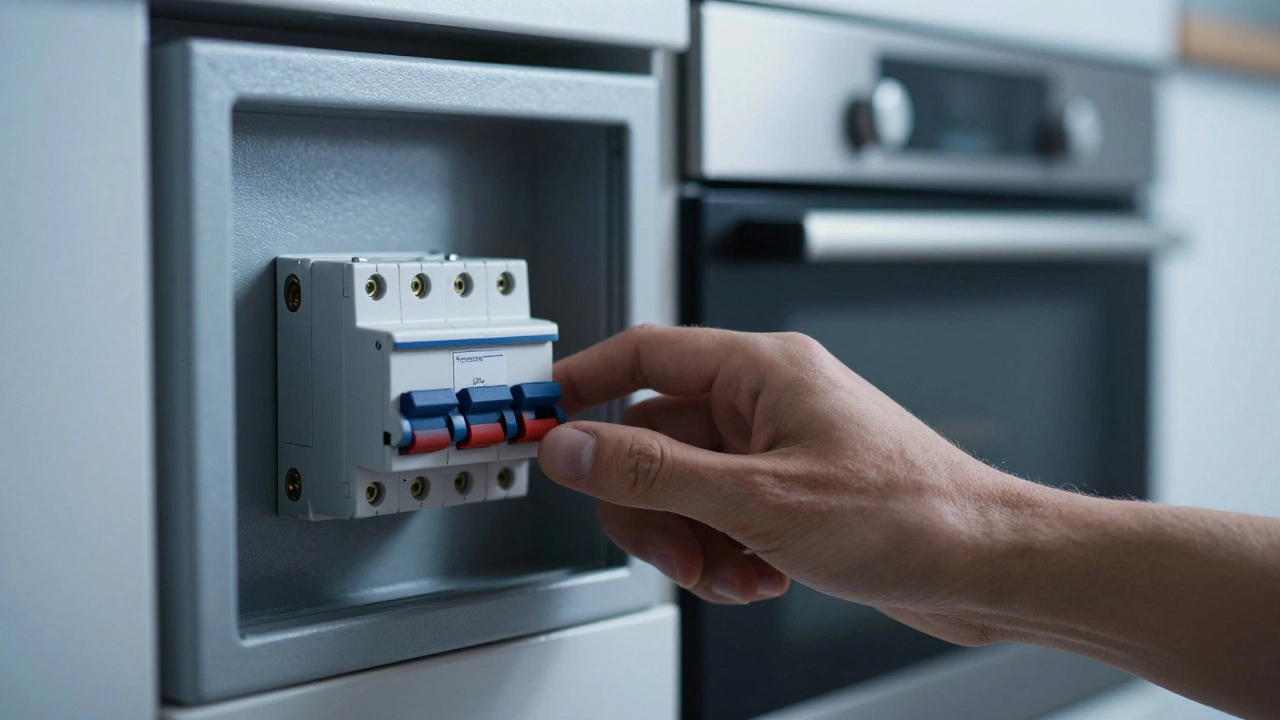
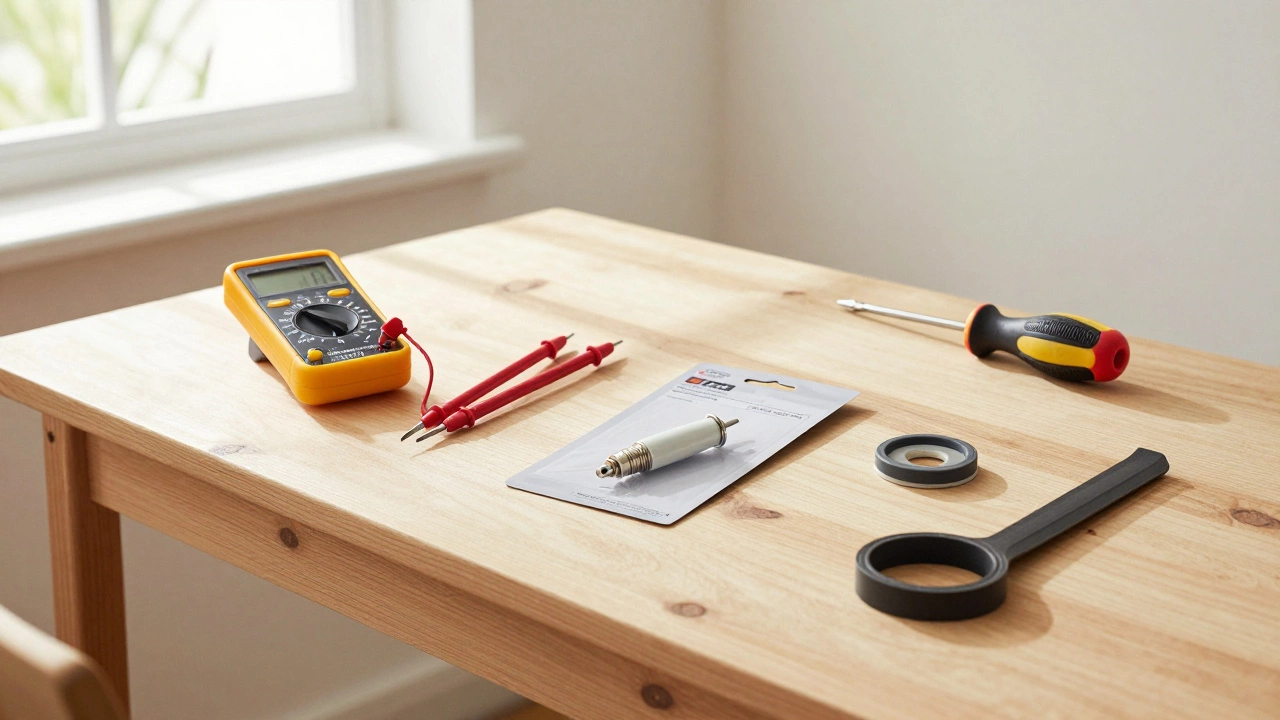
Before you touch a screwdriver, you need to cut the power. For electric ovens, flip the breaker in your main electrical panel off. Do not rely on the oven controls. For gas ovens, turn the gas supply valve off if possible, but keep in mind that some diagnostics require the gas to be on (with extreme caution). Always verify there is no voltage at the terminals using a multimeter before touching any wires. If you don’t have a multimeter, buy one. They cost about twenty dollars and save you from serious injury.
The Oven Won’t Heat Up At All
This is the most common complaint. If your oven stays cold despite being set to bake, the issue usually lies with the power source, the heating element, or the control board. Let’s break it down by fuel type.
Electric Ovens: Check the Heating Elements
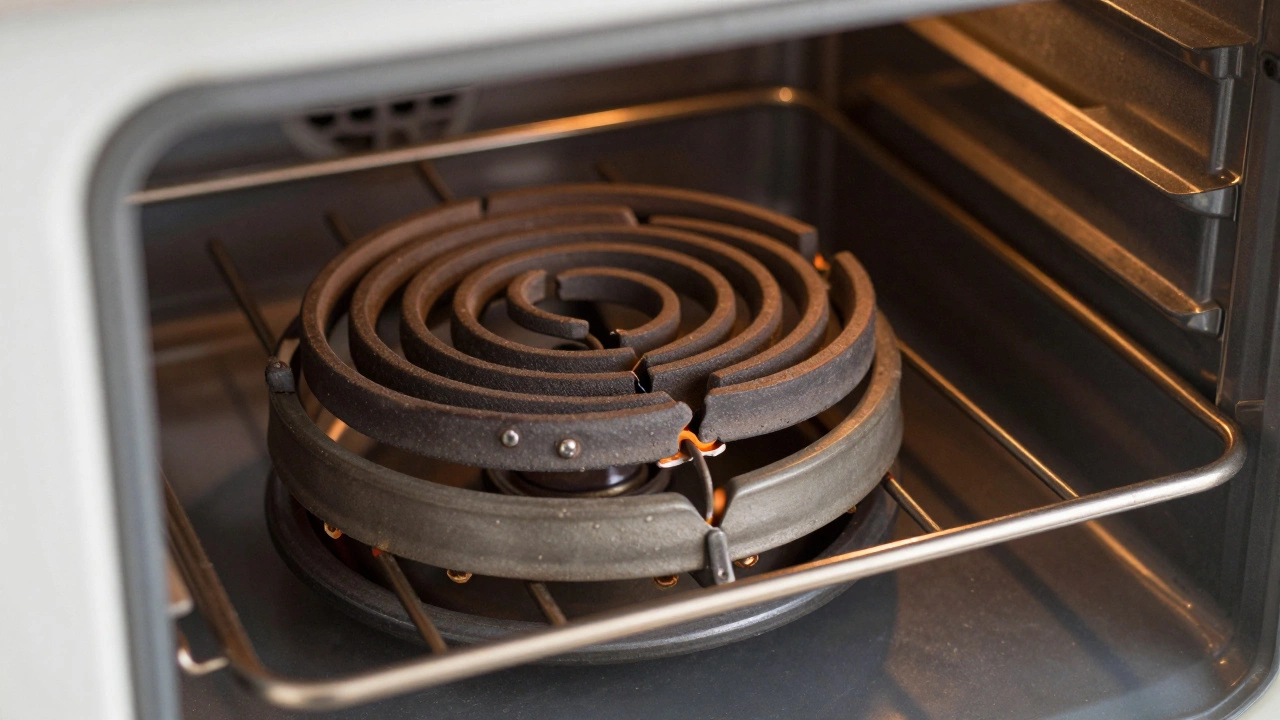
In an electric oven, heat comes from metal coils. There is usually a bake element at the bottom and a broil element at the top. If the oven won’t heat, look at the bake element. Does it glow red when turned on? If it glows only in spots or not at all, it’s dead. Visually inspect it for blisters, holes, or breaks. If you see damage, replace it immediately. These elements are cheap and easy to swap.
If the element looks fine but still doesn’t work, use your multimeter to check for continuity. Set the meter to the resistance setting (ohms). Touch the probes to the terminals of the element. A good element should read between 10 and 40 ohms. If the meter reads infinity (or OL), the circuit is broken inside the coil. Replace the element.
Gas Ovens: Inspect the Igniter
Gas ovens don’t use open flames to start; they use a glowing igniter. This part draws current to open the gas safety valve. If the igniter is weak, it won’t draw enough amperage to open the valve, and no gas flows. Look through the oven door while it’s trying to heat. Do you see the igniter glow orange-red after about 90 seconds? If it doesn’t glow at all, the igniter is likely cracked or burnt out. If it glows but the gas never lights, the igniter is weak. Both scenarios mean you need a new igniter. They are fragile ceramic parts, so handle them gently during installation.
Oven Temperature Is Inaccurate
Does your meat dry out because the oven runs too hot? Are your cakes raw in the middle because it runs too cold? This is often a calibration issue rather than a broken part. Modern ovens have a thermal fuse and a temperature sensor. Older models might just need a manual adjustment.
Start by verifying the actual temperature with an independent oven thermometer. Place it in the center of the oven and let it stabilize for 30 minutes. Compare the reading to the dial. If the difference is more than 25 degrees Fahrenheit, you have a problem.
Many ovens allow you to recalibrate the temperature via the control panel. Look for a "Calibration" or "Offset" menu in your user manual. You can usually adjust the temperature up or down by 35 degrees. If your oven lacks this feature, the issue might be the temperature sensor. This is a small metal probe sticking into the back wall of the oven cavity. Test it with a multimeter. It should read around 100 to 110 ohms at room temperature. If the reading is way off or shows no continuity, replace the sensor. It screws right out and plugs back in.
The Clock Keeps Resetting or Blinking
A blinking clock is annoying, but it rarely means your oven is broken. It usually indicates a power interruption. When the power goes out, even for a second, the oven’s memory resets. Simply press the "Clock" button and re-enter the time. If the clock keeps resetting randomly, check your home’s electrical connections. Loose wiring in the junction box or a tripping GFCI outlet nearby could be causing intermittent power loss.
If the power is stable but the clock remains unresponsive, the control board might be failing. The control board is the brain of the oven. If buttons don’t register presses, or if the display shows random characters, the board is likely fried. Replacing a control board is more expensive and complex. It requires removing the back panel of the oven and transferring every wire connector to the new board exactly as it was. Take photos before disconnecting anything. One wrong connection can blow the new board instantly.
Oven Door Won’t Close or Seal Properly
A loose door seal lets heat escape, making your oven work harder and waste energy. Check the gasket-the rubber-like strip around the door frame. Is it torn, brittle, or missing chunks? Clean it with warm soapy water first. Sometimes grease buildup prevents a tight seal. If cleaning doesn’t help, order a replacement gasket. They snap or glue into place depending on the model.
If the door itself feels heavy or slams shut, the hinges might be worn. Lubricate the hinge pins with silicone spray. Avoid WD-40, which can attract dust and degrade over time. If the hinges are bent, they may need professional realignment or replacement, as forcing them can crack the glass door.
| Symptom | Likely Cause | DIY Fix Difficulty |
|---|---|---|
| No heat (Electric) | Broken bake element | Easy |
| No heat (Gas) | Faulty igniter | Medium |
| Temp inaccurate | Bad sensor or needs calibration | Easy/Medium |
| Blinking clock | Power surge or bad control board | Hard |
| Heat loss | Damaged door gasket | Easy |
When to Call a Professional
While many oven repairs are DIY-friendly, some situations demand a certified technician. If you smell gas, evacuate the house immediately and call your gas company. Never try to fix a gas leak yourself. If the oven sparks visibly, smokes excessively, or trips the breaker repeatedly, there is a short circuit that could cause a fire. Also, if your oven is under warranty, opening the casing might void it. Check your manual first. For complex electronic failures involving the main control board, unless you are experienced with electronics, hiring a pro saves you from buying the wrong part or damaging other components.
Maintenance Tips to Prevent Future Issues
Prevention is cheaper than repair. Clean your oven regularly to prevent grease buildup on sensors and igniters. Use the self-cleaning cycle sparingly, as the extreme heat can stress internal components and degrade door seals. Keep the area around the oven vents clear of debris to ensure proper airflow. Finally, listen to your oven. Unusual buzzing, clicking, or humming sounds are early warning signs of failing relays or motors. Addressing them early can extend the life of your appliance by years.
How much does it cost to repair an oven?
Costs vary widely. Simple parts like heating elements or igniters cost $20-$50. Labor rates for technicians range from $75 to $150 per hour. Complex repairs involving control boards can exceed $300. Always get a diagnostic fee quote upfront.
Can I replace an oven heating element myself?
Yes, replacing an electric bake or broil element is one of the easiest DIY repairs. You typically just unscrew two nuts, disconnect wires, and install the new part. Ensure power is off before starting.
Why is my oven making a clicking noise?
A clicking sound in a gas oven is normal-it’s the igniter sparking. If it clicks continuously without lighting, the igniter or gas valve may be faulty. In electric ovens, clicking often indicates a failing relay on the control board.
Is it safe to clean the oven with bleach?
No, avoid mixing cleaners. Bleach can damage the enamel finish and produce toxic fumes when heated. Use mild soap and water or a dedicated oven cleaner designed for your specific oven type.
How long do oven heating elements last?
On average, electric heating elements last 8 to 10 years with regular use. Gas igniters typically last 5 to 7 years. Lifespan depends on frequency of use and exposure to spills or corrosive cleaners.