Extractor Fan Repair vs. Replace Diagnostic Tool
Select the symptom that best describes your fan's behavior to get a recommended action.
Weak Suction
Fan runs but barely pulls air or fails the "paper test".
Rattling / Humming
Loud vibrations or a rhythmic rattling sound.
Screeching / Grinding
High-pitched metal-on-metal or screeching noise.
Burning Smell / No Power
Smell of ozone/plastic or the unit won't turn on.
Excessive Vibration
The ceiling or wall vibrates when the fan is on.
Over 10 Years Old
Fan works, but you want better efficiency/quiet.
Quick Summary: The Lifespan of Your Fan
- Average lifespan: 5 to 10 years depending on the model.
- Replace immediately if the motor burns out or the housing is cracked.
- Repair is usually better for clogged filters or loose wiring.
- Signs of failure include strange noises, weak suction, or visible grease buildup.
- Regular cleaning can add 2-3 years to the life of your unit.
Most people don't think about their vent fans until they stop working or start making a noise like a jet engine taking off in the kitchen. You might be wondering if you can just scrub it clean or if it's time to rip the whole thing out. The truth is, there isn't one magic date on the calendar that says "replace now," but there are very clear signs that your fan has reached the end of the road.
How long do these things actually last?
If you're looking for a hard number, most extractor fan replacement is usually necessary every 5 to 10 years. However, that varies wildly based on where the fan is located. A fan in a guest bathroom that gets used once a week might last 15 years. A heavy-duty kitchen hood in a home where someone fries fish every night? That might struggle after 5 years because of grease buildup.
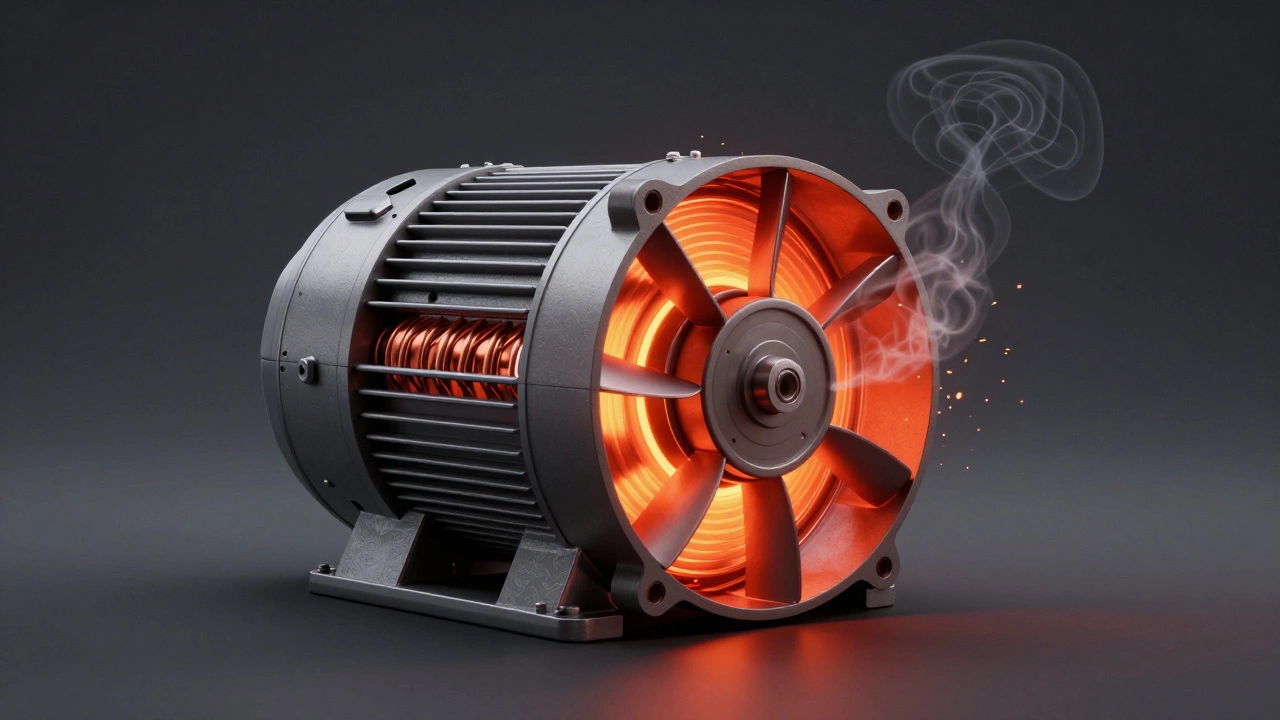
The Motor is the electrical component that drives the fan blades is the heart of the system. Once the bearings in that motor wear down, the fan starts to wobble or screech. In high-end models, you can sometimes replace just the motor, but in most modern, budget-friendly units, the motor is sealed. When it goes, the whole unit usually has to go with it.
Signs you can just repair it
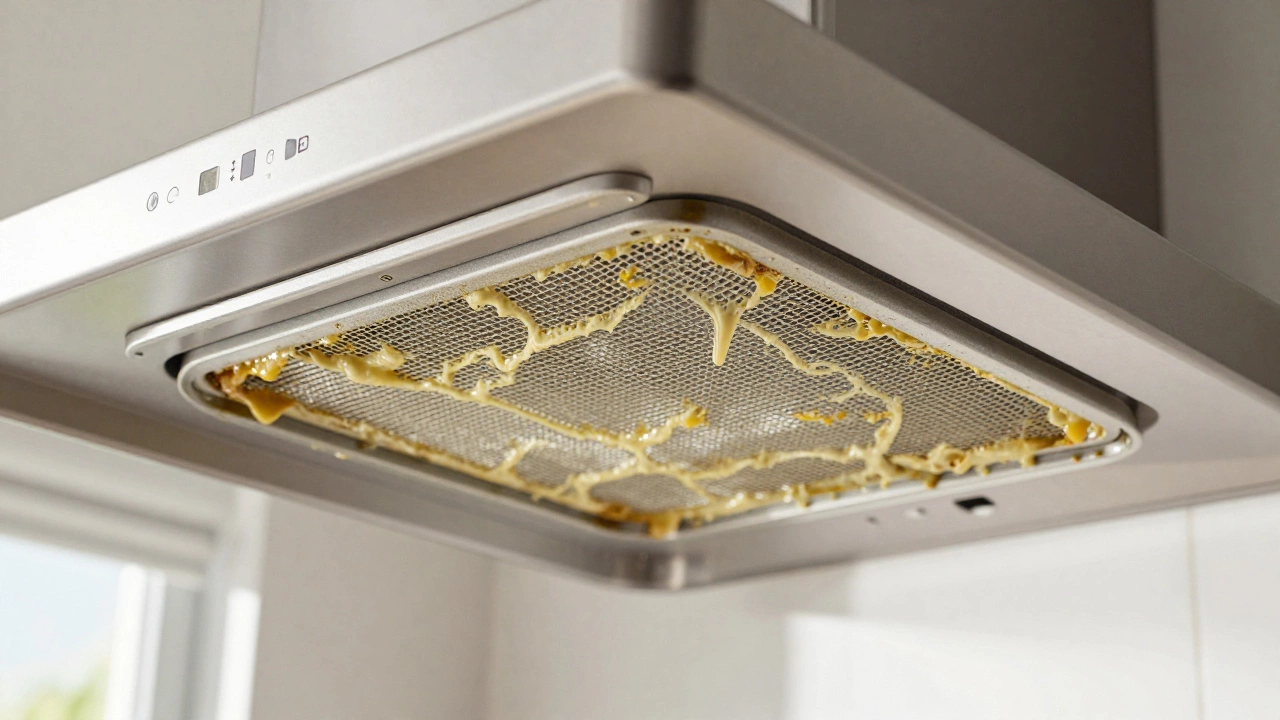
Before you go shopping for a new unit, check if the problem is just a lack of maintenance. A lot of "broken" fans are actually just filthy. If you notice the suction is weak, check the Filter is a removable mesh or charcoal component that traps grease and odors. If it's clogged with a thick layer of yellow slime, the motor has to work twice as hard to pull air through, which makes it sound louder and perform worse.
Other common fixable issues include:
- Loose Wiring: Sometimes a wire vibrates loose from the terminal. A quick check with a multimeter can tell you if the unit is getting power.
- Dusty Blades: Dust clings to the blades, throwing them out of balance. This causes that annoying vibration you feel in the ceiling or wall.
- Damaged Flaps: The exterior vent flap (the part that lets air out of the house) can get stuck shut by bird nests or paint, making the fan seem like it's not working.
When it's definitely time for a new one
There are a few red flags that mean repair is a waste of money. First, if you smell something like burning plastic or ozone, the motor windings are likely frying. That's a fire hazard. Stop using it immediately.
Second, look at the housing. If the plastic casing is cracked or warped from heat, it can't create a proper seal. This means air leaks back into the room instead of being sucked out. Third, if the fan makes a grinding metal-on-metal sound, the bearings have failed. While a pro could theoretically replace bearings, the cost of labor for extractor fan repair would be higher than simply buying a brand new, more efficient model.
| Symptom | Likely Cause | Recommended Action |
|---|---|---|
| Weak suction / Low airflow | Clogged filters or dust | Deep Clean / Replace Filter |
| Loud rattling or humming | Unbalanced blades or loose mount | Tighten Screws / Clean Blades |
| High-pitched screeching | Worn out motor bearings | Full Replacement |
| Burning smell / No power | Motor burnout / Electrical failure | Full Replacement |
| Excessive vibration | Motor misalignment | Repair (if possible) or Replace |
Upgrading for better efficiency
If your fan is more than 10 years old, replacing it isn't just about fixing a break-it's about upgrading. Older fans are energy hogs. Modern units often use Brushless DC Motors is a type of electric motor that doesn't use carbon brushes, resulting in higher efficiency and longer life. These are significantly quieter and use a fraction of the electricity.
You should also look at the CFM Rating is Cubic Feet per Minute, a measure of the volume of air a fan can move in one minute. If you've noticed your bathroom stays steamy for twenty minutes after a shower, your old fan likely had a low CFM. Switching to a unit with a higher rating will clear the air faster and prevent mold from growing on your ceiling.
The danger of ignoring a failing fan
It's tempting to just let a noisy fan be, but skipping the replacement can lead to bigger problems. In a kitchen, a failing extractor fan allows grease to settle on your cabinets and walls, creating a sticky film that's nearly impossible to remove. In a bathroom, the lack of ventilation leads to condensation. Over time, this moisture seeps into the drywall and creates a breeding ground for black mold.
Think of your fan as a moisture management system. When it fails, the water has to go somewhere. Usually, it goes into your building materials, which can lead to expensive structural repairs down the line. Replacing a $100 fan now is much cheaper than fixing a rotted ceiling later.
Maintenance tips to double the life of your fan
You can make your new fan last much longer with a few simple habits. For kitchen hoods, wash the metal grease filters in hot soapy water or the dishwasher every month. If you use charcoal filters for odors, replace them every 3 to 6 months. Once they are saturated, they actually block airflow, putting stress on the motor.
For bathroom fans, use a vacuum cleaner with a brush attachment to suck the dust out of the grille every few months. If the fan is in a high-humidity area, consider installing a humidity sensor switch. This ensures the fan runs long enough to actually clear the moisture, rather than just relying on someone remembering to flick the switch.
Can I just replace the motor instead of the whole fan?
In some high-end or industrial models, yes. However, most residential fans are built as a single unit. The cost of sourcing a compatible motor and paying a technician to install it often exceeds the price of a brand new, more energy-efficient unit.
Why is my extractor fan making a loud buzzing noise?
Buzzing usually comes from one of three things: a loose mounting screw causing the housing to vibrate, a buildup of grime on the blades causing an imbalance, or the motor bearings wearing out. Try cleaning the blades first; if the noise persists, the motor is likely failing.
How do I know if the suction is actually weak?
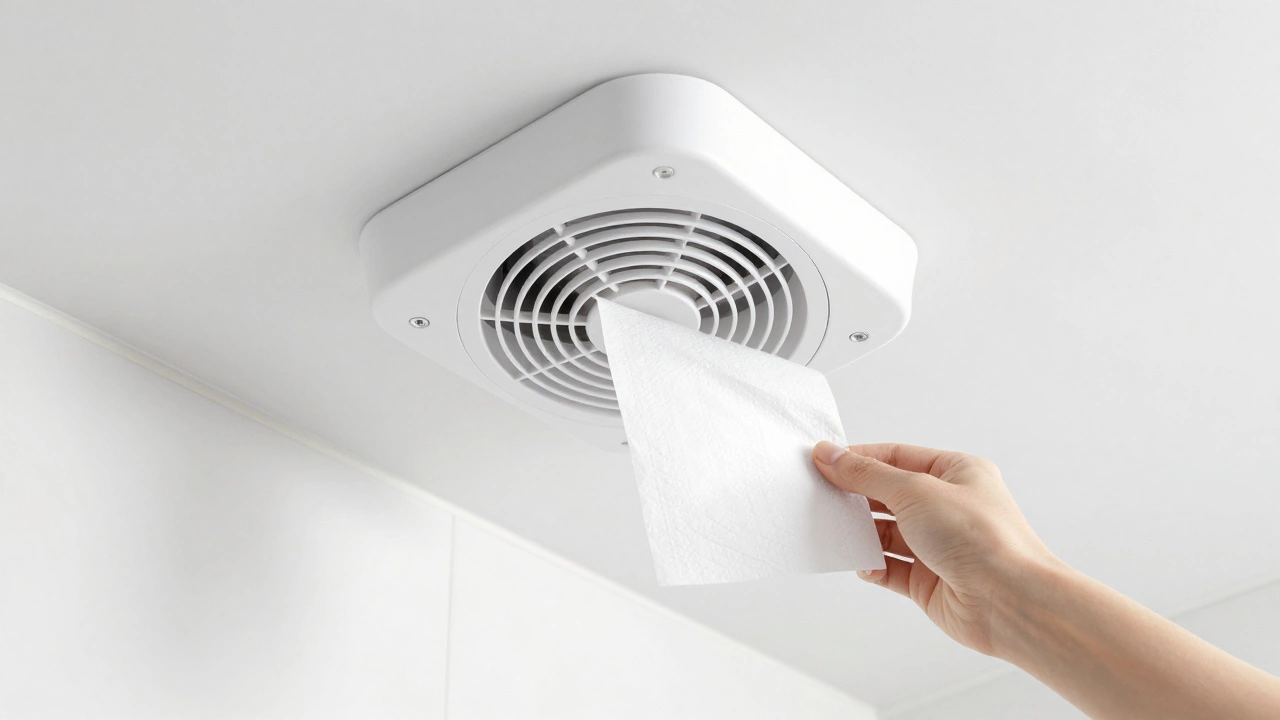
The simplest test is the "paper test." Take a single sheet of toilet paper or a paper towel and hold it up to the fan grille while it's running. The fan should be strong enough to hold the paper firmly against the grille. If it slips or barely clings, your airflow is insufficient.
Do I need a professional to replace an extractor fan?
If the new fan fits the existing hole and uses the same wiring, a handy homeowner can do it. However, if you need to move the ducting, change the electrical circuit, or cut a larger hole in the ceiling, you should hire a licensed electrician or contractor to ensure it's safe and vented correctly.
Does a timer help the fan last longer?
A timer doesn't necessarily make the motor last longer, but it makes the fan more effective. Many people turn the fan off as soon as they leave the room, leaving moisture behind. A timer ensures the room is fully dried, which protects your walls and ceiling from mold.
What to do next
If you've decided it's time for a change, start by measuring the diameter of your current ceiling cutout or the width of your range hood. This prevents the nightmare of having to patch and paint a ceiling because the new fan was too small, or spending an hour cutting a hole because it was too big.
If you are unsure if your fan is actually broken or just dirty, try a deep clean first. Use a degreaser for kitchen fans and a vacuum for bathroom fans. If the noise doesn't stop after a thorough cleaning, it's time to browse for a new model with a higher CFM rating and a brushless motor for a quieter, more efficient home.