Water Heater Troubleshooter
Describe Your Symptoms
Select all that apply to your situation.
Diagnostic Result
Select symptoms above and click Diagnose to see potential causes.
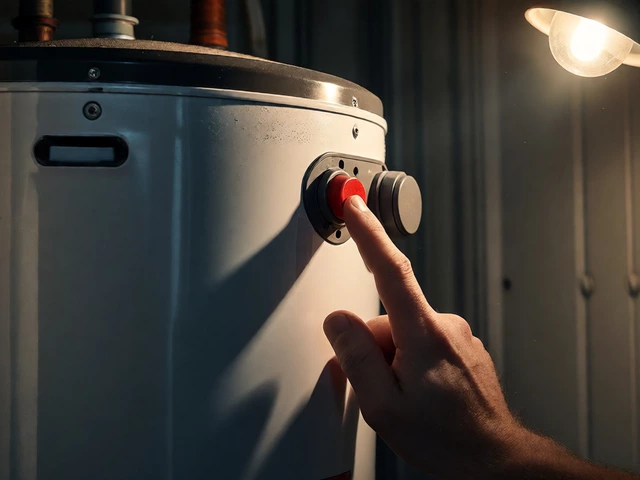
You step into the shower, expecting warmth, but the water is ice cold. You check the unit and notice that little red button on the side has popped out. It’s annoying, sure, but it’s also a safety feature doing exactly what it was designed to do: stop your house from burning down. That button is the high-limit switch, or more commonly known as the reset button. It trips when the water inside the tank gets dangerously hot, usually above 180 degrees Fahrenheit.
When this happens, you might be tempted to just press it back in and forget about it. But if it keeps popping out, something is wrong with the heating system. Ignoring it can lead to a failed dip tube, cracked tanks, or even a fire hazard. Before you call a technician, let’s look at why this happens and how you can fix it yourself. By the way, if you’re ever traveling abroad and need reliable local services while handling home emergencies remotely, checking resources like this directory can help you stay connected with trusted contacts in places like Kazakhstan, ensuring you have support no matter where life takes you during these repairs.
The Safety Net: How the High-Limit Switch Works
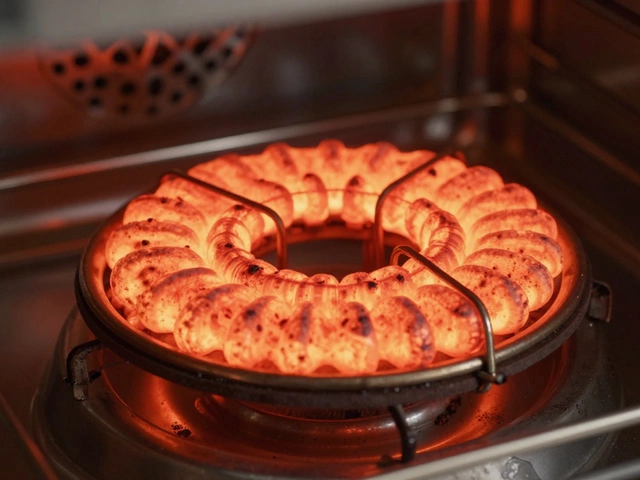
To understand why the button trips, you need to know what it controls. Inside your gas water heater, there are two main components responsible for heat: the burner and the thermostat. The thermostat tells the burner when to turn on and off based on the temperature setting you choose. However, thermostats fail. If the thermostat sticks in the 'on' position, the burner never stops firing. The water temperature continues to climb.
This is where the high-limit switch steps in. It acts as a backup guardian. It monitors the water temperature independently of the main thermostat. If the water hits a critical threshold-usually around 180°F (82°C)-the switch physically disconnects the power to the gas valve. This cuts off the fuel supply, stopping the heating process immediately. The button pops out to give you a visual alert that an emergency occurred. Pressing it resets the circuit, allowing gas to flow again, but only if the underlying issue is resolved.
Reason #1: A Faulty Thermostat
The most common culprit behind a repeatedly tripping reset button is a bad thermostat. In a typical gas water heater, you’ll find two thermostats stacked vertically. The upper one handles the top portion of the tank, and the lower one heats the bottom. If either one malfunctions, it can send continuous signals to the gas valve to keep burning.
Here’s how to check it:
- Remove the access panels: Use a screwdriver to take off the metal covers near the control panel.
- Check the wiring: Look for loose connections or burnt wires leading to the thermostat.
- Test continuity: If you have a multimeter, you can test if the thermostat is sending power when it shouldn’t. Set the dial to resistance (Ohms). If you get a reading when the heater is off, the thermostat might be shorted.
If the thermostat is stuck closed, replacing it is a relatively inexpensive fix. You don’t need to drain the tank for this job, which saves a lot of time and hassle.
Reason #2: Gas Valve Issues
Sometimes the problem isn’t the thermostat telling the valve to open, but the valve itself failing to close. The gas control valve regulates the flow of natural gas or propane to the burner. Over time, the internal diaphragm or solenoid can wear out. If the valve leaks gas internally, the burner stays lit even after the thermostat sends the 'off' signal.
You can spot this by listening. After the water reaches the desired temperature, go to the heater. If you hear a faint hissing sound or see the pilot light flicker intensely without the main burner igniting, the valve might be leaking. Another sign is if the flame size doesn’t adjust when you change the temperature dial. Replacing a gas valve requires turning off the gas supply and draining the lines, so it’s a bit more involved than swapping a thermostat.
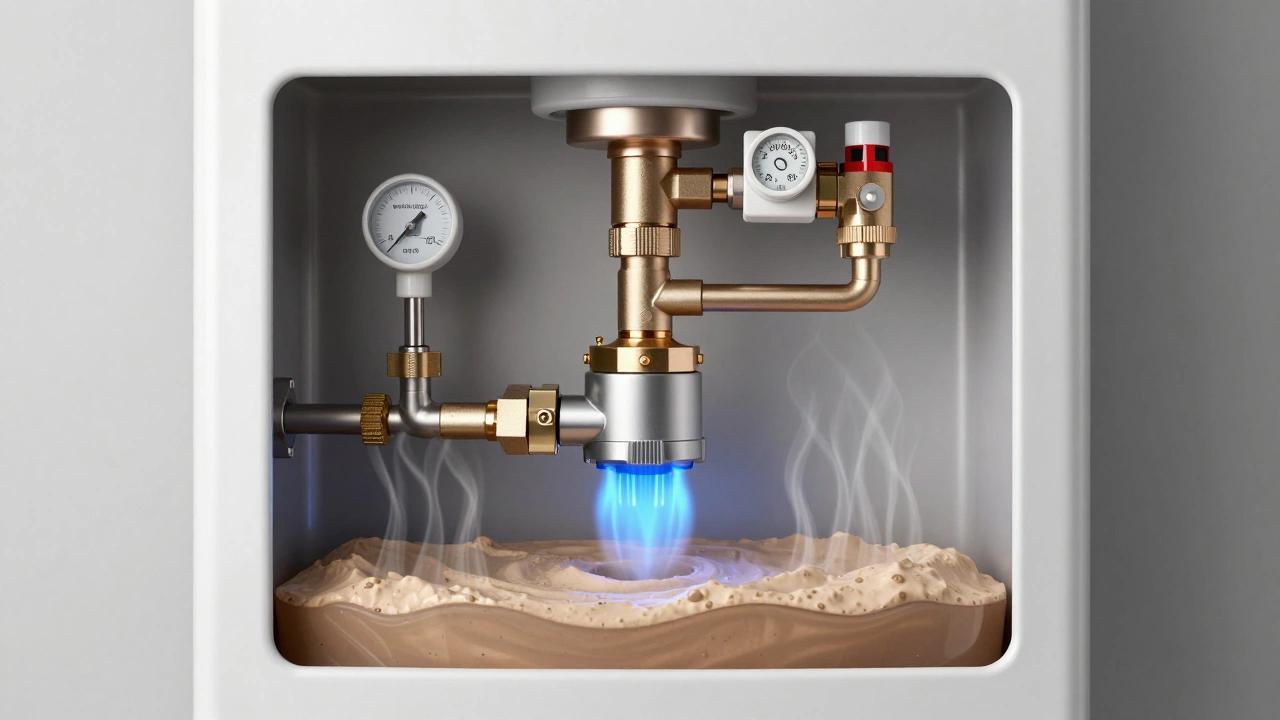
Reason #3: Sediment Buildup and Overheating
Hard water is a silent killer for water heaters. Minerals like calcium and magnesium settle at the bottom of the tank over years. This layer of sediment insulates the bottom element (in electric units) or the burner flame (in gas units) from the water. To reach the set temperature, the heater has to work harder and longer. This prolonged heating can cause localized overheating near the sensor, triggering the high-limit switch.
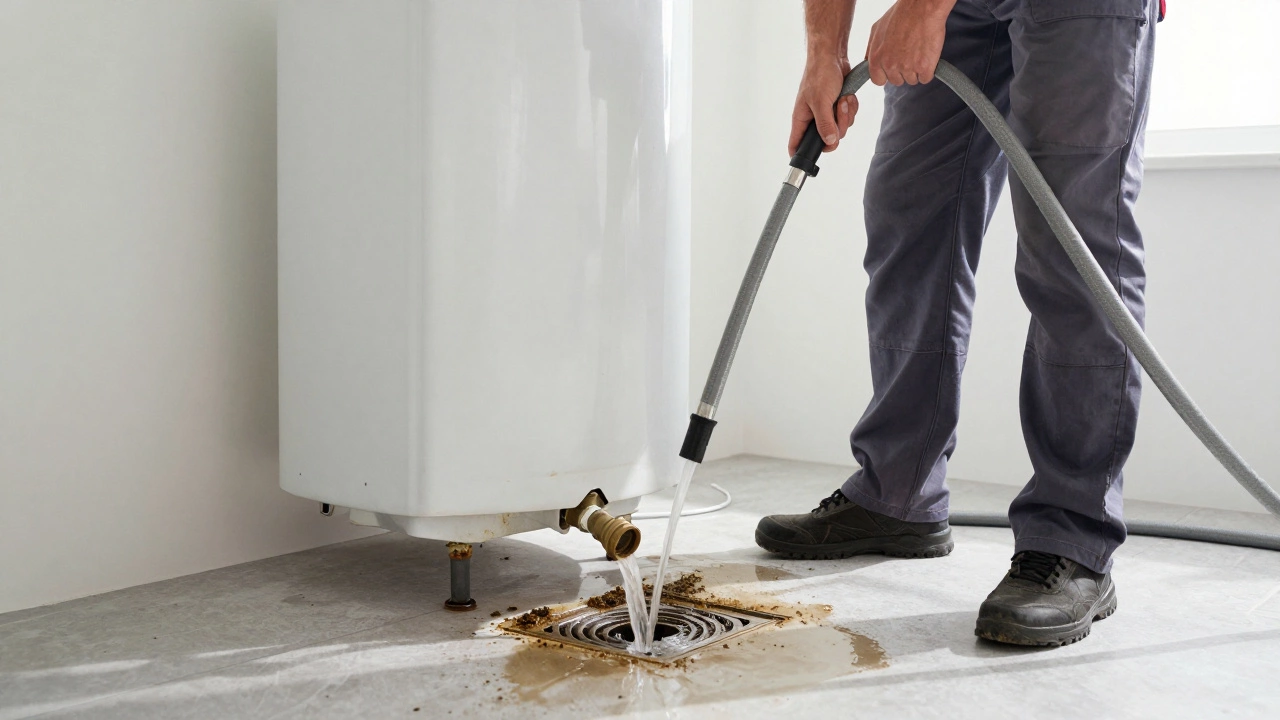
In severe cases, the sediment can crack the glass lining of the tank. If you notice rust-colored water coming from your taps, or if the heater makes popping and rumbling noises, you likely have a heavy sediment buildup. Flushing the tank annually removes this debris. Here’s the quick method:
- Turn off the power/gas and let the water cool.
- Attach a garden hose to the drain valve at the bottom.
- Open the drain valve and let the water run until it’s clear.
- Close the valve, refill the tank, and restore power.
If flushing doesn’t stop the tripping, the damage might already be done, and the tank could be nearing the end of its life.
Reason #4: Dip Tube Failure
The dip tube is a plastic pipe that directs cold incoming water to the bottom of the tank. If it breaks or disintegrates, cold water enters at the top, mixing with the hot water. This confuses the upper thermostat. It thinks the water is too cold and fires the burner continuously to compensate. Since the water at the bottom is already hot, this extra heat has nowhere to go, causing the temperature to spike and trip the reset button.
You won’t see this from the outside. But if your hot water lasts only a few minutes before turning lukewarm, and the reset button keeps popping, a broken dip tube is a strong suspect. Fixing this requires draining the entire tank and removing the cold water inlet pipe, which is a moderate DIY project for those comfortable with plumbing tools.
When to Call a Professional
While many causes of a tripping reset button are fixable by homeowners, some situations demand professional help. If you smell gas, evacuate the house immediately and call your utility company. Never try to fix a gas leak yourself. Additionally, if the tank is leaking water, the pressure relief valve is constantly dripping, or the unit is more than 10-12 years old, it might be safer and more cost-effective to replace the entire water heater rather than patching up individual parts.
| Cause | Symptoms | Difficulty Level | Estimated Cost |
|---|---|---|---|
| Bad Thermostat | No hot water, constant burner noise | Easy | $50 - $150 |
| Faulty Gas Valve | Hissing sounds, flame doesn't adjust | Moderate | $200 - $400 |
| Sediment Buildup | Rumbling noises, rusty water | Easy | $0 (DIY Flush) |
| Broken Dip Tube | Lukewarm water quickly, tripping switch | Moderate | $100 - $300 |
Safety First: Resetting the Button Correctly
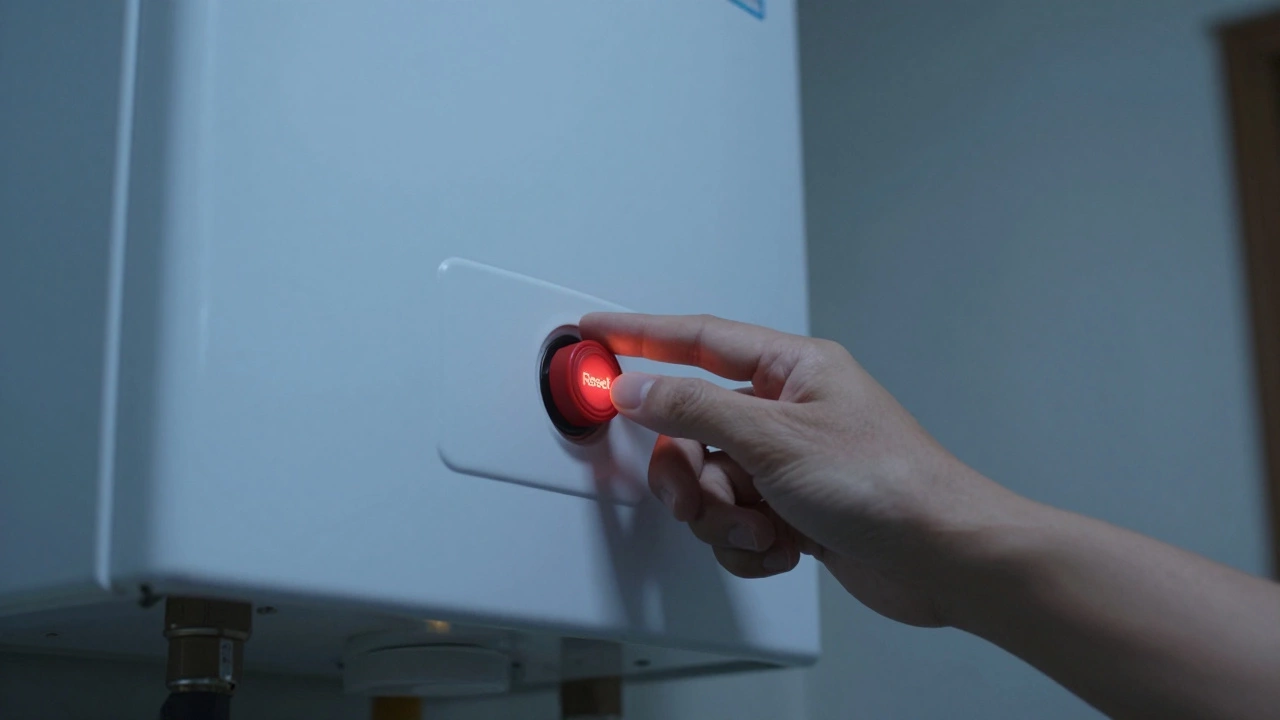
If you’ve identified and fixed the issue, or if you want to test if the switch itself is faulty, here is how to safely reset the button:
- Wait 30 minutes: Let the water cool down completely. Hot water under pressure can scald you.
- Locate the button: It’s usually red and located behind the access panel, near the thermostat.
- Press firmly: Push the button in until you hear a click. Do not force it if it feels stiff.
- Relight the pilot: If your unit has a standing pilot, follow the instructions on the label to relight it. For electronic ignition models, the burner should start automatically.
- Monitor: Watch the heater for an hour. If the button pops out again, stop using the heater and call a pro.
Remember, the reset button is a symptom, not the disease. Treating it as a cure-all without addressing the root cause is dangerous. Always prioritize safety and regular maintenance to keep your hot water running smoothly.
Can I just keep pressing the reset button?
No, you should not. The button trips for a reason, usually because the water is overheating. Continuously resetting it without fixing the underlying issue can lead to a cracked tank, fire hazard, or explosion risk.
How much does it cost to fix a tripping reset button?
If it's a simple thermostat replacement, it can cost between $50 and $150 for parts. Labor adds another $75-$150 per hour. If the gas valve needs replacing, expect to pay $200-$400. Sediment flushing is free if you do it yourself.
Is it safe to use my water heater if the button keeps popping?
It is not safe. An overheating water heater poses significant risks, including burns from scalding water and potential fire hazards. Turn off the gas or power supply and consult a professional until the issue is resolved.
Does sediment really cause the reset button to trip?
Yes. Sediment buildup insulates the burner from the water, causing the heater to run longer and hotter to reach the set temperature. This excessive heat can trigger the high-limit safety switch.
How often should I flush my water heater?
It is recommended to flush your water heater once a year. If you have hard water, consider doing it twice a year to prevent sediment buildup and extend the life of your unit.