Refrigerator Repair vs. Replace Calculator
Enter Your Details
Enter details to see if you should Repair or Replace.
Repair Cost:
New Unit Cost:
50% Threshold:
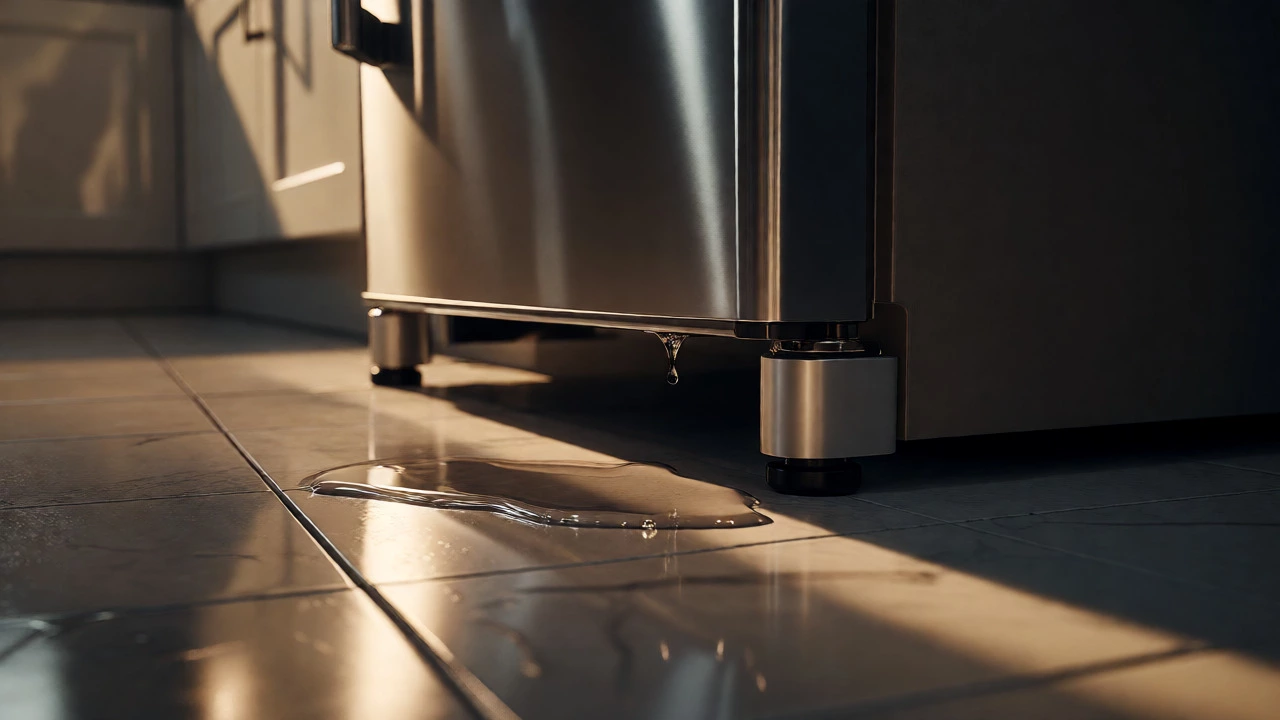
You’re standing in your kitchen, staring at a puddle of water or listening to a hum that sounds like a dying bee. Your first thought isn’t about physics; it’s about your bank account. How much is this going to hurt? If you’ve ever called a technician only to be quoted a price that makes you consider buying a new unit entirely, you’ve likely encountered the most expensive component in any refrigerator: the compressor.
But here’s the twist. While the compressor is technically the most expensive part to replace, it’s rarely the one that breaks first. The real financial pain often comes from labor-intensive issues like sealed system leaks or complex electronic board failures. Understanding what drives these costs up helps you decide whether to fix or replace. Let’s break down the actual numbers, the hidden dangers, and why some "simple" fixes cost more than others.
The Compressor: The Heart of the Beast
Think of the compressor as the heart of your fridge. It pumps refrigerant through the coils, moving heat out of the box and into your kitchen air. When it fails, the fridge stops cooling entirely. This isn’t just a broken fan belt; it’s a major mechanical failure.
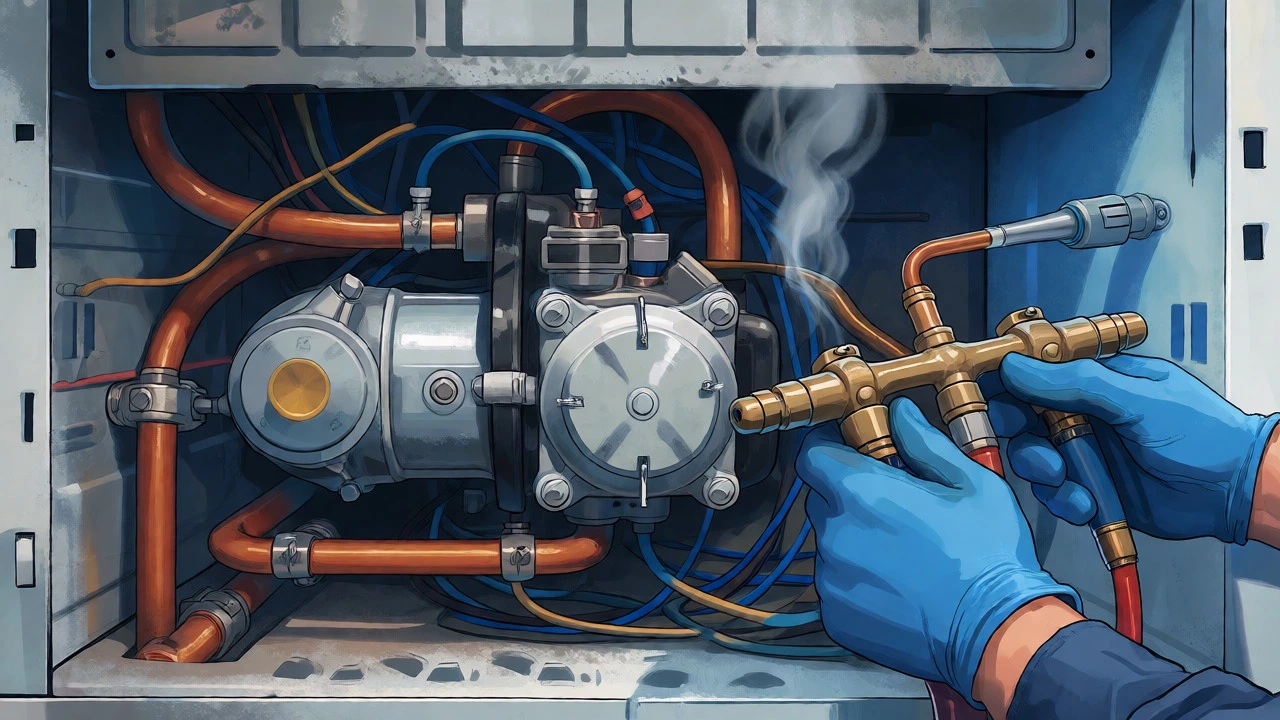
In New Zealand, replacing a compressor typically costs between NZD $800 and $1,500. Why so high? It’s not just the part itself, which can run $300-$600 depending on the brand (Samsung, LG, Fisher & Paykel). It’s the labor. Replacing a compressor requires:
- Brazing skills: You have to cut old copper lines and weld new ones under pressure.
- Vacuum pumping: The system must be pulled to a deep vacuum to remove moisture and air before recharging.
- Refrigerant handling: Modern fridges use R600a (isobutane), which is flammable. Technicians need specific certifications and equipment to handle it safely.
If your fridge is over 10 years old, a compressor quote often signals the end of its life. The energy efficiency of older compressors is poor compared to modern inverter models, meaning a repair might save you upfront but cost you in electricity bills long-term.
Sealed System Leaks: The Invisible Money Pit
Here’s where things get tricky. A sealed system leak is often more expensive to fix than a straightforward compressor swap because finding the leak is half the battle. The refrigerant lines are buried behind walls, under floors, or inside the foam insulation of the fridge cabinet.
Technicians use electronic leak detectors or ultraviolet dye to hunt for the breach. If the leak is accessible (like in the evaporator coil at the back), repair costs sit around NZD $400-$700. But if the leak is inside the cabinet wall? That’s a different story. Some technicians will bypass the internal coils with external tubing, which works but looks messy and reduces efficiency. Others might recommend replacement because digging into the foam is risky and time-consuming.
| Repair Type | Average Cost (NZD) | Labor Intensity | Common Cause |
|---|---|---|---|
| Compressor Replacement | $800 - $1,500 | High | Age, voltage spikes, overheating |
| Evaporator Coil Leak | $400 - $700 | Medium-High | Corrosion, defrost cycle issues |
| Main Control Board | $300 - $600 | Low-Medium | Power surges, moisture damage |
| Door Seals/Gaskets | $100 - $250 | Low | Wear and tear, mold buildup |
| Defrost Timer/Thermostat | $150 - $300 | Low | Electrical wear, ice buildup |
Electronic Control Boards: The Brain Failure
Modern fridges aren’t just mechanical boxes; they’re computers with chillers. The main control board manages everything from the ice maker to the temperature sensors. When this board fries, the fridge might run constantly, stop completely, or display error codes that make no sense.
Replacing a control board usually costs NZD $300 to $600. The part itself might be $150-$300, but sourcing it can take weeks for discontinued models. Plus, diagnostic fees apply because technicians need to rule out simpler issues like bad sensors or wiring shorts before condemning the board.
Pro tip: Power surges are the biggest killer of control boards. If you live in an area with unstable grid power, plug your fridge into a surge protector. It’s a $20 investment that saves hundreds later.
Why Labor Costs Dominate the Bill
People often ask, "Why does a $50 part cost $200 to install?" In appliance repair, you’re paying for expertise, travel, and liability. Here’s how the math works in Auckland:
- Call-out fee: Typically $80-$120 just to show up.
- Hourly rate: $100-$150 per hour after the first hour.
- Parts markup: Suppliers charge retail prices; technicians add a margin to cover warranty risks.
A simple thermostat swap might take 30 minutes, but you still pay the call-out plus an hour of labor. Complex jobs like compressor replacements take 2-3 hours on-site, sometimes requiring a second visit for final testing. This structure means minor electrical faults can feel disproportionately expensive compared to their part cost.
Fix vs. Replace: The 50% Rule
How do you know when to walk away? Use the 50% rule. If the repair cost exceeds 50% of the price of a comparable new fridge, replace it. For example, if a new mid-range fridge costs $1,200 and the repair quote is $700, buy the new one. You’ll get better energy ratings, a fresh warranty, and no risk of other components failing soon.
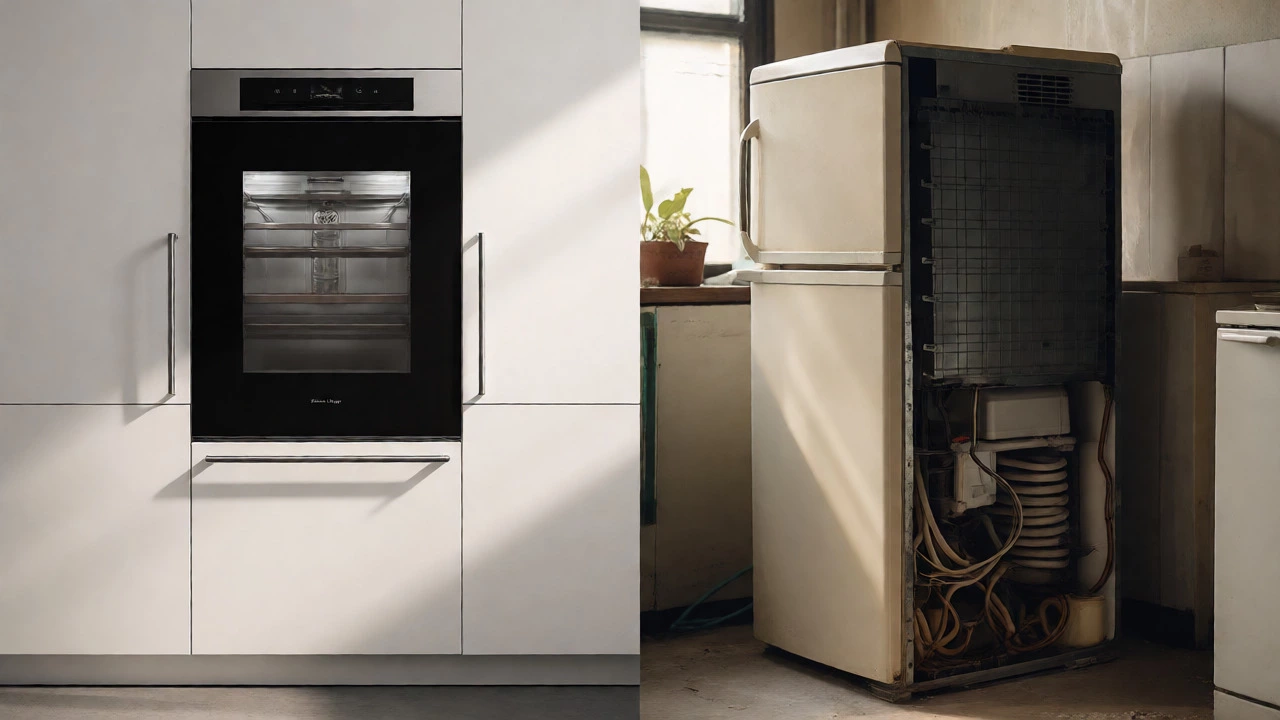
Exceptions exist. If you have a built-in Fisher & Paykel integrated fridge that matches your cabinetry, replacement involves carpentry and custom panels, pushing costs way up. In that case, even a $900 compressor repair might be worth it versus a $3,000 total integration job.
Preventing the Big Bills
You can avoid the most expensive repairs by doing three simple things twice a year:
- Clean the condenser coils: Dust acts as insulation, forcing the compressor to work harder. Vacuum the back or bottom grille every six months.
- Check door seals: Close the door on a piece of paper. If it slides out easily, your gasket is worn. Cold air escapes, making the compressor run non-stop.
- Don’t overload: Blocking airflow vents prevents proper circulation, causing uneven cooling and strain on fans and motors.
These habits extend compressor life significantly. Most compressors fail due to overheating or short-cycling caused by dirty coils or faulty thermostats, not random breakdowns.
Frequently Asked Questions
Is it worth repairing a 10-year-old refrigerator?
Generally, no. If the repair costs more than $500, replace it. Older fridges lack the energy efficiency of modern inverters, so you’ll save on electricity bills too. However, if it’s a high-end built-in model with matching cabinets, repair might still be cheaper than full replacement and installation.
How long do refrigerators last in New Zealand?
The average lifespan is 10-15 years. Brands like Fisher & Paykel and Samsung tend to last toward the lower end due to complex electronics, while simpler brands like Hisense or Electrolux may reach the higher end. Regular maintenance can add 2-3 years to this timeline.
Can I replace a compressor myself?
Technically yes, but practically no. You need brazing equipment, a vacuum pump, manifold gauges, and refrigerant handling certification. One mistake with R600a refrigerant can cause a fire or explosion. It’s best left to licensed professionals.
Why is my fridge leaking water?
Usually, it’s a clogged defrost drain, not a seal issue. Ice melts during the defrost cycle but can’t drain properly, overflowing into the fridge. Clearing the drain tube with warm water and a turkey baster often fixes this for free. If water pools outside, check the drip pan underneath.
Are inverter compressors more expensive to fix?
Yes. Inverter compressors require compatible variable-frequency drive boards. If both fail, you’re looking at two major component replacements instead of one. They are more efficient but less forgiving of electrical surges.
Next Steps for Auckland Homeowners
If your fridge is acting up, start with the cheap checks. Clean the coils, test the door seals, and listen for unusual noises. If the problem persists, get a written quote that separates parts from labor. Ask specifically if the repair includes a warranty on both parts and workmanship-reputable NZ technicians offer at least 12 months on repairs.
Remember, the most expensive thing to fix isn’t always the part with the highest sticker price. It’s the combination of rare parts, skilled labor, and the risk of further failures in aging units. Know your numbers, check your warranty status, and don’t let a small hum turn into a four-figure headache.