Freezer Troubleshooter
Answer the questions below to diagnose your freezer issue. Click 'Yes' or 'No' for each step.
Recommended Action:
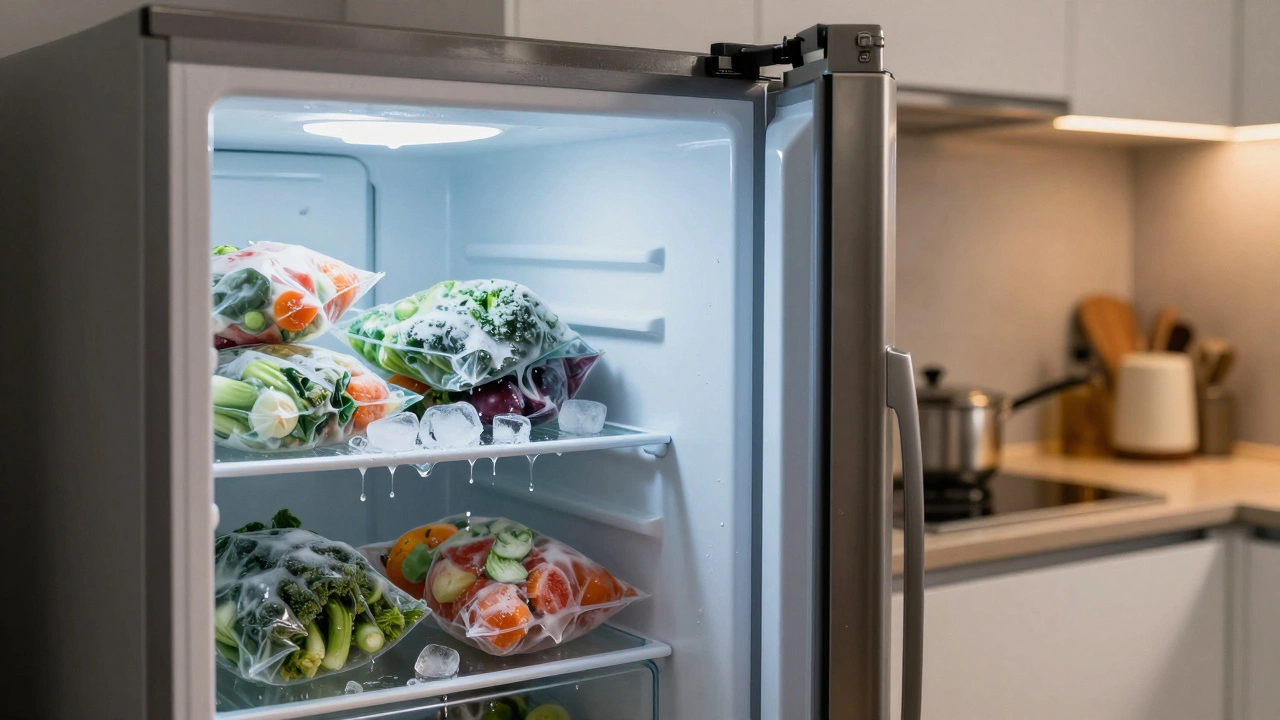
It is one of the most stressful moments in any kitchen. You open your freezer is a household appliance designed to store food at sub-zero temperatures to prevent spoilage, expecting solid ice cubes and frozen meals, but instead, you find slushy messes and rising temperatures. The hum that usually signifies safety has gone silent, or perhaps it’s running non-stop without cooling. Panic sets in immediately because you know exactly what is at stake: hundreds of dollars worth of groceries, family memories in photo albums stored for safety, or critical medical supplies.
The good news is that a sudden failure does not always mean the end of the appliance. In many cases, the issue is something as simple as a tripped power switch or a dirty coil. However, ignoring the problem can lead to total system failure and significant food loss. Understanding why this happens allows you to act fast, potentially saving your inventory and avoiding an expensive replacement cost.
Check the Power Supply First
Before you call a technician or start unscrewing panels, look at the basics. It sounds obvious, but power issues are responsible for nearly half of all "broken" appliance calls. A power outage is a temporary interruption of electricity supply to a specific area or device might have occurred while you were asleep or away. Check other appliances in the kitchen. Is the microwave clock on? Is the fridge light working?
If the rest of the kitchen has power, inspect the freezer's plug. Sometimes, heavy doors slamming shut or vacuum cleaners dragging cords across the floor can knock the plug loose from the wall socket. Ensure it is seated firmly. Next, check your home’s circuit breaker panel. If the freezer shares a circuit with other high-draw appliances like the oven or washing machine, a surge could have tripped the breaker. Flip the switch back on if it is in the middle position.
Also, look for a GFCI (Ground Fault Circuit Interrupter) outlet nearby. These outlets have "Test" and "Reset" buttons and are common in kitchens and garages. If the button pops out, the power is cut. Press "Reset" to restore electricity. This is a safety feature that trips when it detects moisture or a fault, preventing electrical shock.
Thermostat Settings and Malfunctions
If power is flowing but the unit isn't cold, the brain of the operation-the thermostat is a control device that regulates temperature by switching heating or cooling systems on and off-might be confused or broken. Over time, thermostats can drift out of calibration. You might think it is set to -18°C (0°F), but internally, it thinks -5°C is sufficient.
Try turning the dial to the coldest setting. Listen closely. Do you hear the compressor kick in? The compressor is the heart of the refrigeration cycle. If you turn the dial down and hear a click followed by the low rumble of the motor starting, your thermostat likely just needed a reset or recalibration. Let it run for a few hours and see if the temperature drops.
If you turn the dial and nothing happens, the thermostat itself may have failed electrically. It cannot send the signal to the compressor. In older models, these are mechanical dials; in newer digital units, they are electronic sensors. A faulty sensor will display a temperature, but it won’t trigger the cooling cycle. Replacing a thermostat is generally a low-cost repair compared to replacing the entire unit.
Dirty Condenser Coils Cause Overheating
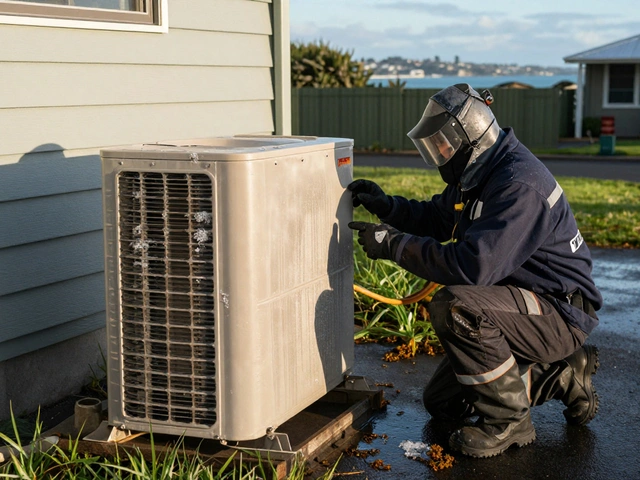
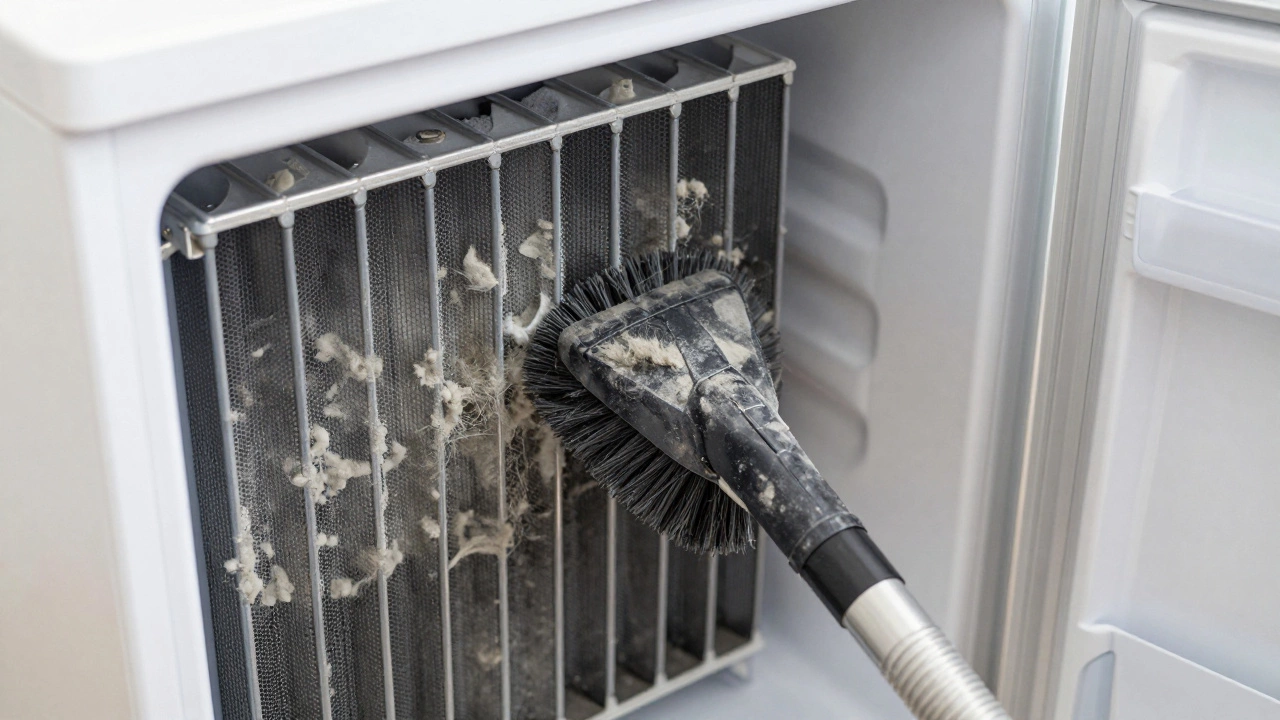
This is the number one cause of premature freezer failure that homeowners miss. Every freezer has condenser coils are metal tubes located on the back or bottom of the appliance that release heat absorbed from inside the freezer. Their job is to dissipate heat. If they are clogged with dust, pet hair, and grime, the heat has nowhere to go.
When the coils are dirty, the compressor is the mechanical pump that circulates refrigerant through the freezer's cooling system has to work much harder to maintain the cold temperature. Eventually, it overheats and shuts down to protect itself from burning out. This thermal overload is a safety mechanism. Once it cools down, it might start again, leading to a cycle of intermittent cooling until it fails completely.
To fix this, unplug the freezer and pull it away from the wall. Use a vacuum cleaner with a brush attachment or a specialized coil brush to clean the coils. If they are on the back, you’ll see a grid of metal fins. If they are underneath, you’ll need to remove the front grill. Cleaning these coils every six months can extend the life of your freezer by years and improve energy efficiency significantly.
Faulty Door Seals and Gaskets
A freezer works by keeping warm air out. If warm air leaks in, the unit runs constantly trying to catch up. Eventually, the compressor fatigues. Inspect the door gasket is a rubber seal around the edge of the freezer door that prevents warm air from entering. Look for cracks, tears, or stiffness. Rubber degrades over time, especially in fluctuating temperatures.
Perform the dollar bill test. Close the freezer door on a dollar bill so that half is sticking out. Try to pull the bill out. If it slides out easily with little resistance, your seal is weak. Repeat this around the entire perimeter. If the seal is compromised, replace it. A new gasket costs relatively little and stops the constant influx of warm, moist air that causes frost buildup and compressor strain.
Icing Up and Defrost System Failures
In frost-free freezers, an automatic defrost cycle melts ice buildup periodically. This system involves a defrost heater is an electrical element that warms up to melt ice accumulation on the evaporator coils, a timer, and a thermostat. If the heater burns out, the timer fails, or the thermostat doesn't sense the ice, frost begins to accumulate on the internal evaporator coils are internal components where the refrigerant absorbs heat from the freezer air.
Ice acts as an insulator. When thick layers of ice cover the evaporator coils, cold air cannot flow into the freezer compartment. The temperature rises, even though the compressor is running loudly. You might notice frost building up on the back wall of the freezer interior. If you hear water dripping but the freezer isn't cold, the defrost drain might be clogged, causing water to leak onto the coils and freeze.
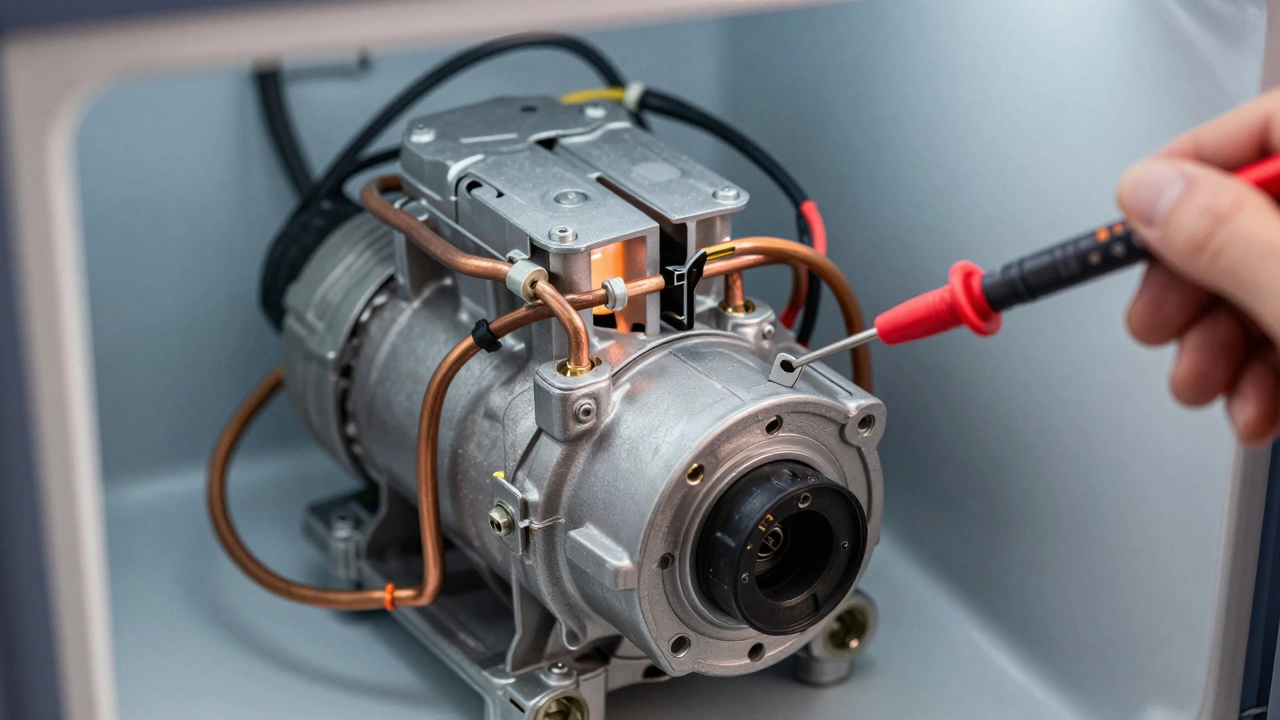
Testing the defrost heater requires a multimeter to check for continuity. If there is no continuity, the heater is dead and needs replacement. This is a common repair for freezers that are five to ten years old.
Compressor and Start Relay Issues
If the freezer is plugged in, the coils are clean, and the thermostat is working, but you hear a loud humming noise that stops after a few seconds, the problem is likely the start relay is a small electrical component that helps the compressor motor start spinning. The relay sits on top of the compressor and provides the initial jolt of electricity needed to get the motor moving.
Relays are prone to failure due to vibration and heat. When it fails, the compressor tries to start, hums, and then clicks off as the overload protector kicks in. You can sometimes revive a failing relay by tapping it gently with a screwdriver handle while the freezer is running, but this is a temporary fix. Replacing the relay is inexpensive and straightforward.
If the relay is fine, the compressor itself might be seized or burned out. This is the worst-case scenario. Compressors are sealed units and often cost more to replace than buying a new freezer. If you suspect a bad compressor, consult a professional technician before making any decisions.
| Symptom | Likely Cause | Action Required |
|---|---|---|
| No power, lights off | Tripped breaker or loose plug | Check outlet and circuit breaker |
| Humming but not cooling | Bad start relay or overloaded compressor | Replace start relay; call pro if persistent |
| Running constantly, warm | Dirty coils or bad door seal | Clean coils; replace gasket |
| Frost buildup inside | Failed defrost heater or timer | Test heater with multimeter; replace if needed |
| Water leaking under unit | Clogged defrost drain | Clear drain tube with warm water or pipe cleaner |
When to Call a Professional Technician
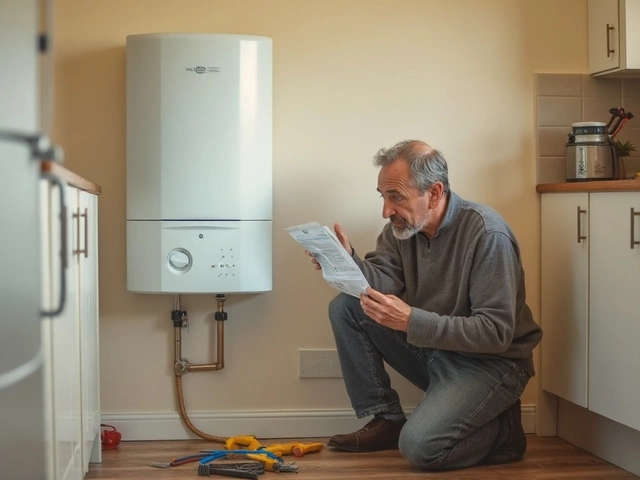
While many issues are DIY-friendly, some require specialized tools and knowledge. If you have checked the power, cleaned the coils, and verified the seals, but the unit still won't cool, it could be a refrigerant leak. Refrigerants like R-600a is an eco-friendly hydrocarbon refrigerant commonly used in modern freezers or R-134a are regulated substances. Handling them requires certification. Additionally, diagnosing complex electrical faults within the control board should be left to experts to avoid safety hazards.
If your freezer is under warranty, attempting repairs yourself might void the coverage. Always check your manual first. For older units, weigh the cost of repair against the price of a new, energy-efficient model. Modern freezers use significantly less electricity, which pays for itself over time.
How long can a freezer stay cold if the power goes out?
A full, unopened freezer can keep food safe for about 48 hours. A half-full freezer will hold temperature for approximately 24 hours. To maximize this time, keep the door closed as much as possible and consider adding blocks of ice in plastic bags to help maintain the cold.
Is it safe to eat food that thawed and refroze?
If the food still contains ice crystals or feels refrigerator-cold (40°F / 4°C or below), it can be safely refrozen, though quality may suffer. If the food has reached room temperature for more than two hours, bacteria may have grown, and it should be discarded. When in doubt, throw it out.
Why is my freezer making a loud buzzing noise?
A loud buzzing or humming noise often indicates a failing start relay or a struggling compressor. It can also be caused by debris caught in the fan blades or an unlevel unit vibrating against the floor. Check for obstructions first, then inspect the relay.
Can I clean the condenser coils myself?
Yes, cleaning condenser coils is a safe and recommended maintenance task. Unplug the freezer, locate the coils (back or bottom), and use a vacuum brush or coil cleaner to remove dust and hair. Doing this twice a year improves efficiency and prevents overheating.
What is the average lifespan of a household freezer?
The average lifespan of a standalone freezer is between 11 to 15 years. Built-in freezer compartments in refrigerators typically last 10 to 12 years. Regular maintenance, such as cleaning coils and checking seals, can extend this lifespan significantly.