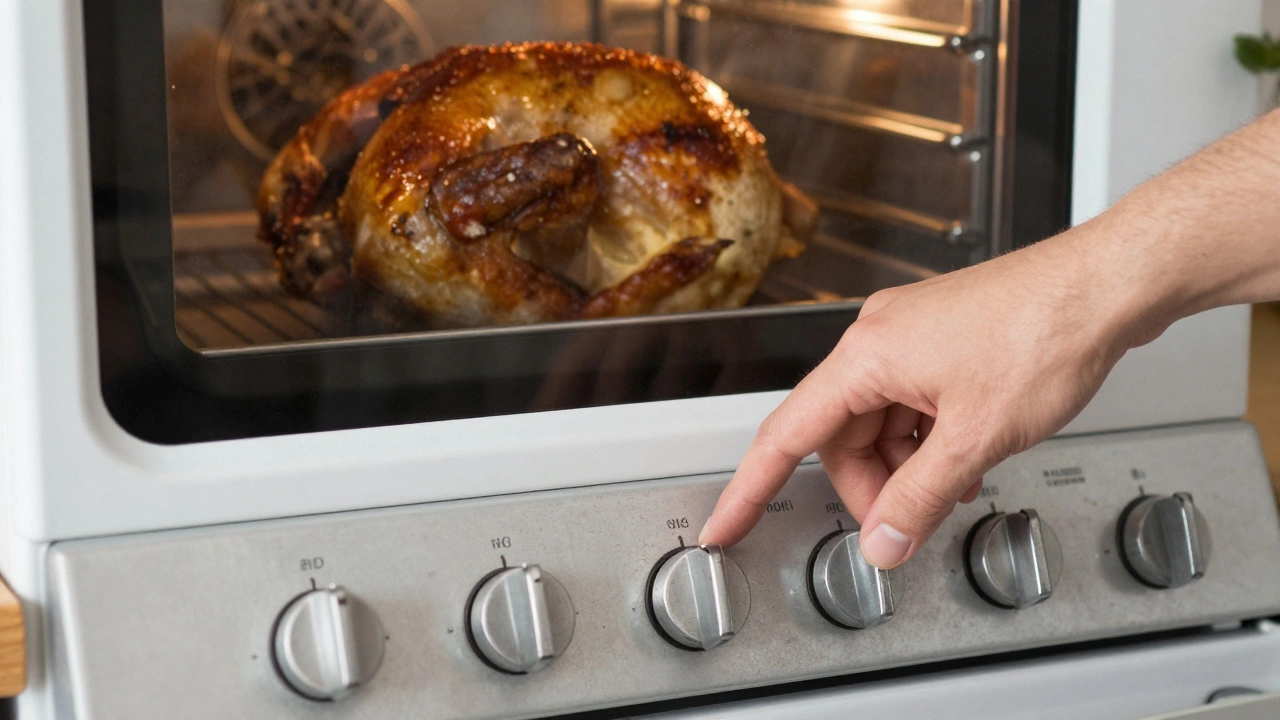
Stove Repair vs. Replace Calculator
Verdict
Quick Takeaways: Fix or Replace?
- Repair if: The cost is under 50% of a new unit and the rest of the stove works perfectly.
- Replace if: You have multiple failing components or the repair cost exceeds $300-$400.
- Rule of Thumb: A 10-year-old stove is often in the 'danger zone' where one fix leads to another.
- Energy Factor: New models are significantly more energy-efficient, which can offset the purchase price over time.
The 50% Rule for Appliance Repair
Before you call a technician, use the 50% rule. This is a standard industry heuristic: if the cost of the repair is more than 50% of the price of a comparable new replacement, you toss it. For a mid-range electric oven is a kitchen appliance that uses electrical heating elements to cook food costing around $800, any repair bill over $400 is a bad investment. But here is the catch: a 10-year-old stove doesn't just have one point of failure. When a heating element burns out, it's often because the thermostat has been fluctuating or the wiring is degrading. If you pay $200 to fix the element today, you might find the control board fries itself six months from now. You aren't just paying for the part; you're gambling on the remaining integrity of the entire machine.Common Failures in Decade-Old Stoves
At the ten-year mark, certain parts are practically guaranteed to fail. Knowing what these are helps you decide if you're dealing with a quick fix or a systemic collapse.| Component | Typical Symptom | Estimated Repair Cost | Verdict |
|---|---|---|---|
| Bake Element | Oven won't heat or heats slowly | $150 - $250 | Worth repairing |
| Temperature Sensor | Inaccurate temps / Error codes | $100 - $200 | Worth repairing |
| Control Board | Buttons don't work / Won't turn on | $300 - $600 | Consider replacing |
| Door Gasket | Heat leaking / High energy bills | $80 - $150 | Worth repairing |
The Hidden Cost of Keeping an Old Oven
It's easy to look only at the repair bill, but you also have to consider the "invisible" costs. Ten years ago, Energy Star ratings weren't as stringent as they are today. Modern stoves have better insulation and more precise convection systems that cook food faster and more evenly. Think about your monthly power bill. An old stove with a leaking door seal or a degrading heating element can pull significantly more wattage to reach the same temperature. If you use your oven daily, the energy savings from a new, efficient model can actually pay for a chunk of the purchase price over three to five years. Plus, new models often feature Induction Cooking, which is faster and safer than traditional electric coils.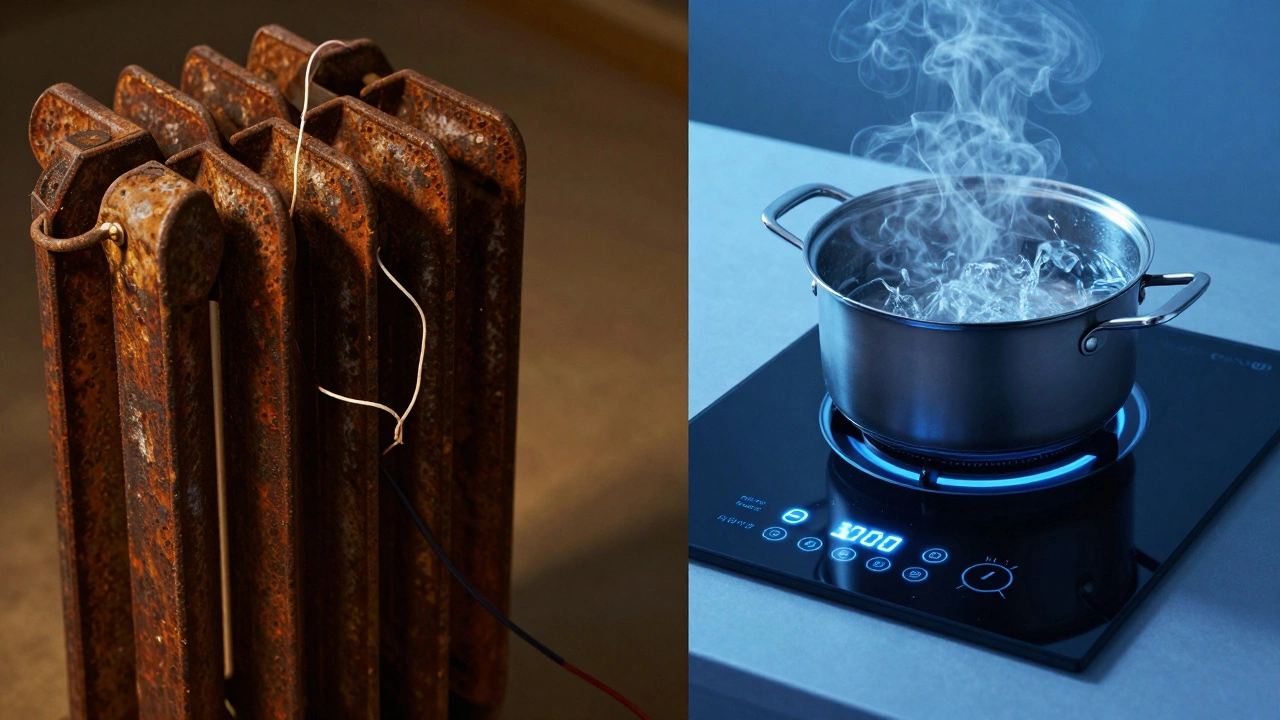
When Repair is the Only Logical Choice
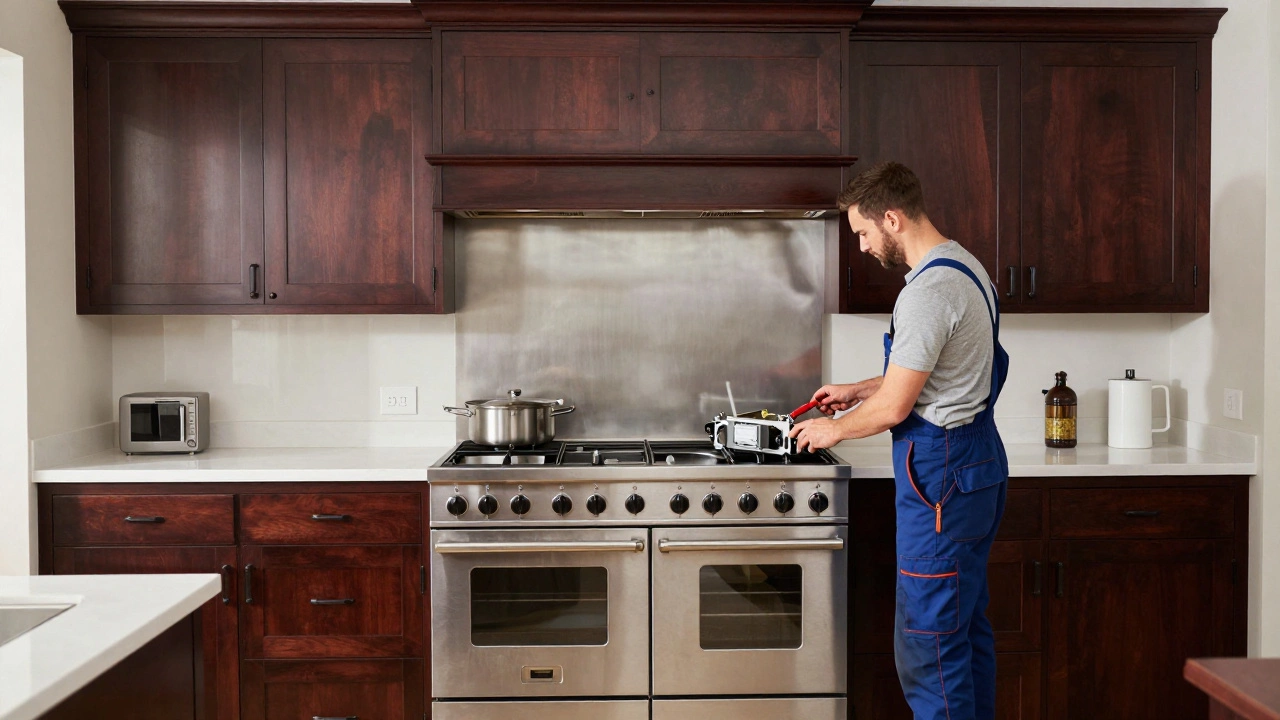
Despite the risks, there are times when electric oven repair is the smartest move. First, consider the "Custom Fit" problem. If you have a high-end, built-in wall oven or a professional-grade range that fits perfectly into custom cabinetry, replacing it might trigger a massive kitchen renovation. If a new oven is 2 inches wider than your old one, you aren't just buying an appliance; you're paying a carpenter to resize your cabinets. In that case, spending $400 on a repair is much cheaper than a $2,000 cabinetry overhaul. Second, consider the build quality. If you own a heavy-duty brand like Wolf or Viking, these machines are designed to be serviced. Unlike the "disposable" budget brands sold at big-box stores, high-end stoves use modular components that are meant to be swapped out. A 10-year-old professional range is often just hitting its mid-life crisis, whereas a budget stove is effectively at the end of its life.How to Diagnose Before You Pay a Pro
Before you spend $100 just for a technician to walk through your door, do a basic check. Many "broken" stoves are actually just suffering from simple issues:- Check the Breaker: It sounds silly, but a tripped circuit breaker is a common culprit for a stove that suddenly won't turn on.
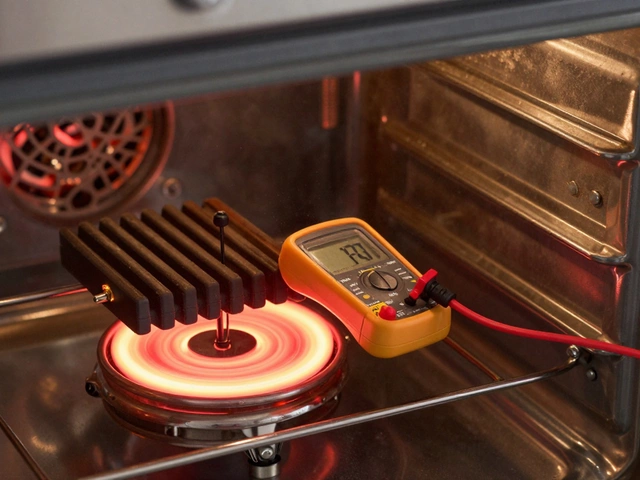
- The Visual Test: Turn the oven on and look at the elements. If you see a physical break or a blister in the coil, the element is dead. That's a concrete diagnosis you can give the repair person to speed things up.
- The Smell Test: A strong smell of burning plastic usually points to a wiring issue or a failing control board, which is a red flag for replacement.
- The Temp Test: Use a cheap oven thermometer. If the display says 350°F but the thermometer says 310°F, your sensor is likely shot.
The Environmental Trade-off
There is a strong argument for repairing: sustainability. Every time we scrap a 200-pound steel and glass appliance, we contribute to the growing problem of e-waste. Repairing an oven keeps it out of the landfill and reduces the carbon footprint associated with manufacturing and shipping a new unit from overseas. If the repair is a simple one-like a sensor or a gasket-doing the fix is the "greenest" choice you can make. However, if the stove is an energy hog, the environmental benefit of repairing it is cancelled out by the inefficiency of running it for another five years. If your old stove takes 20 minutes just to preheat, it's probably time to let it go.How long do electric stoves usually last?
On average, an electric stove lasts between 10 and 15 years. Budget models tend to lean toward the 10-year mark, while professional-grade appliances can easily last 20 years or more with proper maintenance.
Is it safe to repair my own stove?
Basic repairs like replacing a heating element or a door seal are generally safe for a handy homeowner, provided the power is completely disconnected. However, any work involving the main control board or internal wiring should be left to a licensed professional to avoid electrical shocks or fire hazards.
What is the most common reason a 10-year-old stove fails?
The most common failure is the bake element. These are essentially large resistors that wear out over time due to heat stress. After 10 years of expansion and contraction, the internal filament eventually snaps.
Should I buy an extended warranty for a new stove?
Generally, no. Most manufacturer warranties cover the first year. Instead, it's often smarter to put the money you would have spent on a warranty into a dedicated "home repair fund." This gives you the flexibility to decide whether to repair or replace the unit when the time comes.
Will a new stove really save me money on electricity?
Yes, especially if you move from traditional electric coils to an induction cooktop. Induction is roughly 90% efficient compared to the 65-70% efficiency of traditional electric elements, meaning less heat escapes into your kitchen and more goes into your food.