Water Heater Reset Diagnostic Tool
Is your water heater's red reset button popping out frequently? Use this tool to identify the likely cause and understand the urgency of the situation.
Likely Cause
Recommended Action
$0 - $0
Fill out the form on the left to get a personalized diagnosis.
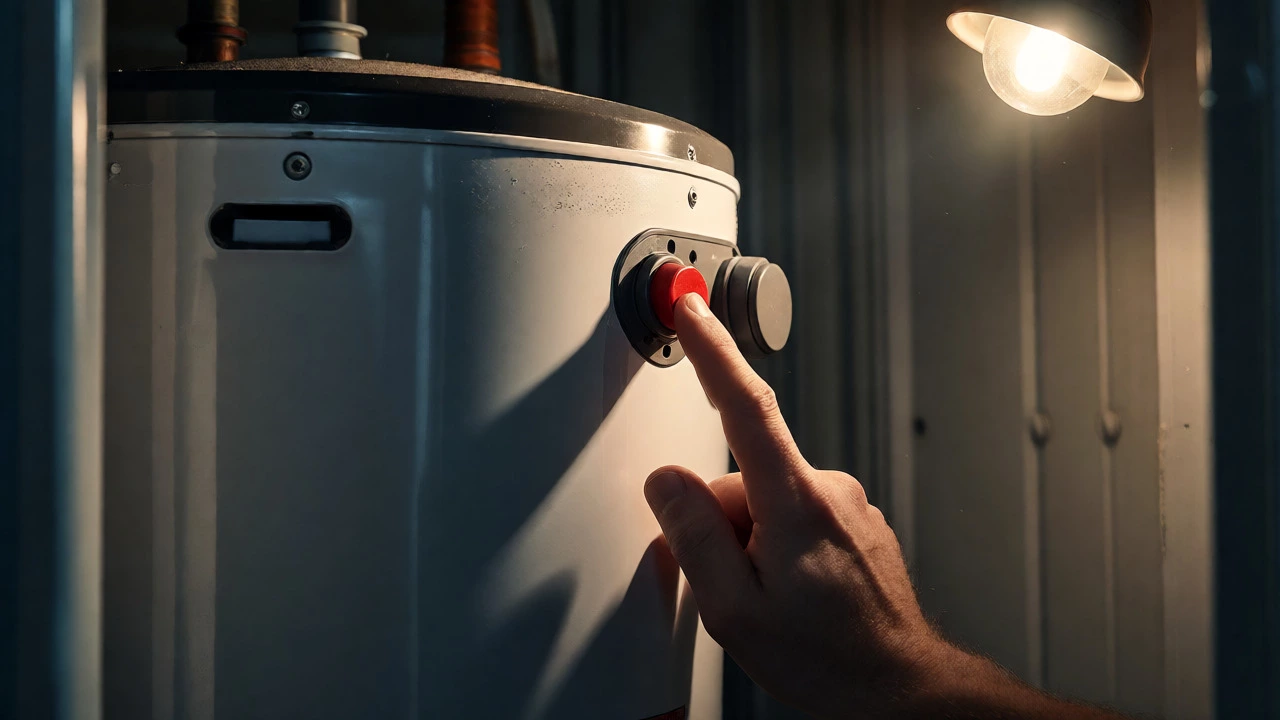
You notice the hot water has vanished. The shower is cold, the dishes are stuck in the sink, and your morning routine is ruined. So, you head to the utility closet or garage, find that little red button on the side of your water heater, press it, and wait for the green light to come back on. It works! But two days later, you’re doing it again. And then a week after that. You might think you’ve fixed the problem by hitting reset, but you’re actually masking a bigger issue that’s quietly damaging your unit.
The Reset Button Is A Safety Switch, Not A Fix-It Tool
Most people treat the reset button like a reboot for their computer. They assume if they just start it over, everything will run smoothly. That’s not how it works here. The reset button is tied to the high-limit thermostat. Its job is simple: shut off power to the heating elements if the water inside the tank gets too hot-usually above 180°F (82°C). This prevents the tank from exploding or melting internal components.
When you press that button, you aren’t cooling the water down. You aren’t fixing a leak. You’re simply telling the system, "I acknowledge it got too hot, try turning the heat back on." If the underlying cause of the overheating isn’t addressed, the water heats up again, hits that danger threshold, and trips the switch once more. Every time this happens, you’re putting stress on electrical connections and thermal sensors that weren’t designed to cycle that frequently.
Why Does It Keep Tripping? Three Common Culprits
If you’re resetting your unit weekly, something is wrong. Here are the three most likely reasons, ranked by how often we see them in Auckland homes.
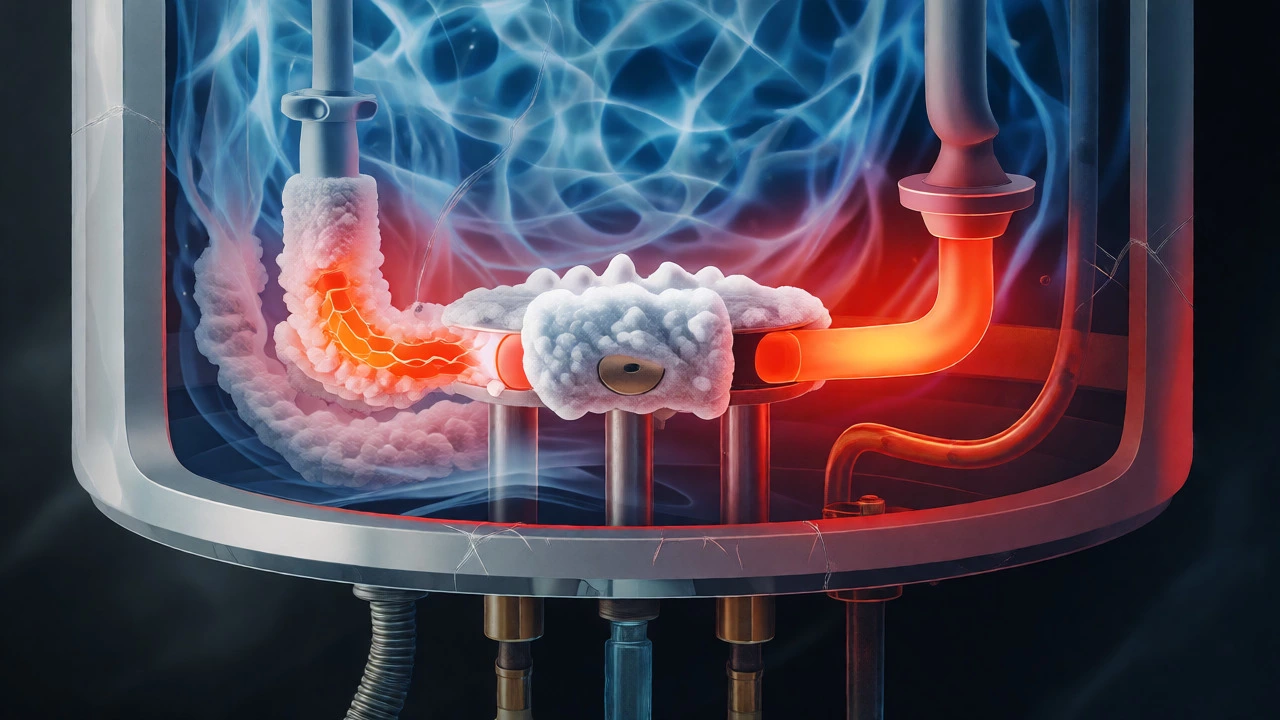
- Failing Heating Elements: Over time, mineral buildup (scale) coats the heating elements, especially in areas with hard water. This insulation prevents the element from transferring heat efficiently into the water. Instead, the heat stays trapped in the metal coil, causing the local temperature around the element to spike way past the boiling point, even if the bulk water in the tank feels lukewarm. The high-limit sensor detects this localized overheating and cuts the power.
- Stuck Thermostat: The lower thermostat controls when the heating element turns on and off. If the contacts inside get welded together due to arcing or wear, the element stays on continuously. It won’t stop heating until the water reaches the emergency cutoff temperature. No amount of resetting will help because the switch itself is broken mechanically.
- Electrical Issues: Loose wiring at the terminal block can create resistance. Resistance generates heat. This extra heat confuses the thermostat or causes voltage drops that make the system behave erratically. In older units, corrosion on the terminals is a frequent offender.
The Hidden Damage From Constant Resets
You might be thinking, "So what? I just press the button. What’s the harm?" There is harm. Significant harm. Think of your water heater like a car engine. If you keep revving it into the redline without letting it cool, you’ll blow a gasket eventually. Here’s what constant tripping does to your appliance:
| Component | Normal Lifespan | Impact of Frequent Resets |
|---|---|---|
| Heating Elements | 3-5 Years | Burns out prematurely due to thermal shock and scale buildup acceleration. |
| Thermostats | 5-7 Years | Sensors degrade faster; calibration drifts, leading to inconsistent temperatures. |
| Tank Liner | 8-12 Years | Extreme temperature fluctuations cause the glass lining to crack, leading to rust. |
| Wiring/Terminals | Lifetime (if maintained) | Heat cycling loosens connections, increasing fire risk and repair costs. |
The biggest killer here is the tank liner. Most steel tanks have a thin glass coating to prevent rust. When water temperatures swing wildly between "too hot" and "off," the metal expands and contracts. Glass doesn’t flex well. Eventually, micro-cracks form in the liner. Once the liner cracks, water touches bare steel. Rust begins. Within months, you could have a leaking tank that needs full replacement, not just a cheap part swap.
Can You Diagnose It Yourself?
Before calling a plumber, you can do some basic checks. Safety first: always turn off the power at the circuit breaker before touching anything. Never work on a live water heater.
- Check for Leaks: Look around the base of the tank and near the pressure relief valve. Sometimes a small leak causes low water levels, exposing the upper heating element to air instead of water. Air-heated elements burn out quickly and trip the limit switch.
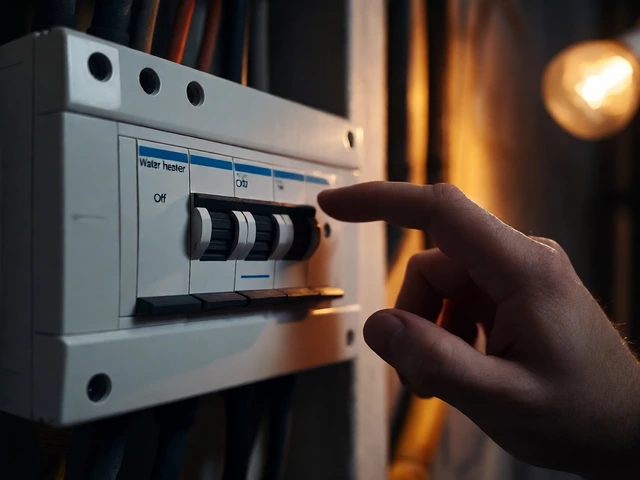
- Inspect the Breaker: Go to your main electrical panel. Is the breaker for the water heater warm to the touch? Is it loose? A warm breaker suggests an overloaded circuit or poor connection, which is an electrical hazard, not a plumbing one.
- Listen to the Tank: Turn the power back on briefly. Do you hear popping, cracking, or rumbling noises? These sounds indicate heavy sediment buildup at the bottom of the tank. Sediment insulates the lower element, causing it to overheat while the rest of the tank stays cool. Flushing the tank might solve this, but only if the elements aren’t already damaged.
When To Call A Professional
If flushing the tank doesn’t stop the resets, or if you’re uncomfortable working with electricity, call a technician. Replacing a heating element or thermostat is a relatively affordable repair, usually costing between $150 and $300 depending on parts and labor. However, ignoring these signs can lead to a $1,000+ tank replacement.
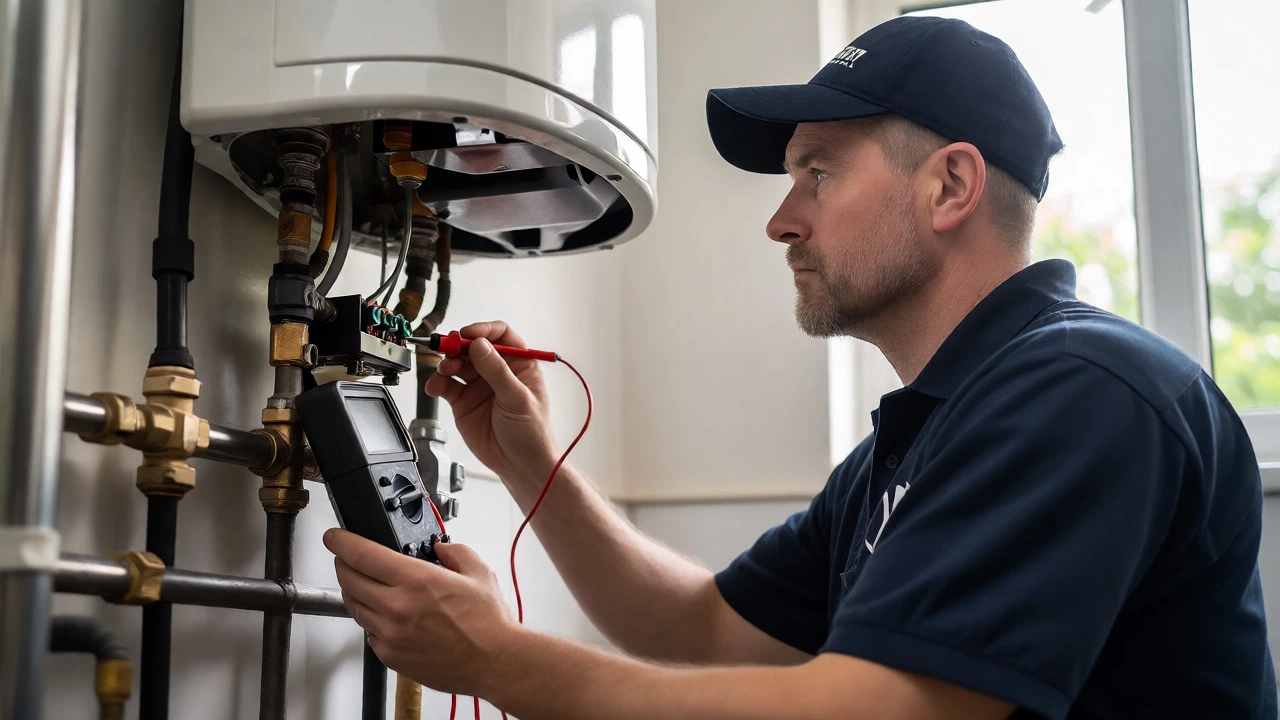
A professional will use a multimeter to check the resistance of the heating elements. A healthy element reads between 10 and 16 ohms. If it reads infinite (open circuit) or zero (shorted), it’s dead. They’ll also check the thermostat continuity. If the thermostat shows continuity when it should be open (meaning it’s stuck closed), it needs replacing. These tests take minutes and provide definitive answers, saving you from guessing games.
Preventing Future Trips
Once you fix the immediate problem, how do you stop it from happening again? Maintenance is key, especially in New Zealand where water hardness varies by region.
- Flush the Tank Annually: Drain a few gallons from the bottom valve each year to remove sediment. This keeps the elements submerged in clean water, ensuring efficient heat transfer.
- Install a Water Softener: If you live in an area with very hard water, consider a whole-house softener. This drastically reduces scale buildup on elements and extends the life of all appliances.
- Check the Anode Rod: The sacrificial anode rod protects the tank from corrosion. If it’s fully consumed, replace it. While this doesn’t directly stop resets, it prevents tank failure, which is the ultimate goal.
- Upgrade to Digital Thermostats: Older mechanical thermostats are prone to sticking. Newer digital models offer precise control and often include self-diagnostic features that alert you to faults before they become emergencies.
Remember, the reset button is a warning light, not a repair tool. Treat it with respect. If it’s flashing or tripping repeatedly, listen to what your water heater is trying to tell you. Addressing the root cause now saves money, energy, and cold showers in the long run.
How many times can I reset my water heater before it breaks?
There is no hard number, but generally, if you reset it more than twice in a month, you have a mechanical or electrical fault. Each reset stresses the high-limit switch and the heating elements. Frequent cycling accelerates wear on the glass tank liner, significantly shortening the overall lifespan of the unit.
Will resetting the water heater damage the tank?
Resetting itself doesn't damage the tank immediately, but the condition causing the trip does. If the trip is caused by overheating due to a stuck thermostat or scale-covered elements, the extreme temperature spikes expand and contract the metal tank. This thermal stress can crack the protective glass lining, leading to rust and eventual leaks.
Why does my water heater trip only when I use hot water?
This often points to a failing lower heating element or a dip tube issue. When you draw hot water, cold water enters the bottom of the tank. If the lower element is scaled up or partially exposed due to low water levels, it may overheat as it tries to catch up. Alternatively, a broken dip tube allows cold water to mix improperly, confusing the thermostat readings.
Is it safe to keep resetting the water heater myself?
It is safe to press the button, provided you follow safety protocols. Ensure your hands are dry and the area is clear of standing water. However, if the breaker trips constantly or you smell burning plastic, stop resetting it. This indicates an electrical fault that requires a qualified electrician or plumber to inspect the wiring and components.
What is the cost to fix a water heater that keeps tripping?
If it's just a faulty thermostat or heating element, repairs typically range from $150 to $300 including labor. If the tank liner has cracked due to prolonged overheating, you may need a full replacement, which costs between $800 and $1,500 depending on the tank size and installation complexity. Early diagnosis saves significant money.