Boiler Troubleshooter & Diagnosis Tool
Quick Safety Check
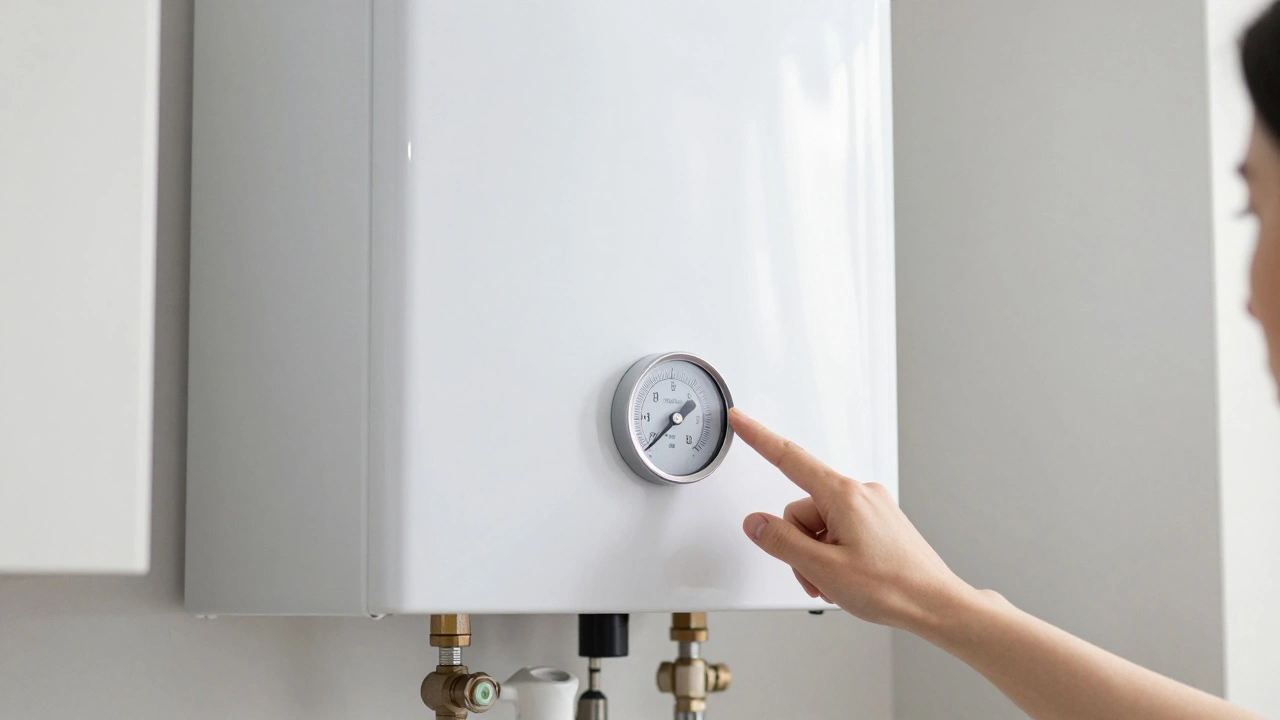
- 🌡️ Pressure: Should be 1–1.5 bar
- ❄️ Pipes: Insulate outdoor pipes
- 🔥 Gas Smell? Evacuate immediately
- 💧 Leaks: Turn off water supply
Regular annual servicing prevents 80% of breakdowns.
Your house is freezing, the radiators are cold, and you just realized your boiler is a central heating appliance that heats water for domestic hot water and space heating. It’s not a great feeling. Whether it’s the middle of winter or a chilly spring morning, a broken boiler is stressful. But before you panic or call an expensive emergency technician, take a breath. Most boiler issues are common, predictable, and often easy to fix yourself.
Understanding what goes wrong with these machines can save you hundreds of dollars in unnecessary service calls. In this guide, we’ll walk through the seven most frequent boiler problems, explain why they happen, and show you exactly how to troubleshoot them. We’ll also cover when it’s time to stop DIYing and call a professional.
1. Low Pressure: The Silent Killer of Heat
If your radiators feel lukewarm or only the top half gets warm, check your pressure gauge first. This is by far the most common issue homeowners face. A healthy combi boiler is a compact unit that provides both central heating and instant hot water from a single source. typically needs between 1 and 1.5 bar of pressure. If the needle drops below 0.8 bar, the system won’t fire up properly because it doesn’t have enough force to push water through the pipes.
Why does pressure drop? Small leaks in the radiators or pipes are usually the culprit. Even a tiny drip can lower pressure over weeks. Another reason is bleeding radiators-if you recently bled air out of your system, you lost some water volume, which means lower pressure.
How to fix it: Look for the filling loop, a flexible hose connecting two pipes under the boiler. Open the valves slowly until the gauge hits 1.2 bar, then close them immediately. If the pressure drops again within 24 hours, you likely have a leak that needs professional repair.
2. Frozen Condensate Pipe: Winter’s Nemesis
If you live in a region where temperatures drop below freezing, you know the pain of a frozen condensate pipe. Modern condensing boilers produce acidic wastewater (condensate) that drains outside via a plastic pipe. When that pipe freezes, the boiler locks out to prevent damage. You might hear a gurgling sound from the boiler, but no heat comes out.
This isn’t a mechanical failure; it’s a blockage. The ice plug stops the drain, triggering a safety sensor. It’s frustrating because the boiler itself is fine-it’s just blocked.
How to fix it: Locate the white plastic pipe running outside your wall. Pour a kettle of hot (not boiling) water over it to melt the ice. Alternatively, use a de-icing kit designed for boilers. To prevent this next time, insulate the pipe with foam lagging. It costs about $10 and saves you from midnight emergencies.
3. No Hot Water: Is It the Boiler or the Thermostat?
You turn on the tap, expecting hot water, but get nothing but cold. Before assuming the boiler is dead, check the basics. Is the thermostat set high enough? Did someone accidentally turn off the isolation valve near the boiler? These simple oversights cause more “breakdowns” than actual failures.
If those are fine, listen to the boiler. Does it ignite? If you hear clicking but no flame, the ignition electrodes might be dirty or faulty. If it ignites but the water stays cold, the diverter valve could be stuck. This valve directs hot water either to the radiators or the taps. If it’s jammed, you might get heat but no hot water, or vice versa.
How to fix it: Reset the boiler by turning it off and on again. Sometimes electronics glitch. If the problem persists, especially if you have heat but no hot water, the diverter valve likely needs cleaning or replacement. This is a job for a qualified engineer, as it involves opening the sealed system.
4. Kettling: That Annoying Whistling Noise
Does your boiler sound like a kettle about to boil over? This noise, called kettling, happens when limescale or sludge builds up inside the heat exchanger. As water flows through narrowed passages, it overheats locally and creates steam bubbles. Those bubbles popping create the whistling or rumbling sound.
Kettling is bad news. It indicates poor water quality inside the system. Over time, this buildup reduces efficiency, raises energy bills, and can crack the heat exchanger-a very expensive part to replace.
How to fix it: You can try a chemical power flush to remove sludge, but this should be done by a pro. For prevention, install a magnetic filter on the return pipe. It catches iron oxide particles before they circulate. If the noise continues after a flush, the heat exchanger may already be damaged.
5. Leaking Water: Spotting the Source
Water pooling around your boiler is never normal. Don’t ignore it. First, identify where the leak is coming from. Is it from the pressure relief valve? That valve opens if pressure gets too high to prevent explosions. If it’s leaking, your expansion vessel might be faulty, or the pressure is genuinely too high.
Is the leak from pipe joints? Check for loose connections or corroded seals. Older boilers often develop cracks in the casing or internal components due to age and vibration.
How to fix it: Turn off the boiler and isolate the water supply if the leak is significant. Tighten any accessible fittings. If the pressure relief valve is dripping, do not cap it-that’s dangerous. Call a technician to check the expansion vessel and pressure settings. Ignoring leaks can lead to electrical hazards and structural damage to your home.
6. Faulty Pilot Light or Ignition
Older boilers use a standing pilot light-a small flame that stays lit all the time. If that goes out, you need to relight it manually. Newer models use electronic ignition. If the boiler clicks repeatedly but doesn’t stay lit, the gas supply might be interrupted, or the flame sensor is dirty.
A dirty flame sensor is a classic issue. Carbon buildup prevents the sensor from detecting the flame, so the gas valve shuts off for safety. It’s a false negative.
How to fix it: For pilot lights, follow the manufacturer’s instructions to relight. For electronic systems, clean the flame sensor with fine emery paper. Be gentle-this component is delicate. If cleaning doesn’t work, the gas valve or control board might be failing. Gas work requires certified professionals due to explosion risks.
7. Error Codes: Decoding the Digital Dashboard
Modern boilers display error codes instead of just making noises. These codes are your friend-they tell you exactly what’s wrong. Common codes include F.29 (loss of flame), E.1 (no water flow), or 12 (pressure fault). Each brand has its own code list.
Don’t guess. Look up the specific code for your model online or in the manual. Often, the solution is as simple as resetting the unit or checking the pressure. Some codes indicate serious faults like carbon monoxide leaks, which require immediate evacuation and professional help.
How to fix it: Write down the code. Search “[Your Boiler Model] + [Error Code]”. Follow the troubleshooting steps. If the code returns after a reset, note it for your technician. This speeds up diagnosis and saves labor costs.
| Problem | Symptom | DIY Fix? | Professional Help Needed? |
|---|---|---|---|
| Low Pressure | Cold radiators, low gauge reading | Yes (repressurize) | Only if leak exists |
| Frozen Condensate | Gurgling, no heat in winter | Yes (hot water) | No (unless pipe broken) |
| Diverter Valve Stuck | No hot water, heat works | No | Yes |
| Kettling | Whistling/rumbling noise | No (flush required) | Yes |
| Leaking | Water pooling | Partial (tighten fittings) | Yes (for internal leaks) |
| Dirty Flame Sensor | Clicking, no ignition | Yes (clean gently) | If cleaning fails |
When to Call a Professional
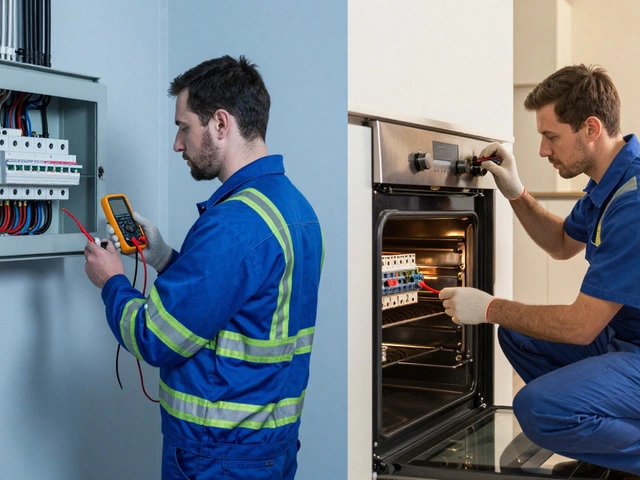
While many issues are manageable, some situations demand expert intervention. Never attempt to repair gas lines, burners, or heat exchangers yourself. Gas leaks can be fatal. If you smell gas, evacuate immediately and call the emergency number on your gas bill.
Also, hire a pro if:
- The boiler is over 10 years old and showing multiple faults.
- Error codes persist after resets.
- You notice soot around the flue or black marks on walls-signs of incomplete combustion.
- The boiler makes banging noises during startup.
Regular annual servicing by a Gas Safe registered engineer (or equivalent in your country) prevents most major breakdowns. They check for carbon monoxide leaks, clean components, and ensure efficient operation. Skipping this saves money short-term but costs more long-term.
Maintenance Tips to Avoid Future Headaches
Prevention is cheaper than cure. Here’s how to keep your boiler running smoothly:
- Check pressure monthly: Keep it between 1 and 1.5 bar.
- Bleed radiators annually: Removes trapped air, improving heat distribution.
- Insulate pipes: Prevents freezing in winter.
- Keep vents clear: Ensure airflow around the boiler isn’t blocked by furniture or clutter.
- Service yearly: Book a professional inspection every autumn.
These small habits extend your boiler’s life and maintain efficiency. A well-maintained boiler uses less fuel, lowering your bills and reducing your carbon footprint.
How much does it cost to fix a common boiler problem?
Costs vary widely. Simple fixes like repressurizing are free if you do it yourself. Professional visits start around $75-$150 for diagnostics. Replacing parts like a diverter valve or pump can cost $200-$500 including labor. Major repairs like heat exchanger replacement exceed $1,000.
Can I reset my boiler myself?
Yes, most boilers have a reset button or switch. Try resetting once if you see an error code. If the problem returns quickly, don’t keep resetting-it indicates a deeper issue that needs attention.
What causes a boiler to make knocking sounds?
Knocking or banging usually means sludge buildup in the heat exchanger or pipes. Water flow is restricted, causing turbulence and noise. It can also indicate air pockets in the system. Bleeding radiators helps, but persistent noise requires a power flush.
Is it safe to use a boiler that’s leaking slightly?
No. Even small leaks can worsen rapidly. Water near electrical components poses shock risks. Additionally, leaks often signal pressure issues or cracked internals. Turn off the boiler and contact a technician immediately.
How long does a typical boiler last?
With proper maintenance, most boilers last 10-15 years. High-efficiency condensing models may reach 20 years. Regular servicing extends lifespan significantly. If your boiler is older than 15 years and breaking down frequently, replacement is often more economical than repair.