Plumbers and Boilers: Who Handles Boiler Repairs?
October 24 2025Extractor Fan Help: Repair, Maintenance & When to Call a Pro
If your kitchen or bathroom fan has gone quiet, it's not always a sign you need a whole new unit. Most extractor fan issues can be solved with a few simple steps. In this guide we’ll walk you through the most common problems, easy DIY checks, and the exact point where a qualified gas engineer should step in.
Common Reasons Extractor Fans Stop Working
First, figure out what’s actually stopping the fan. The usual suspects are:
- Power loss. Check the circuit breaker or fuse box. A tripped breaker is often the quickest fix.
- Blocked vent. Grease, dust or lint can clog the duct, causing the motor to overheat and shut down.
- Worn motor bearings. A humming sound followed by silence usually means the motor needs lubrication or replacement.
- Faulty switch or timer. If the fan only works when you manually switch it on, the timer may be dead.
- Loose wiring. Vibration over time can loosen connections, leading to intermittent power.
When you spot one of these, you can often fix it yourself. If the motor is dead or the wiring looks damaged, it’s safer to call a certified engineer.
Simple Maintenance Steps to Keep Your Fan Running
Regular maintenance extends the life of any extractor fan. Set a reminder to do these tasks every 3‑6 months:
- Turn off power. Always switch off the breaker before you start.
- Remove and clean the filter. Soak a metal or carbon filter in warm, soapy water, rinse well and let it dry.
- Vacuum the duct. Use a narrow brush attachment to pull out dust and grease from the vent pipe.
- Check the fan blades. Wipe them with a damp cloth; any buildup will reduce airflow.
- Inspect the motor. Look for rattling or excessive heat. A quick spin test can reveal stuck bearings.
After you reassemble, turn the power back on and run the fan for a minute. If it stays quiet or sounds strange, stop and contact a professional.
Remember, an extractor fan that works well saves you from excess moisture, mold and lingering cooking smells. A quick clean now can keep costly repairs at bay later.
Finally, don’t ignore warning signs. Burning smells, sparks, or a fan that runs intermittently are red flags. These issues involve electricity and gas components that should only be handled by a qualified engineer. Call us at Bedford Gas Appliance Repair Services for safe, prompt service—whether you need a quick fix or a full replacement.
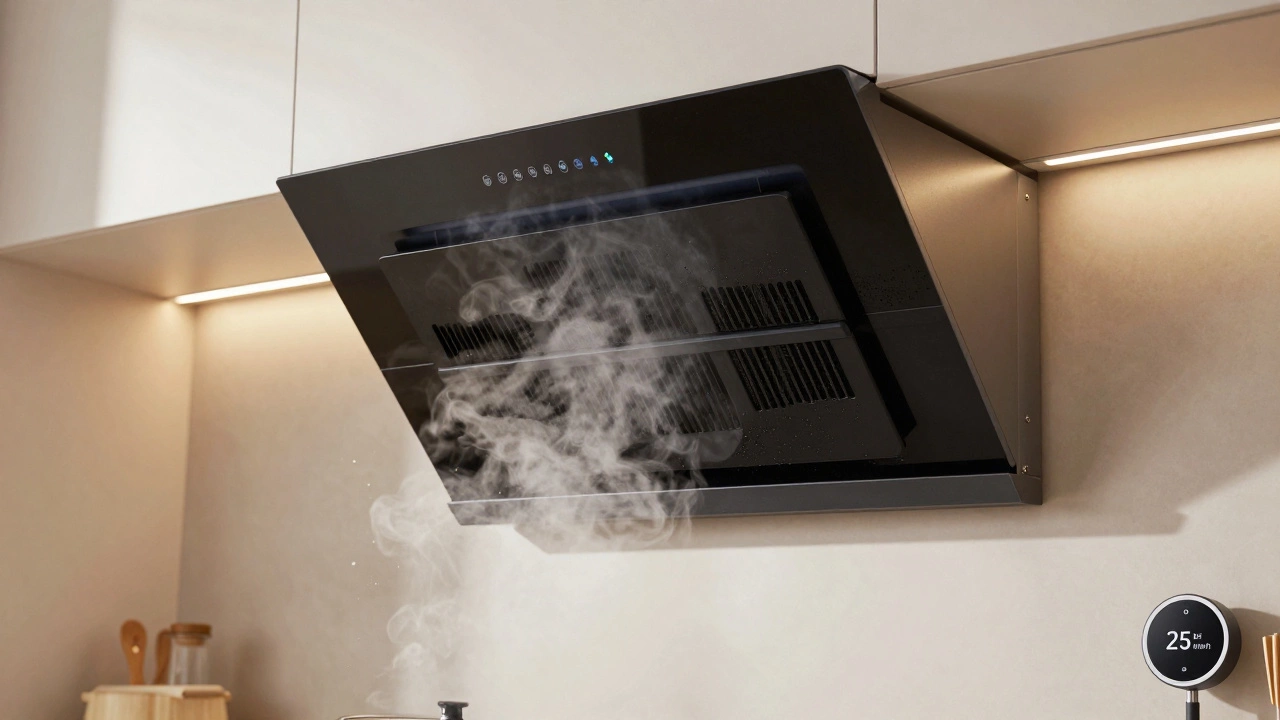 21 Dec
Is It OK to Leave an Extractor Fan On? Safety, Energy, and Longevity Explained
Is it safe to leave your extractor fan on? Learn when it’s helpful, when it’s wasteful, and how to prevent costly repairs. Simple habits can extend your fan’s life and save energy.
Read More...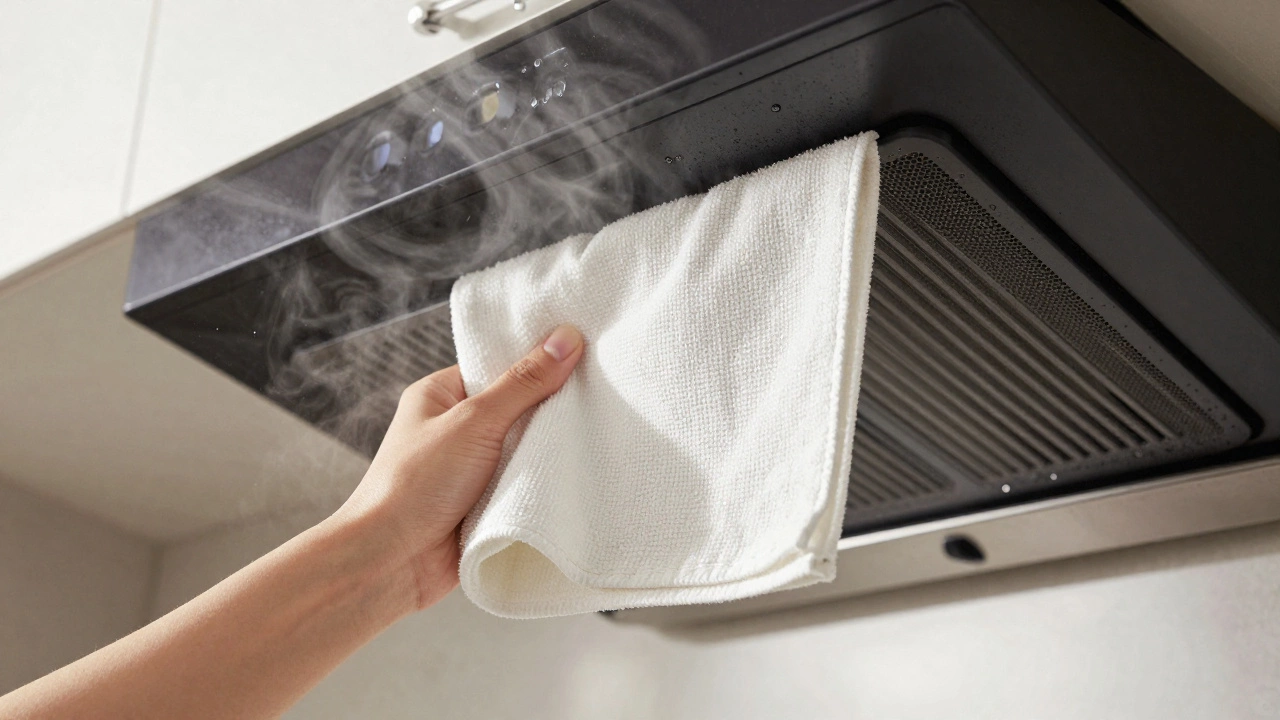 8 Dec
8 Dec
How to Check if an Extractor Fan Is Working Properly
Learn how to test if your extractor fan is working properly with simple DIY checks for airflow, noise, duct blockages, and power issues. Fix common problems before they lead to mold or motor failure.
Read More...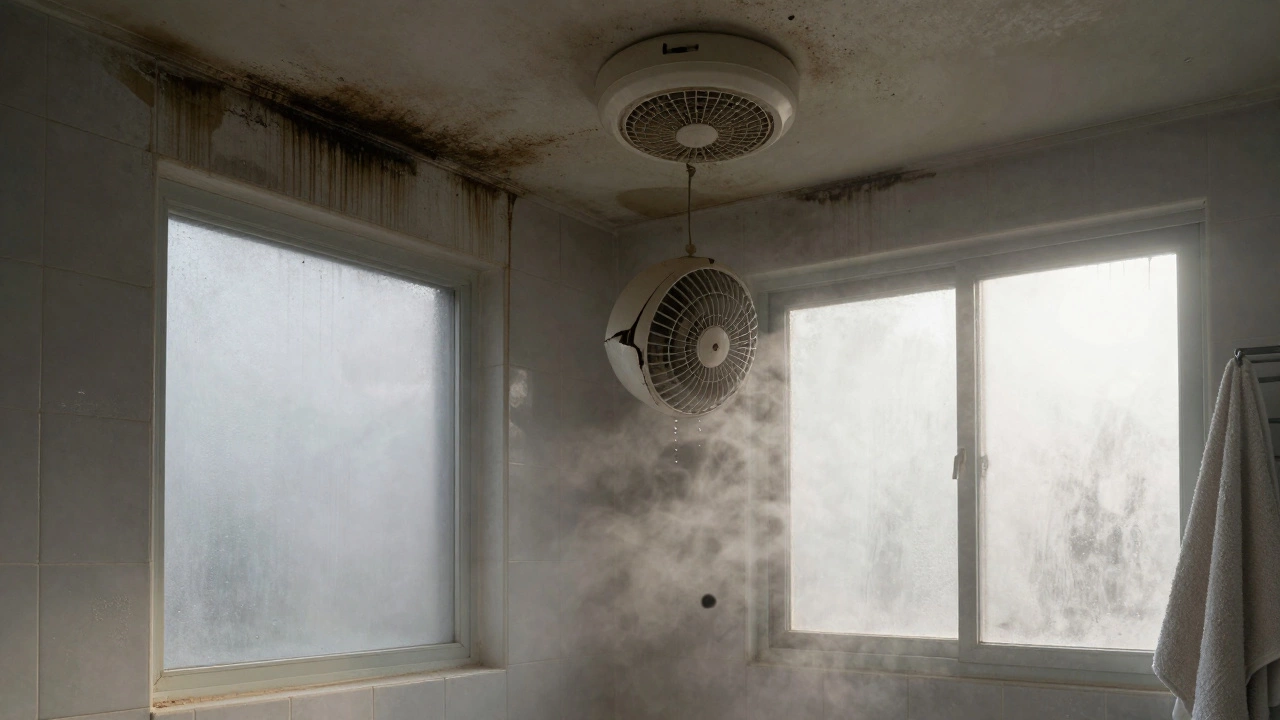 7 Dec
7 Dec
Is It OK Not to Have an Extractor Fan? What You Need to Know
Skipping an extractor fan might seem harmless, but moisture buildup leads to mold, structural damage, and health risks. Learn why every kitchen and bathroom needs proper ventilation-and what to do if yours is broken.
Read More... 24 Jul
Extractor Fan Risks: What Happens if You Don't Use Your Extractor Fan?
Ignoring your extractor fan has bigger consequences than just a bit of steam or smell. This article uncovers what really happens when you skip using your fan, plus tips to keep your home healthy.
Read More... 30 Apr
Do I Legally Need an Extractor Fan in My Kitchen?
Thinking of skipping an extractor fan in your kitchen? Before you ditch it, know the legal rules. This article breaks down UK building regulations and key facts in plain English. You'll find out when extractor fans are a must, when they're optional, and what it all means if you're planning repairs or a kitchen refit. No confusing jargon—just clear advice to help you avoid costly mistakes.
Read More...POPULAR POSTS
Common Water Heater Failures and How to Fix Them
February 5 2026

How Often Does a Boiler Need to Be Serviced?
February 26 2026