Washing Machine Repair vs. Replace Calculator
There is no single number that applies to every laundry room. Some machines die after five years, while others keep spinning for two decades. The difference usually comes down to three things: build quality, how hard you use it, and whether you fix small problems before they become big ones.
If you are staring at a shaking, leaking, or noisy washing machine, you need to know if you should call a technician or start shopping for a new one. This guide breaks down the real numbers, the warning signs, and the math behind the repair-versus-replace decision.
The Average Lifespan by Type
To understand how long your appliance should last, you first need to know what kind of engine is under the lid. Not all washers are built the same way, and their expected lifespans differ significantly.
| Type | Average Lifespan | Key Characteristics |
|---|---|---|
| Top-Load Washer (Agitator) | 10-13 years | Uses an agitator in the center; heavy-duty but harsh on clothes. |
| Front-Load Washer | 14-15 years | More efficient on water and energy; requires regular seal cleaning. |
| High-Efficiency Top-Load | 10-12 years | No agitator; uses impellers; gentler on fabrics but prone to mold if neglected. |
| Commercial/Heavy-Duty Washer | 15-20+ years | Built with stainless steel drums and industrial motors; higher initial cost. |
These numbers come from industry data collected by organizations like the U.S. Department of Energy and major consumer reports. A front-loader generally outlasts a top-loader because it has fewer moving parts inside the drum mechanism. However, front-loaders have a specific weak point: the rubber door seal. If this seal rots or traps lint, it can cause leaks that damage the internal electronics, shortening the life of the machine prematurely.
Signs Your Washer Is Nearing the End
You don’t always need a calendar to tell you when to replace your washer. The machine will often give you clues. Here are the most common red flags that indicate the end is near:
- Excessive Vibrations: If your washer walks across the floor during the spin cycle, the suspension springs or shock absorbers are likely worn out. While these can be replaced, repeated imbalance suggests the drum bearings are also failing.
- Strange Noises: Grinding, screeching, or loud banging sounds usually point to worn-out bearings or a broken motor mount. Bearings are expensive to replace because technicians often have to remove the entire tub assembly.
- Frequent Repairs: If you have called a repair person more than twice in the last year, the machine is statistically likely to fail again soon. Old appliances suffer from cumulative wear.
- Poor Cleaning Performance: If clothes come out dirty even after using new detergent and checking the load size, the pump may be clogged or the motor may not be generating enough force.
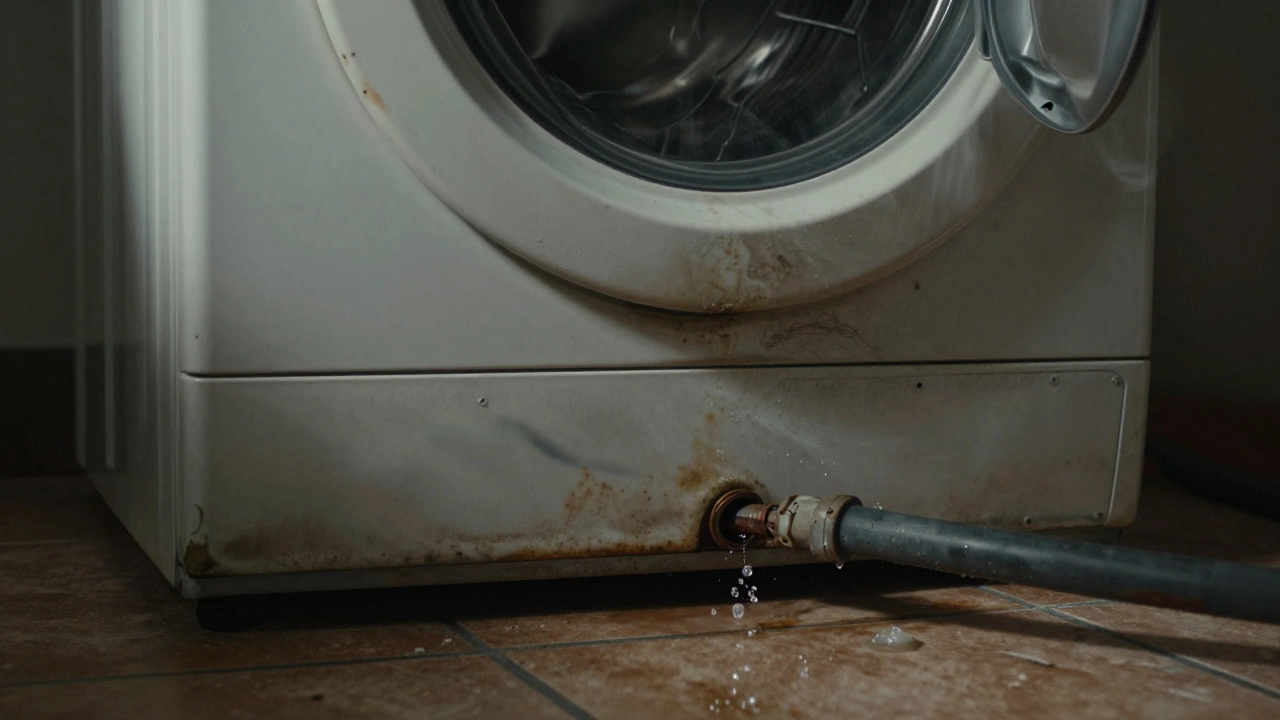
- Leaking Water: Small drips might be a loose hose clamp. But if water pools around the base regularly, check the door boot (front-load) or the tub seal (top-load). Leaks can rot the cabinet and corrode electrical connections.
Pay attention to the age of the machine alongside these symptoms. A ten-year-old washer making noise is a different story than a three-year-old one doing the same thing.
The 50% Rule: When to Repair vs. Replace
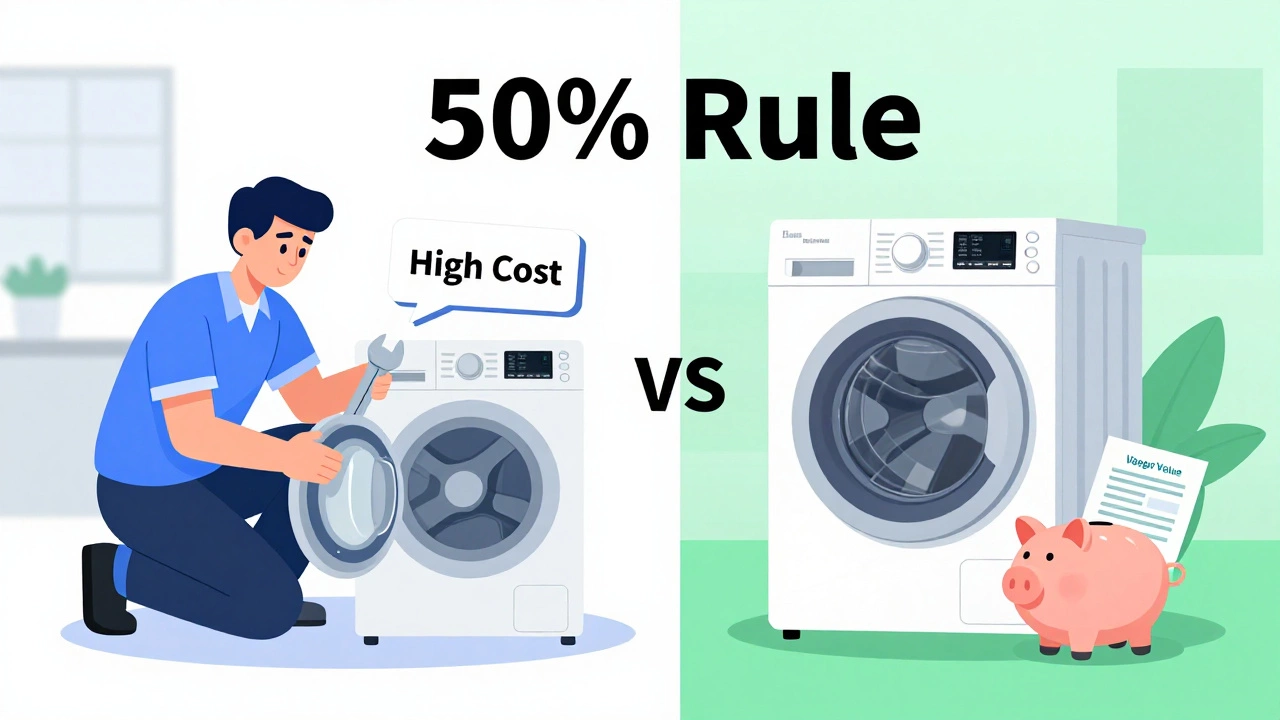
This is the most practical tool you can use to make a financial decision. The "50% Rule" states that if the cost of repairing your appliance is more than 50% of the price of a new comparable unit, you should buy a new one.
Let’s look at some real-world scenarios based on current market prices in 2026:
- Scenario A: Minor Fix
Your washer won’t drain. The problem is a clogged filter or a failed drain pump. Cost: $150-$250. New washer price: $800. Verdict: Repair. You save money and extend the life of a functional machine. - Scenario B: Major Component Failure
The transmission or main drive motor has burned out. Cost: $400-$600 (parts + labor). New washer price: $900. Verdict: Replace. You are spending half the value of a new machine on an old one that still has other aging parts. - Scenario C: Electronic Control Board
The computer board fails. Cost: $300-$450. New washer price: $700. Verdict: It depends. If the rest of the machine is solid, repair it. If it’s also eight years old and showing other issues, replace it.
Also consider the warranty. Most new washers come with a one-year full warranty and up to five years on parts/labor. A repaired old machine has no warranty protection. If the same part breaks again next month, you pay again.
How to Extend Your Washer’s Life
You can add several years to your washer’s lifespan with simple maintenance habits. These steps prevent the most common causes of premature failure.
Clean the Door Seal and Detergent Drawer
Mold and mildew thrive in damp, dark places. In front-loaders, wipe the rubber gasket dry after every use. Leave the door slightly ajar to let air circulate. Clean the detergent drawer monthly with warm soapy water to prevent clogs that can back up into the dispenser mechanism.
Use High-Efficiency (HE) Detergent Only
If you have a high-efficiency washer, regular detergent creates too many suds. Excess suds can overflow into the electronic controls, causing corrosion and short circuits. Always use HE detergent, and use less than the bottle recommends. Modern detergents are concentrated; overuse leads to residue buildup in the drum and hoses.
Check the Hoses Annually
Inlet hoses can bulge or crack over time. Inspect them every six months. If you see any swelling, discoloration, or stiffness, replace them immediately. A burst hose can flood your laundry room and damage the washer’s internal wiring.
Balance Your Loads
Don’t overload the machine. An overloaded washer forces the motor to work harder, leading to overheating. Conversely, washing very small loads (like one towel) can cause imbalance during the spin cycle. Aim for medium-sized loads for optimal performance and longevity.
Run a Cleaning Cycle
Once a month, run an empty hot-water cycle with a cup of white vinegar or a commercial washer cleaner. This removes soap scum, lint, and bacteria from the internal pipes and drum. This prevents odors and keeps the pump running smoothly.
Brand Reliability Matters
Not all brands are created equal. Some manufacturers use plastic gears that strip easily, while others use metal components that last longer. Based on repair frequency data from independent service networks:
- Most Reliable Brands: Speed Queen, Whirlpool, Maytag, LG. These brands tend to have lower annual repair rates and easier-to-find replacement parts.
- Average Reliability: Samsung, GE, Bosch. These offer good features but may require more frequent minor repairs, especially electronic sensors.
- Higher Repair Rates: Certain budget models from lesser-known brands often lack durable components and specialized support networks.
When buying a new machine, choose a brand with a strong local service network. Even the best machine needs occasional care, and having a technician who knows the model saves time and money.
Environmental Impact of Early Replacement
Replacing a washer early isn’t just a financial decision; it’s an environmental one. Manufacturing a new washing machine consumes significant energy, water, and raw materials. Transporting it to your home adds carbon emissions. Disposing of the old unit sends metal, plastic, and electronics to landfills.
If your washer is only seven or eight years old and runs well, keeping it is the greener choice. Use it until it truly fails or becomes inefficient. When you do replace it, recycle the old unit through manufacturer take-back programs or local scrap metal recyclers.
Summary: Making the Right Choice
A typical washing machine lasts between 10 and 15 years. Front-loaders tend to live longer than top-loaders. If your machine is under 10 years old and the repair cost is less than half the price of a new one, fix it. If it’s older than 12 years and breaking down frequently, replace it. Regular maintenance-cleaning seals, using correct detergent, and balancing loads-can add several years to its life.
Is it worth repairing a 10-year-old washing machine?
It depends on the repair cost. If the fix is under $200 and the machine otherwise works well, yes. If the repair involves major components like the motor or transmission costing over $400, it’s usually better to replace it, especially since other parts may fail soon.
Why does my washing machine smell bad?
Bad smells are usually caused by mold and mildew growing in the rubber door seal (front-loaders) or trapped lint and soap scum in the drum. Run a hot water cycle with vinegar or bleach monthly, leave the door open after use, and clean the detergent drawer regularly.
Can I extend the life of my washing machine?
Yes. Use high-efficiency detergent, avoid overloading, balance loads, clean filters and hoses annually, and wipe down seals. Proper maintenance can add 2-5 years to the average lifespan.
What is the most common reason washing machines fail?
The most common failures are related to drainage issues (clogged pumps or hoses), bearing wear (causing noise and vibration), and electronic control board failures due to moisture exposure.
Should I buy a front-load or top-load washer for longer life?
Front-load washers generally last longer (14-15 years) than top-load models (10-13 years) because they have simpler mechanical designs. However, they require more diligent cleaning of the door seal to prevent mold and leaks.