Freezer Repair vs. Replace Calculator
Enter your details below to determine if fixing your freezer is worth the investment compared to buying a new one.
Cost Breakdown
- Repair Quote:
- New Unit Price:
- Repair as % of New:
Long-Term View
- Net Cost to Replace:
- Break-even Point:
- Age Risk Factor:
Note: If your freezer is over 10 years old, parts availability decreases significantly. Even if the math favors repair, consider the risk of another component failing shortly after.
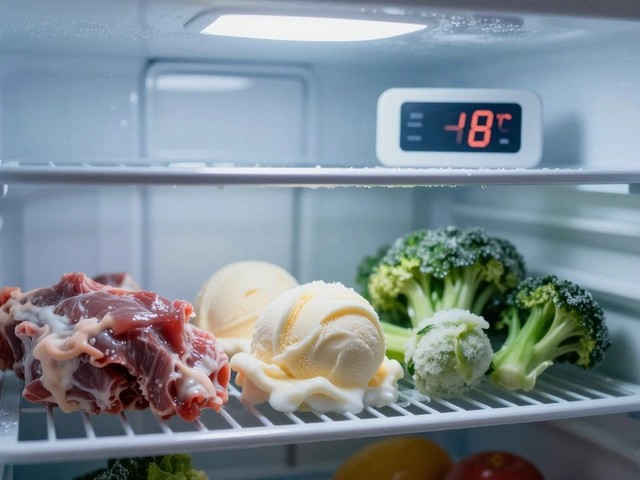
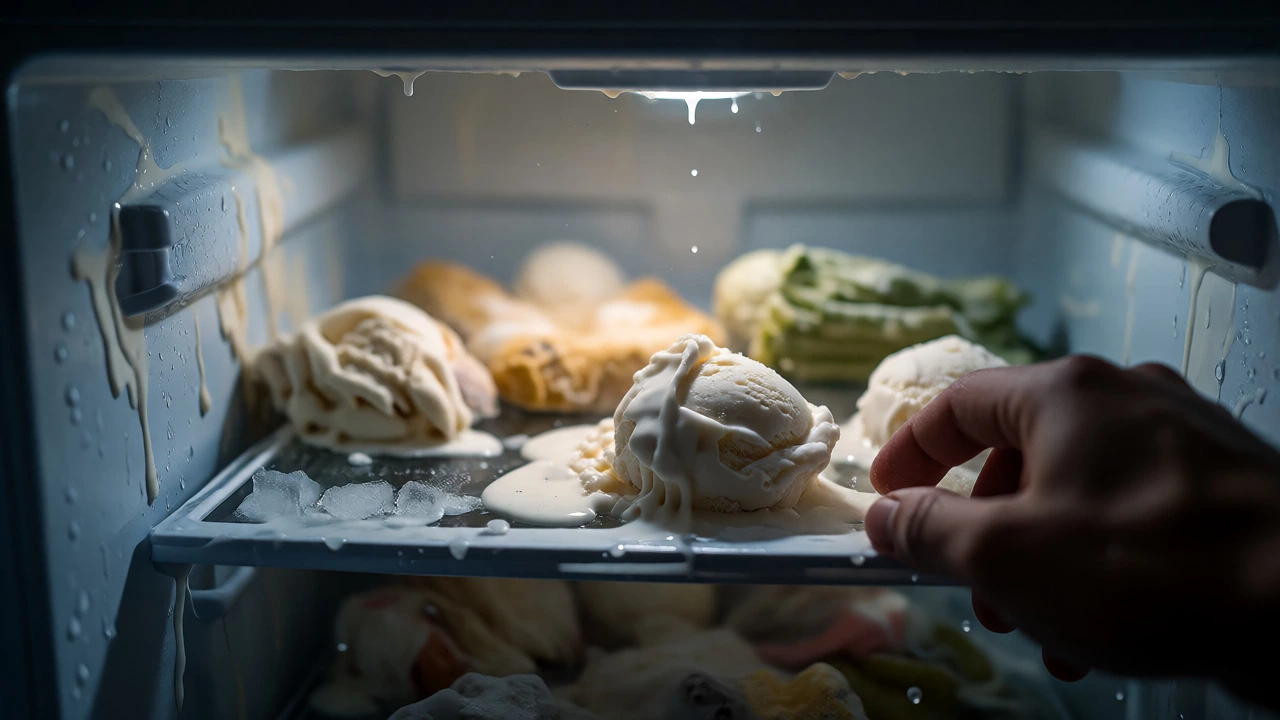
You open the door expecting a blast of cold air, but instead, you're greeted by the smell of thawing ice cream and puddles on the floor. Your freezer has stopped freezing, and now you're staring at a pile of expensive food wondering if it's time to call a technician or just buy a new unit. The biggest question isn't "why is this happening?"-it's "how much is this going to hurt my wallet?"
Here’s the reality: fixing a freezer that won't freeze can cost anywhere from $150 for a simple seal adjustment to over $800 for a major compressor swap. But before you hand over your credit card, you need to know what you’re actually paying for. Is it a cheap part like a thermostat, or is the heart of the machine-the compressor-dead? This guide breaks down exactly what causes these failures and what they cost in New Zealand right now.
The Quick Fix vs. The Big Ticket Item
Not all breakdowns are created equal. Some issues are minor annoyances; others signal the end of an appliance's life. To help you decide whether to repair or replace, here is a realistic breakdown of costs based on current Auckland market rates.
| Problem Area | Likely Cause | Part Cost (NZD) | Labor/Callout (NZD) | Total Estimate (NZD) |
|---|---|---|---|---|
| Door Seal | Worn gasket letting warm air in | $40 - $90 | $120 - $160 | $160 - $250 |
| Thermostat | Faulty sensor reading wrong temp | $30 - $70 | $120 - $160 | $150 - $230 |
| Defrost Timer | Ice buildup blocking airflow | $40 - $80 | $120 - $160 | $160 - $240 |
| Evaporator Fan | Motor burned out or stuck | $60 - $150 | $150 - $200 | $210 - $350 |
| Start Relay | Compressor clicks but doesn't start | $20 - $50 | $120 - $160 | $140 - $210 |
| Refrigerant Leak | Low gas levels due to puncture | $50 - $100 (gas) | $200 - $300 (labor) | $250 - $400 |
| Compressor | Main motor failure | $200 - $400 | $300 - $500 | $500 - $900+ |
Notice how the labor cost often exceeds the part cost. That’s because technicians charge for their diagnostic expertise and travel time, especially in areas like Auckland where traffic eats up hours. If the total quote comes close to 50% of the price of a new freezer, you should seriously consider replacing it instead.
Why Isn’t My Freezer Freezing?
Before you call anyone, spend five minutes checking these three common culprits. You might save yourself a $150 callout fee.
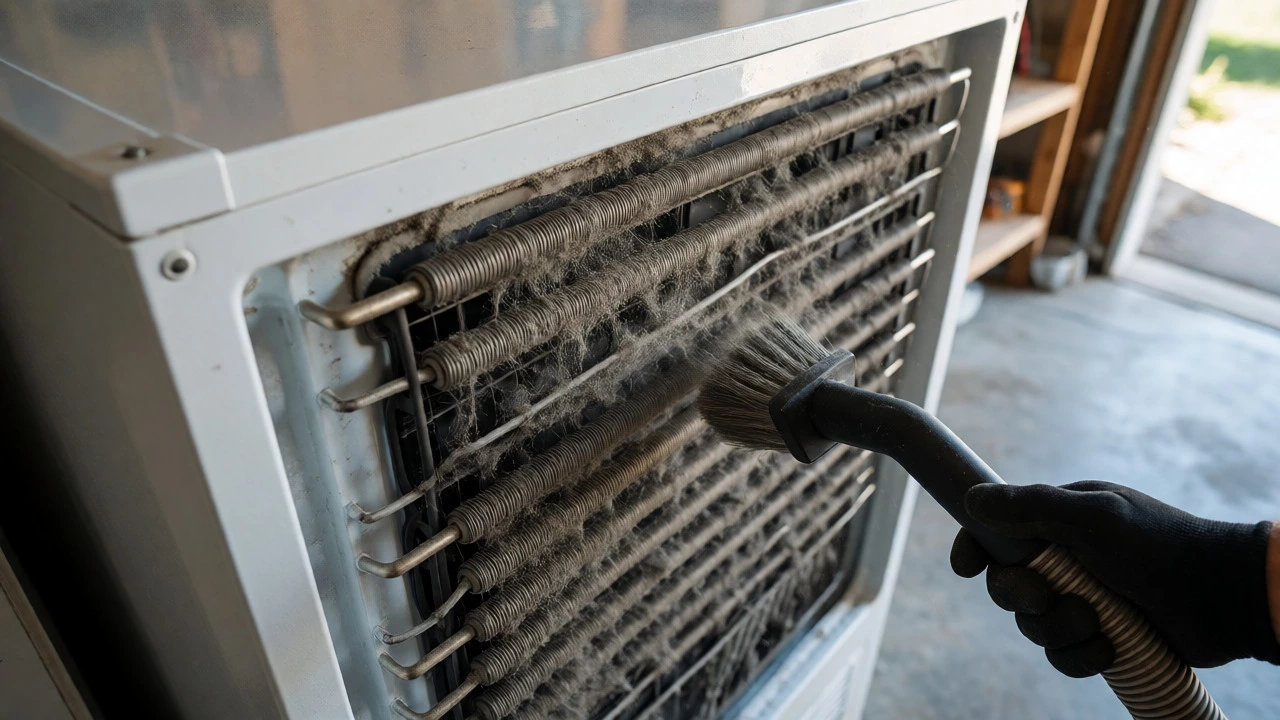
The Condenser Coils are usually located at the back or underneath the unit. They release heat from inside the freezer to the outside world. If they are covered in dust, pet hair, or lint, the freezer works twice as hard to cool down but fails to reach freezing temperatures. Vacuum them gently with a brush attachment. If the coils are clean but hot to the touch, the issue might be deeper.
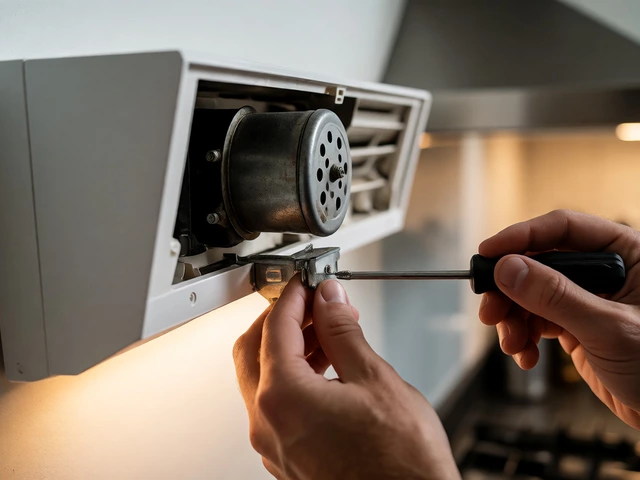
Next, check the Condenser Fan Motor. This fan cools the condenser coils. If the fan blades don't spin when the compressor runs, or if they make a grinding noise, the motor is likely seized. A broken fan means the system overheats and shuts off the cooling cycle to protect itself.
Finally, look at the Evaporator Coils inside the freezer compartment. In self-defrost models, if the defrost heater or timer fails, ice builds up on these coils. Thick ice acts as an insulator, preventing the cold air from circulating. If you see massive ice chunks behind the back panel, you have a defrost system failure, not a cooling failure.
When to Call a Professional
If cleaning the coils and checking the fans didn't solve the problem, you’re dealing with electrical components or sealed-system issues. These require specialized tools and certifications, particularly for handling refrigerants.
A faulty Start Relay is a classic sign of trouble. If your freezer makes a loud clicking sound every few minutes but stays room temperature, the relay is failing to send power to the compressor. Replacing this small component is cheap ($20-$50), but diagnosing it requires a multimeter. Technicians love these jobs because they are quick fixes with good margins, so expect to pay around $150-$200 total.
More serious is a Refrigerant Leak. Modern freezers use eco-friendly gases like R600a (isobutane). Unlike older systems, you can't just top up the gas without finding the leak first. If a technician finds a pinhole in the evaporator coil, repairing it involves welding and re-gassing the system. This labor-intensive process pushes the cost toward $300-$400. If the leak is in the internal lines, the repair might cost more than the unit is worth.
The worst-case scenario is a dead Compressor. This is the engine of your freezer. When it burns out, it often takes the start relay with it. Replacing a compressor is complex work requiring brazing, vacuuming, and precise charging of refrigerant. In New Zealand, this job rarely dips below $500. For most standard chest freezers under 10 years old, a compressor replacement is often not economically viable unless you have a high-end model.
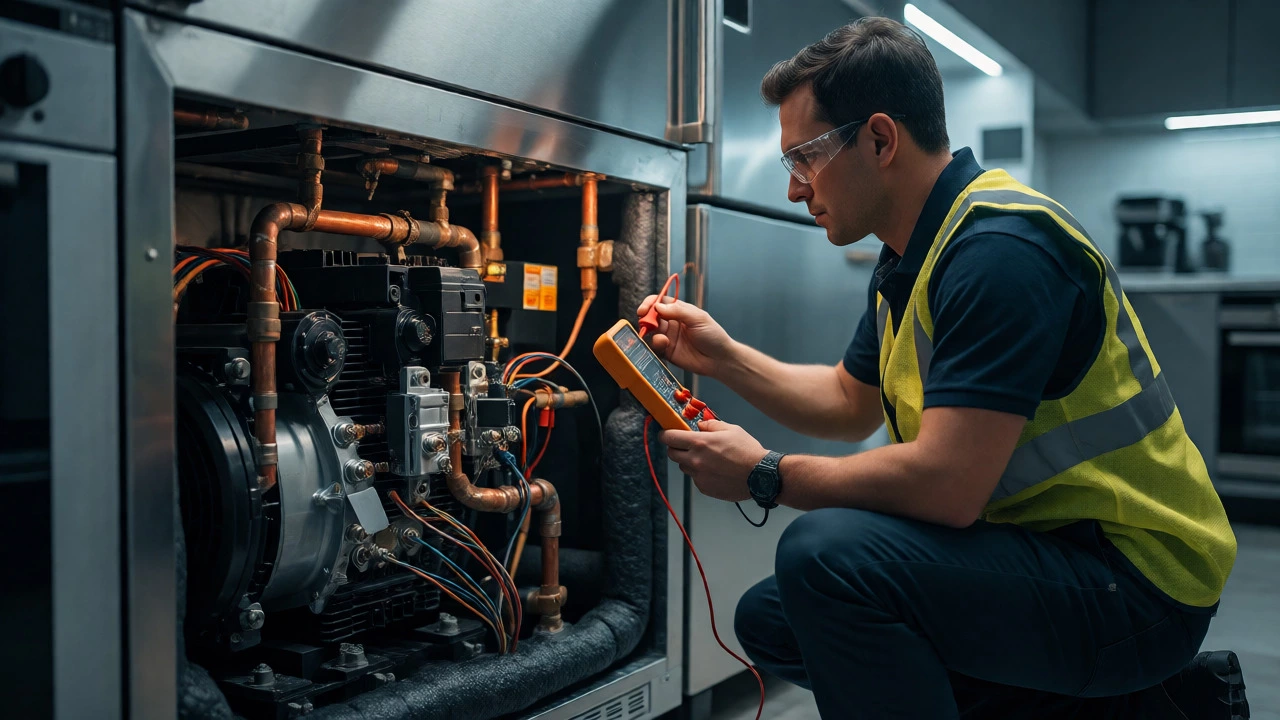
Repair or Replace? The Decision Matrix
How do you know if spending $250 on a repair is smarter than buying a new $600 freezer? Use this simple logic:
- Age Factor: If your freezer is over 10-12 years old, repairs are risky. Parts become scarce, and other components are likely near the end of their lifespan too. Buy new.
- Cost Ratio: If the repair quote is more than 50% of the cost of a comparable new model, replace it. Energy savings from modern inverters can offset the purchase price within a few years.
- Type Matters: Chest freezers are simpler and cheaper to fix than upright models with complex digital boards. If you have a basic chest freezer, repairs are often worth it even on older units.
- Brand Reputation: Brands like Fisher & Paykel, Samsung, and LG have widespread support in NZ. Obscure brands may lack available parts, making repair impossible regardless of cost.
Consider the energy angle. An old freezer with a struggling compressor uses significantly more electricity. Upgrading to a 5-star rated model could save you $50-$100 per year on power bills. Over five years, that’s enough to cover a large chunk of a new unit’s cost.
Tips to Prevent Future Breakdowns
You don’t want to go through this again next winter. Most freezer failures are preventable with minimal effort.
Keep the door seals tight. Test them by closing the door on a piece of paper. If you can pull the paper out easily, the gasket is worn. Warm air leaking in forces the compressor to run constantly, leading to burnout.
Don’t overload the freezer, but don’t leave it empty either. Frozen food helps retain cold. However, packing it too tightly blocks airflow vents, causing uneven cooling and strain on the fan motors.
Clean the exterior condenser coils every six months. Dust insulation is the silent killer of efficiency. In dusty homes or those with pets, do this quarterly. It takes ten minutes and extends the life of your compressor significantly.
Can I fix a freezer that won't freeze myself?
Yes, for simple issues. You can clean condenser coils, replace door gaskets, and sometimes replace a start relay or thermostat if you are handy with a screwdriver and multimeter. However, never attempt to open the sealed refrigeration system (compressor, pipes, refrigerant) yourself. Handling refrigerants requires certification and special tools.
How long does a freezer repair take?
Most repairs are completed during a single visit, lasting 1 to 2 hours. Simple fixes like a thermostat change take under an hour. Complex jobs like compressor replacement or locating a refrigerant leak can take 3 to 4 hours. If parts need ordering, the technician may return a few days later, though many keep common parts in stock.
Is it worth repairing a 15-year-old freezer?
Generally, no. Unless it is a high-quality commercial-grade unit or a vintage model you are sentimental about, a 15-year-old freezer is nearing the end of its reliable life. The risk of another component failing shortly after repair is high. Newer models are also far more energy-efficient, which saves money on running costs.
What does it mean if my freezer hums but doesn't freeze?
A humming sound usually indicates the compressor is trying to start but failing, or the evaporator fan is blocked by ice. Check for excessive frost buildup on the interior walls. If there is no frost and it still hums without cooling, the compressor may be seizing or the start relay is faulty. This requires professional diagnosis.
Do warranty repairs cover labor costs?
It depends on the manufacturer's warranty terms. Many warranties cover parts for 1-2 years but exclude labor after the first 12 months. Always check your receipt or manual. If your freezer is less than two years old, contact the retailer or manufacturer directly before hiring an independent technician, as unauthorized repairs can void remaining coverage.