Boiler Installer Qualification Checker
Question Text
Result Title
Result Description
Have you ever stared at a broken boiler in the middle of winter and wondered if your local plumber can fix it? It’s a natural assumption. Plumbers deal with pipes, water pressure, and heating systems every day. So, why do so many homeowners get confused when they call for help? The short answer is: yes, plumbers often change boilers, but not all of them are qualified to do so safely.
In New Zealand, as well as in the UK and Australia, the line between a general plumber and a specialized heating engineer can be blurry. This confusion leads to costly mistakes, safety hazards, and voided warranties. If you are looking to replace your heating system, understanding who actually holds the wrench-and the license-is critical.
The Difference Between a Plumber and a Heating Engineer
At their core, both trades involve working with pipes and water flow. A Plumber is a skilled tradesperson who installs and repairs piping systems for potable water, drainage, and sewage. They handle leaky faucets, blocked drains, and toilet installations. However, a boiler is more than just a pipe connection; it is a complex appliance that burns fuel or uses electricity to heat water under pressure.
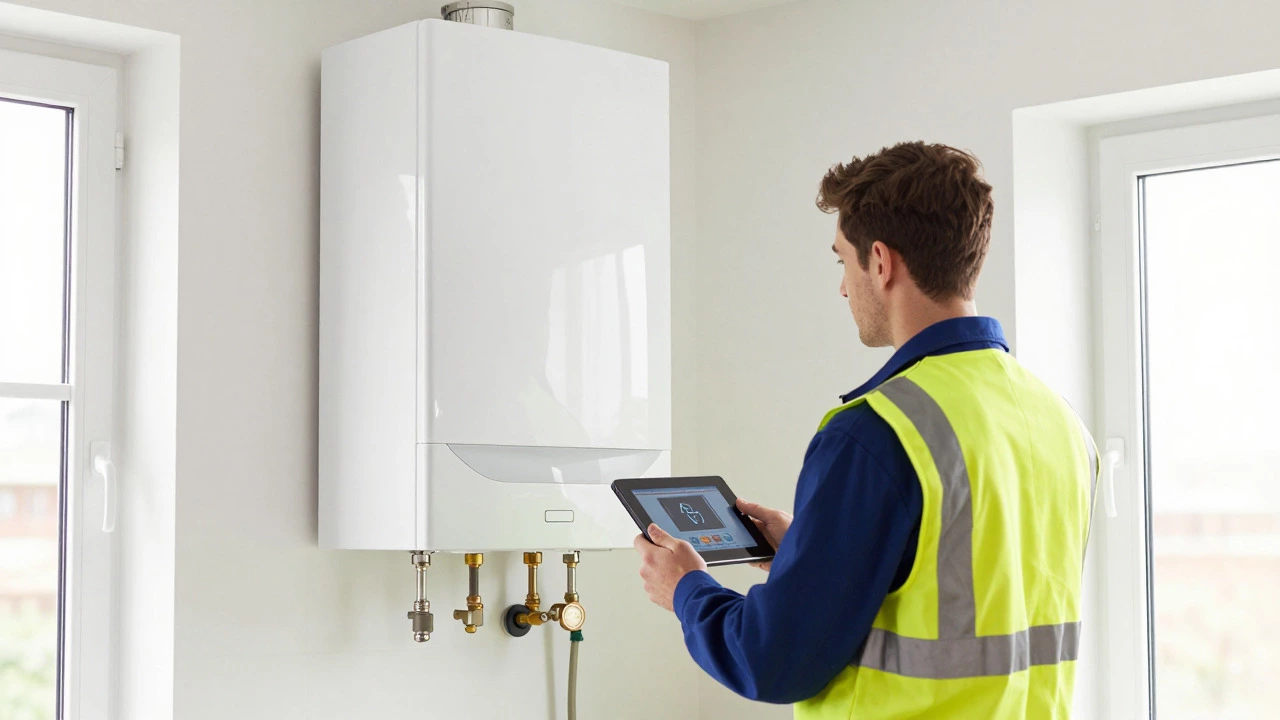
A Heating Engineer is a specialist technician trained specifically in the installation, maintenance, and repair of central heating systems and boilers. While many plumbers cross-train to become heating engineers, not all plumbers have this specific certification. In many regions, a standard plumbing license does not automatically grant permission to work on gas lines or high-pressure heating circuits.
| Task | General Plumber | Heating Engineer / Gas Technician |
|---|---|---|
| Fixing leaky taps | Yes | Rarely (unless part of a larger job) |
| Installing new radiators | Sometimes | Yes |
| Connecting gas supply lines | No (usually requires gas ticket) | Yes |
| Full boiler replacement | Only if dual-qualified | Yes |
| Clearing blocked drains | Yes | No |
Legal Requirements and Safety Certifications
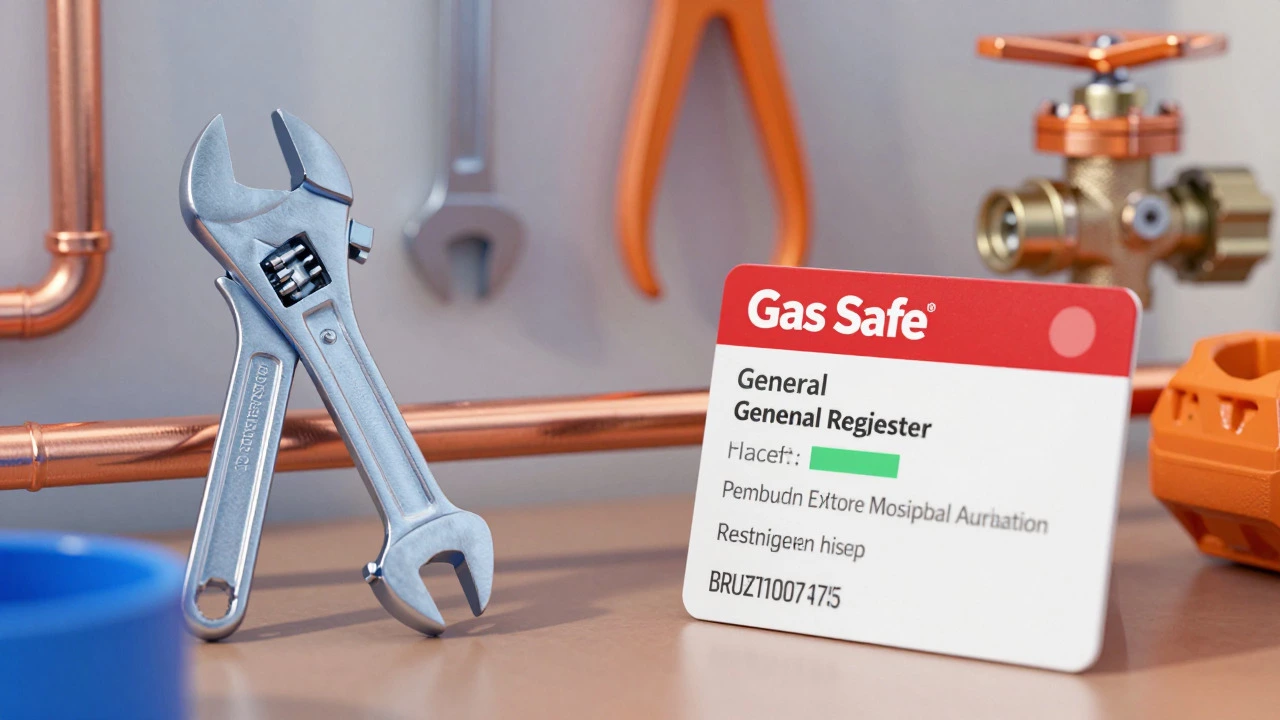
This isn't just about skill levels; it's about the law. In many countries, working on gas appliances without specific certification is illegal. For example, in the United Kingdom, any engineer installing or servicing a gas boiler must be registered with the Gas Safe Register is the official statutory body responsible for registering gas engineers in Great Britain.. Working without this registration can lead to heavy fines and imprisonment.
In New Zealand, the rules are slightly different but equally strict. Under the Building Act 2004, certain types of heating installations require licensed professionals. While electric boilers may fall under electrical licensing, gas boilers often require a combination of plumbing and gas fitting licenses. A Licensed Gasfitter is a professional authorized by WorkSafe New Zealand to install, alter, or repair gas fittings and appliances. If your plumber is not also a licensed gasfitter, they cannot legally connect the gas supply to your new boiler.
Why does this matter? Because boilers burn fuel. Improper installation can lead to carbon monoxide leaks, explosions, or fires. Carbon monoxide is odorless and colorless, making it a silent killer. Hiring a specialist ensures that combustion air vents, flue pipes, and pressure valves are installed correctly according to manufacturer specifications and local building codes.
When Can a General Plumber Help?
It’s important to note that a general plumber still plays a vital role in a boiler replacement project. Even if they aren’t turning the wrench on the boiler itself, they might handle the peripheral work. This includes:
- Removing the old boiler and disposing of it responsibly.
- Updating the pipework from the mains water supply to the new unit.
- Installing new thermostats or control panels.
- Flushing the central heating system to remove sludge and debris before the new boiler is connected.
Many large plumbing companies employ teams where some staff are general plumbers and others are certified heating engineers. When you call such a company, they will dispatch the right person for the job. However, if you hire an independent handyman or a small plumbing firm, you need to verify their credentials explicitly.
The Risks of Unqualified Installations
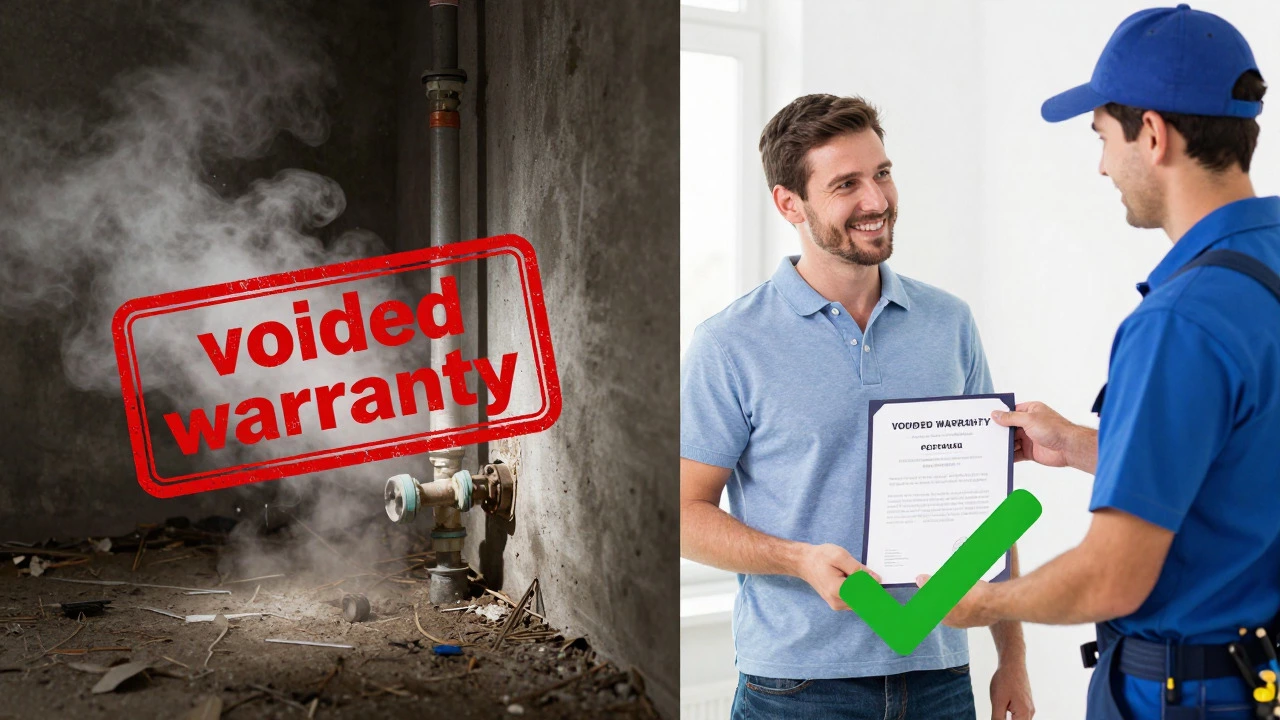
You might be tempted to save money by hiring someone cheaper who claims they can "do it all." But cutting corners on boiler installation carries significant risks. First, most boiler manufacturers require installation by a certified professional to keep the warranty valid. If a non-certified plumber installs your unit and it fails within two years, the manufacturer will likely deny the claim, leaving you with a $3,000 paperweight.
Second, insurance companies can deny claims if damage results from unlicensed work. If a poorly installed boiler causes a flood or fire, your home insurance policy might refuse to cover the repairs because the work was not done by a qualified professional. This is a common clause in many policies across New Zealand and the UK.
Finally, there is the resale value of your home. When selling a property, buyers often ask for certificates of compliance for major appliances. A boiler installed by an uncertified worker lacks this documentation, which can delay sales or lower the offer price.
How to Verify Your Installer’s Credentials
So, how do you know if the plumber you’re talking to is actually qualified to change your boiler? Here is a simple checklist to protect yourself:
- Ask for ID Cards: Certified engineers carry physical ID cards with unique numbers. In the UK, check the Gas Safe Register website. In New Zealand, check the WorkSafe register for Licensed Gasfitters or Plumbers.
- Check Insurance: Ensure they have public liability insurance. This protects you if they damage your property during the installation.
- Request References: Ask for examples of recent boiler installations. A reputable engineer will be happy to show photos or provide contact details for past clients.
- Get Multiple Quotes: Compare at least three quotes. Be wary of prices that seem too good to be true-they often hide hidden fees or indicate inexperience.
Electric vs. Gas Boilers: Does It Matter?
The type of boiler you choose also dictates who needs to install it. Electric Boilers are heating units that use electricity to generate hot water, eliminating the need for gas connections. These are becoming increasingly popular in areas aiming to reduce carbon emissions. Since they don’t burn gas, they don’t require a gas-safe certificate. However, they do require a qualified electrician to handle the high-voltage power connections. A plumber might fit the pipes, but an electrician must sign off on the wiring.
Gas Boilers are central heating units that burn natural gas or LPG to heat water, requiring precise ventilation and combustion controls. These remain the most common choice in many households due to lower running costs compared to electricity. Installing these requires both plumbing expertise and gas fitting certification. In some cases, a single professional holds both licenses, but often a team approach is necessary.
Maintenance Beyond Installation
Changing a boiler isn't a one-time event. Once installed, regular maintenance is crucial. Most experts recommend an annual service to ensure efficiency and safety. During this service, the engineer checks for leaks, tests the pressure, cleans the burner, and verifies the carbon monoxide output. Skipping this step can reduce the lifespan of your boiler by several years and increase energy bills.
If your current plumber handles your general household repairs, ask if they can perform annual boiler services. If they are not certified for gas work, they should refer you to a trusted partner. Keeping a relationship with a certified heating engineer ensures that when your boiler eventually needs replacing again, you already have a vetted professional on speed dial.
Can a general plumber install a gas boiler?
Generally, no. A general plumber can install the pipework, but they must hold a specific gas fitting license (such as Gas Safe in the UK or a Licensed Gasfitter in NZ) to connect the gas supply and commission the boiler. Without this, the installation is illegal and unsafe.
Is it cheaper to hire a plumber or a heating engineer?
While a general plumber might charge less per hour, hiring an unqualified person can lead to higher long-term costs due to voided warranties, failed inspections, or safety repairs. Certified heating engineers charge for their specialized knowledge and insurance, which provides better value and peace of mind.
What happens if I hire someone without certification?
You risk invalidating your home insurance, voiding the boiler warranty, and facing legal penalties. More importantly, you risk carbon monoxide poisoning or fire hazards due to improper installation. Always verify credentials before signing a contract.
Do I need a permit to replace my boiler?
In many jurisdictions, yes. Local building codes often require permits for gas appliance replacements to ensure compliance with safety standards. Your certified installer usually handles the permit process and final inspection, providing you with a certificate of completion.
How long does a boiler replacement take?
A straightforward swap of a like-for-like model typically takes 6 to 8 hours. If new pipework, flues, or upgrades to the control system are needed, it may take up to two days. Complex moves to a different location can extend the timeline further.