Electric Hob Crack Risk & Action Assessor
Use this tool to evaluate the risk level of a crack in your ceramic or induction hob based on its location and characteristics.
Awaiting Input...
Select options above and click assess.
Prevention Tips from Experts
- Lift, Don't Slide: Dragging pots can create micro-cracks via grit underneath.
- Avoid Thermal Shock: Never place cold items on hot glass immediately after cooking.
- Check Ventilation: Ensure airflow under the unit to prevent frame warping.
- Clean Gently: Use dedicated ceramic scrapers, not abrasive pads.
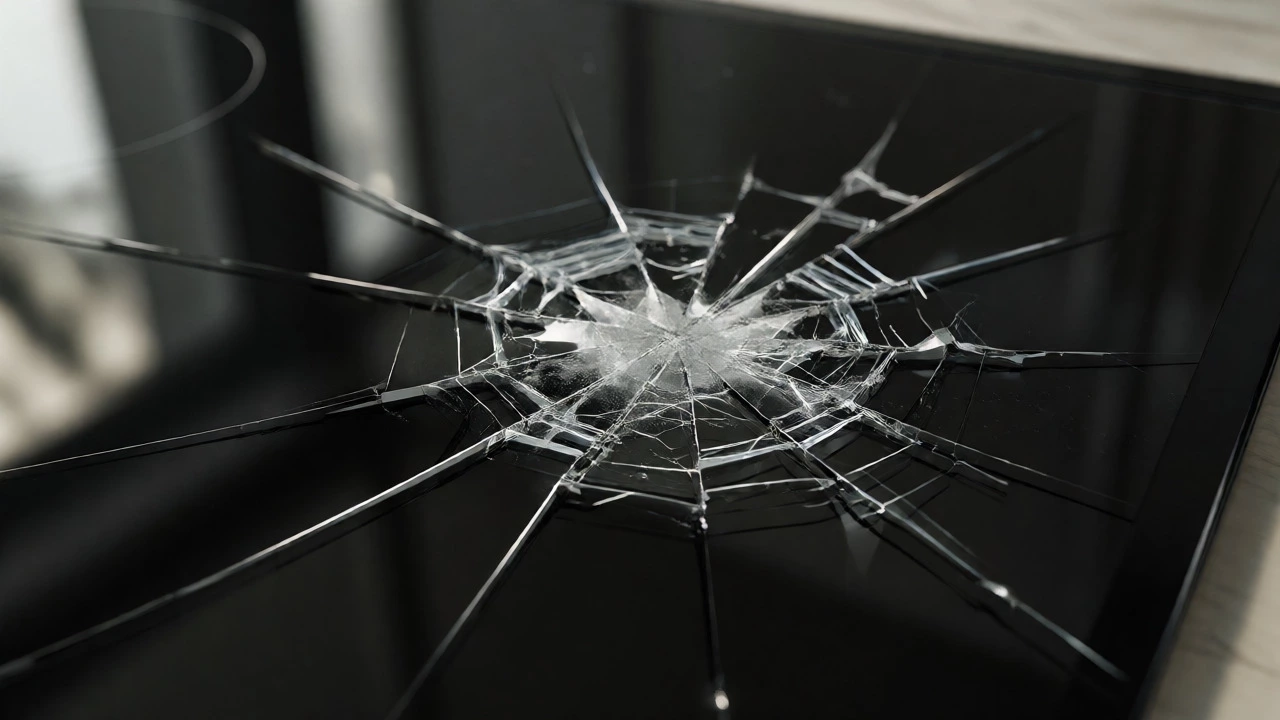
You’re cooking dinner, everything’s going fine, and then you hear it. A sharp crack. You look down, and there’s a spiderweb fracture across your shiny black surface. It’s not just ugly; it’s a ticking time bomb for your kitchen appliances. Why does this happen to a material designed to withstand extreme heat? Is it your fault? Can you fix it, or is it game over?
The short answer: it’s rarely one thing. It’s usually a mix of thermal shock, physical impact, or hidden manufacturing flaws. But knowing exactly which culprit hit yours can save you from buying a new unit prematurely-or help you claim that warranty properly.
The Myth of Indestructible Glass
Most modern hobs use Ceramic Glass, specifically a type called Ceran. This isn’t the same stuff as your window pane. It’s a specialized glass-ceramic composite engineered by companies like Schott AG. Its superpower is low thermal expansion. That means when one spot gets hot and another stays cool, the material doesn’t warp or stress out easily.
But "resistant" doesn't mean "invincible." Think of it like tempered smartphone glass. It handles daily scratches and minor bumps, but drop it on concrete (or in this case, slam a cast-iron pan), and it shatters. The structural integrity relies on uniform tension across the sheet. Break that balance, and the crack propagates instantly.
Culprit #1: Thermal Shock
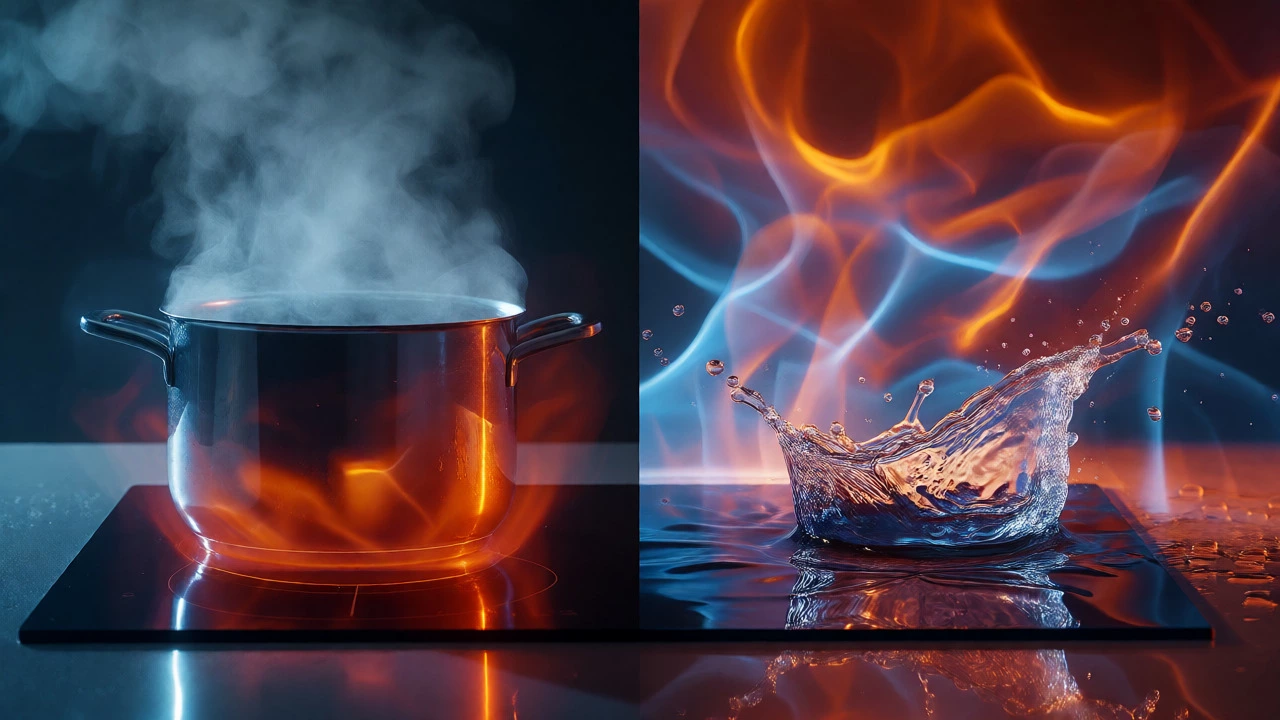
This is the most common killer of electric hobs, especially with induction models. Thermal shock happens when different parts of the glass expand at different rates too quickly.
Here’s a classic scenario: You’re boiling water. You turn off the zone, but the residual heat indicator is glowing red. Then, you spill cold milk or place a wet, frozen bag of peas directly onto that hot spot. The sudden temperature drop causes the glass molecules in that specific area to contract rapidly while the surrounding area remains expanded. The resulting stress exceeds the material’s tensile strength. Snap.
- Sugar Boil-Overs: Sugar syrup hardens into a rock-like substance on hot glass. If you try to scrape it off while the surface is still warm, the uneven pressure and localized cooling can trigger cracks.
- Dry Boiling: Leaving a pot empty on high heat for too long can create extreme local temperatures, potentially exceeding the safe operating limits if the sensor fails or the cookware is poor quality.
Culprit #2: Physical Impact and Weight Distribution
People often forget that ceramic glass is brittle. It has high compressive strength (it likes being squeezed) but low tensile strength (it hates being pulled apart).
Imagine sliding a heavy cast-iron skillet across the surface. If there’s a grain of sand or a piece of grit underneath, that tiny particle acts like a chisel. It concentrates all the weight and friction into a microscopic point. Over time, this creates micro-cracks. Eventually, those micro-cracks join up into a visible fracture.
Also, consider the installation. If your hob isn’t level, gravity puts uneven stress on the corners. In Auckland, where older homes might have slightly warped countertops, this is a real issue. A corner bearing more weight than others is a weak link waiting to fail.
Culprit #3: Installation and Ventilation Errors
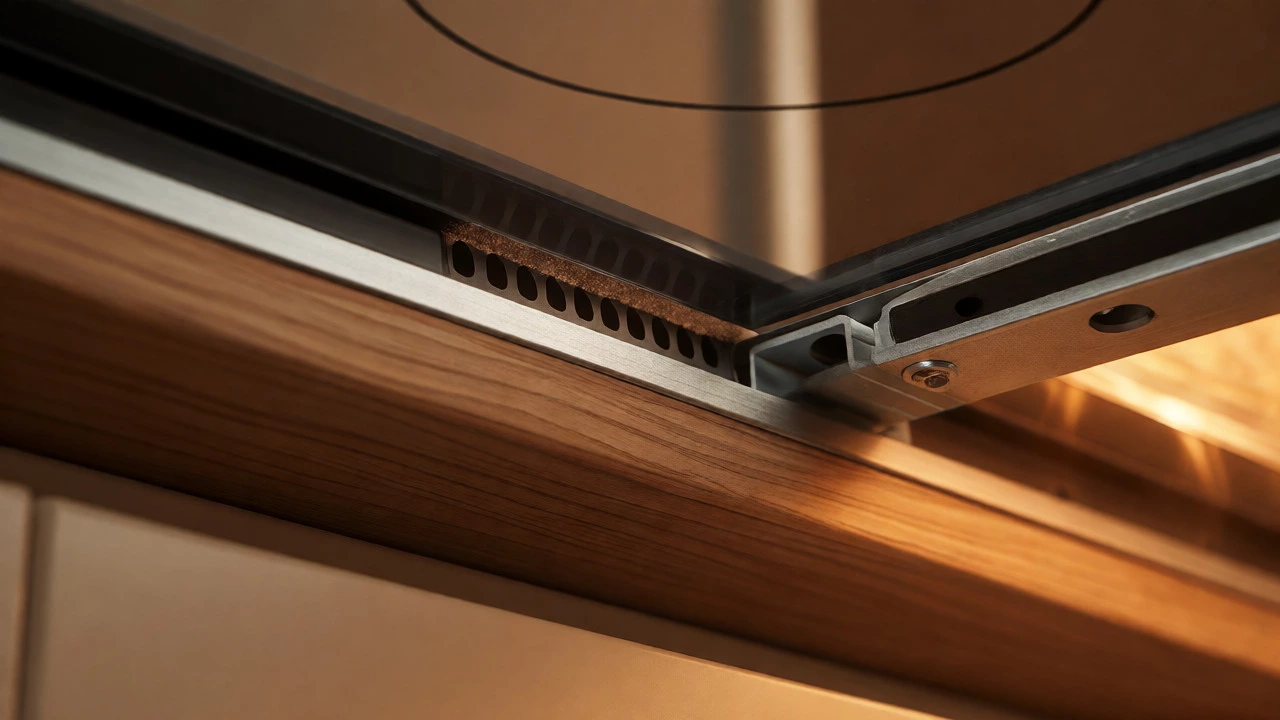
A lot of cracks don’t start in the kitchen; they start during installation. Electric hobs need airflow underneath to keep the internal electronics cool. If the installer sealed the edges with silicone too thickly, or didn’t leave enough clearance between the hob and the cabinet below, heat builds up.
Excessive underside heat can degrade the adhesive seals and warp the mounting frame. When the metal frame expands differently than the glass, it pinches the glass edges. Since the edge is the weakest part of any glass product, that’s where the crack starts.
| Cause Category | Specific Trigger | Mechanism of Failure | Prevention Tip |
|---|---|---|---|
| Thermal Shock | Cold liquid on hot glass | Rapid contraction vs. expansion stress | Let zones cool before cleaning |
| Physical Impact | Sliding heavy pots | Point-load stress from grit/debris | Lift, don't slide; clean before use |
| Installation | Poor ventilation | Overheating warps frame/glass | Ensure proper air gap under unit |
| Material Defect | Inclusion in glass | Weak point fails under normal use | Check warranty terms immediately |
Can You Fix a Cracked Hob?
Here’s the hard truth: You cannot polish out a crack. Once the structural continuity of the glass is broken, it’s compromised. Glue won’t hold against the thermal cycling of cooking. Resin fills are cosmetic at best and dangerous at worst because they trap moisture.
If the crack is small and contained within a single heating zone, some technicians might suggest continuing to use that zone with caution. However, if the crack extends near the edge or crosses multiple zones, the risk of the glass shattering completely increases. Water could seep into the crack and reach the electrical components underneath, causing shorts or corrosion.
Replacing just the glass top is sometimes possible, depending on the model. For popular brands like Bosch, Siemens, or Fisher & Paykel, replacement glass panels exist. But labor costs often approach 50-70% of the cost of a new unit. Unless your hob is a high-end built-in model worth $2,000+, replacing the whole unit is often the smarter financial move.
How to Prevent Future Cracks
You can’t control manufacturing defects, but you can control your habits. Here is a practical checklist to extend the life of your next hob:
- Use Flat-Bottomed Cookware: Wok bases or dented pans concentrate heat and weight unevenly. Stick to flat, heavy-bottomed stainless steel or enameled cast iron.
- Keep it Clean (But Gently): Remove sugar spills immediately after the surface cools down enough to touch safely. Use a dedicated ceramic scraper blade, held at a 30-degree angle. Never use abrasive scouring pads.
- Don’t Slide Pots: Lift them. Always. Check the bottom of your pans for grit before placing them on the glass.
- Avoid Extreme Temperature Swings: Don’t place a cold fridge straight out of the freezer onto a recently used hot zone. Let the glass cool first.
- Check Your Countertop: Ensure the cutout is smooth and the hob sits level. If your benchtop is stone, ensure it’s not flexing under load.
When to Call a Professional
If you see a crack, stop using the affected zone. Cover it with tape if you must use the rest of the hob temporarily to prevent debris falling in. Contact a certified appliance technician. They can determine if the crack is superficial or structural. In New Zealand, consumer guarantees under the Consumer Guarantees Act protect you if the failure was due to a defect rather than misuse. Document the damage with photos before cleaning up any mess.
Is it safe to keep cooking on a cracked electric hob?
It depends on the severity. Small hairline cracks that don't spread are often usable for a while, but risky. If the crack is deep, wide, or reaches the edge, stop using it. Water can penetrate the crack and damage the heating elements or electronics underneath, leading to electrical faults or fire hazards.
Does insurance cover a cracked hob?
Home contents insurance typically covers accidental damage, such as dropping a heavy object on the hob. However, they rarely cover wear and tear or gradual deterioration. If the crack happened suddenly due to an external event (like a dropped pan), file a claim. If it appeared spontaneously, check your manufacturer's warranty instead.
Why did my new hob crack so soon?
Early failures are often due to installation errors, such as insufficient ventilation causing overheating, or a pre-existing manufacturing defect known as an inclusion. Sometimes, using incompatible cookware (like rough cast iron dragged across the surface) can cause immediate damage. Review your user manual to ensure you followed break-in procedures correctly.
Can I replace just the glass on my induction hob?
Technically, yes, for many models. Manufacturers sell spare glass tops. However, the labor involved in disassembling the unit, removing the old adhesive, and sealing the new glass is intensive. Often, the cost of parts plus labor equals nearly the price of a new mid-range hob, making full replacement a more reliable option.
What is the difference between ceramic and induction hobs regarding cracking?
Both use similar ceramic glass tops. However, induction hobs generate less ambient heat in the glass itself compared to radiant electric coils, potentially reducing thermal shock risks from spilled liquids. But induction requires precise magnetic coupling; if a pot shifts significantly, the localized heating pattern changes abruptly, which can also stress the glass if combined with other factors.