Anode Rod Replacement Calculator
This calculator estimates when you should replace your water heater's anode rod based on your specific conditions. Proper maintenance prevents costly water heater failures.
Most people don’t think about their water heater until it stops working. But if you’ve noticed rusty water, strange smells, or a sudden drop in hot water supply, the problem might not be the tank-it’s the anode rod. This small, inexpensive part is the reason your water heater lasts as long as it does. And if you haven’t checked it in a few years, you’re risking a much bigger repair bill.
What Does an Anode Rod Actually Do?
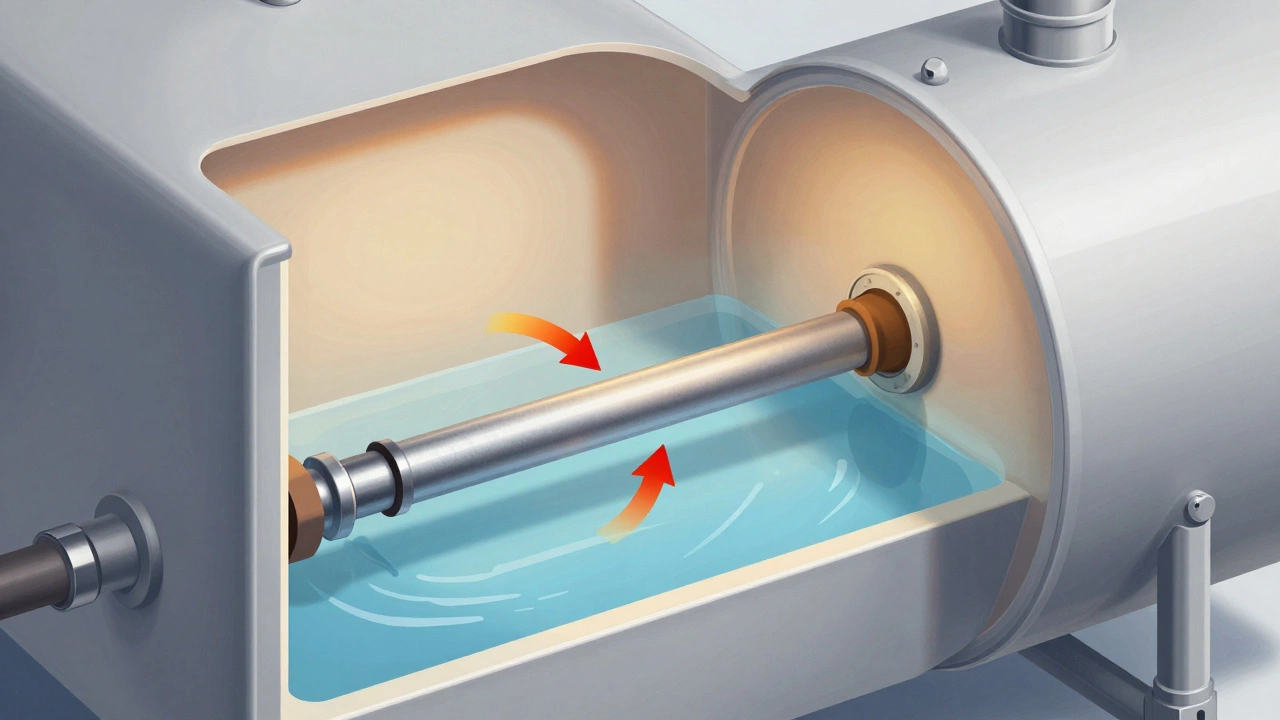
The anode rod is a long metal stick, usually made of magnesium, aluminum, or zinc, that hangs inside your water heater tank. Its job is simple: it sacrifices itself to protect the steel tank from rust.
Water, especially hot water, is naturally corrosive. Without the anode rod, the tank’s steel walls would slowly dissolve from the inside out. But the anode rod is made of a metal that corrodes more easily than steel. So instead of your tank rusting, the rod does. It’s like a bodyguard taking the bullet for the VIP.
This process is called galvanic corrosion. It’s not magic-it’s chemistry. The anode rod attracts the corrosive elements in the water, pulling them away from the tank. Once the rod wears down, the tank is left exposed. And once that happens, rust spreads fast.
How Often Should You Replace It?
The short answer: every 3 to 5 years. But that’s not the whole story.
Water quality, usage, and temperature all change how fast the rod wears out. In Auckland, where water tends to be moderately hard and slightly acidic, most homeowners should check the rod every 2 years and replace it by year 4 if it’s more than half gone.
Here’s what the experts see in the field:
- Soft water areas (like parts of Northland): Anode rods last 2-4 years because soft water is more aggressive.
- Hard water areas (like parts of Canterbury): Rods last 4-6 years, but they get coated in mineral scale, which hides wear.
- High usage homes (5+ people): Rods may need replacing every 2-3 years.
- Water set above 60°C: Higher temperatures speed up corrosion. Most heaters are set to 60°C-this is standard for killing Legionella bacteria, but it also burns through rods faster.
If you’re not sure about your water, here’s a simple way to tell: look at your tap water. If you see white flakes or a chalky residue when you boil water, you’ve got hard water. If your dishes come out spotty or your showerhead gets clogged often, that’s another sign.
How to Check Your Anode Rod
You don’t need to be a plumber to check the rod. Here’s how to do it in under an hour:
- Turn off the power. For electric heaters, flip the breaker. For gas, turn the dial to "pilot".
- Shut off the cold water supply to the tank. There’s a valve on top or near the top of the heater.
- Open a hot water tap somewhere in the house to relieve pressure.
- Locate the anode rod. It’s usually on top of the tank, under a hex head cap labeled "anode" or "vacuum breaker". It might be next to the hot water outlet.
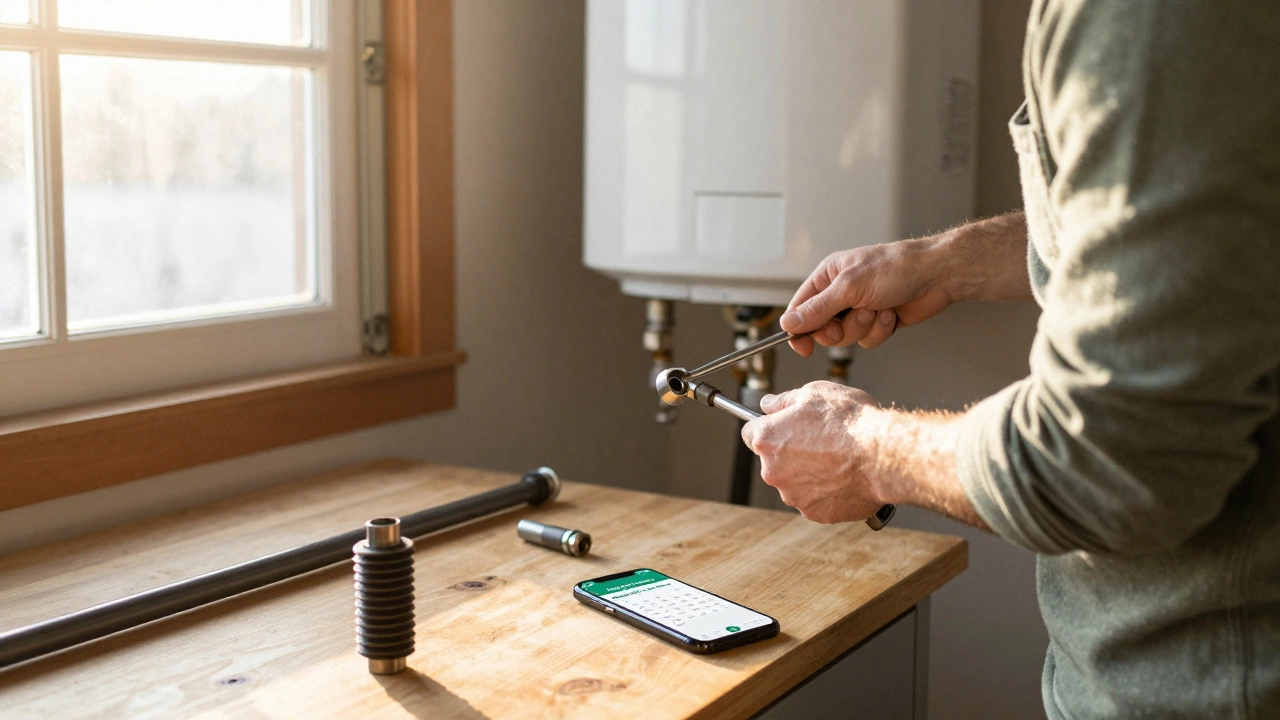
- Use a 1-1/16 inch socket wrench to loosen it. It’s often tight-use a breaker bar if needed.
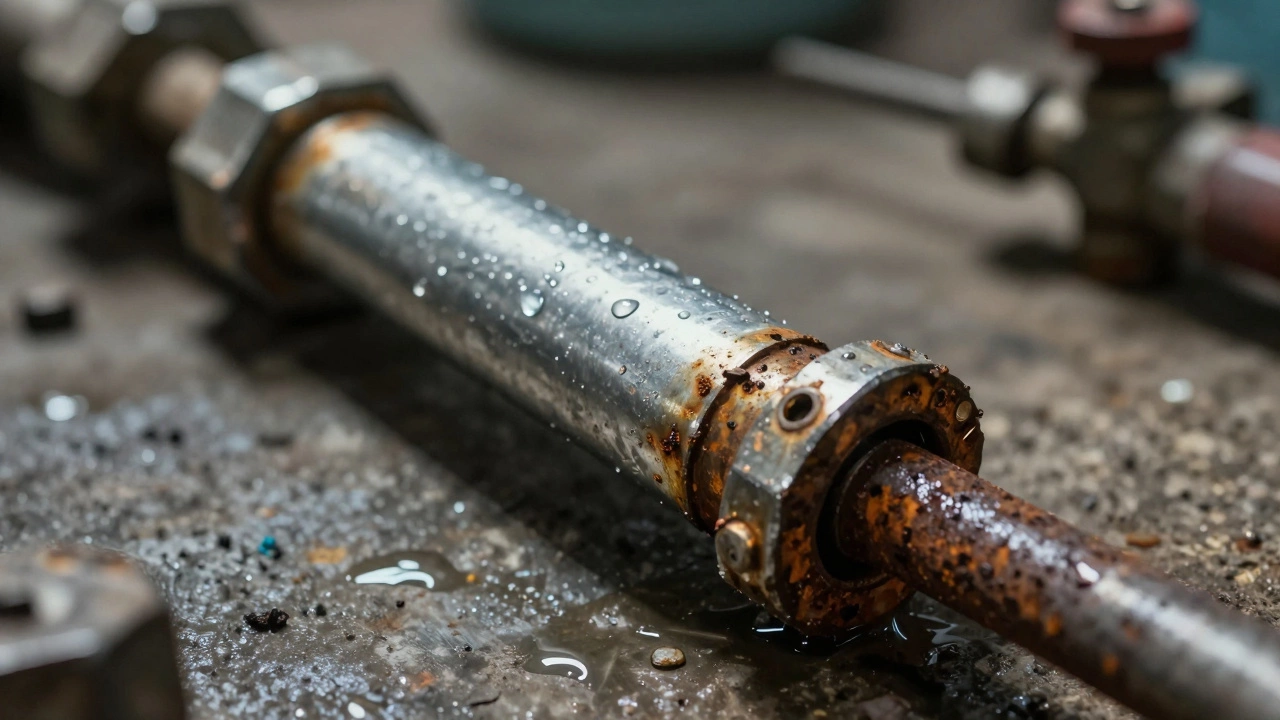
- Pull it out and inspect it. If it’s less than half its original thickness, or if you see more than 6 inches of bare steel, it’s time to replace it.
Pro tip: If the rod is stuck, don’t force it. Turn the water back on, run hot water for 10 minutes to loosen mineral buildup, then try again. If it still won’t budge, call a professional. Forcing it can crack the tank.
What Happens If You Don’t Replace It?
Ignoring the anode rod is like ignoring a check engine light on your car. You might drive for months. Then one day, the engine dies.
Once the rod is gone, rust starts forming inside the tank. First, you’ll notice discolored water-brown, orange, or reddish. Then you’ll smell sulfur, like rotten eggs. That’s not bacteria-it’s the reaction between sulfate in the water and the steel tank.
Eventually, the rust eats through the tank wall. Water leaks. The heater stops working. And replacing a full water heater costs between $1,500 and $3,000 in New Zealand, depending on size and installation.
Replacing the anode rod? That’s $50 to $100 for the part, and maybe $150 if you hire someone. Even if you do it yourself, you’re saving 90% of the cost of a full replacement.
Choosing the Right Replacement Rod
Not all anode rods are the same. The three main types are:
| Type | Best For | Pros | Cons |
|---|---|---|---|
| Magnesium | Soft water, standard homes | Most effective protection, longest life in soft water | Can cause sulfur smell in some water conditions |
| Aluminum | Hard water, areas with high mineral content | Resists scaling, cheaper, less likely to cause odor | Less protective in soft water, wears faster |
| Zinc (aluminum-zinc blend) | Water with strong sulfur smell | Reduces rotten egg odor | Not as durable, only use if odor is a problem |
In Auckland, magnesium is the best all-around choice. But if your water smells like eggs even after replacing the rod, try aluminum or a zinc blend. Some brands now offer hybrid rods that combine aluminum and zinc-these are worth considering if you’re unsure.
Myth Busting: Anode Rods and Water Quality
You might hear that installing a water softener eliminates the need for an anode rod. That’s false. Softeners remove calcium and magnesium from water, but they don’t stop corrosion. In fact, softened water can be more corrosive because it’s more chemically reactive.
Another myth: "I have a stainless steel tank, so I don’t need an anode rod." Even high-end tanks with stainless steel liners have steel outer shells. The anode rod still protects the tank’s structure. Skip it, and you’ll still get leaks.
And no, you can’t just leave the old rod in and add a new one. Two rods can interfere with each other’s protection. Always remove the old one before installing a new one.
When to Call a Pro
You can replace the anode rod yourself if you’re handy. But call a professional if:
- The rod is completely fused to the tank and won’t budge.
- You notice water pooling under the heater after draining.
- Your tank is over 8 years old and you’re not sure if it’s still worth saving.
- You’re uncomfortable working with gas lines or electrical connections.
Many plumbers offer anode rod checks as part of a yearly maintenance service. It’s a smart move-like an oil change for your water heater.
Final Advice: Make It Part of Your Routine
Set a reminder in your phone: every two years, check your anode rod. Do it in spring, when you’re already doing home maintenance. It takes 30 minutes. The cost of a new rod is less than a good dinner out.
If you do this, your water heater could last 15 years instead of 8. That’s a big difference when you’re paying $2,500 for a new one.
Don’t wait for the tank to burst. Check the rod. Replace it when needed. Keep your hot water flowing-and your wallet full.
How do I know if my anode rod is bad?
Signs include rusty or discolored hot water, a rotten egg smell, reduced hot water supply, or visible corrosion on the rod during inspection. If the rod is more than half worn down or shows bare metal, it needs replacing.
Can I replace the anode rod myself?
Yes, if you’re comfortable turning off water and power, draining the tank, and using a socket wrench. Most homeowners can do it in under an hour. Just make sure you have the right size rod and a new rubber gasket for the opening.
Do I need to drain the tank to replace the anode rod?
You don’t have to drain the entire tank, but you should lower the water level below the anode rod opening. This prevents a mess and makes it easier to remove and install the rod. Draining 5-10 gallons is usually enough.
What happens if I don’t replace the anode rod?
The tank will begin to rust from the inside. Eventually, it will leak, and you’ll need to replace the entire water heater. This can cost 20 times more than replacing the anode rod. Rust can also contaminate your water and cause unpleasant odors.
Is a longer anode rod better?
Not necessarily. The rod should match the length of the original. A longer rod won’t give extra protection if it doesn’t fit properly. What matters is the material and condition-not the length. Always use the same type (magnesium, aluminum, or zinc) unless you have a specific reason to switch.