Hot Water Troubleshooter
Follow the steps below to diagnose why your hot water stopped working. Answer honestly for the most accurate diagnosis.
What type of water heater do you have?
Did you check the power supply or breaker panel?
If you have an electric heater, look for a tripped circuit breaker. If gas, ensure the unit has power if it uses electronic ignition.
What is the current state of the hot water?
Do you notice any other issues?
You step into the shower, expecting that comforting blast of steam, and instead get hit with a wall of icy cold. It’s a shock to the system, literally. One minute you’re comfortable, the next you’re wondering if your water heater has decided to take an unscheduled vacation. This sudden loss of hot water is one of the most common household emergencies in Auckland homes, whether you live in a classic villa or a modern apartment block.
Before you panic and call out for an emergency plumber at midnight, take a breath. In many cases, the problem isn’t a catastrophic failure but a simple tripped switch, a reset button, or a minor part that needs attention. Knowing how to diagnose the issue can save you hundreds of dollars in unnecessary service fees. Let’s walk through the most likely reasons your hot water stopped working all of a sudden, tailored for both gas and electric systems common here in New Zealand.
The Power Supply Check: Is It Actually Off?
It sounds too simple to be true, but you’d be surprised how often this is the culprit. If you have an electric water heater, check your main electrical panel first. Look for a tripped circuit breaker. Sometimes, a power surge from a storm-which we get plenty of in Auckland-can trip the breaker protecting the heater. Flip it fully off, then back on. Wait ten minutes and check if the hot water returns.
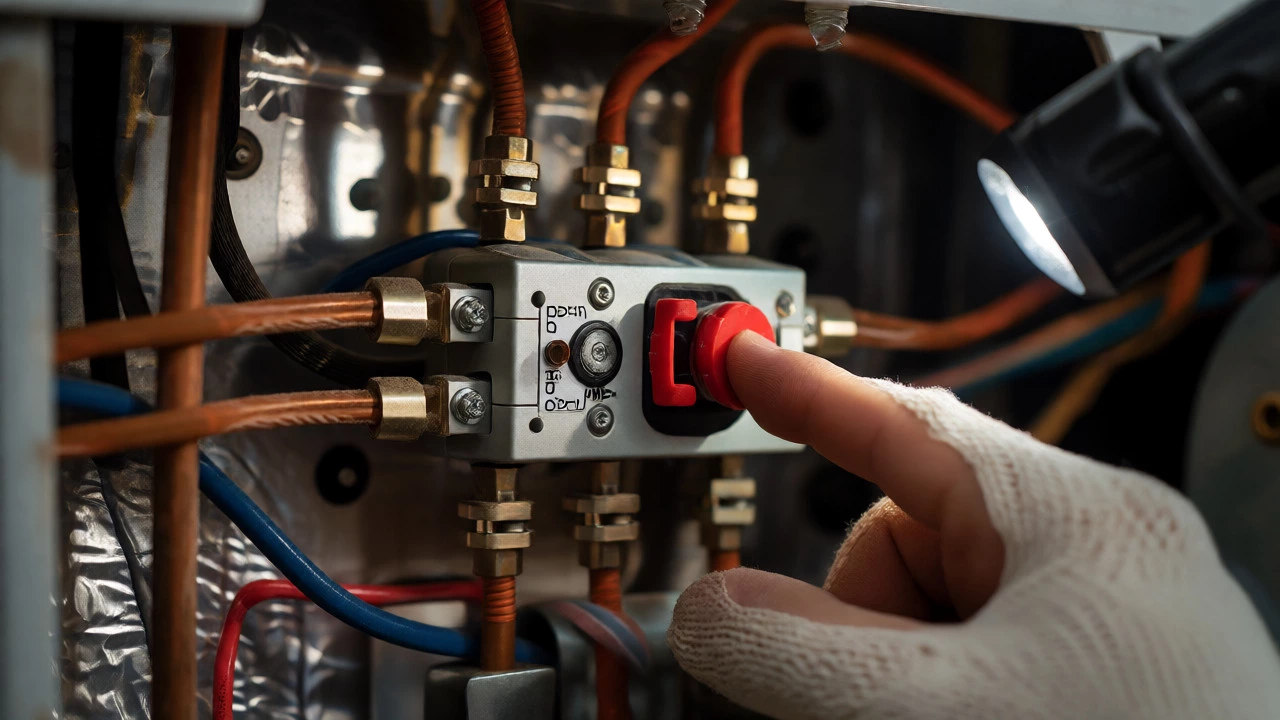
If the breaker hasn’t tripped, the issue might be inside the unit itself. Most electric storage heaters have a thermal cut-out device designed to shut down power if the water gets dangerously hot. This safety feature trips when the thermostat malfunctions or if there’s a fault in the heating element. You’ll need to remove the access panels (ensure the power is off at the mains first!) to find the red reset button. Pressing it might solve your problem instantly. If it trips again immediately, you’ve got a faulty element or thermostat, and you’ll need a professional.
Gas Heater Specifics: Pilot Lights and Thermocouples
If you run a gas water heater, the story changes slightly. These units rely on a pilot light or an electronic ignition system to heat the water. If your pilot light went out, the gas won’t ignite, and you’ll get cold water every time.
Modern gas heaters often use a thermocouple. This small metal rod senses the heat of the pilot flame. If the thermocouple fails or gets dirty, it thinks the pilot is out-even if it’s lit-and shuts off the gas valve as a safety measure. You can try cleaning the tip of the thermocouple with fine steel wool, but replacement is cheap and easy if cleaning doesn’t work. Another common gas issue is a blocked flue. If debris or bird nests block the exhaust vent, the heater will lock out to prevent carbon monoxide buildup inside your home.
| Symptom | Likely Cause (Electric) | Likely Cause (Gas) | DIY Fixable? |
|---|---|---|---|
| No hot water at all | Tripped breaker or failed element | Pilot out or thermocouple failure | Yes (Breaker/Reset) |
| Hot water runs out quickly | Broken dip tube or small tank size | Failing mixing valve | No (Plumber needed) |
| Strange noises (banging) | Sediment buildup | Sediment buildup | Flushing required |
| Smell of gas | N/A | Leak or incomplete combustion | No (Emergency) |
The Dip Tube Dilemma: Why Your Tank Isn’t Heating Efficiently
Let’s say you still get some hot water, but it feels lukewarm, or it runs out faster than usual. This points to a broken dip tube. Inside your storage tank, the dip tube directs incoming cold water to the bottom of the tank so it can be heated by the elements or burner. Over time, plastic dip tubes become brittle and crack.
When the tube breaks, cold water shoots straight to the top of the tank, mixing with the hot water before it even reaches your tap. The result? Tepid showers and frustrated family members. Replacing a dip tube requires draining the tank and removing the inlet pipe. It’s a job for a confident DIYer, but given the risk of leaks, many homeowners prefer calling a pro. If your tank is over 10 years old, consider if a full replacement makes more financial sense than repairing parts.
Sediment Buildup: The Silent Killer of Efficiency
Auckland water is relatively soft compared to other regions, but sediment still accumulates over time. Minerals like calcium and magnesium settle at the bottom of the tank. For gas heaters, this layer insulates the water from the burner, causing the tank to overheat and potentially warp. For electric heaters, sediment can cover the lower heating element, preventing it from transferring heat effectively.
You might hear popping, cracking, or banging noises coming from the heater. That’s trapped steam escaping through the sediment layer. Flushing the tank annually can prevent this, but if you’ve never done it, the buildup might be severe. A sudden drop in performance often happens after a period of heavy usage, which stirs up the sludge and clogs the outlet. Draining a few litres from the drain valve at the base of the unit can help clear loose debris, but a thorough flush usually requires professional equipment.
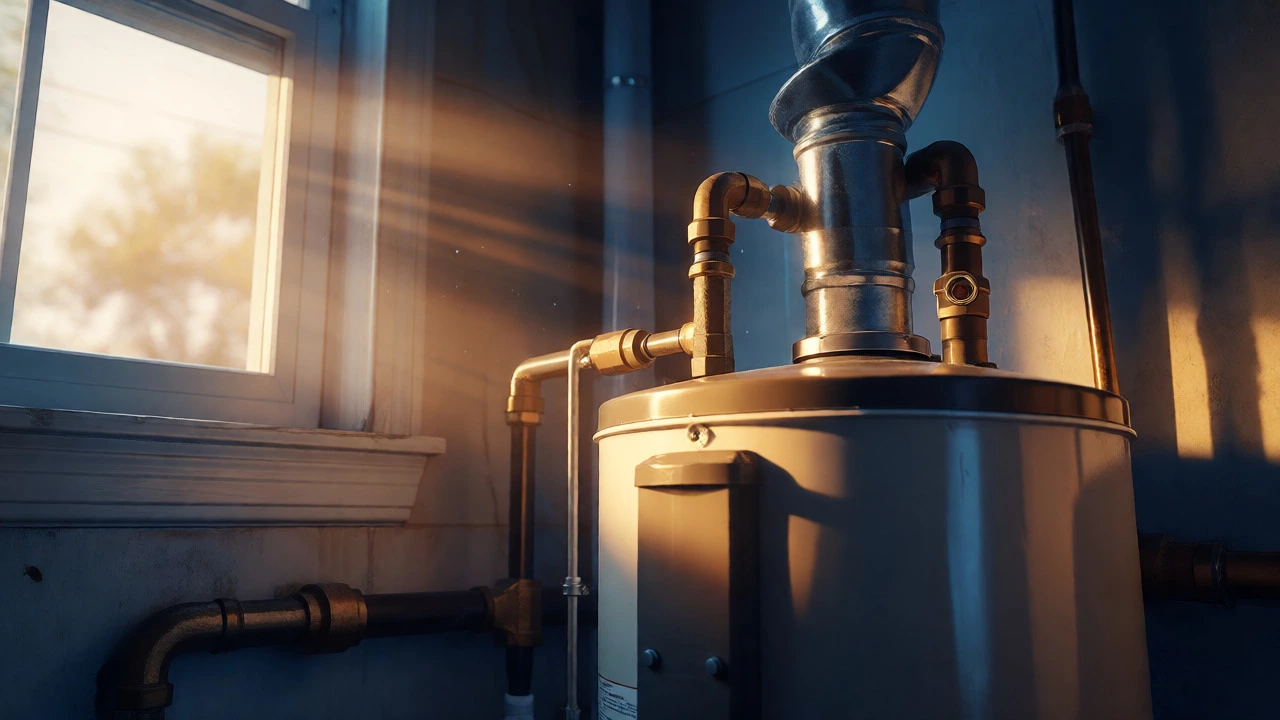
Thermostat Failures: When Settings Don’t Match Reality
Your thermostat controls the temperature of the water. If it fails, it might read incorrectly, telling the heater that the water is already hot when it’s actually cold. Or worse, it might fail open, keeping the heater running until the water boils, triggering the safety cut-out we mentioned earlier.
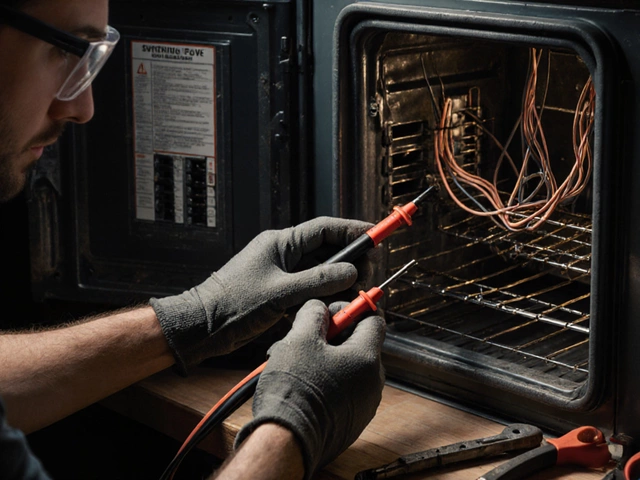
In dual-element electric heaters, one element might work while the other fails. Since the upper element heats the initial draw of water, a broken upper element means you’ll only get hot water if you wait a long time between uses. Testing thermostats requires a multimeter. If you’re not comfortable handling live electrical components, don’t guess. A faulty thermostat can lead to scalding risks or energy waste, so accurate diagnosis is key.
When to Call a Professional Plumber
While checking breakers and resetting buttons is safe, some issues demand expert eyes. If you smell gas, turn off the gas supply at the meter and ventilate the area immediately. Do not operate light switches. This is an emergency situation.
Similarly, if you see water pooling around the base of the heater, do not touch the unit if it’s electric. Water and electricity are a dangerous mix. A leaking tank usually means the internal liner has corroded through, and replacement is the only option. Patching a rusted tank rarely lasts. Also, if your home has older plumbing, sudden pressure changes when restoring hot water can burst weak pipes. A licensed plumber can ensure your connections are secure and compliant with New Zealand building codes.
Remember, living in Auckland means dealing with varied water pressures and hard-to-reach installations in older villas. A local technician knows these quirks. They can also advise on upgrading to high-efficiency models, which might qualify for energy rebates or lower your monthly bills significantly.
Frequently Asked Questions
How long does it take for hot water to come back after a power outage?
For a standard 140-litre electric storage heater, it typically takes 60 to 90 minutes to fully reheat the water after a power outage, assuming the power is restored and the system resets correctly. Gas instantaneous heaters provide hot water almost immediately once the pilot relights or ignition succeeds.
Can I fix a broken dip tube myself?
Yes, if you have basic plumbing skills. You need to turn off the power/gas, close the cold water inlet, drain the tank partially, disconnect the inlet pipe, replace the dip tube, and reconnect everything. However, if you are unsure about sealing threads or handling valves, hiring a plumber prevents potential leaks.
Why is my hot water only lukewarm?
Lukewarm water often indicates a failing heating element (in electric units), a broken dip tube allowing cold water to mix with hot, or a faulty thermostat setting. In gas units, it could be a malfunctioning mixing valve or low gas pressure affecting the burner's output.
Is it cheaper to repair or replace an old water heater?
If your unit is under 8-10 years old, repair is usually cost-effective. For units over 10-15 years, especially if they show signs of corrosion or frequent breakdowns, replacement is often better. Newer models are significantly more energy-efficient, which saves money on utility bills over time.
What should I do if I hear banging noises from my heater?
Banging noises are caused by sediment trapping steam bubbles that collapse violently. Try flushing the tank to remove debris. If the noise persists after flushing, the sediment layer may be too thick, requiring professional descaling or indicating the tank is nearing the end of its life.