Refrigerator Problem Diagnostic Tool
What's Wrong With Your Fridge?
Select the symptoms you are experiencing:Your refrigerator is one of the most reliable machines in your home. It runs quietly, keeps your food cold, and generally stays out of your way until it suddenly doesn’t. When that happens, panic sets in. You’re worried about spoiled groceries, rising electricity bills, and the cost of a new appliance. But before you call a technician or head to the store for a replacement, it helps to know what usually goes wrong.
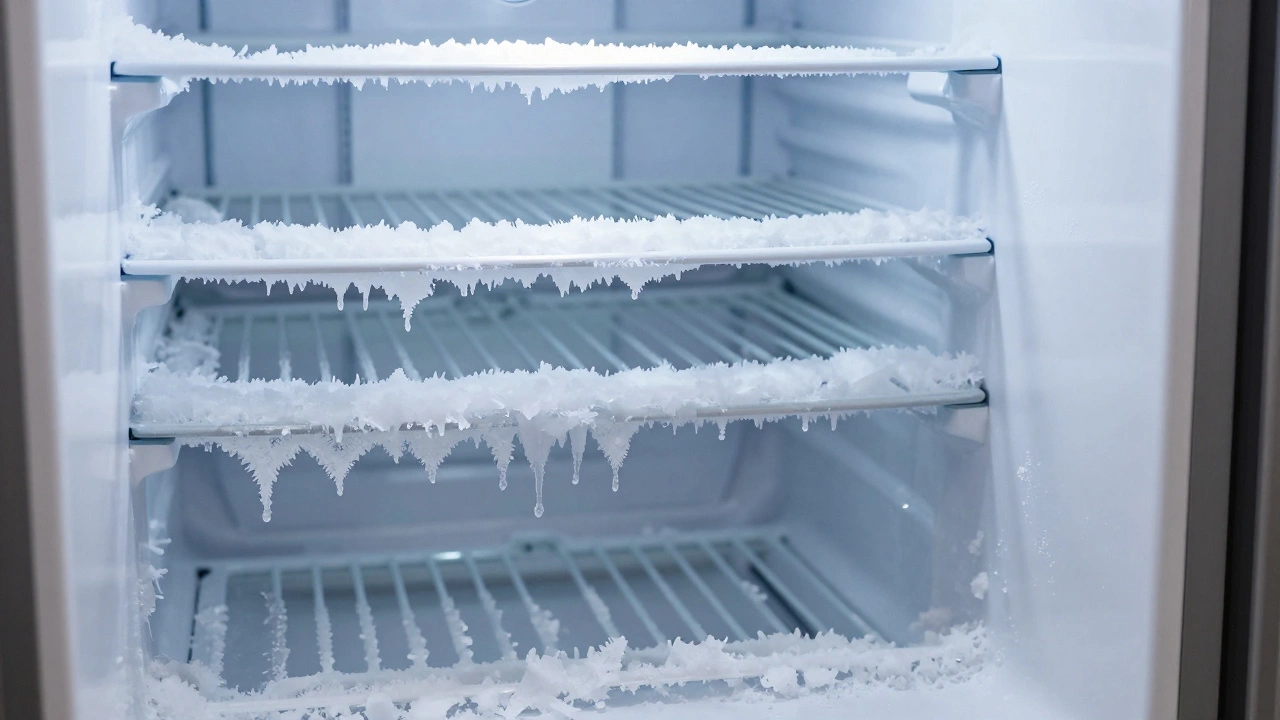
Based on service data from major repair networks and appliance manufacturers, the single most common refrigerator repair isn’t the expensive compressor failure many people fear. It’s actually a much simpler issue: defrost system malfunctions. Specifically, failures in the defrost heater, defrost thermostat, or defrost control board account for the highest volume of service calls across all refrigerator types.
Why the Defrost System Fails So Often
To understand why this is the top repair, you need to understand how a modern fridge works. Almost all refrigerators made in the last two decades are "frost-free" or "auto-defrost." This means they have a built-in cycle that periodically heats up the coils inside the freezer to melt away frost buildup.
If these coils get covered in ice, air can’t circulate properly. The freezer might stay cold, but the fresh food section will warm up because the cold air isn’t flowing through the vents. The defrost system consists of three main parts:
- Defrost Heater: A heating element that melts the ice.
- Defrost Thermostat (or Bi-metal Switch): A sensor that tells the heater when to turn off once the ice is melted.
- Defrost Control Board: The brain that schedules when the defrost cycle should happen.
The defrost heater is by far the weakest link. It operates at high temperatures repeatedly over years. Eventually, the heating element burns out or breaks internally. When this happens, the fridge stops defrosting. Ice builds up silently behind the back panel of the freezer. Within weeks, the ice blocks airflow, causing temperature fluctuations and eventual cooling failure.
Signs Your Defrost System Is Failing
You don’t need to be an electrician to spot these symptoms. If you notice any of the following, your defrost system is likely the culprit:
- Ice buildup in the freezer: You see thick layers of frost on the back wall of the freezer, even if you haven’t opened the door frequently.
- Warm fresh food compartment: The freezer is still freezing solid, but your milk and leftovers in the fridge section are spoiling faster than usual.
- Running constantly: The compressor never shuts off because the fridge is struggling to maintain temperature due to poor airflow.
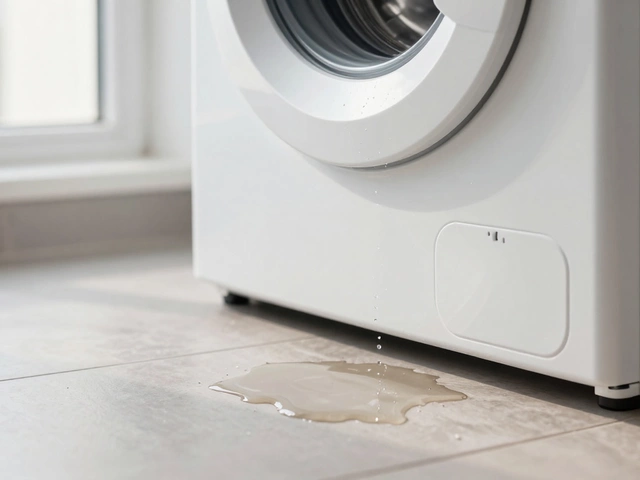
- Water pooling: Melted water has nowhere to go because the drain tube is clogged with ice, leading to puddles at the bottom of the fridge or under the unit.
Other Top Refrigerator Repairs
While defrost issues take the crown, they aren’t alone. Here are the next most frequent repairs technicians encounter, ranked by frequency.
| Repair Issue | Frequency | Typical Cause | DIY Difficulty |
|---|---|---|---|
| Defrost System Failure | Very High | Burnt-out heater or faulty thermostat | Medium |
| Door Seal Leaks | High | Aged rubber gaskets losing flexibility | Easy |
| Evaporator Fan Motor | High | Ice jamming the fan or motor burnout | Medium |
| Condenser Coil Dirt | High | Dust and pet hair accumulation | Easy |
| Temperature Control Board | Medium | Electrical surge or component aging | Hard |
| Compressor Failure | Low | Wear and tear, electrical issues | Professional Only |
Door Seals (Gaskets)
Rubber degrades over time. In Auckland’s humid climate, or anywhere with heavy daily use, door seals can crack, warp, or lose their magnetic grip. When warm air sneaks in, the fridge works overtime, leading to frost buildup and higher energy bills. Testing this is easy: close the door on a dollar bill. If you can pull it out without resistance, your seal needs replacing.
Evaporator Fan Motor
This small fan sits inside the freezer and pushes cold air into the fridge section. If it fails, the freezer may work, but the fridge won’t cool. Often, this fan fails because ice builds up around its blades (due to a defrost problem) and jams it. Sometimes the motor itself just wears out. You’ll hear a grinding noise or silence when the fridge should be humming softly.
Dirty Condenser Coils
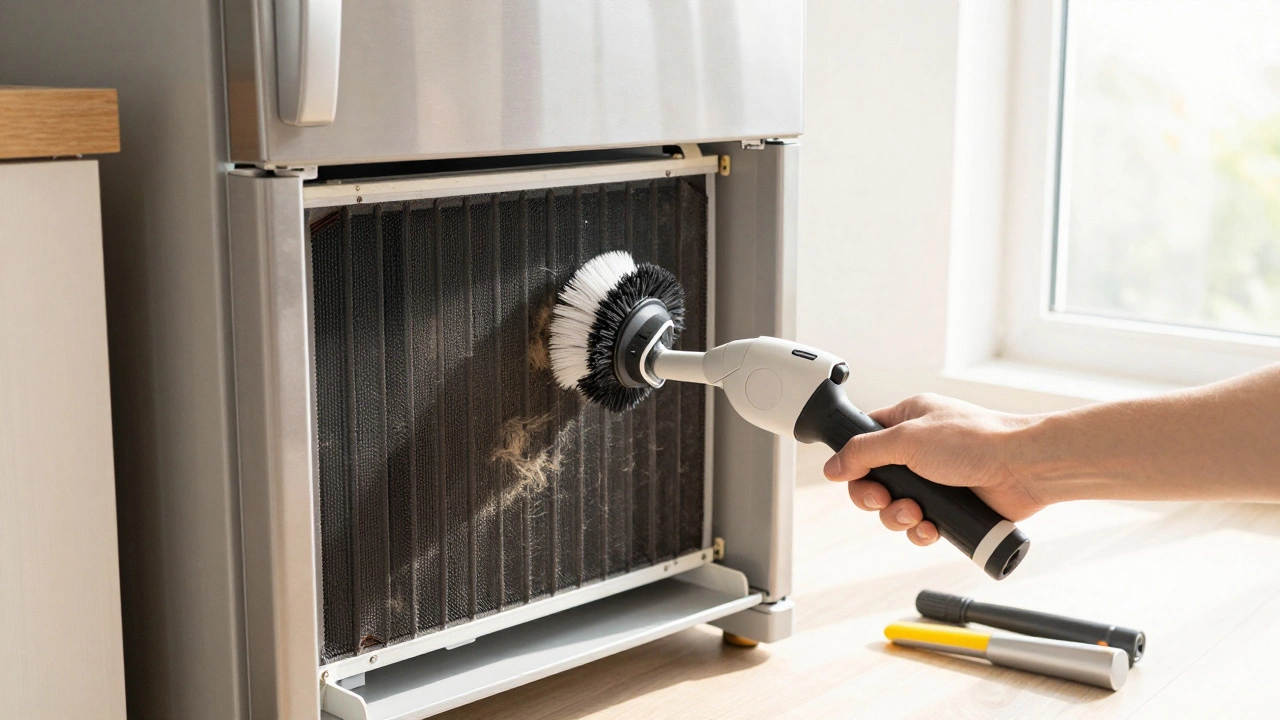
This isn’t always a "repair" in the sense of broken parts, but it’s a massive cause of performance issues. The condenser coils (usually on the back or bottom front) release heat. If they’re clogged with dust, lint, or pet hair, the fridge can’t shed heat efficiently. The compressor runs longer and hotter, shortening its life. Cleaning these coils every six months is the best preventative maintenance you can do.
When Is It Time to Replace Instead of Repair?
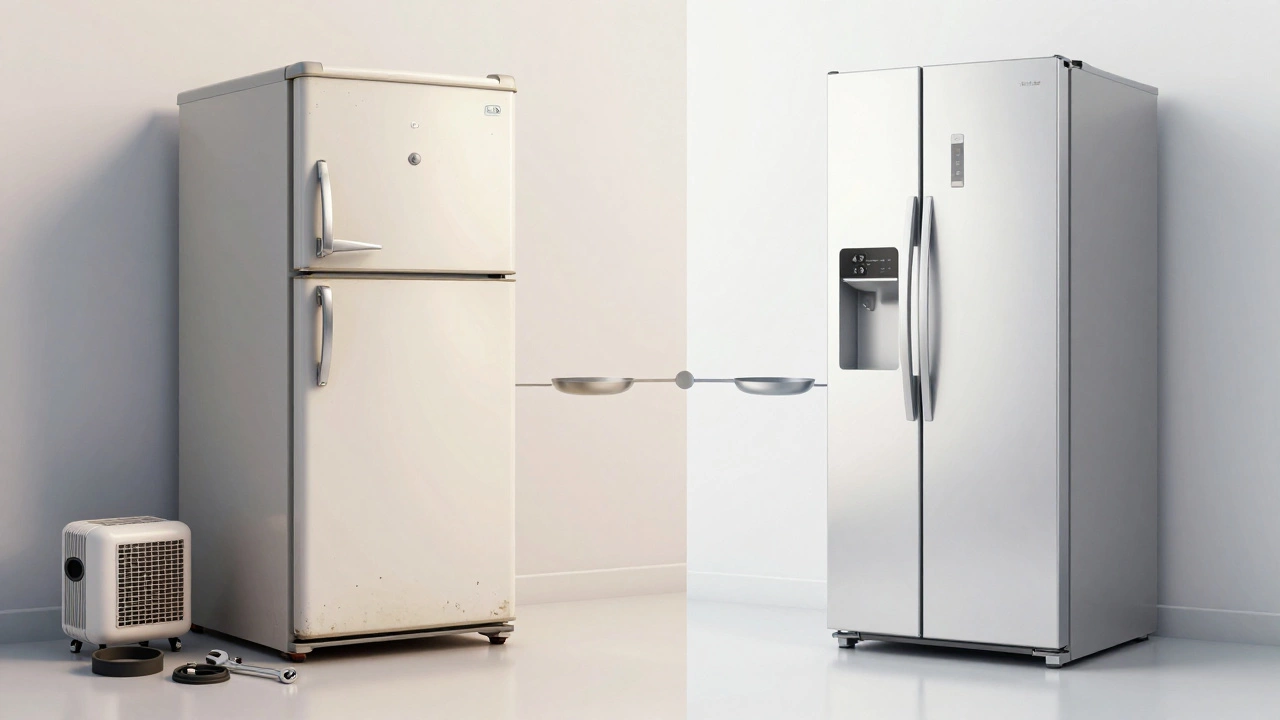
Knowing the most common repair helps you decide whether to fix or replace. Use the "50% Rule": if the repair costs more than 50% of the price of a new, energy-efficient model, consider replacing. However, context matters.
- Age: If your fridge is older than 10-12 years, parts may become harder to find, and efficiency drops significantly compared to modern models.
- Compressor Issues: If the compressor is dead, the repair cost often exceeds $800-$1,200 NZD. Unless it’s a high-end built-in unit, replacement is usually smarter.
- Refrigerant Leaks: These require professional handling and specialized equipment. They are rarely worth fixing in older units.
Preventative Maintenance Tips
You can delay most of these repairs with simple habits. Since defrost system failure is the number one issue, keeping the system happy is key.
- Clean the coils annually: Use a coil brush or vacuum attachment to clean the condenser coils. This reduces strain on the entire system.
- Check door seals regularly: Look for cracks or gaps. Clean them with warm soapy water to keep them flexible.
- Don’t overload the fridge: Air needs to circulate. Packing items too tightly blocks vents and causes uneven cooling, which stresses the defrost cycle.
- Keep the drip pan clear: Located near the compressor, this pan catches meltwater. If it overflows or dries out, it can cause odors or electrical issues.
Frequently Asked Questions
How much does it cost to fix a defrost heater?
The part itself is relatively inexpensive, typically ranging from $30 to $80 NZD. However, labor costs vary. A professional technician might charge between $150 and $300 NZD for the visit and installation. If you’re handy, you can buy the part online and install it yourself by removing the back panel of the freezer.
Can I fix a refrigerator myself?
Yes, for several common issues. Replacing door seals, cleaning condenser coils, and swapping out a defrost heater or thermostat are manageable DIY projects. However, anything involving refrigerant lines, complex circuit boards, or the compressor requires a licensed technician due to safety risks and legal regulations regarding gas handling.
Why is my freezer cold but my fridge is warm?
This is the classic symptom of a blocked air vent or a failed evaporator fan. Cold air is generated in the freezer and pushed into the fridge section. If the fan is broken or ice is blocking the path, the freezer stays cold, but the fridge section warms up. Check for ice buildup behind the freezer panels first.
How long does a refrigerator compressor last?
A healthy compressor should last 10 to 15 years. If yours fails earlier, it could be due to power surges, dirty coils causing overheating, or manufacturing defects. Compressors are the heart of the fridge; if it dies, the unit cannot cool.
Is it normal for a fridge to make noise?
Some noise is normal. You might hear clicking (relays engaging), humming (compressor running), or gurgling (refrigerant flowing). However, loud buzzing, grinding, or screeching sounds indicate a problem. Grinding often points to a failing fan motor, while buzzing can signal a compressor issue or loose components.
What is the most expensive refrigerator repair?
Compressor replacement is typically the most expensive repair, often costing $800 to $1,500 NZD including labor. Because this cost approaches the price of a new mid-range refrigerator, many owners choose to replace the unit instead of repairing the compressor.
How often should I clean my fridge coils?
Every 6 to 12 months is recommended. If you have pets or live in a dusty environment, aim for every 6 months. Dirty coils force the compressor to work harder, increasing energy consumption and wear on the system, which can lead to premature failure.
Can a tripped breaker cause fridge problems?
Yes. If your fridge loses power unexpectedly, the defrost timer or control board may reset. This can sometimes disrupt the defrost cycle schedule, leading to temporary ice buildup. Always check your home’s circuit breaker if your fridge suddenly stops working without obvious mechanical failure.