Dishwasher Troubleshooter & Fix Guide
What problem are you experiencing?
Select the issue that best matches your dishwasher's behavior.
Poor Cleaning
Food residue on dishes, cloudy glasses, or spotty results
Drainage Issues
Water pooling inside, puddles on floor, or humming noise
Bad Odors
Foul smells coming from the dishwasher interior
Detergent Problems
Dispenser not opening or soap still in cup after cycle
It happens to everyone. You load up your dishwasher, hit start, and go about your day. When you come back, the plates are still dirty, or worse, there’s a puddle on the kitchen floor. It’s frustrating, expensive if you call a pro immediately, and honestly, a bit of a mystery until you know what to look for.
You might be wondering: what is the most common dishwasher fault? The short answer is that it usually isn’t a broken motor or a fried control board. In my experience fixing appliances in Auckland homes, the vast majority of issues stem from simple blockages or minor mechanical snags. Specifically, a clogged filter or a blocked spray arm is the number one culprit behind poor cleaning performance and drainage issues.
The Silent Killer: A Clogged Filter
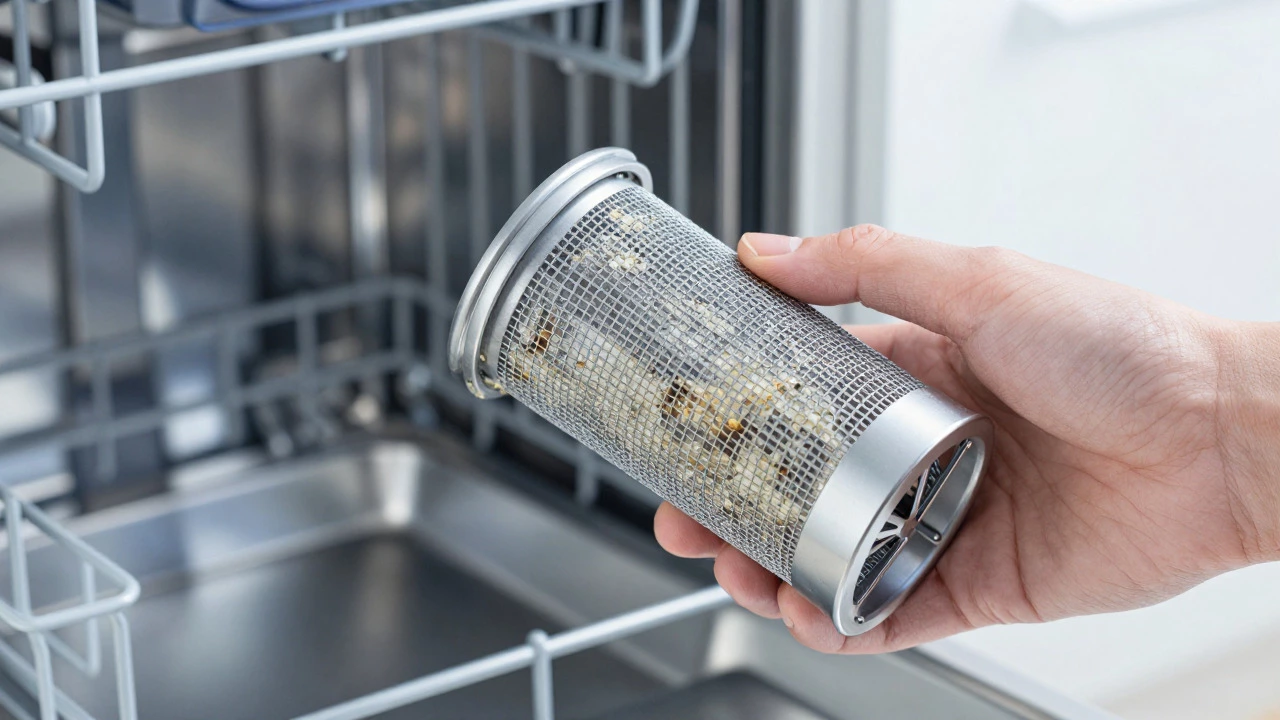
If your dishes are coming out with food particles stuck to them, or if the water looks murky, check the filter first. Modern dishwashers use a filtration system to trap food debris so it doesn’t recirculate onto your clean plates. Over time, this filter gets packed with bits of rice, seeds, and hardened grease.
| Symptom | Likely Cause | Severity |
|---|---|---|
| Food residue on plates | Filter completely blocked | Low (Easy fix) |
| Water pooling at bottom | Filter housing misaligned or clogged | Medium |
| Foul odor | Rotting food trapped in filter mesh | Low |
To fix this, locate the cylindrical filter assembly at the bottom of the tub. Twist it counter-clockwise and pull it out. Rinse it under warm water with a soft brush. If it’s really grimy, soak it in warm soapy water. Once it’s clean, snap it back into place. This simple ten-minute task solves about half of all "broken" dishwasher calls I get.
Blocked Spray Arms: Why Your Dishes Aren’t Getting Clean
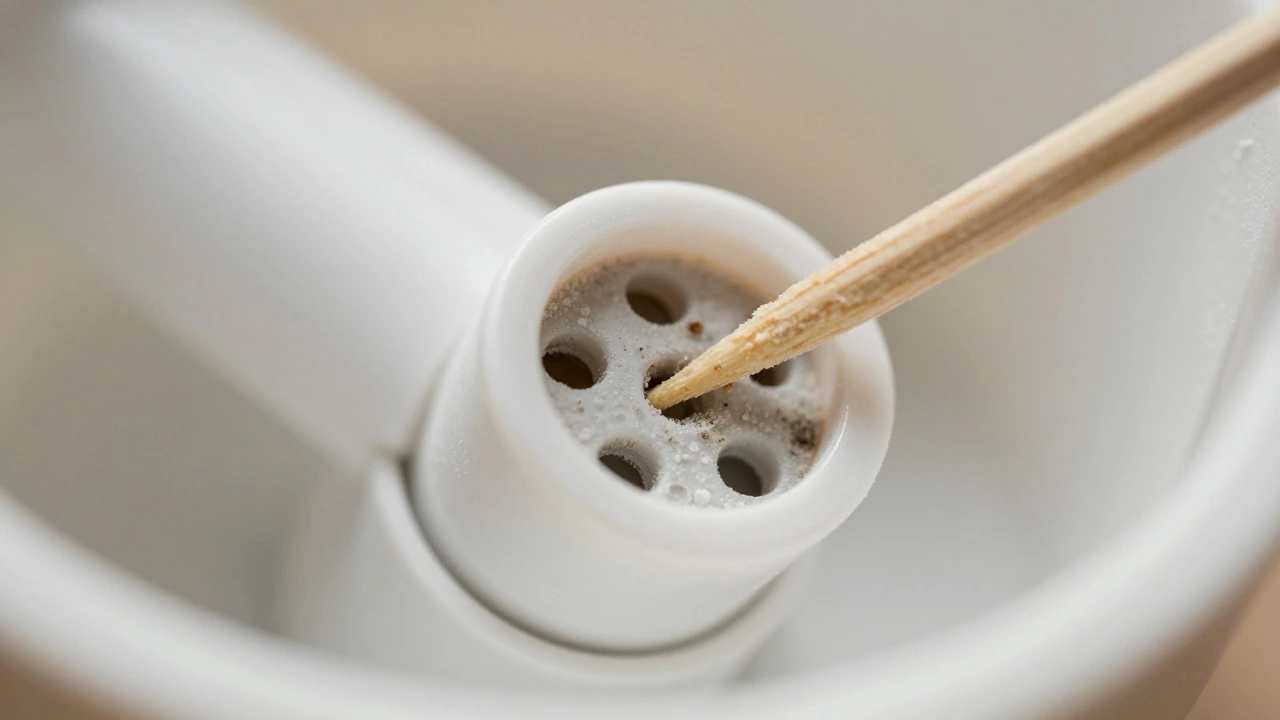
Even with a clean filter, your dishwasher won’t work if the water can’t reach the dishes. The spray arms are the rotating nozzles that blast water under pressure. If the tiny holes in these arms get clogged with mineral deposits (limescale) or small pieces of glass/plastic, the water flow is restricted.
In areas like Auckland where we have varying water hardness, limescale buildup is a real issue. You’ll notice this if the top rack is clean but the bottom rack is spotty, or vice versa. Check the spray arms for any visible debris. Use a toothpick or a thin wire to clear out any clogged holes. Spin the arms by hand-they should rotate freely without hitting any dishes. If they’re stiff, something is obstructing the mechanism.
Drainage Problems: The Puddle on the Floor
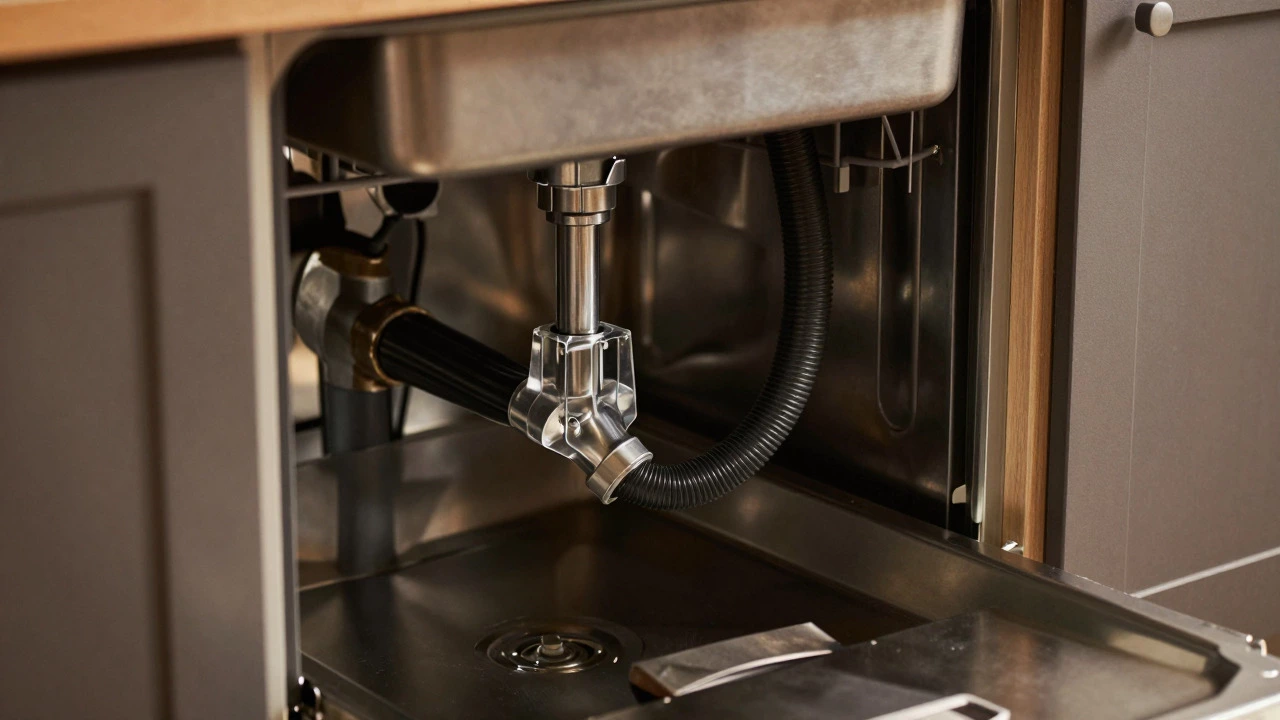
If your dishwasher finishes its cycle but leaves standing water inside, or leaks onto the kitchen tiles, the problem is likely in the drainage system. There are three main points of failure here:
- The Drain Hose: Check if the hose is kinked behind the machine or under the sink. A sharp bend can stop water from flowing out.
- The Air Gap: If your dishwasher has an air gap (that little chrome cylinder next to your faucet), it might be clogged with gunk. Remove the cap and clean it out.
- The Garbage Disposal Connection: Many dishwashers drain into the garbage disposal. If the knockout plug in the disposal wasn’t removed during installation, or if the disposal itself is clogged, the dishwasher has nowhere to send the water.
A quick test: run the garbage disposal for a few seconds before starting the dishwasher. This clears any temporary blockages in the shared drain line.
Detergent Dispenser Not Opening
Have you ever opened the dishwasher mid-cycle and found the detergent cup still full? That’s a classic sign of a dispenser latch failure. The latch is a small plastic mechanism that releases when hot water hits it. If it’s jammed with old detergent powder or hard water scale, the soap never gets released. Without soap, you don’t get suds, and without suds, you don’t get clean dishes.
Clean the dispenser area thoroughly. Try using a pod instead of powder or liquid for a few cycles to see if the issue persists. Pods dissolve differently and sometimes bypass the mechanical opening requirement entirely.
When to Call a Professional
Most faults are DIY-friendly. However, there are times when you need a technician. If you’ve cleaned the filter, checked the spray arms, and cleared the drain, but the machine still makes loud grinding noises, leaks from underneath, or shows error codes on the display, it’s time to call in the experts.
In New Zealand, parts availability can vary by brand. Brands like Bosch, Siemens, and Miele often have specific electronic controls that require diagnostic tools to reset. Trying to force a reset without understanding the code can void warranties or cause further damage.
Why is my dishwasher making a humming noise but not draining?
This usually means the drain pump is trying to work but is blocked by debris. Check the filter and the drain hose for obstructions. If the pump is seized, it may need replacement.
How often should I clean my dishwasher filter?
Ideally, once a month. If you cook a lot with oily foods or rice, you might need to do it more frequently. A clean filter ensures proper water circulation and prevents odors.
Can hard water damage my dishwasher?
Yes, hard water causes limescale buildup which can clog spray arms, reduce heating efficiency, and damage seals. Using a rinse aid and running a descaling cycle every few months helps prevent this.
Why are my glasses cloudy after washing?
Cloudiness is often due to mineral deposits from hard water or insufficient rinsing. Ensure your rinse aid dispenser is filled and try a dishwasher cleaner cycle to remove internal buildup.
Is it worth repairing an old dishwasher?
If the repair cost is less than 50% of the price of a new unit and the machine is under 10 years old, it’s usually worth fixing. For older models, energy-efficient replacements might save money in the long run.