Boiler Repair vs. Replacement Calculator
Use this tool to make a data-driven decision about your boiler's future. It applies the "50% Rule": if a major repair costs more than half the price of a new unit (and the boiler is over 10 years old), replacement is usually the smarter financial move.
Most homeowners assume their boiler will last forever, but that’s a dangerous myth. In reality, the life expectancy of a boiler varies significantly based on type, maintenance, and water quality. Generally, you can expect a standard gas boiler to run for 10 to 15 years, while high-quality condensing models might push closer to 20. However, ignoring small leaks or strange noises can cut that timeline in half. Understanding these factors helps you decide when to repair versus when to replace.
What Determines How Long Your Boiler Lasts?
The core component that dictates longevity is the heat exchanger. This part absorbs heat from the combustion process and transfers it to your water. Over time, scale buildup and corrosion eat away at this metal. If you live in an area with hard water, like many parts of New Zealand, this happens faster. Hard water contains minerals that deposit inside the pipes, creating a layer of limescale that insulates the metal and forces the boiler to work harder. This extra strain accelerates wear and tear.
Beyond water quality, the brand and build quality matter. Premium brands often use thicker copper or stainless steel components that resist corrosion better than cheaper alternatives. Installation quality also plays a huge role. A poorly installed system might have airlocks or incorrect pressure settings, causing the pump to struggle. Every time the pump runs against resistance, it wears out its bearings sooner. So, who installed your system matters just as much as what you bought.
Average Lifespan by Boiler Type
Not all boilers are created equal. The technology behind them affects how long they survive daily use. Here is a realistic breakdown of what you can expect from different types:
| Boiler Type | Average Lifespan (Years) | Key Factor Influencing Longevity |
|---|---|---|
| Combi Boiler | 10 - 15 | Heat exchanger scale buildup |
| System Boiler | 12 - 18 | Cylinder compatibility and maintenance |
| Regular (Conventional) Boiler | 15 - 20 | Simpler design with fewer moving parts |
| High-Performance Condensing | 15 - 20+ | Quality of internal seals and electronics |
Combi boilers are compact units that provide both central heating and instant hot water without a storage tank. Because they handle high-pressure water directly from the mains, they are more susceptible to damage if the water pressure fluctuates. System boilers, on the other hand, use a separate cylinder, which takes some load off the main unit but introduces another potential point of failure. Regular boilers are the oldest style, featuring separate tanks for cold and hot water. Their simplicity means fewer electronic components to fail, which is why they often outlast their modern counterparts.
Signs Your Boiler Is Near the End of Its Life
Your boiler rarely dies suddenly. It gives you warning signs months or even years before a catastrophic failure. Ignoring these signals is the fastest way to end up with no heat in the middle of winter. Watch out for these specific indicators:
- Frequent breakdowns: If you’ve called for boiler repair services more than twice in a single year, the cost of fixes is likely approaching the price of a new unit.
- Rising energy bills: An aging boiler loses efficiency. If your heating costs have jumped by 10-15% without a change in usage, the burner or heat exchanger may be inefficient.
- Strange noises: Kettling, banging, or gurgling sounds indicate scale buildup or air locks. These noises mean the water isn't flowing smoothly, stressing the pump and exchanger.
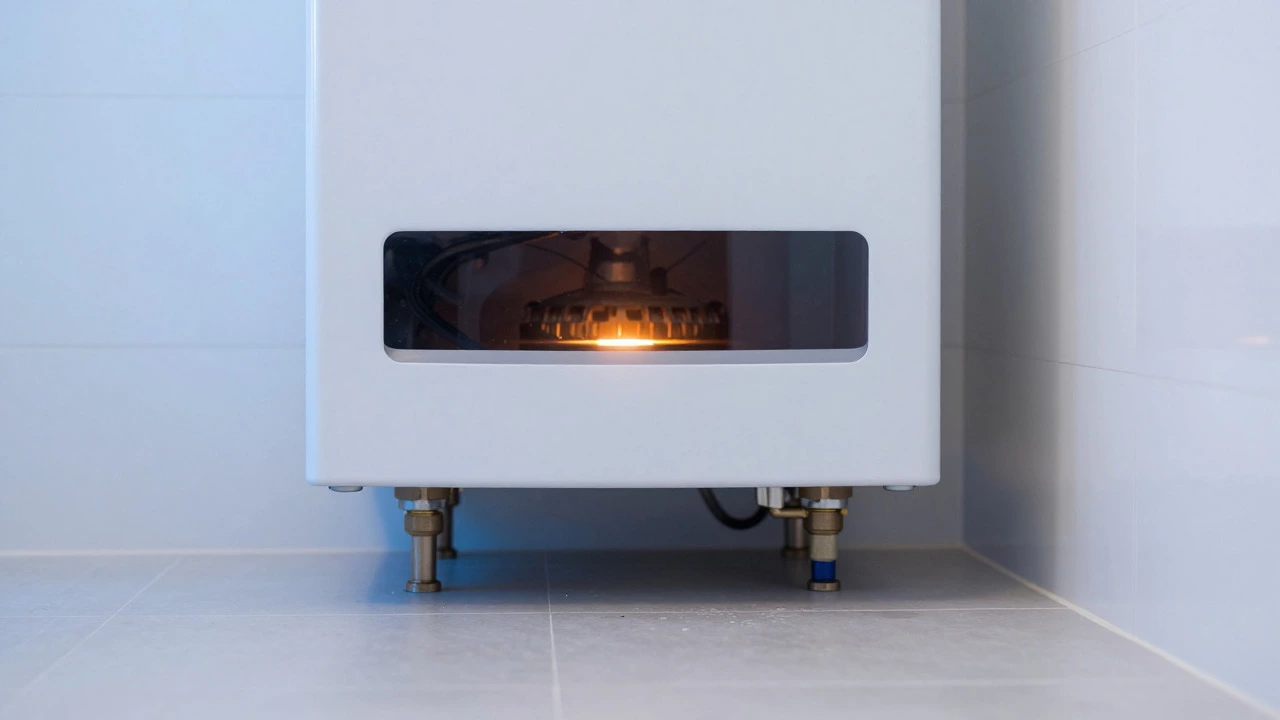
- Yellow flame: On older non-condensing boilers, a yellow or orange flame instead of blue suggests incomplete combustion. This produces carbon monoxide and soot, which clog the flue and reduce efficiency.
- Dripping or leaks: Small drips from the base or valves often signal corroded seals. While fixable now, widespread leaking suggests general corrosion throughout the system.
Maintenance Habits That Extend Boiler Life
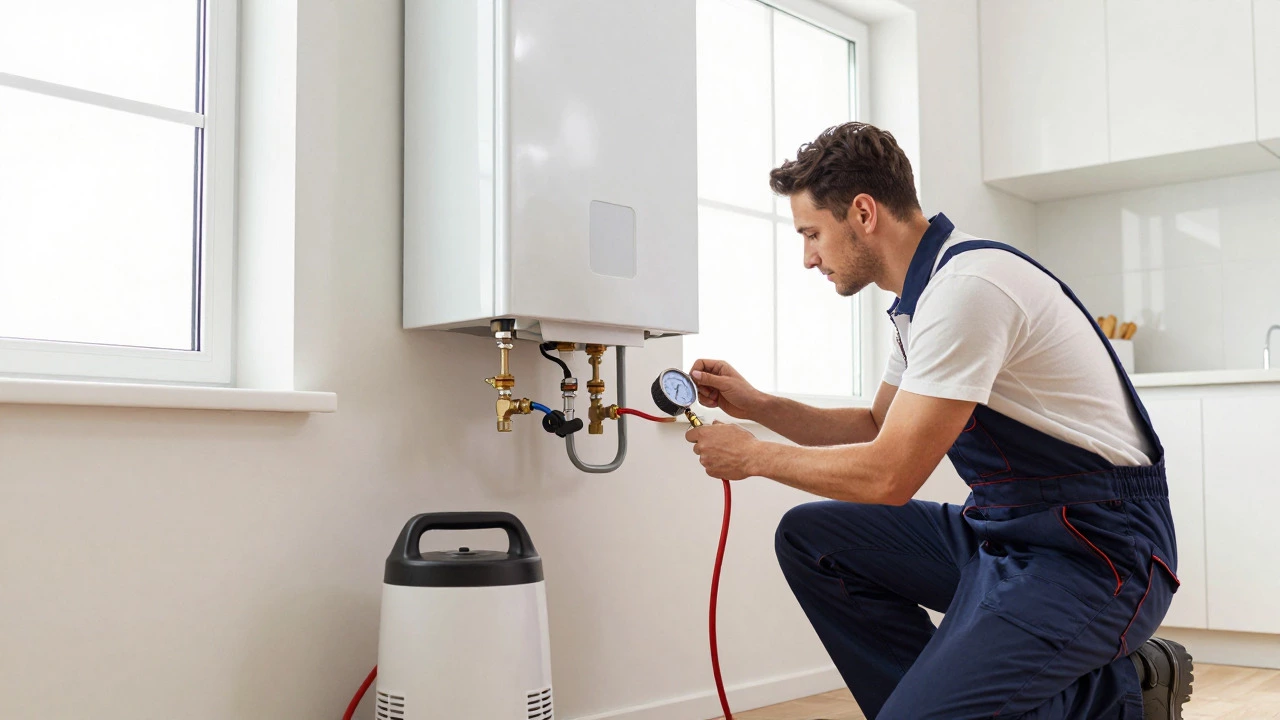
You can add several years to your boiler's life with simple, consistent care. The most critical task is the annual service. During this check, a technician cleans the burner, checks the gas pressure, and tests the safety valves. More importantly, they inspect the heat exchanger for early signs of cracking or scaling. Catching a small crack early costs a few hundred dollars; waiting until it bursts can cost thousands in water damage and emergency replacement.
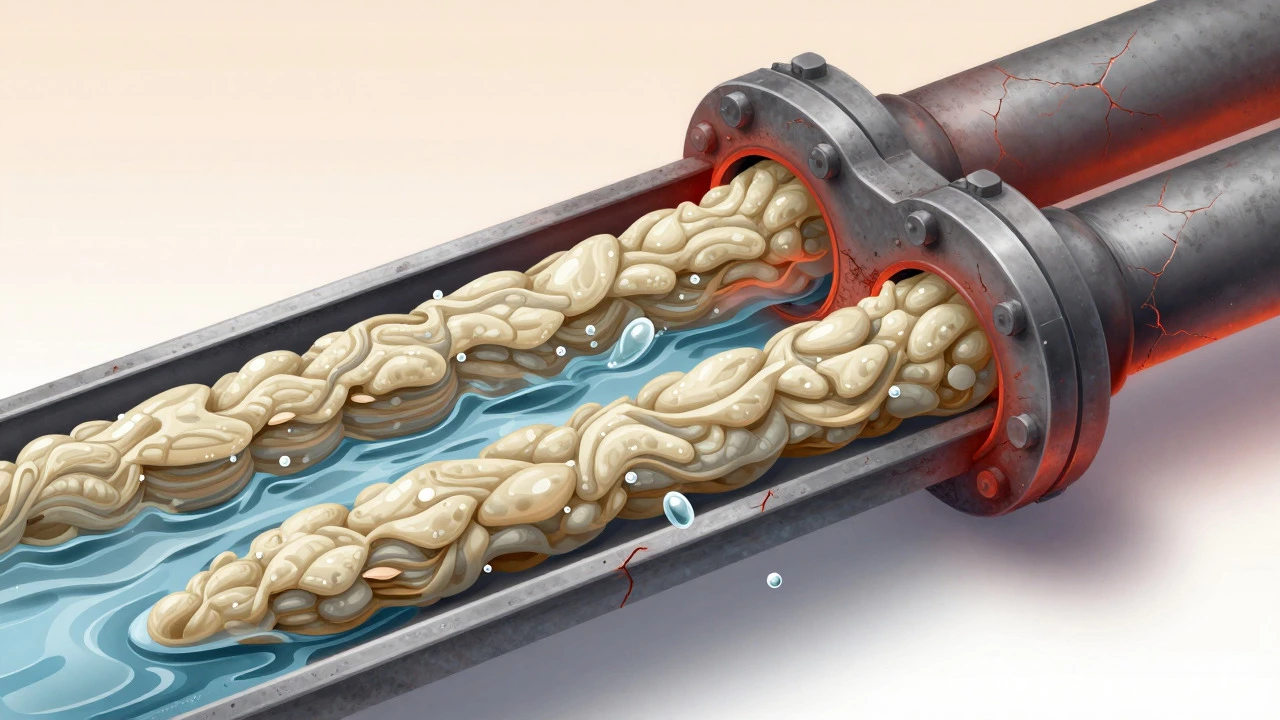
Flushing the system is another powerful tool. Over time, sludge-a black, tar-like substance-accumulates in the pipes. This sludge reduces water flow and traps heat, causing localized overheating. A professional power flush removes this debris, restoring flow rates and reducing strain on the pump. You should consider this every 3-5 years, depending on your water hardness. Additionally, keep the boiler area clean. Dust and debris around the air intake can restrict airflow, forcing the fan to work harder and overheat.
When to Repair vs. When to Replace
This is the million-dollar question. There is no single rule, but a common heuristic is the "50% Rule." If the cost of a major repair exceeds 50% of the price of a new boiler, and the unit is older than 10 years, replacing it is usually the smarter financial move. Major repairs include replacing the heat exchanger, the main pump, or the control board. These are expensive parts because they require specialized labor and calibration.
However, context matters. If your boiler is only 5 years old and has a warranty, always opt for repair. If you are planning to sell your home within a year, a major repair might not be worth it compared to disclosing the issue. But if you plan to stay for a decade, investing in a reliable unit saves money in the long run through lower energy bills. Modern condensing boilers are 90%+ efficient, whereas older non-condensing models hover around 70-80%. That difference adds up quickly on your electricity or gas bill.
Impact of Water Quality on Boiler Longevity
In New Zealand, water hardness varies by region. Areas near volcanic sources or limestone deposits tend to have higher mineral content. High calcium and magnesium levels lead to limescale. Limescale acts like an insulator. When it coats the heat exchanger, the metal gets hotter to transfer the same amount of heat. This thermal stress causes micro-cracks. Over time, these cracks expand, leading to leaks. Installing a magnetic water conditioner or a softener can mitigate this effect, though opinions on their efficacy vary. At minimum, ensure your system has a proper inhibitor fluid that protects against corrosion and scale formation.
FAQ
How can I tell if my boiler needs replacing rather than repairing?
If your boiler is over 10 years old and requires a major component replacement like the heat exchanger or pump, compare the repair cost to the price of a new unit. If the repair costs more than 50% of a new boiler, replacement is generally more economical. Also, consider the frequency of previous breakdowns.
Does hard water really shorten boiler life?
Yes. Hard water causes limescale buildup inside the heat exchanger and pipes. This scale insulates the metal, forcing the boiler to work harder and reach higher temperatures. This accelerates corrosion and can lead to premature failure of the heat exchanger.
How often should I service my boiler?
Annual servicing is recommended for all boilers. This ensures safety features work correctly, cleans the burner, and checks for early signs of wear. For systems in hard water areas, consider a power flush every 3 to 5 years to remove sludge.
Can I extend the life of an older boiler?
You can slow down the aging process by maintaining correct pressure levels, keeping the filter clean, and ensuring good ventilation. However, once significant corrosion or scale buildup occurs, extending life becomes difficult. Regular maintenance is key to maximizing the remaining lifespan.
Is it worth buying a used boiler?
Generally, no. Used boilers lack warranties and may have hidden internal damage. The risk of immediate failure is high, and installation costs remain the same. Unless it is a very high-end model with documented maintenance history, a new unit is a safer investment.