Oven Repair vs. Replace Calculator
Recommendation
Lifespan Status
Repair Cost Ratio
Why this recommendation?
You’re staring at a burner that refuses to heat evenly or a door seal that looks like it’s seen better days. The immediate question isn’t just whether your oven is broken, but how much longer you should expect it to last. Knowing the average life expectancy of an oven helps you decide if calling a technician for a $200 repair makes sense or if you should start shopping for a replacement.
The short answer is that most residential ovens last between 10 and 15 years. However, this number shifts significantly depending on the type of fuel, the quality of the build, and how hard you work it. A cheap electric model might give up after eight years, while a high-end gas range could easily hit twenty. Understanding these variables prevents you from wasting money on repairs for a dying machine or replacing a perfectly good one too early.
How Long Do Different Types of Ovens Last?
Not all ovens are created equal. The materials used and the complexity of the heating systems dictate their durability. Here is what you can expect from the most common types found in kitchens today.
| Oven Type | Average Lifespan | Key Failure Points |
|---|---|---|
| Electric Range | 10-13 years | Burner elements, control boards, igniters |
| Gas Range | 15-20 years | Igniters, gas valves, burners |
| Double Wall Oven | 10-15 years | Door hinges, heating elements, sensors |
| Microwave Convection Oven | 7-10 years | Magnetron, turntable motor, electronics |
| Commercial-Grade Home Oven | 20+ years | Wear on heavy-duty components |
Gas ranges generally outlast electric ones because they have fewer complex electronic components controlling the heat source. Electric ovens rely on heating elements and sophisticated control boards that are more prone to failure over time. If you have a built-in double wall oven, expect them to fall in the middle of the pack, often lasting around 12 years with regular use.
Signs Your Oven Is Reaching the End of Its Life
Age is just a number, but performance tells the real story. You don’t need a calendar to know when your appliance is struggling. Watch for these specific warning signs that indicate your oven is past its prime.
- Inconsistent Heating: If your cookies are burnt on one side and raw on the other, the thermostat or heating element is failing. This leads to wasted food and energy.
- Frequent Breakdowns: Needing a repair every six months is a red flag. It suggests multiple components are wearing out simultaneously.
- Strange Noises: Buzzing, clicking, or humming louder than usual can indicate a failing fan motor or electrical issue.
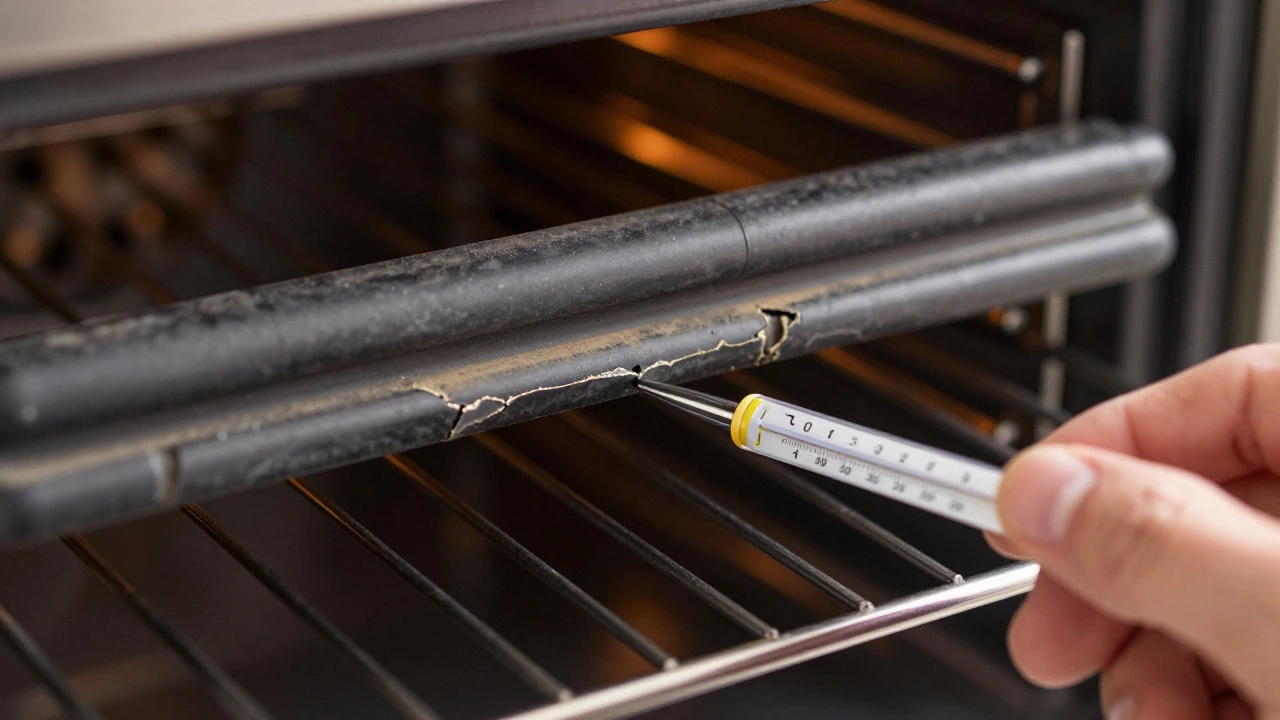
- Door Seal Issues: A cracked or loose gasket lets heat escape. This forces the oven to work harder, increasing energy bills and wear on the heating system.
- Electronic Glitches: Error codes flashing repeatedly or touch controls becoming unresponsive point to motherboard degradation.
If you notice two or more of these issues, especially if your oven is older than ten years, it’s likely time to consider a replacement rather than another repair.
Repair vs. Replace: When Does It Make Sense?
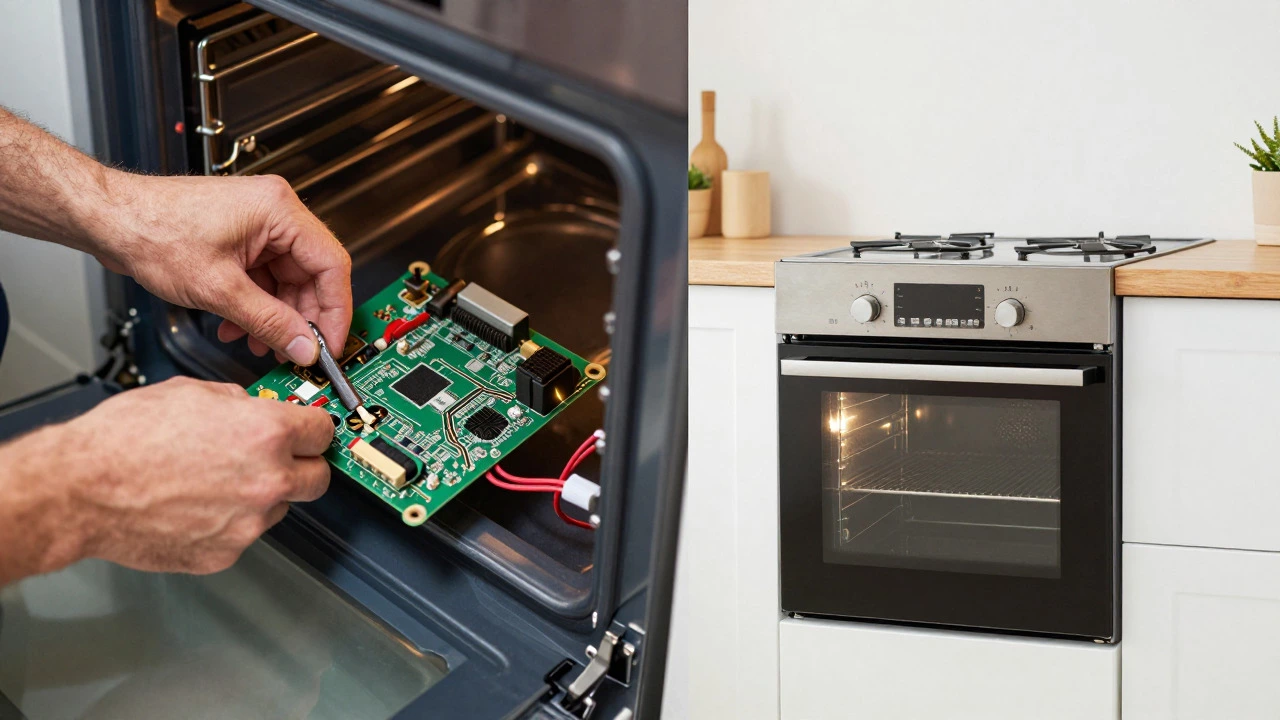
This is the most critical decision you’ll face. The "50% Rule" is a helpful guideline here. If the cost of the repair exceeds 50% of the price of a new, comparable oven, and your current unit is more than halfway through its expected lifespan, replace it.
For example, if a new mid-range oven costs $800 and a repair quote is $400, check the age. If your oven is 12 years old (near the end of its 10-15 year life), spending $400 is risky. That same $400 could be a down payment on a new, more efficient model. However, if the repair is for a simple part like a door switch costing $100, it’s worth fixing even an older oven.
Also consider efficiency. Newer ovens use less energy and offer features like self-cleaning cycles and precise convection fans that older models lack. Upgrading can save you money on electricity or gas bills over time.
Factors That Shorten Oven Lifespan
Some ovens die young due to user habits. Avoiding these common mistakes can add several years to your appliance’s life.
- Neglecting Cleaning: Grease and food debris build up on heating elements and fans. This causes overheating and fires. Wipe spills immediately and run a self-clean cycle quarterly.
- Overloading: Stuffing too many racks with heavy dishes blocks airflow. This strains the fan motor and causes uneven heating.
- Ignoring Small Repairs:: A small leak in a gas line or a frayed wire can lead to catastrophic failures if not addressed quickly.
- Hard Water Deposits: In steam ovens, mineral buildup can clog nozzles and damage internal sensors. Use distilled water if recommended by the manufacturer.
Regular maintenance is cheaper than major repairs. Check the door seals annually and clean the vents to ensure proper ventilation.
Extending Your Oven’s Life With Proper Care
You can maximize the lifespan of your oven with simple, consistent care. Start by reading the user manual. Manufacturers often provide specific cleaning agents and methods that prevent damage to the enamel interior.
Use oven-safe cookware only. Glass and ceramic are best; avoid plastic or aluminum foil directly on the heating elements. When using the broiler, keep the door slightly ajar if instructed, as this prevents excessive heat buildup that can warp the glass door or damage the hinge mechanism.
Finally, calibrate your oven temperature periodically. An oven that runs too hot wears out faster and ruins food. You can buy an inexpensive oven thermometer to check accuracy. If it’s off by more than 25 degrees Fahrenheit, have a professional adjust the thermostat.
Is it worth repairing a 15-year-old oven?
Generally, no. Most ovens have a lifespan of 10-15 years. At 15 years old, your oven is at the end of its expected life. Unless the repair is very minor (under $100), it’s usually better to invest in a new, more energy-efficient model.
Do gas ovens last longer than electric ovens?
Yes, typically. Gas ranges often last 15-20 years because they have simpler mechanical parts. Electric ovens rely on more complex electronic controls and heating elements that tend to fail sooner, averaging 10-13 years.
How do I know if my oven needs calibration?
If your food consistently burns before the timer goes off or doesn’t cook thoroughly, your oven may be running too hot or too cold. Use an independent oven thermometer to verify the actual temperature against the dial setting.
Can cleaning extend the life of my oven?
Absolutely. Regular cleaning prevents grease buildup on heating elements and fans, which reduces strain on the motor and improves efficiency. It also prevents fire hazards and maintains even heat distribution.
What is the most common reason ovens fail?
The most common failures involve the heating elements (in electric ovens) or the igniters (in gas ovens). Electronic control board failures are also frequent in newer, smart-enabled models.