Appliance Classification & Repair Guide
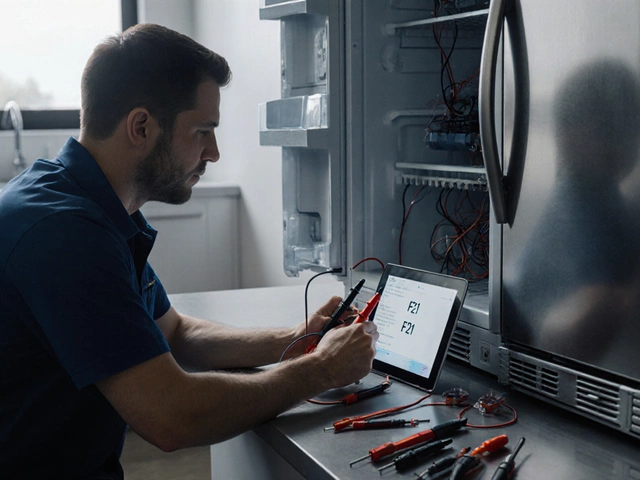
Not sure what broke? Use this decision tree to identify the category of your broken item and find out which professional to call.
Examples: Fridge, washer, dryer, oven, dishwasher, vacuum cleaner.
Examples: Dishwasher, washing machine, garbage disposal.
Examples: Bathtub, sink, cabinet, light fixture, ceiling fan mount.
Result
Who to Call:
Insurance Note:
You’re standing in your kitchen, staring at the microwave on the counter. It’s plugged into a socket, it heats food, and it definitely feels like a machine. But is it technically an appliance? What about the built-in oven behind you? Or the ceiling fan spinning above? The line between "furniture," "fixture," and "appliance" can get blurry, especially when you’re trying to figure out who to call for repairs or what your home insurance actually covers.
Here’s the short answer: An appliance is a device that uses electricity (or gas) to perform a specific household task. If it moves, heats, cools, cleans, or cooks, it’s likely an appliance. If it just sits there holding things up or letting light in, it’s probably a fixture. But let’s dig deeper, because knowing the difference saves you money, time, and a lot of frustration with service technicians.
The Core Definition: Power + Function
At its simplest, an home appliance is a machine designed to carry out a domestic function such as cooking, cleaning, refrigeration, or climate control. That’s the baseline. But not every electric thing fits this bill. Your toaster counts. Your smartphone doesn’t. Why?
The key differentiator is domestic utility. Appliances are tools meant to reduce manual labor or manage environmental conditions in your home. They are distinct from consumer electronics (like TVs and laptops), which are primarily for entertainment or information, and from fixtures (like lights and faucets), which are permanently attached to the building structure.
This distinction matters most when things break. If your dishwasher stops draining, you call an appliance repair technician. If your bathroom tap leaks, you call a plumber. If your Wi-Fi router dies, you might call your internet provider or buy a new one yourself. Knowing which category your broken item falls into directs you to the right expert.
Major vs. Small Appliances: The Big Divide
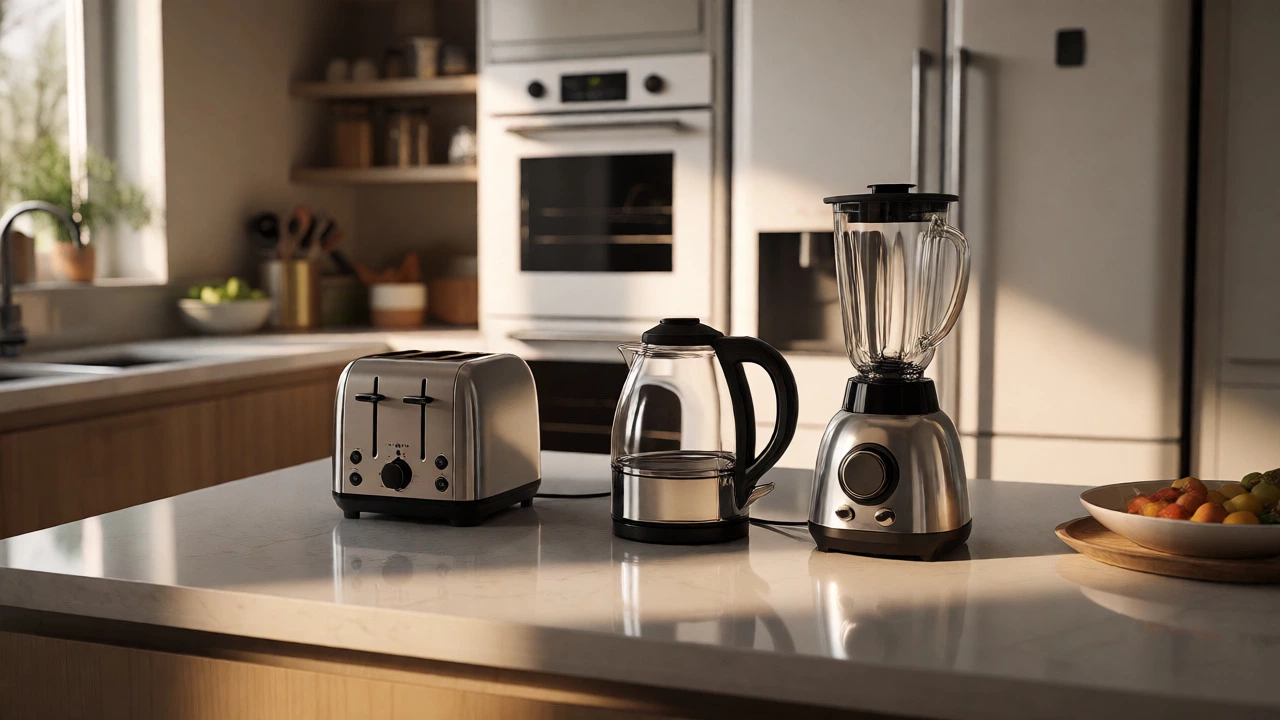
Not all appliances are created equal. In the industry, we split them into two main camps: major appliances and small appliances. This isn’t just about size; it’s about installation complexity, cost, and lifespan.
| Feature | Major Appliances | Small Appliances |
|---|---|---|
| Examples | Fridge, Oven, Washing Machine, Dishwasher | Toaster, Kettle, Blender, Coffee Maker |
| Installation | Often requires plumbing, gas lines, or dedicated circuits | Plug-and-play into standard outlets |
| Lifespan | 10-15 years average | 3-5 years average |
| Repair Viability | Usually worth repairing if under 7 years old | Often cheaper to replace than repair |
| Insurance Coverage | Typically covered under home contents policies | May have lower claim thresholds or exclusions |
Major appliances are the heavy lifters. They’re usually white goods-fridges, freezers, washers, dryers-and brown goods, though that term is fading. These units often need professional installation. You wouldn’t try to wire a new electric oven yourself unless you’re qualified. Because they’re integrated into your home’s infrastructure, their failure can disrupt daily life significantly. Imagine no hot water from your boiler or no cold food from your fridge. That’s why these are the primary focus of appliance service companies.
Small appliances, on the other hand, are portable. You can move your stand mixer from the counter to the cupboard. They rarely require specialized installation. While they’re essential for convenience, their repair economics are different. If a $80 kettle breaks, paying $100 for labor to fix a heating element rarely makes sense. Most people just toss it and buy a new one. But if you have a high-end espresso machine costing $2,000, suddenly repair becomes viable again.
Where Fixtures End and Appliances Begin
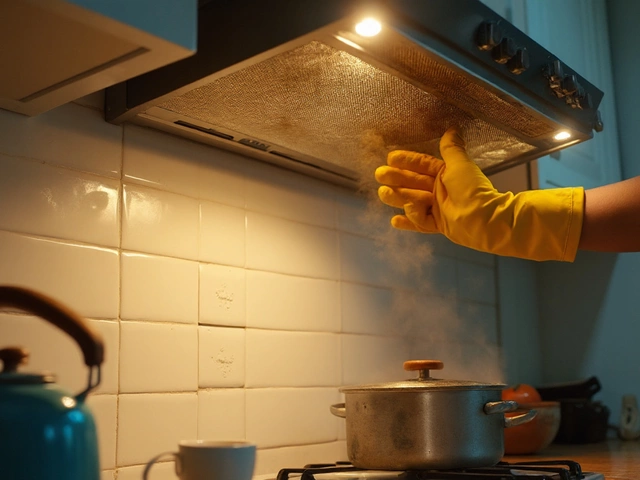
This is where homeowners get tripped up. Is a built-in oven an appliance or a fixture? Technically, it’s an appliance, but once installed, it acts like a fixture. The same goes for a rangehood or a wall-mounted heat pump.
A fixture is a permanent part of the property, attached to walls, floors, or ceilings, such as lighting, sinks, and bathtubs. You don’t unplug a bathtub. You do unplug a vacuum cleaner. However, modern homes blur this line. Many ovens are hardwired directly into the electrical panel rather than plugged into a socket. Does that make it a fixture? No. It’s still an appliance because its primary function is active processing (cooking) rather than passive presence.
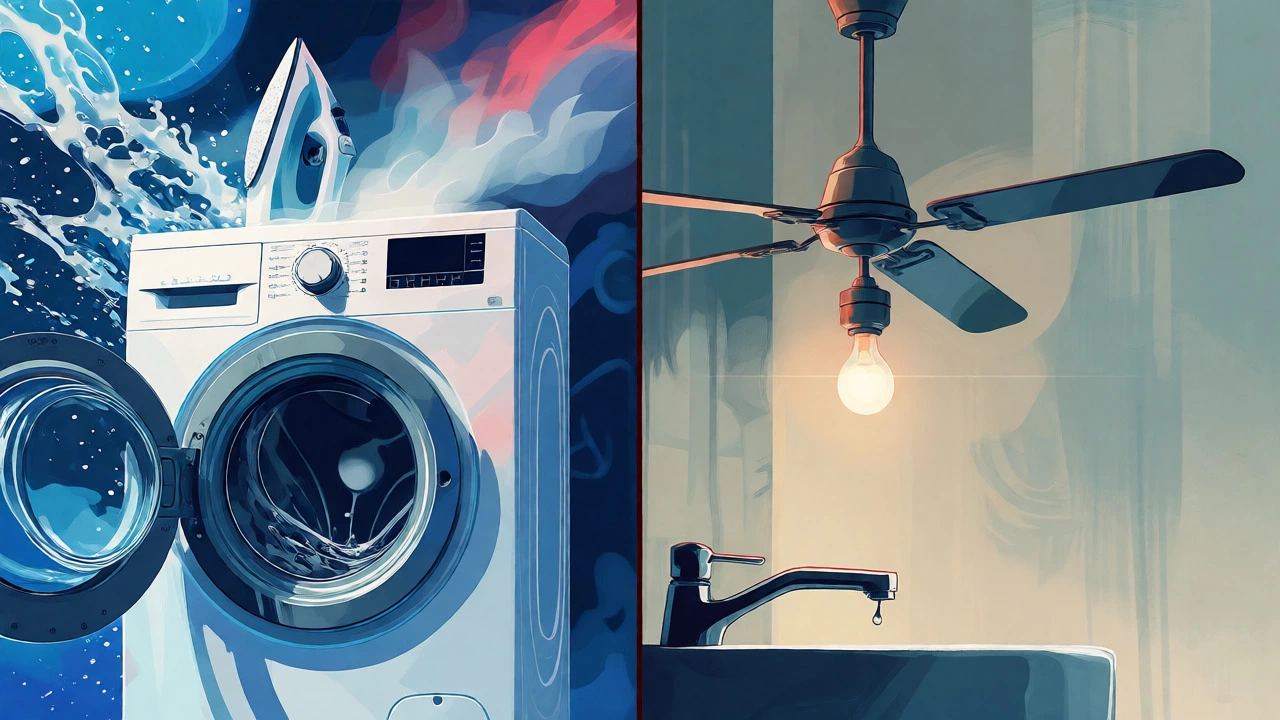
Consider a ceiling fan. It’s attached to the ceiling, wired into the house, and stays put. But it moves air actively using a motor. Most insurers and repair networks classify fans as appliances or low-voltage equipment, not structural fixtures. If it wobbles or buzzes, you call an electrician or a handyman, not necessarily a general appliance tech, but it’s still a mechanical device.
Then there’s HVAC. Heating, ventilation, and air conditioning systems are massive appliances. A central furnace or a ducted heat pump system is definitely an appliance. But the thermostat controlling it? That’s often considered a smart home device or electronic component. The relationship here is critical: The appliance generates the heat or coolness; the controller manages it. When troubleshooting, you check both, but the repair scope differs wildly.
The Gray Area: Smart Homes and Hybrids
Technology has muddied the waters. Take a robot vacuum. It’s battery-powered, autonomous, and cleans floors. Is it an appliance? Yes. It performs a domestic task. But it also connects to Wi-Fi, updates software, and collects data. It straddles the line between appliance and gadget.
Similarly, consider a smart fridge with a touchscreen. The cooling mechanism is traditional appliance tech. The screen is consumer electronics. If the compressor fails, you need an appliance specialist. If the Wi-Fi module crashes, you might need IT support or a brand-specific technician. This hybrid nature means definitions are evolving. For now, if the core value proposition is physical work (cooling, washing, cooking), it remains an appliance.
Another tricky one: Garbage disposals. They’re mounted under the sink, connected to plumbing and power. They grind waste. They are appliances. But many homeowners assume they’re part of the plumbing system. When they jam, people call plumbers. Plumbers will often tell you it’s an electrical/mechanical issue and send you to an appliance tech. Knowing this saves you a wasted service call fee.
Why Classification Matters for Repairs and Insurance
You might think, "Who cares what I call it? It’s broken." But terminology drives costs and coverage.
Insurance Claims: Most home contents policies cover "appliances" against accidental damage or theft. They may exclude "wear and tear." If you claim your washing machine broke due to age, the insurer might deny it as maintenance-related. If you claim the drum bearing seized unexpectedly, they might pay. But if you misclassify a built-in oven as a "fixture," some policies limit coverage for fixtures differently than movable contents. Always check your policy wording for "white goods" or "major appliances." Warranty Validity: Manufacturers define warranty terms based on product category. Commercial-grade appliances used in homes might have shorter warranties than residential ones. Conversely, using a residential appliance in a commercial setting (like a café) can void the warranty. Understanding whether your unit is classified as residential or commercial helps you navigate claims.
Resale Value: When selling a home, included appliances add value. A seller listing "all appliances included" implies the fridge, washer, dryer, and oven stay. If the buyer assumes the built-in coffee maker stays but the seller takes it, disputes arise. Clear labeling prevents legal headaches later.
Common Misconceptions About Appliance Status
Let’s bust a few myths that cause confusion.
- "If it’s plugged in, it’s an appliance." False. A lamp is plugged in. A TV is plugged in. Neither are typically classified as household appliances in the context of repair services, although some broad definitions include them. Stick to the "labor-saving" rule.
- "Gas stoves aren’t appliances because they use fire." False. Gas ranges, cooktops, and ovens are appliances. They use energy to transform raw ingredients into cooked food. The fuel source (electric vs. gas) doesn’t change the category.
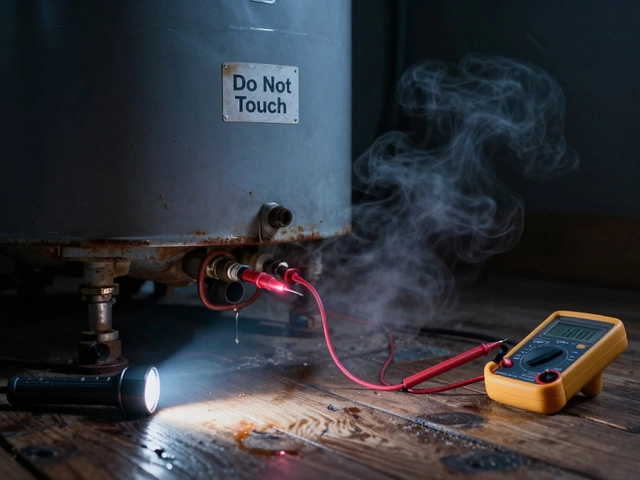
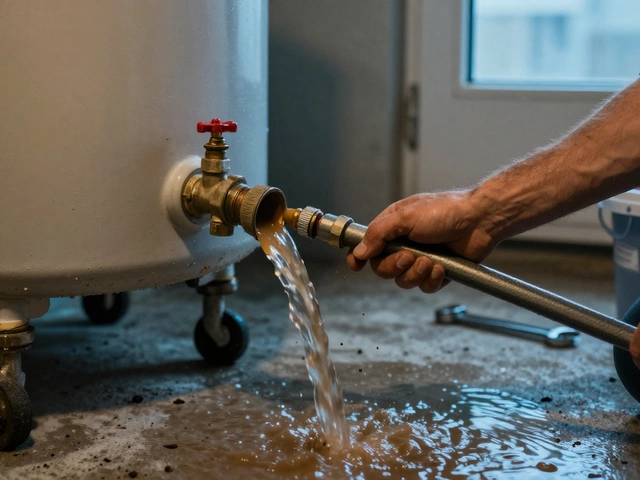
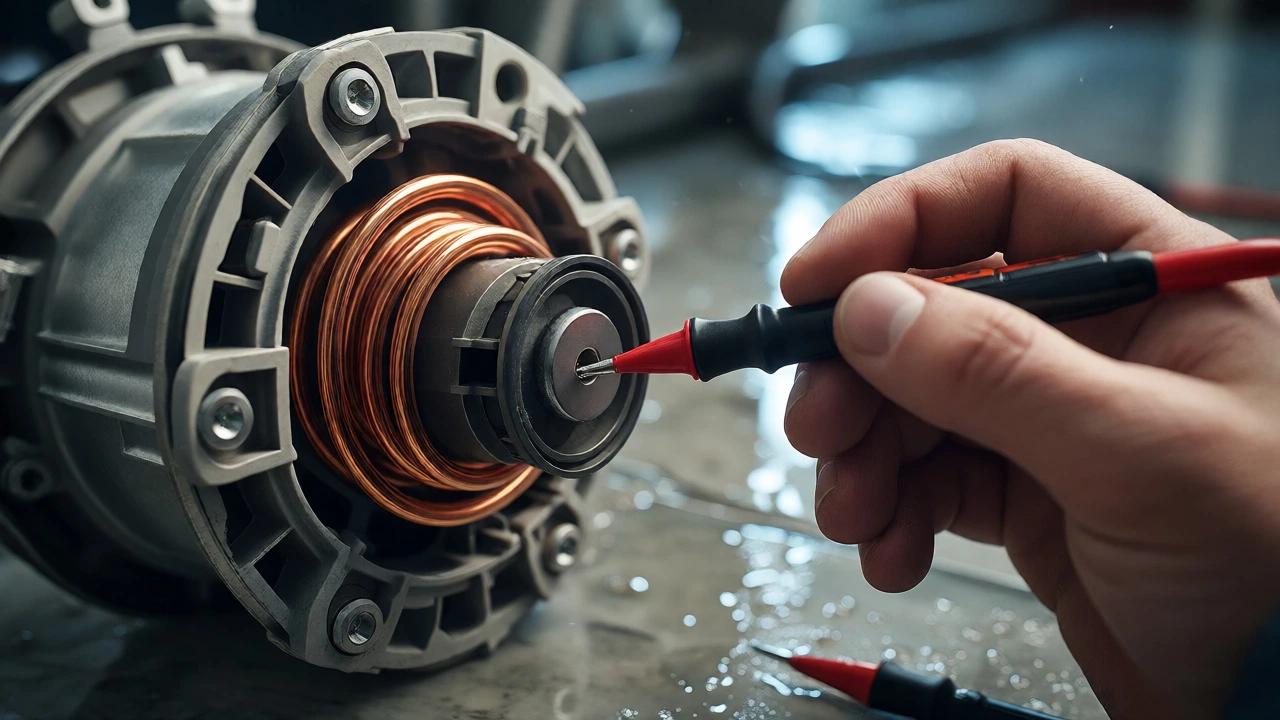
- "Water heaters are plumbing, not appliances." Debatable, but mostly false. Water heaters are pressure vessels with heating elements or burners. They are mechanical devices. In New Zealand and Australia, they are frequently serviced by gas fitters or electricians specializing in appliances, distinct from general plumbers who handle pipes and taps.
Another common error is assuming all "white goods" are appliances. White goods refer to large household machines, historically painted white. Today, finishes vary, but the term persists. Black goods (TVs, stereos) are electronics. Brown goods (older wood-cased radios) are obsolete. Green goods (energy-efficient models) are a marketing term. Don’t let color confuse you; look at function.
How to Decide Who to Call
So, your device is broken. How do you know if you need an appliance tech, a plumber, or an electrician?
Use this quick decision tree:
- Does it have a motor or heating element? If yes, start with an appliance specialist. Examples: Fridge, washer, dryer, oven, dishwasher.
- Is it connected to water supply/drainage AND has moving parts? Still likely an appliance tech first. If they find a pipe leak unrelated to the machine, they’ll refer you to a plumber. Example: Dishwasher leaking from the pump seal vs. a burst inlet hose.
- Is it purely static (no movement, no heating)? Probably a fixture. Call a handyman or tradesperson relevant to the material (plumber for taps, carpenter for cabinets).
- Is it digital-only (screen, audio)? Consumer electronics. Check manufacturer support or local electronics repair.
In Auckland, where I live, humidity and salt air accelerate corrosion in outdoor appliances like heat pumps and dryers. Regular servicing extends their life. If you ignore minor noises, you risk total failure. A $150 service call beats a $1,500 replacement.
Final Thoughts: Clarity Saves Money
Understanding what constitutes an appliance isn’t just pedantic trivia. It empowers you to make smarter decisions about maintenance, insurance, and home sales. By recognizing the boundary between fixtures, electronics, and true appliances, you avoid calling the wrong professional and wasting money on unnecessary visits.
Next time something breaks, pause. Ask yourself: Does it actively process resources (food, water, air) using energy? If yes, it’s an appliance. Treat it with the care it deserves. Clean filters, level feet, and proper ventilation go a long way. And when in doubt, document the model number before calling for help. It speeds up diagnosis and ensures you get the right parts.
Is a TV considered a home appliance?
Generally, no. Televisions are classified as consumer electronics because their primary function is displaying information and entertainment, not performing a physical household task like cleaning or cooking. However, some broad insurance policies may group them under "electrical goods" alongside appliances.
Are built-in ovens considered fixtures or appliances?
Built-in ovens are appliances. Although they are fixed to the cabinetry, they perform an active function (cooking) using energy. In real estate transactions, they are often sold with the property, similar to fixtures, but for repair and insurance purposes, they are treated as appliances.
Does home insurance cover all appliances?
Most comprehensive home contents policies cover major appliances against sudden accidental damage or theft. However, they typically exclude wear and tear, mechanical breakdowns due to age, or faulty installations. Always review your specific policy exclusions regarding "mechanical breakdown cover" if available.
Is a garbage disposal an appliance?
Yes, a garbage disposal unit is considered an appliance. It uses an electric motor to grind food waste. While it is connected to the plumbing system, failures are often electrical or mechanical, requiring an appliance technician or electrician rather than a general plumber.
What is the difference between a major and small appliance?
Major appliances are large, durable machines like fridges, washers, and ovens that often require professional installation and have longer lifespans (10+ years). Small appliances are portable, plug-and-play devices like toasters and blenders with shorter lifespans (3-5 years) that are usually replaced rather than repaired.