Oven Control Board Diagnostic Tool
Select the symptoms you are experiencing with your oven. This tool will help isolate whether the issue is likely the control board, a heating element, or a safety fuse.
Step 1: Identify Symptoms
Diagnosis
Step 2: Repair vs. Replace Decision
You’re standing in your kitchen, staring at an electric oven that refuses to heat up, or maybe the display is flickering like a broken TV screen. It’s frustrating, especially when you have dinner guests coming over in an hour. Most people immediately blame the heating element or the thermostat because those are the parts they can see. But here is the truth: about 30% of "dead" ovens actually suffer from a failed electronic control board.
The control board is basically the brain of your appliance. If it glitches, everything else-even perfectly working heaters-will fail to respond. Before you spend hundreds on a replacement part or call out a technician, you need to know how to diagnose this specific issue. We’ll walk through the clear signs of a faulty board, simple tests you can do with a basic multimeter, and when it’s actually worth fixing versus replacing the whole unit.
What Exactly Is an Oven Control Board?
Think of the control board (also known as the Electronic Range Control or ERC) as the central command center for your oven. It receives signals from your buttons or touchpad, processes the temperature data sent by the sensor, and then sends power to the heating elements. It manages timers, door locks, and safety shut-offs.
Unlike older mechanical dials that just physically connected wires, modern boards use solid-state relays (SSRs) and microprocessors. This makes them more precise but also more vulnerable to power surges, moisture, and extreme heat. When this board fails, the oven doesn’t just stop heating; it often behaves erratically, which is why diagnosis can be tricky.
Top 5 Signs Your Control Board Is Failing
If you suspect a board issue, look for these specific behaviors. A single symptom might point elsewhere, but a combination usually confirms the board is the culprit.
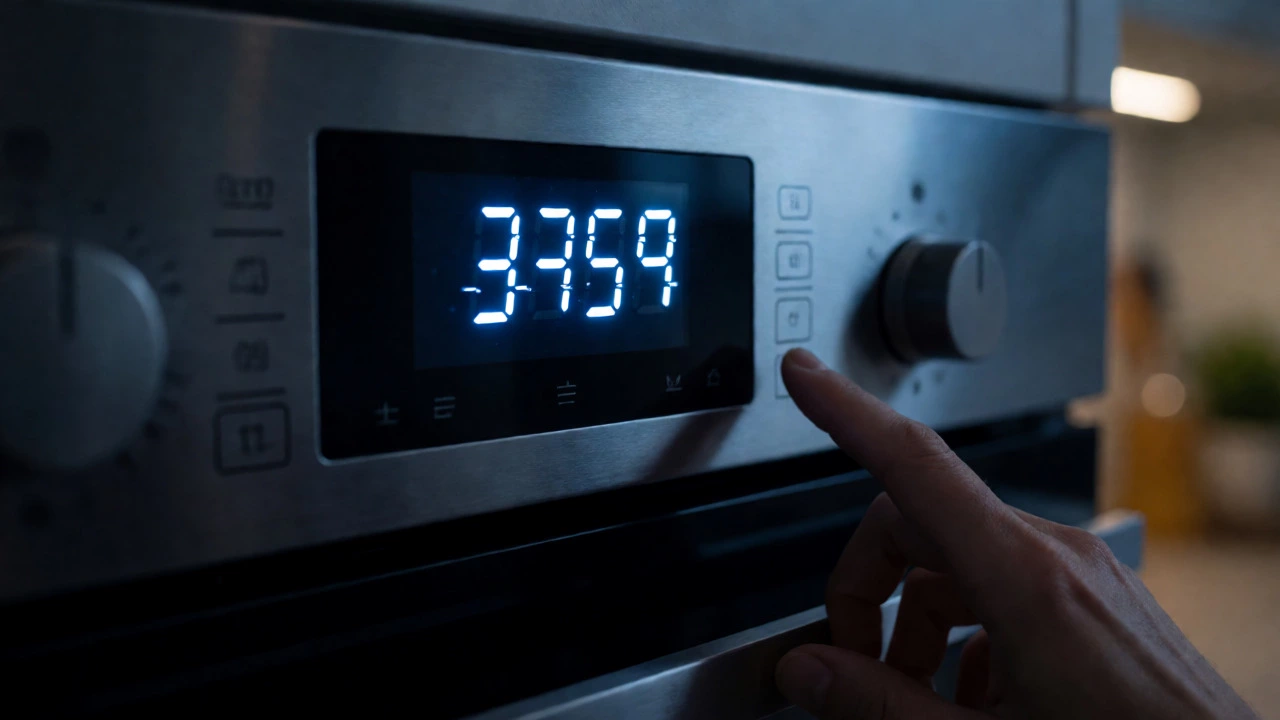
- Erratic Display Behavior: The digital display flashes error codes randomly, goes completely blank, or shows numbers that don’t match what you pressed. Sometimes, segments of the LED/LCD light up without being commanded.
- Oven Won’t Heat Despite Power: You hear the fan running, the lights turn on, and the clock works, but the bake or broil elements stay cold. If you’ve already checked the heating element for continuity and it’s fine, the board isn’t sending the voltage signal.
- Inconsistent Temperature: The oven overshoots the target temperature significantly (e.g., set to 180°C, hits 220°C) or fluctuates wildly. Since the board controls the relay switching, a stuck relay will keep the heater on too long.
- Unresponsive Buttons or Touchpad: You press "Bake," but nothing happens. No beep, no start. If the touchpad itself tests okay for continuity, the board isn’t registering the input.
- Burning Smell or Visible Damage: Open the back panel (after unplugging!). If you see blackened spots, melted plastic, or bulging capacitors on the circuit board, it’s definitely dead.
Step-by-Step Diagnostic Process
You don’t need to be an electrician to rule out other issues first. Follow this logical flow to isolate the problem.
1. The Hard Reset
Before grabbing tools, try a reset. Unplug the oven or flip the breaker off for one full minute. This drains residual power from the capacitors on the board. Plug it back in and try to start the oven. If it works once and then fails again later, the board is likely overheating or failing intermittently.
2. Check the Thermal Fuse
A blown thermal fuse is a common mimic of a bad board. It cuts power to the control system if the oven gets too hot (often due to a blocked vent). Locate the fuse (usually on the back near the heater housing), remove it, and test for continuity with a multimeter. If it has no continuity, replace the fuse. If the new fuse blows immediately, you have a wiring short or a stuck relay on the board.
3. Test the Heating Elements
Use your multimeter to check resistance across the terminals of the bake and broil elements. They should typically read between 10 and 100 ohms, depending on wattage. If you get an infinite reading (open circuit), the element is broken, not the board. If the element reads correctly, move on.
4. Inspect the Wiring Harness
Look for loose connectors or burnt wires leading to the control board. Vibration during shipping or cleaning can loosen plugs. Reseat all connections firmly. Sometimes, a corroded connector pin prevents the board from receiving the "start" signal.
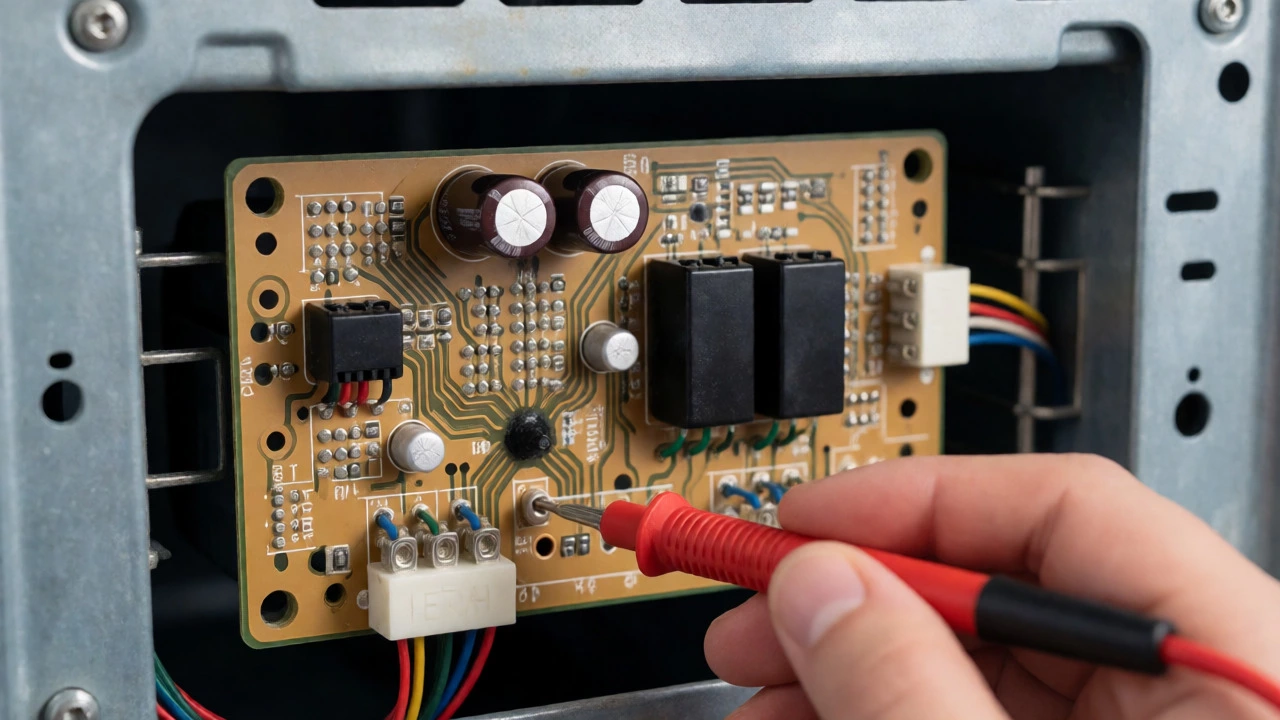
5. The Multimeter Voltage Test
This is the definitive test. With the oven powered on and set to "Bake":
- Identify the output terminals on the control board that feed power to the bake element.
- Set your multimeter to AC Volts.
- Carefully place probes on these terminals.
Common Causes of Control Board Failure
Why did this happen? Understanding the cause helps prevent it next time.
| Cause | Description | Prevention Tip |
|---|---|---|
| Power Surges | Lightning strikes or grid fluctuations spike voltage, frying sensitive chips. | Use a surge protector rated for high-amperage appliances. |
| Moisture Intrusion | Steam from cooking leaks into the electronics bay, causing corrosion. | Ensure door seals are intact; avoid spraying water directly on controls. |
| Overheating | Poor ventilation around the oven cavity causes ambient temps to exceed board limits. | Keep clearance areas clear; clean vents regularly. |
| Age/Wear | Capacitors dry out and relays stick after 10+ years of use. | Regular maintenance checks; consider replacement if oven is >15 years old. |
Repair vs. Replace: Making the Decision
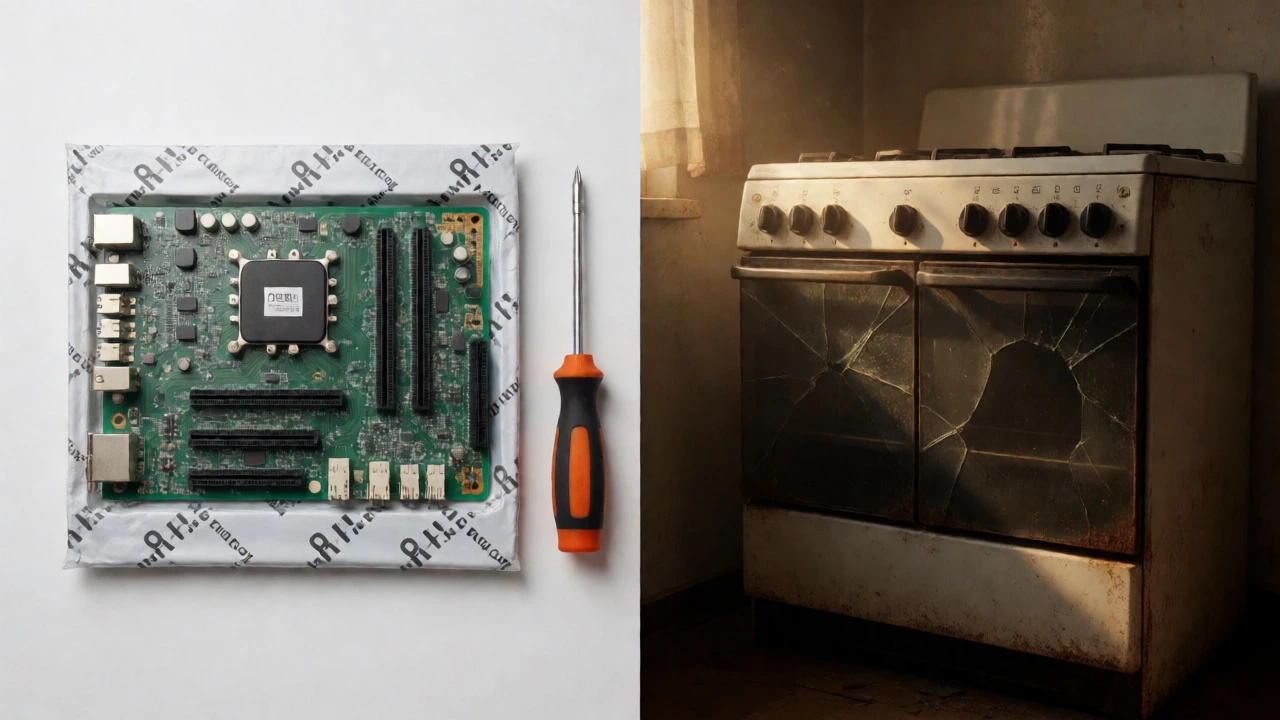
So, the board is bad. Now what? In Auckland, replacement control boards for major brands like Fisher & Paykel, Bosch, or Samsung can cost between $250 and $600 NZD, plus labor if you hire a pro. Here is a quick decision matrix:
- Replace the Board If: The oven is less than 10 years old, the rest of the appliance is in good condition (no rusted racks, no cracked glass), and the part is available. It’s often cheaper than buying a new $1,500+ oven.
- Replace the Oven If: The oven is over 15 years old, multiple components are failing (e.g., door hinge, handle, and board), or the part is discontinued/expensive relative to the oven's value.
Pro tip: Always buy OEM (Original Equipment Manufacturer) parts rather than generic aftermarket ones for control boards. Aftermarket boards sometimes have firmware bugs that cause new error codes, creating more headaches.
Can I fix a burnt control board myself?
If you have advanced soldering skills and electronics knowledge, you can sometimes replace individual components like capacitors or relays on the board. However, for most homeowners, swapping the entire board module is safer and faster. Attempting component-level repair voids warranties and risks damaging the trace layout.
How long do oven control boards last?
Typically, a well-maintained control board lasts 10 to 15 years. Factors like frequent self-cleaning cycles (which generate intense heat) and power surges can shorten this lifespan significantly.
Will a bad control board trip my circuit breaker?
Yes, if there is a short circuit within the board or a grounded wire connected to it, it can trip the breaker. However, many board failures result in a "no response" state without tripping the breaker, so a non-tripping breaker doesn't rule out a bad board.
Is it safe to cook with a flickering display?
It depends. If the oven heats consistently despite the display glitch, it might be safe temporarily. However, if the board is erratic, it could fail to cut power to the heater, leading to overheating or fire risk. Monitor it closely and schedule a repair soon.
Do all electric ovens have control boards?
Most modern electric ovens manufactured after the late 1990s do. Older models used purely mechanical timers and thermostats. If your oven has digital displays, clocks, or programmable features, it almost certainly relies on an electronic control board.
Final Thoughts on Troubleshooting
Diagnosing a bad control board saves you money and time. By ruling out the heating element, thermal fuse, and wiring first, you ensure you aren't throwing expensive parts at a simple connection issue. If the voltage test confirms the board isn't passing power, you have your answer. Whether you choose to DIY the swap or call a professional, knowing the root cause puts you in control of the repair process.