Washer Repair vs. Replace Calculator
Machine Details
Cost Analysis
How it works: This tool applies the 50% Rule: If the repair cost is >50% of a new machine's cost AND the machine is past half its expected lifespan, replacement is generally recommended.
Quick Guide to Lifespan Expectations
- Budget/Entry-level models: 6 to 10 years. These often use more plastic components in the drum and pump assemblies.
- Mid-range machines: 10 to 12 years. A good balance of durability and tech.
- High-end/Professional grade: 13 to 17 years. Usually feature stainless steel tubs and heavy-duty brushless motors.
The Battle of the Drums: Front Load vs Top Load
Not all washers are built the same. If you're trying to figure out if your machine is prematurely dying, you need to look at the architecture. Top-Loading Washers are generally simpler machines. Because they use a central agitator or impeller and don't have to fight gravity to keep clothes in the drum, they often have fewer seal failures. You'll likely see these last around 12 years if you don't overload them. Front-Loading Washers are more water-efficient but physically more stressed. The main seal-the big rubber gasket at the front-is a common point of failure. Once that leaks, you're looking at potential rust and electronic shorts. However, they often have more robust motors.| Feature | Top Load (Agitator) | Front Load |
|---|---|---|
| Average Lifespan | 10-13 Years | 11-14 Years |
| Common Failure Point | Belt/Drive Coupling | Door Seal (Gasket) |
| Maintenance Need | Low | High (Mold/Mildew cleaning) |
| Stress Level | Low on seals, high on motor | High on seals, low on motor |
What Actually Kills Your Washing Machine?
It's rarely one big event that kills a washer; it's usually a slow grind of wear and tear. One of the biggest culprits is Hard Water, which refers to water with high mineral content like calcium and magnesium. These minerals build up inside the heating elements and pump valves, forcing the machine to work harder and overheat. Then there's the issue of "overloading." We've all done it-trying to fit three weeks of laundry into one giant load. This puts immense pressure on the Drum Bearings, the metal rings that allow the tub to spin at high speeds. When these wear out, you get that screaming noise during the spin cycle. Replacing bearings is a massive job that often costs as much as a new machine. Don't forget the chemistry. Using too much detergent creates "oversudsing." This extra foam can leak into the electronics or leave a residue that eats away at the rubber seals. Modern High-Efficiency (HE) detergents are concentrated; using a full cap for a half-load is a recipe for a shorter lifespan.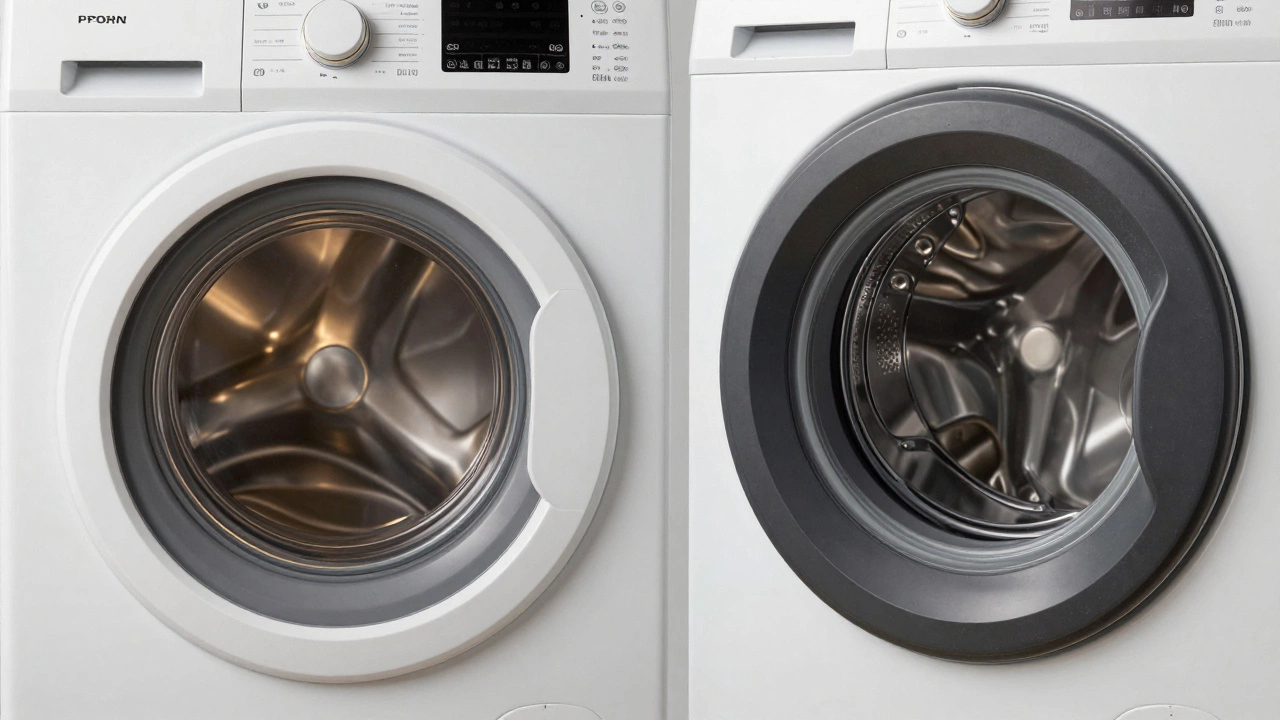
The 50% Rule: When to Stop Repairing
How do you know when to call it quits? Use the 50% rule. If the cost of the repair (parts + labor) is more than 50% of the cost of a new machine, and the machine is more than halfway through its expected life, replace it. For example, if your 8-year-old machine needs a new Control Board, and the repair cost is $300 while a new machine is $600, you're at the tipping point. If that machine is 12 years old, don't even bother; the pump or the motor is likely next on the list to fail.Pro Tips to Stretch Your Machine's Life
If you want your washer to hit the 15-year mark, you have to be proactive. It's not just about pushing a button; it's about how you manage the machine's environment.- Clean the Filter Monthly: Most front loaders have a small access door at the bottom. Drain the emergency hose and unscrew the pump filter. You'd be surprised how many coins, hairpins, and socks end up there, blocking the water flow and stressing the pump.
- Leave the Door Open: This is crucial for front loaders. If you close the door immediately after a wash, you trap moisture. This leads to biofilm and mold growth, which eventually degrades the rubber gasket.
- Level the Feet: A machine that wobbles isn't just annoying-it's destructive. An unlevel machine puts uneven pressure on the suspension springs and the drum, leading to premature bearing failure. Use a bubble level to make sure it's perfectly flat.
- Use the Right Amount of Soap: Look at the lines inside the detergent cap. Most people fill to the top, but for most loads, you only need the second line.
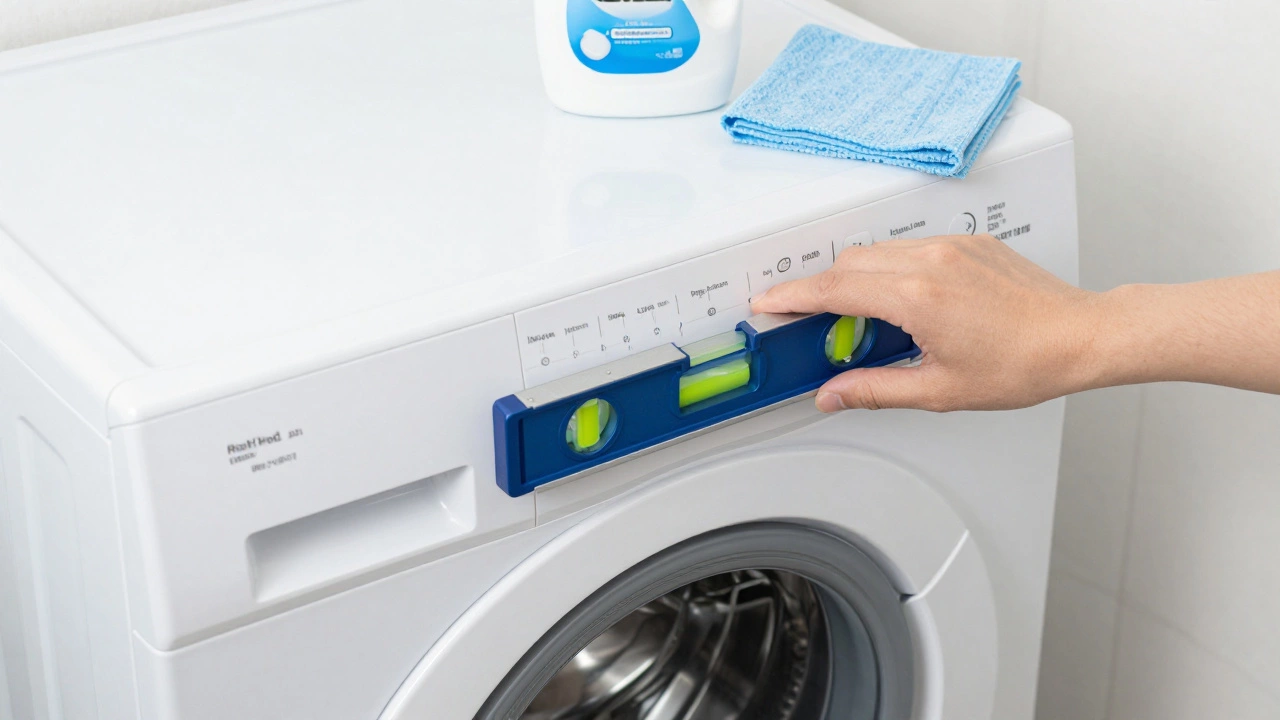
Common Warning Signs of End-of-Life
Before a machine completely dies, it usually gives you a few warnings. If you see these, start shopping for a replacement or call a professional for a diagnostic.- Excessive Vibration: If the machine starts "walking" across the room, the Shock Absorbers (which dampen the drum's movement) have likely worn out.
- Water Not Draining: This usually points to a clogged Drain Pump. While fixable, if it's happened multiple times, the pump motor might be failing.
- Strange Smells: A persistent mildew smell that doesn't go away with a cleaning cycle often means the outer tub has a buildup of "scrud" (detergent and fabric softener residue) that is corroding the internals.
- Longer Cycle Times: If a standard wash that used to take 45 minutes now takes 90, the machine is likely struggling to reach the required spin speed, indicating motor or belt fatigue.
Can I extend the life of a cheap washing machine?
Yes, but it requires more discipline. Avoid overloading the drum and use only liquid HE detergent in small amounts. Regularly cleaning the drain filter and keeping the machine perfectly level will prevent the plastic components from wearing down faster than they should.
Is a 10-year-old washing machine too old to fix?
Not necessarily. If it's a simple part like a door latch or a drive belt, it's worth it. However, if the main motor or the tub bearings have gone, the labor costs usually outweigh the value of a decade-old machine. Use the 50% rule mentioned above to decide.
Do front loaders really wear out faster than top loaders?
They don't necessarily have a shorter overall life, but they have more "high-maintenance" failure points. The door seals and mold issues are unique to front loaders, whereas top loaders are more prone to agitator and belt wear. With proper care, a front loader can last just as long.
What is the most reliable brand for longevity?
While it varies by model, brands that offer modular designs and easy access to spare parts are generally "more reliable" because they are easier to keep running. Look for machines with brushless motors, as they have fewer moving parts to wear out over time.
Does using a water softener help the washer last longer?
Absolutely. A water softener removes the calcium and magnesium that cause limescale buildup. This prevents the heating element from burning out and keeps the pump valves from sticking, which can easily add 3 to 5 years to the machine's life in hard-water areas.