Is Repairing Your Dishwasher a Smart Move? Pros and Cons Explained
December 2 2024Hob Electrical Safety: What You Need to Know to Avoid Danger
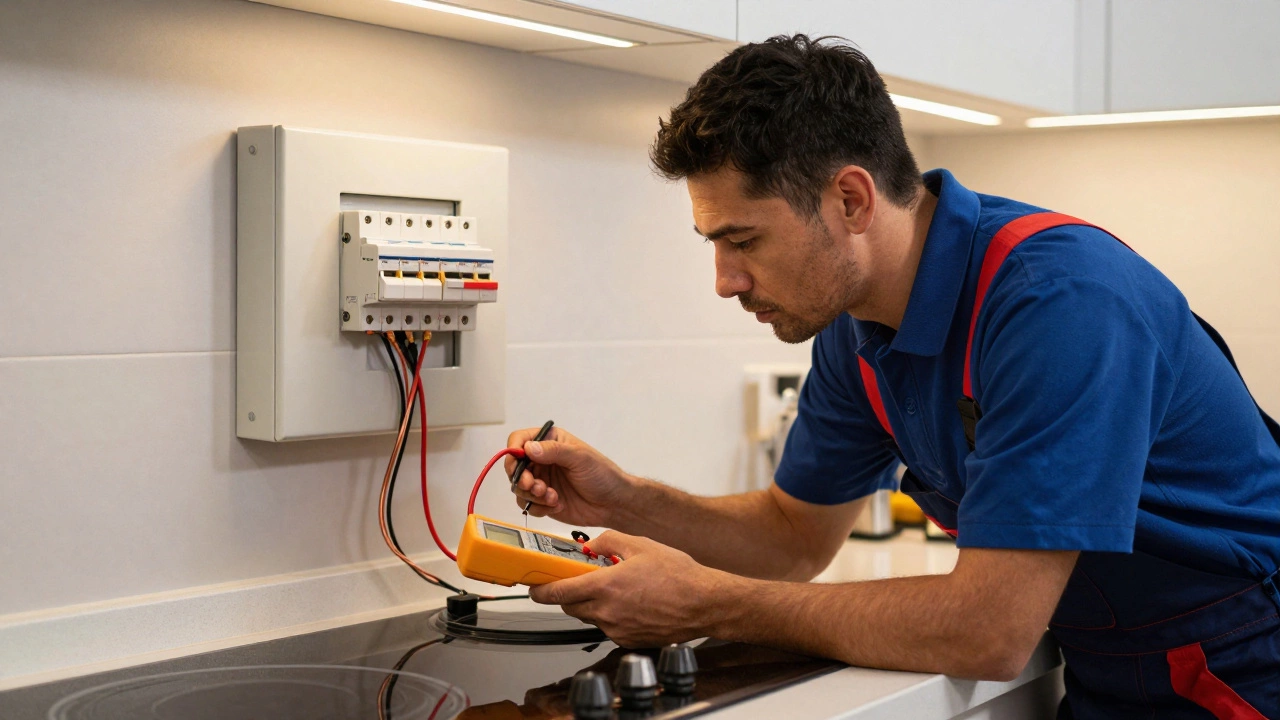
When you turn on your hob, a cooking surface that uses electricity or gas to generate heat. Also known as a cooktop, it’s one of the most used appliances in your home—but also one of the most dangerous if something goes wrong with its wiring. Many people assume that if the hob turns on, it’s safe. That’s a dangerous myth. Electrical faults in hobs don’t always show up as sparks or smoke. Sometimes, the only sign is a slight tingling when you touch the control panel, a breaker that trips for no reason, or a strange smell that fades after a few minutes. These aren’t just annoyances—they’re warning signs your hob could be a fire or shock hazard.
Electric hobs rely on hidden wiring, heating elements, and control boards that degrade over time. Moisture from spills, worn insulation, or loose connections can turn a simple repair into a life-threatening situation. A faulty heating element, the part that generates heat under the glass surface might still glow, but if its internal wiring is cracked, it can leak electricity into the metal frame. The thermostat, the device that controls temperature by switching power on and off can also fail in a way that keeps power flowing even when the hob should be off. And if your hob shares a circuit with other appliances, a tripped breaker isn’t always a coincidence—it’s a signal that the system is overloaded or faulty.
You don’t need to be an electrician to spot red flags. If your hob shocks you—even slightly—don’t ignore it. If the control knobs feel warm when they shouldn’t, or if you see scorch marks near the edges, stop using it immediately. These aren’t "maybe" problems. They’re emergencies waiting to happen. Even if you’ve had the same hob for 10 years, old wiring doesn’t get safer with age. In fact, it gets more risky. Many people try to fix these issues themselves, but unless you’ve got the right tools and training, you’re just moving the danger around. A professional gas and appliance engineer can test the earth continuity, check for live voltage leaks, and verify that the wiring meets current safety standards. It’s not about being overly cautious—it’s about knowing when a small fix saves you from a big disaster.
Below, you’ll find real stories and fixes from people who’ve dealt with exactly these issues—whether it’s a cooker that suddenly stopped working, a faulty element that caused a breaker to trip, or a hob that felt warm to the touch. These aren’t theoretical guides. They’re practical checks, real costs, and clear signs that tell you when to call a pro—and when you might be risking more than just your dinner.
 4 Dec
4 Dec
Do You Need an Electrician to Replace an Electric Hob?
Replacing an electric hob requires professional electrical work due to high voltage, safety codes, and warranty rules. DIY installation risks fire, insurance denial, and costly mistakes. Always hire a licensed electrician.
Read More...POPULAR POSTS
What Trade Fixes Extractor Fans?
March 5 2026
How Much Does Replacing an Electric Oven Heating Element Cost?
September 27 2025