Boiler Service Time Estimator
Planning a visit? Use this tool to estimate how long you need to block out for your technician. Standard services take 45–60 minutes, but specific conditions can extend this significantly.
Typical range: 45–60 mins
Your Estimate
Why does it vary?
- Visual Inspection: 5–10 mins. Older units or tight spaces add time here.
- Internal Check: 15–20 mins. Combi boilers are faster; conventional systems with tanks take longer.
- Flue Analysis: 10–15 mins. Critical for safety, especially with older seals.
- Documentation: 5–10 mins. Recording findings and discussing issues.
You’re waiting for the technician. You’ve cleared the kitchen counter, maybe even made a cup of tea in anticipation. But how long should you actually block out your day for a standard boiler service? Is it a quick 30-minute check, or are you stuck there until dinner?
The short answer is usually between 45 minutes and an hour. But that number hides a lot of variables. If your unit is older, if it’s tucked away in a tight cupboard, or if the engineer spots a pressure issue, that hour can stretch into two or three easily. Knowing what to expect helps you plan your day and ensures you don’t rush a professional who needs to do their job properly.
Key Takeaways on Boiler Service Duration
- A routine annual service typically takes 45-60 minutes.
- Complex systems like combi boilers with faults may take up to 2 hours.
- Preparation saves time: clear access to the boiler and provide parking.
- Gas Safe registration (or equivalent local certification) is non-negotiable for speed and safety.
- If the service turns into a repair, expect additional costs and time.
What Actually Happens During a Boiler Service?
It’s not just a glance at the dial. A proper service is a systematic health check of your heating system. The engineer isn’t just looking for leaks; they are analyzing combustion efficiency and safety. This process involves several distinct steps, each taking a specific amount of time.
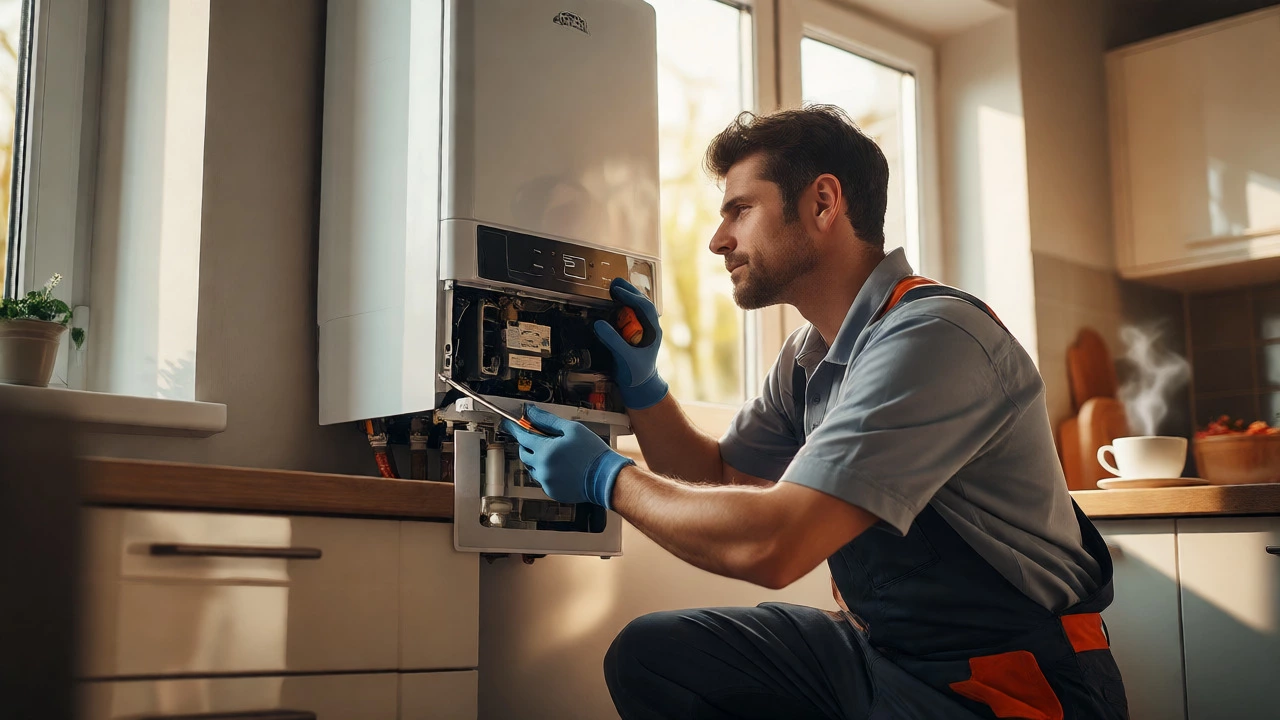
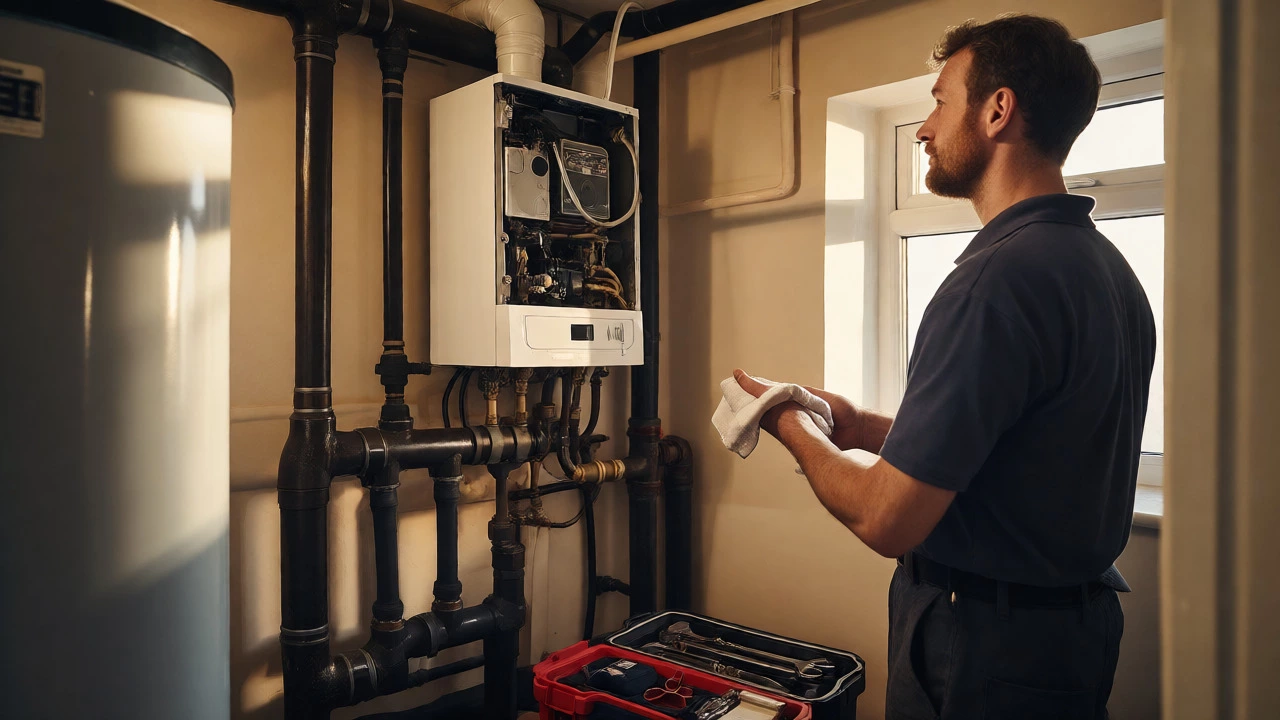
First, they inspect the physical condition of the unit. They look for signs of corrosion, water leaks, or soot buildup around the flue. If the boiler is old, this visual check might reveal cracks or wear that require closer inspection, adding 10-15 minutes to the visit.
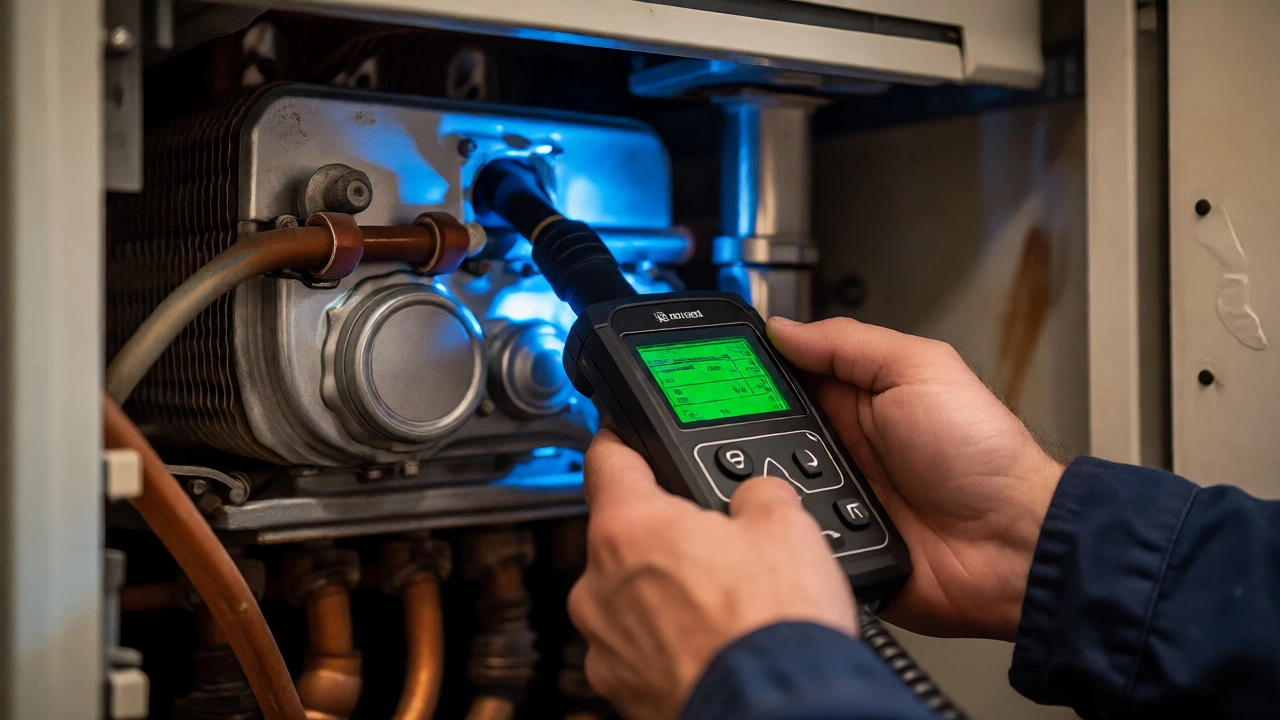
Next comes the internal check. The engineer will likely remove the front panel to examine the heat exchanger, burner, and fan. They use a flue gas analyzer to measure carbon monoxide levels and oxygen content. This diagnostic step is critical because invisible gas leaks are dangerous. Calibrating these tools and interpreting the readings takes precision, not haste.
| Task | Estimated Time | Purpose |
|---|---|---|
| Visual Inspection & Access Check | 5-10 mins | Check for leaks, rust, and ventilation issues |
| Internal Component Examination | 15-20 mins | Clean burners, check seals, inspect heat exchanger |
| Flue Gas Analysis | 10-15 mins | Measure CO levels and combustion efficiency |
| Pressure & Flow Testing | 5-10 mins | Ensure safe operating pressure and hot water flow |
| Documentation & Advice | 5-10 mins | Record findings, explain any minor issues |
Factors That Extend the Service Time
Why does one neighbor’s service take 40 minutes while yours takes two hours? It rarely depends on the plumber’s skill alone. Several external factors dictate the pace.
Accessibility is the biggest time-waster. If your boiler is installed in a cramped attic space, behind furniture, or requires a ladder to reach, the engineer spends valuable minutes just getting into position. In Auckland homes, many boilers are tucked into small utility rooms or under stairs. If you have to move a washing machine or stack of boxes to let them work, add 15 minutes to the estimate.
Age and Condition play a huge role. A five-year-old modern condensing boiler is designed for easy servicing. Panels pop off quickly, and components are standardized. A 15-year-old conventional boiler might have seized screws, brittle pipes, or outdated parts. Engineers often hesitate to force old components, preferring to proceed slowly to avoid breaking something that works, albeit poorly.
Type of Boiler matters too. Combi boilers are compact but complex internally. System boilers and regular boilers with separate tanks involve more pipework checks. If the engineer suspects a fault-like low pressure or noisy operation-they will investigate further. What starts as a service becomes a mini-diagnosis, extending the visit significantly.
Service vs. Repair: Know the Difference
Confusion often arises when a "service" reveals a problem. Technically, a service is preventive maintenance. A repair is corrective action. If the engineer finds a leaking diverter valve or a faulty thermostat during the service, they won’t fix it immediately unless you’ve agreed to a combined call-out fee or they carry the specific part.
If a repair is needed on the spot, expect the total time to double. Replacing a pump, for instance, requires draining the system, removing the old unit, fitting the new one, and refilling. This adds at least 45-60 minutes to the original service window. Always ask beforehand: "If you find a minor fault, can you fix it today, or do I need another appointment?"
How to Speed Up Your Boiler Service
You can’t control the complexity of the boiler, but you can control the environment. Small preparations save the engineer-and you-time.
- Clear the Area: Remove clutter from around the boiler. Ensure there is enough room for the engineer to open panels fully and stand comfortably.
- Provide Parking: If you live in a busy suburb, reserve a parking spot nearby. Driving around for 10 minutes eats into the billable time and delays the start.
- Know Your Model: Have the make and model number ready. While engineers can identify it, providing details upfront helps them prepare mentally and potentially bring common spare parts.
- Be Present: Don’t leave the house. If the engineer has a question about past noises or behavior, answering immediately prevents delays.
Regional Considerations: New Zealand Context
In New Zealand, regulations differ slightly from the UK or US. While we don’t have a single "Gas Safe" register in the same way, plumbers and gasfitters must be registered with the Plumbers, Gasfitters and Drainlayers Board (PGDB). Ensuring your technician is licensed is crucial for insurance and safety compliance.
Climate also impacts service needs. Auckland’s mild winters mean boilers run less intensely than those in colder regions, but humidity can accelerate corrosion in metal components. Regular checks are vital here to catch damp-related issues early. Additionally, many NZ homes use LPG cylinders rather than mains gas. Servicing LPG boilers requires checking cylinder connections and regulators, which can add a few extra minutes compared to mains gas setups.
When Should You Call a Professional?
Don’t wait for winter to book a service. The ideal time is late spring or early summer. Why? Because demand is lower, meaning technicians are less rushed and more thorough. Prices are also often lower due to off-peak scheduling.
If your boiler is over 10 years old, consider whether servicing is still cost-effective. Modern high-efficiency models can cut energy bills by 20-30%. Sometimes, the time spent repairing an aging unit outweighs the benefit. Discuss replacement options with your plumber if repairs exceed $200-$300 annually.
How long does a basic boiler service take?
A standard annual boiler service typically takes between 45 minutes and 1 hour. This includes visual inspections, internal component checks, flue gas analysis, and testing water pressure and flow rates.
Can a plumber fix my boiler during the service?
Yes, but only if the fault is minor and the engineer has the necessary parts on hand. Major repairs usually require a separate appointment and quote. Always clarify this policy before booking.
Does the type of boiler affect service time?
Yes. Combi boilers are generally quicker to service due to their compact design. System and regular boilers with separate hot water cylinders involve more pipework and tank checks, potentially adding 15-20 minutes.
How often should I service my boiler?
Manufacturers and insurers recommend servicing your boiler once every year. Regular maintenance ensures safety, maintains warranty validity, and keeps energy efficiency high.
What happens if I skip my boiler service?
Skipping services increases the risk of breakdowns, voids manufacturer warranties, and may invalidate home insurance claims related to heating failures. It also leads to higher energy bills due to reduced efficiency.