Freezer Emergency & Repair Decision Tool
Your freezer light is on, but the ice cream is turning into soup. It’s a panic-inducing moment that hits most homeowners at least once. Whether you’re in Auckland dealing with humid summers or just trying to save that expensive batch of steaks, knowing what to do when your freezer quits can mean the difference between saving hundreds of dollars in groceries and throwing it all away.
Most people assume they need a technician immediately. In reality, about 60% of "broken" freezers are just suffering from simple issues like a tripped breaker, a dirty coil, or a stuck door switch. Before you call for help, let’s walk through a logical checklist to diagnose the problem, save your food, and potentially fix the unit yourself.
Immediate Action: Save the Food First
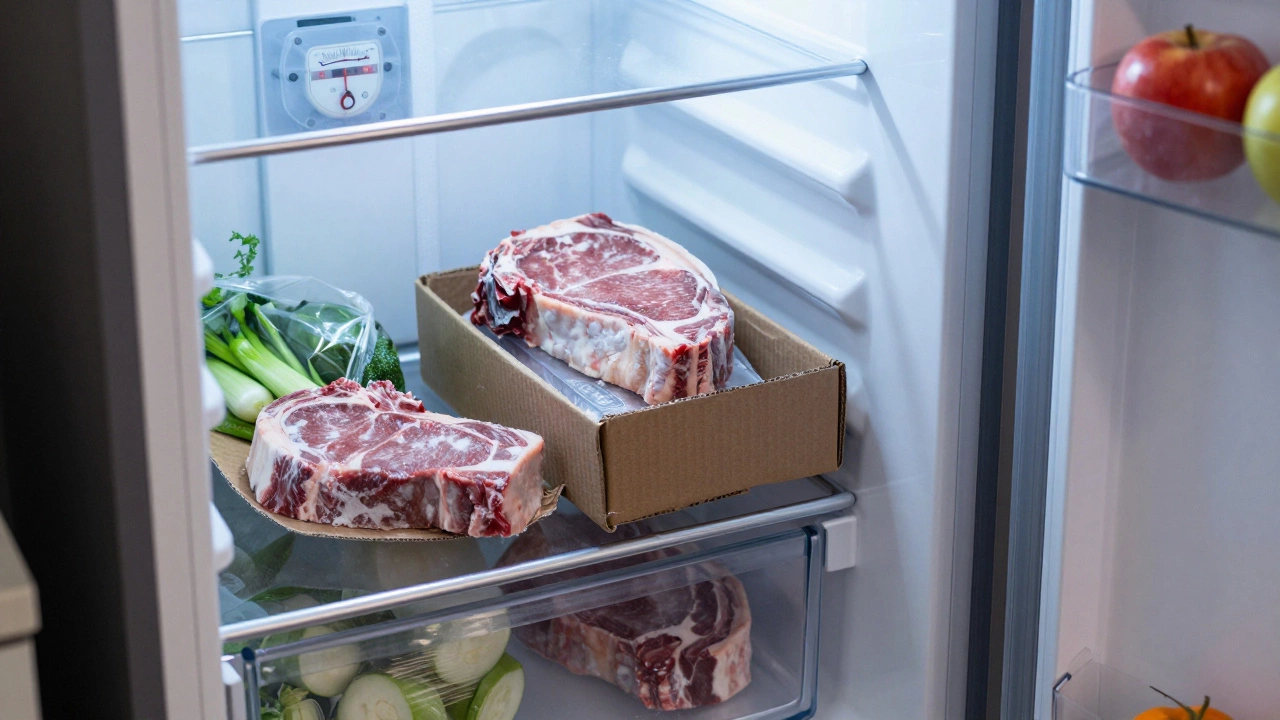
Before you start unscrewing panels or checking wiring, secure your inventory. A full freezer stays cold longer than an empty one because the frozen mass acts as insulation. If your freezer has been off for less than 24 hours and remains half-full, the food might still be safe. Keep the door shut tight.
If the compressor has been dead for more than four hours, you need to move things. Here is how to buy yourself time:
- Group items together: Pack boxes tightly. Air circulates heat; dense blocks of ice resist it.
- Use dry ice: If you can get dry ice from a local supplier (many gas stations in New Zealand carry it), toss a few bags in. It keeps temperatures down significantly longer than ice packs.
- Borrow space: Call neighbors or friends with spare freezer capacity. This is especially easy in community-focused areas.
- The Cooler Method: Transfer perishables to coolers filled with ice. Place heavy items like meat at the bottom and lighter items like vegetables on top.
| Condition | Time Safe | Action |
|---|---|---|
| Full Freezer, Door Closed | Up to 48 hours | Monitor temperature; refreeze if below -18°C |
| Half-Full Freezer, Door Closed | Up to 24 hours | Transfer to cooler if possible |
| Door Opened Frequently | Less than 4 hours | Consume or discard perishables |
| Frozen Food Thawed | N/A | Safe to refreeze if ice crystals remain, even if soft |
Step 1: The Basic Checks (Don't Skip These)
It sounds obvious, but we often overlook the simplest causes. Start here before buying parts.
- Check the power outlet: Plug a lamp or phone charger into the freezer’s socket. If it doesn’t work, the issue is your home’s electrical circuit, not the appliance. Check your fuse box or circuit breaker panel for a tripped switch.
- Inspect the plug: Ensure the plug is fully inserted. Sometimes, heavy doors or rugs can knock plugs loose over time.
- Listen closely: Stand near the freezer. Do you hear a hum? A click? Or complete silence?
- Silence: Likely a power issue or a failed control board.
- Humming but no cooling: The compressor is trying to run but failing, possibly due to a bad start relay.
- Clicking: The start relay may be clicking repeatedly without engaging the compressor.
Step 2: Diagnose Common Mechanical Failures
If power is confirmed, the problem is internal. Most modern chest and upright freezers use a direct-drive compressor system. Here are the three most common culprits.
1. Dirty Condenser Coils
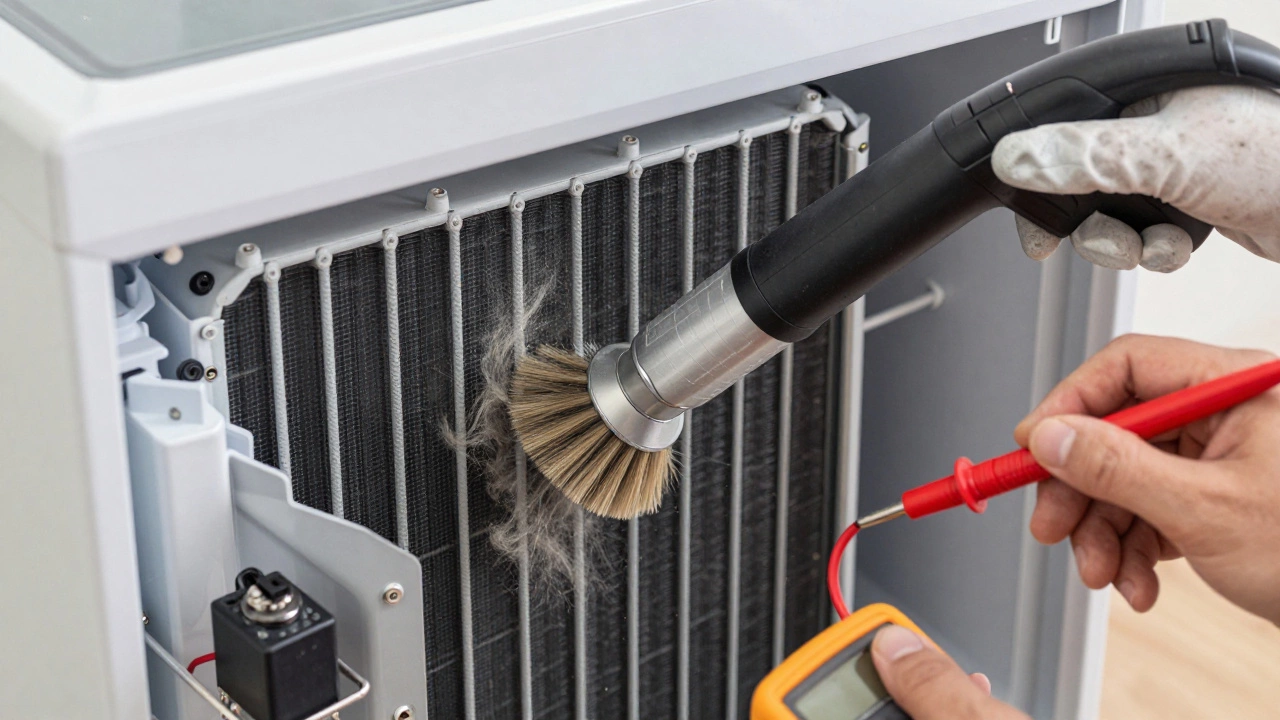
The condenser coils dissipate heat from inside the freezer to the room. They are usually located on the back or behind a grille at the bottom front. If these coils are clogged with dust, pet hair, or debris, the compressor overheats and shuts down to protect itself.
The Fix: Unplug the freezer. Use a vacuum cleaner with a brush attachment or a specialized coil brush to clean the fins. You should see a significant amount of dust come out. After cleaning, plug it back in and wait 24 hours to see if it recovers.
2. Faulty Defrost System
This is the number one cause of freezers that stop freezing in older models. Freezers accumulate frost on the evaporator coils inside. Normally, a defrost heater melts this frost every 8-12 hours. If the heater, thermostat, or timer fails, ice builds up until it blocks airflow entirely. The freezer stops cooling, but the fan might still run, blowing warm air around.
The Test: Unplug the freezer and leave the door open for 24 hours to melt all internal ice. Plug it back in. If the freezer starts working again, your defrost system is broken. It will likely fail again in a few weeks unless repaired.
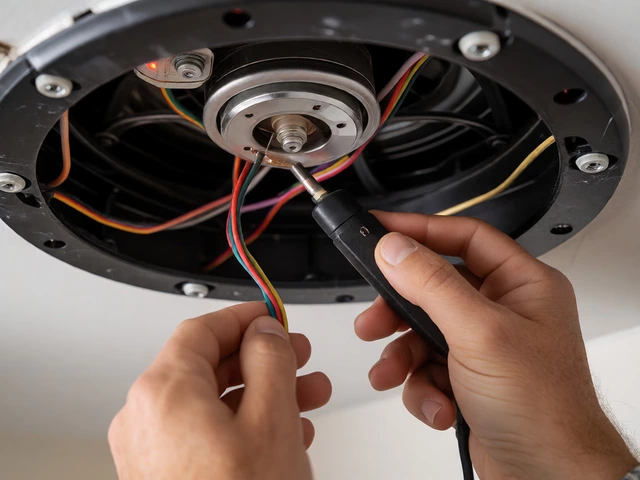
The Component Check: Defrost heaters typically test for continuity using a multimeter. If there is no continuity, replace the heater. The defrost thermostat also needs to conduct electricity when warm; if it’s open, replace it.
3. Bad Start Relay
The start relay helps the compressor kick on. If it fails, the compressor gets a signal to start but can’t generate enough torque. You’ll hear a loud hum followed by a click, then silence.
The Fix: Locate the relay on the back of the compressor (it looks like a small black plastic box). Shake it; if you hear rattling, it’s broken. Replacement relays are inexpensive and universal for many brands. Swap it out, and the freezer should restart.
When to Call a Professional Technician
Some issues require specialized tools and safety knowledge. In Auckland, licensed electricians and appliance repair technicians charge between $80 and $150 per hour, plus parts. Call a pro if:
- The compressor is hot but not running: This indicates a mechanical failure inside the compressor. Compressors are often sealed units and cannot be repaired, only replaced. For older units, replacement cost may exceed the value of the freezer.
- You smell burning or see smoke: Turn off the power immediately. This suggests an electrical short in the wiring or motor.
- The refrigerant is leaking: If you see oil stains on the floor near the coils or hear hissing, you have a refrigerant leak. Handling refrigerants requires certification under New Zealand environmental regulations. Do not attempt this yourself.
- The control board is faulty: Digital freezers with touchscreens rely on electronic control boards. If the display is blank or showing error codes, the board may need programming or replacement, which is complex for DIYers.
Repair vs. Replace: Making the Economic Decision
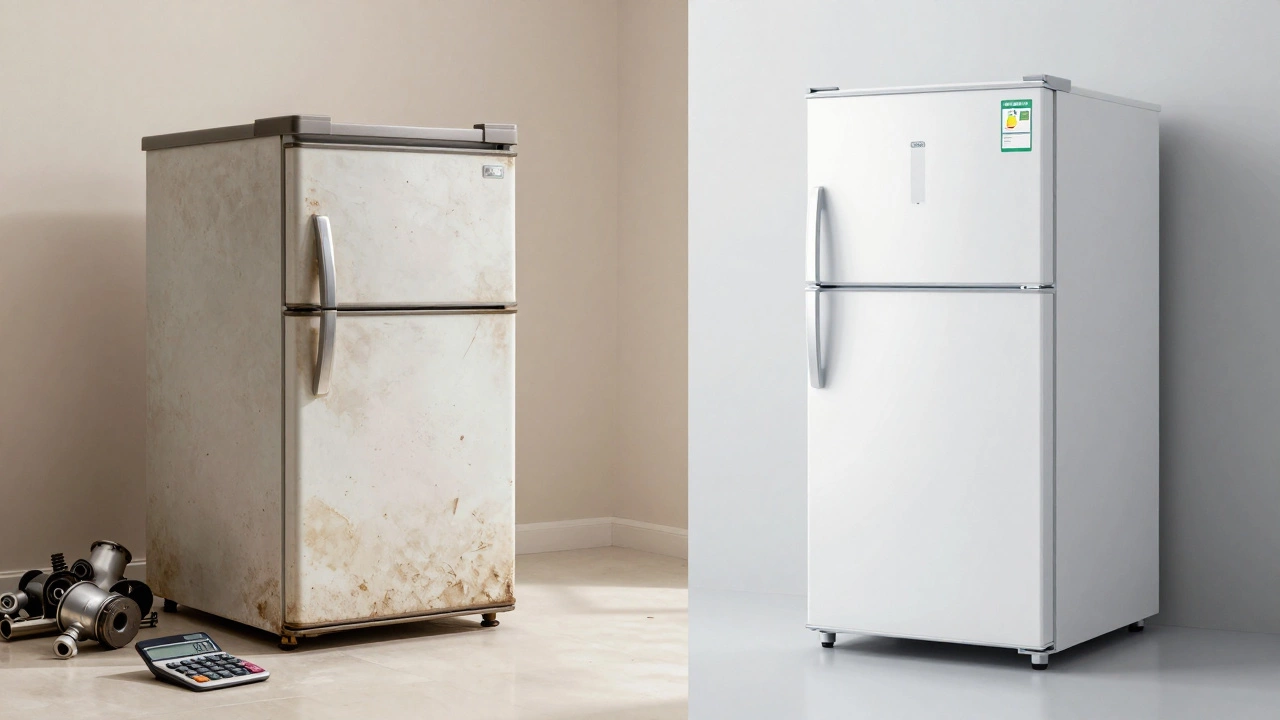
Not every freezer deserves a second chance. Use this rule of thumb: if the repair cost exceeds 50% of the price of a new, energy-efficient model, replace it.
New freezers are significantly more efficient. An old unit from the 2000s might use 400-500 kWh per year, while a modern Energy Rating 4+ star model uses closer to 250 kWh. Over five years, the savings in electricity bills can offset the initial purchase price.
Also consider the age. If your freezer is over 10 years old, other components (seals, fans, motors) are likely nearing the end of their lifespan. Investing in a major repair now might lead to another bill next year.
Preventing Future Breakdowns
Once your freezer is running smoothly, keep it that way with minimal effort.
- Clean coils annually: Set a calendar reminder. Dust buildup is gradual but deadly to efficiency.
- Check door seals: Close the door on a dollar bill. If you can pull it out easily, the seal is weak. Weak seals let warm, moist air in, causing excessive frost and compressor strain. Clean seals with warm soapy water or replace them if cracked.
- Avoid overpacking: While a full freezer retains cold better during outages, blocking air vents inside with boxes restricts airflow during normal operation. Leave space around the vents.
- Monitor temperature: Keep a standalone thermometer in the freezer. The built-in dial is often inaccurate. Aim for -18°C (0°F).
How long does a freezer last after the compressor dies?
If the compressor fails completely, the freezer will lose its ability to freeze within 24-48 hours depending on ambient temperature and load. However, the physical unit can last indefinitely as a cold storage box if you add dry ice or ice packs regularly.
Can I reset my freezer like a computer?
For digital models, unplugging the unit for 5-10 minutes can reset the control board and clear temporary glitches. For mechanical models, resetting isn't applicable, but letting the compressor rest for an hour after a power surge can help it restart safely.
Why is my freezer making a buzzing noise but not freezing?
A persistent buzz usually indicates a failing start relay or a struggling compressor. The relay clicks or buzzes as it tries to engage the motor. If the compressor is mechanically seized, it will buzz loudly and become very hot. This requires professional diagnosis.
Is it worth repairing a 15-year-old freezer?
Generally, no. At 15 years old, the unit is inefficient and likely has worn-out seals and fans. Unless it's a high-end commercial-grade unit, the cost of parts and labor often outweighs the benefit. Replacing it with a modern energy-efficient model saves money on electricity and reduces environmental impact.
What should I do if my freezer is leaking water?
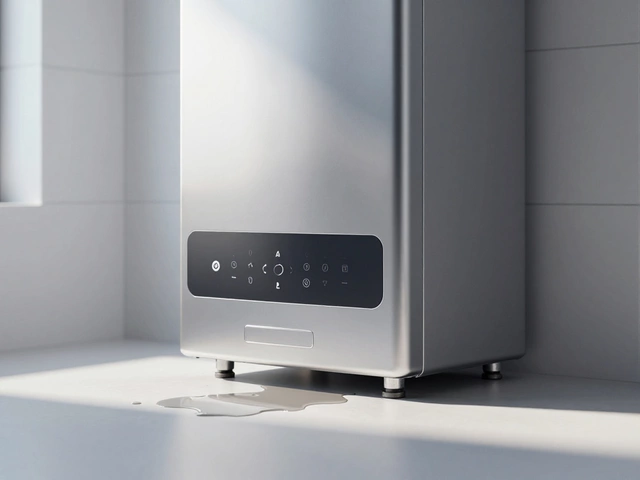
Water leakage is often caused by a clogged defrost drain tube. Melted frost flows through this tube to a drip pan. If blocked by food particles or mold, water backs up and spills onto the floor. Clear the tube with warm water and a pipe cleaner. If the leak persists, check for cracks in the drip pan or water inlet valve (if equipped).