
Extractor Fan Sizing Calculator
Enter your room's measurements to calculate the required fan capacity.
Enter dimensions and click calculate
to see your results here.
| Type | Airflow Range (m³/h) | Noise (dB) | Best For | Complexity |
|---|---|---|---|---|
| Inline Ducted | 150–400 | 30–45 dB | Kitchens, Bathrooms | Medium |
| Ceiling-Mounted Axial | 100–250 | 25–40 dB | Small Baths, Laundry | Low |
| Range Hood Extractor | 300–700 | 40–55 dB | Active Cooking Kitchens | High |
| Wall-Mounted Vent | 80–150 | 20–35 dB | Bedrooms, Hallways | Medium |
Walking into a room where the air feels heavy and stale is unpleasant. You might not realize it at first, but that stuffiness often comes from trapped moisture and cooking fumes. This is where an extractor fan is a mechanical device designed to remove indoor air, reducing humidity and odors by exhausting them outside. But do you actually need one in every room? Or is it just another appliance taking up space and electricity?
The short answer depends on your lifestyle, climate, and home structure. In places like Auckland, New Zealand, where humidity can be high even in winter, proper ventilation matters more than many homeowners think. Let’s break down when an extractor fan is essential, when it’s optional, and how to decide if yours is working hard enough.
Why Air Quality Matters More Than You Think
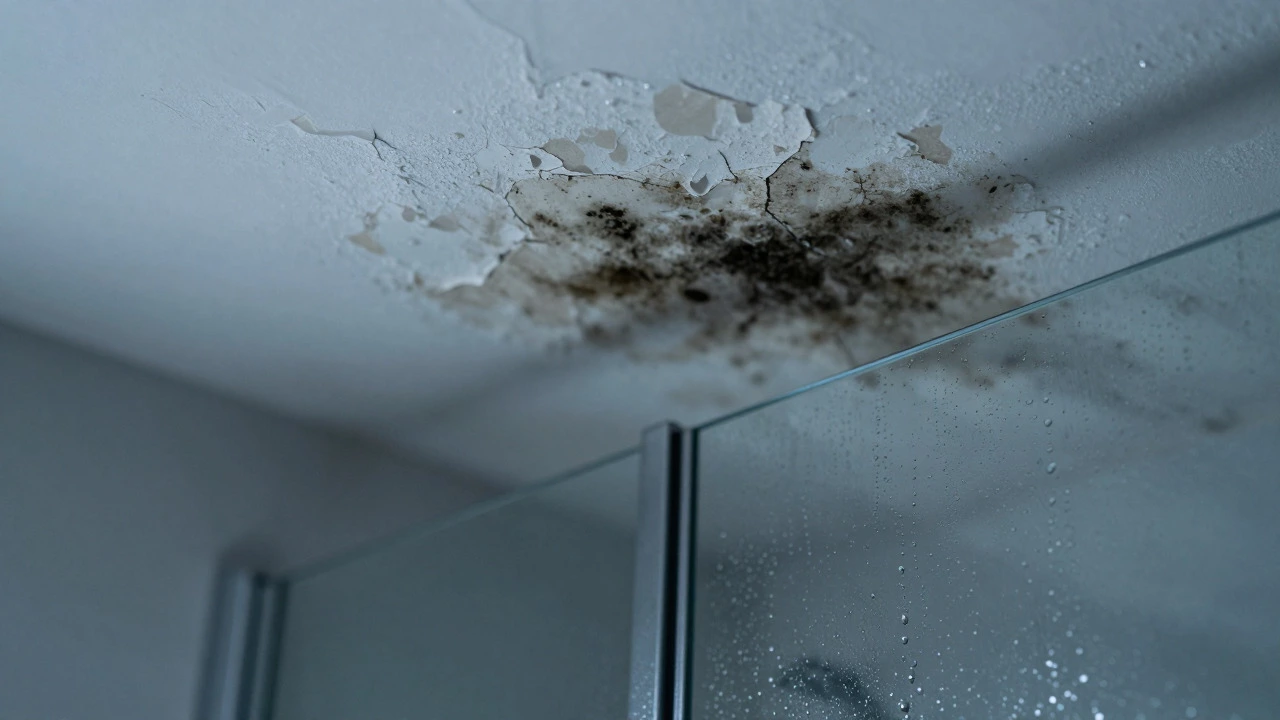
Indoor air isn’t just about smell. It’s about health. When you cook, shower, or dry clothes indoors, you release water vapor into the air. If that vapor doesn’t escape, it condenses on cold surfaces-windows, walls, and even inside wall cavities. Over time, this leads to mold, peeling paint, and warped timber. The World Health Organization notes that poor indoor air quality can contribute to respiratory issues, especially in children and the elderly.
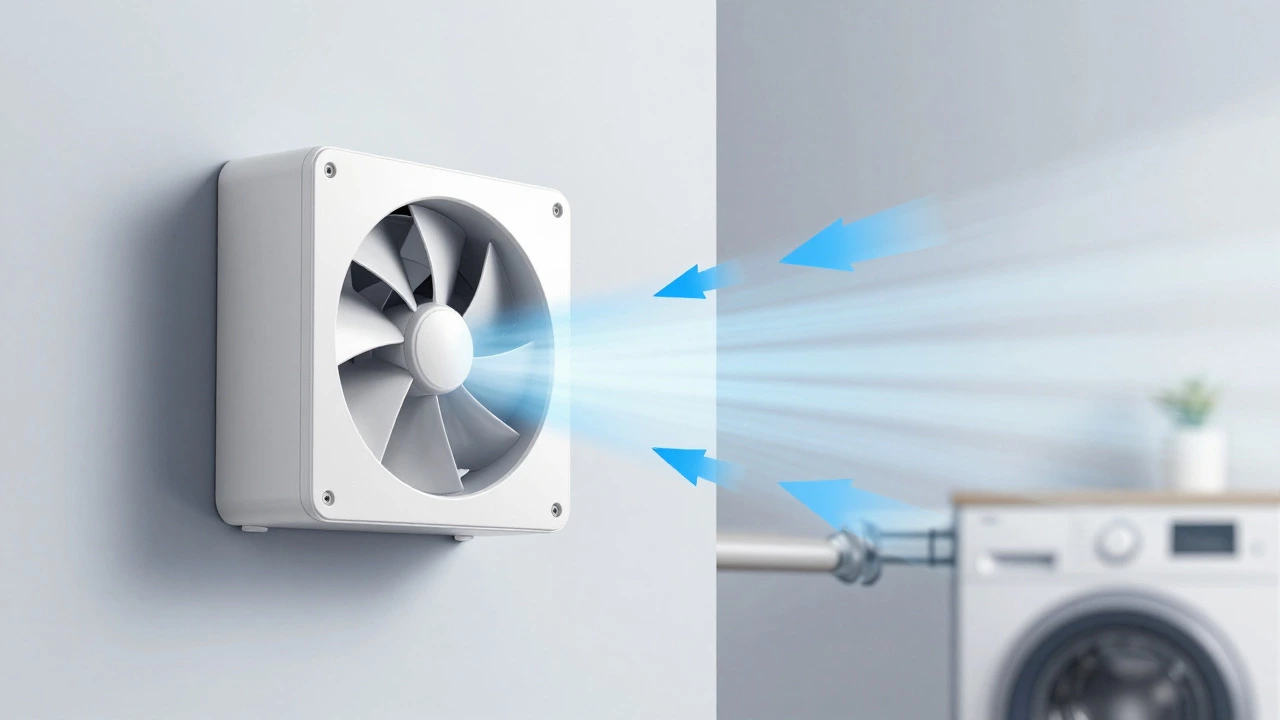
An extractor fan solves this by creating negative pressure in a room. It pulls moist air out and pushes it outside, usually through a duct connected to the roof or exterior wall. Without it, you’re relying on natural ventilation-opening windows-which isn’t always practical, safe, or effective during rain or cold snaps.
Kitchens: Where the Fan Is Non-Negotiable
If you cook daily, your kitchen is the prime candidate for an extractor fan. Frying, boiling, and baking release grease particles and steam that settle on cabinets, appliances, and ceilings. Over years, this buildup becomes difficult to clean and can attract pests.
- Steam control: Boiling pasta or rice releases significant moisture. An extractor fan removes this before it spreads to living areas.
- Odor management: Strong-smelling foods like garlic, fish, or curry leave lingering scents without active extraction.
- Appliance protection: Grease-laden air can degrade filters in range hoods and clog vents in ovens and stoves.
In most modern homes, the kitchen already has a range hood. But not all range hoods are extractor fans. Some recirculate air through carbon filters, which help with odors but do little to remove moisture. If your hood lacks an external duct, consider adding a dedicated extractor fan nearby.
Bathrooms: The Silent Mold Factory
Bathrooms generate the most moisture per square meter of any room in the house. A single hot shower can add 0.5 liters of water vapor to the air. Without ventilation, that moisture lingers, creating perfect conditions for mold spores to grow on tiles, grout, and ceiling corners.
Building codes in many regions, including New Zealand, require bathrooms to have either an external window or a mechanical ventilation system. If your bathroom has no window, an extractor fan isn’t optional-it’s mandatory. Even if you have a window, using it alone is inefficient. Opening a window in winter lets in cold air, making the room uncomfortable. An extractor fan allows you to keep windows closed while still removing humidity.
Look for fans with a timer function. These run for 15-30 minutes after you turn off the light, ensuring all excess moisture is cleared. Humidity sensors take this further by activating automatically when moisture levels rise above 60% relative humidity.
Laundry Rooms and Utility Spaces
If you dry clothes indoors, your laundry room or utility area needs serious ventilation. Tumble dryers vent directly outside, but front-loading washing machines rely on ambient air to dry. Without an extractor fan, dampness builds up quickly, leading to musty smells and potential structural damage.
A small, quiet extractor fan (around 100-150 m³/h) can handle this load. Place it near the ceiling, as warm, moist air rises. Ensure the duct is short and straight to maintain airflow efficiency. Elbows and long runs reduce performance significantly.
When You Might Not Need One
Not every room requires an extractor fan. Bedrooms, living rooms, and hallways typically benefit from cross-ventilation rather than mechanical extraction. If you open windows regularly and don’t generate excessive moisture, natural airflow may suffice.
However, if you notice persistent condensation on windows, a musty odor, or visible mold spots, it’s a sign that ventilation is inadequate. In these cases, adding an extractor fan to the source room (kitchen or bathroom) is far more effective than trying to ventilate the entire house.
Signs Your Existing Fan Needs Attention
Many homeowners assume their extractor fan is working because they hear it running. But noise doesn’t equal performance. Here are red flags that indicate a problem:
- Weak airflow: Hold a tissue paper near the grille. If it barely moves, the fan motor may be failing or the duct is blocked.
- Excessive noise: Grinding or rattling sounds suggest worn bearings or debris caught in the impeller.
- No operation: If the fan doesn’t start at all, check the switch, fuse, or wiring. Electrical faults can be hazardous.
- Persistent odors: If cooking smells linger despite the fan running, the duct may be disconnected or leaking into the attic.
Regular maintenance extends fan life. Clean the grille and filter every 3-6 months. Vacuum the impeller blades carefully to remove dust buildup. Check the duct for kinks or bird nests annually.
Choosing the Right Fan: Key Specifications
Not all extractor fans are created equal. When replacing or installing one, focus on these metrics:
| Type | Airflow (m³/h) | Noise Level (dB) | Best For | Installation Complexity |
|---|---|---|---|---|
| Inline Ducted Fan | 150-400 | 30-45 | Kitchens, Bathrooms | Medium (requires ducting) |
| Ceiling-Mounted Axial Fan | 100-250 | 25-40 | Small Bathrooms, Laundry | Low (surface mount) |
| Range Hood Extractor | 300-700 | 40-55 | Active Cooking Kitchens | High (integrated with hood) |
| Wall-Mounted Ventilation Unit | 80-150 | 20-35 | Bedrooms, Hallways | Medium (external wall required) |
Airflow is measured in cubic meters per hour (m³/h). As a rule of thumb, multiply the room’s floor area (in square meters) by its height (in meters), then multiply by 10. For example, a 3m x 4m bathroom with a 2.5m ceiling equals 30 m³. Multiply by 10 to get 300 m³/h. Choose a fan rated at or above this figure.
Noise level matters too. Fans below 40 dB are considered quiet. Look for models with variable speed settings so you can run them on low for background use and high for peak moisture events.
Energy Efficiency and Operating Costs
Modern extractor fans are energy-efficient. A typical unit consumes between 20-60 watts. Running it for two hours a day costs less than $1 per month in most regions. Compare this to the cost of repainting mold-stained walls or repairing water-damaged ceilings, and the investment pays for itself quickly.
Some fans include heat recovery systems, which capture warmth from exhausted air and transfer it to incoming fresh air. These are more expensive upfront but save energy in colder climates. For most households, a standard axial fan offers the best balance of cost and performance.
Common Mistakes to Avoid
Even with the right fan, improper installation can ruin its effectiveness. Watch out for these errors:
- Long or bent ducts: Every elbow reduces airflow by 10-15%. Keep duct runs under 3 meters and avoid sharp bends.
- Incorrect sizing: Underpowered fans struggle to clear moisture. Oversized fans create unnecessary noise and wear.
- Missing backdraft shutters: Without a shutter, cold air and insects can enter when the fan is off. Always install a weatherproof flap.
- Ignoring electrical safety: Fans in wet areas should be IP-rated (Ingress Protection) for damp environments. Use GFCI/RCD protected circuits.
Frequently Asked Questions
How often should I clean my extractor fan?
Clean the grille and filter every 3-6 months. Vacuum the impeller blades once a year. Inspect the duct for blockages annually. Regular cleaning maintains airflow and prevents motor strain.
Can I use an extractor fan without external ducting?
Technically yes, but it’s inefficient. Fans without ducting recirculate air through carbon filters, which only remove odors, not moisture. For true humidity control, exhaust air must go outside via a duct.
What size extractor fan do I need for a standard bathroom?
Calculate the room volume (length x width x height) and multiply by 10. For a typical 3m x 4m bathroom with a 2.5m ceiling, you need a fan rated at least 300 m³/h. Most residential units fall between 150-400 m³/h.
Is it worth repairing an old extractor fan or buying a new one?
If the motor is burned out or the housing is cracked, replacement is usually cheaper. Minor issues like noisy bearings or dirty filters can be fixed for a fraction of the cost of a new unit. Consider repair if the fan is less than 5 years old and otherwise functional.
Do extractor fans work in apartments without direct outdoor access?
Yes, but ducting must route to a common ventilation shaft or external wall. Consult your building manager to ensure compliance. Some high-rise buildings have central exhaust systems that individual units connect to.