Freezer Compressor Troubleshooter & Reset Guide
Is your freezer struggling? Answer 3 questions to find out if a simple reset will fix it or if you need a part replacement.
Step 1: What is happening?
Step 2: How old is the unit?
Recommendation:
Action Plan
Is your freezer humming loudly but the ice cream is turning into soup? Or maybe it’s completely silent, and the temperature gauge is climbing toward dangerous levels. Before you call a technician or throw money at a replacement unit, there is one thing you should try first. You might just need to reset the freezer compressor, which is the heart of your refrigeration system that circulates coolant to keep things frozen.
Here is the hard truth: you cannot simply press a "Reset" button on most standard compressors like you would on a circuit breaker. The process is more about forcing the safety mechanisms to clear their error states. If the compressor has locked up due to overheating or a power surge, resetting it involves cutting power for a specific duration to allow internal components to cool and reset.
Why Your Freezer Compressor Might Need a Reset
Compressors don’t fail randomly. They usually lock up because something went wrong in the environment or the electrical supply. Understanding why helps you avoid doing this again next week.
- Power Surges: A lightning strike nearby or a heavy appliance kicking on (like an air conditioner) can send a voltage spike through your home. This trips the internal overload protector inside the compressor.
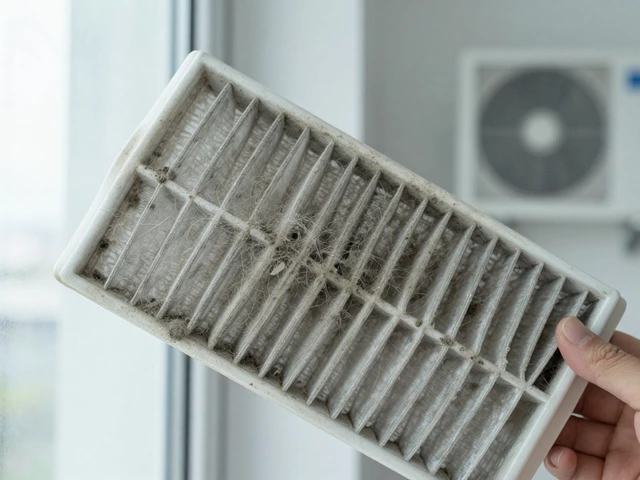
- Overheating: If the condenser coils are clogged with dust and pet hair, the compressor works harder to pump heat out. Eventually, it gets too hot and shuts down to prevent burning out.
- Stuck Relay: The start relay is a small plastic box attached to the compressor. It sends the initial jolt of electricity to get the motor spinning. If this relay sticks, the compressor hums but never starts, leading to a thermal shutdown.
- Door Seals Leaking: Warm air entering the freezer forces the compressor to run continuously without a break. Continuous running leads to fatigue and eventual lock-up.
If any of these scenarios sound familiar, a reset might be all it takes. However, if the compressor has physically burned out internally, no amount of resetting will bring it back. We’ll cover how to tell the difference later.
The Safe Way to Reset Your Freezer Compressor
This isn’t just about flipping the switch off and on. Electronics and motors need time to discharge residual energy and cool down. Follow these steps precisely.
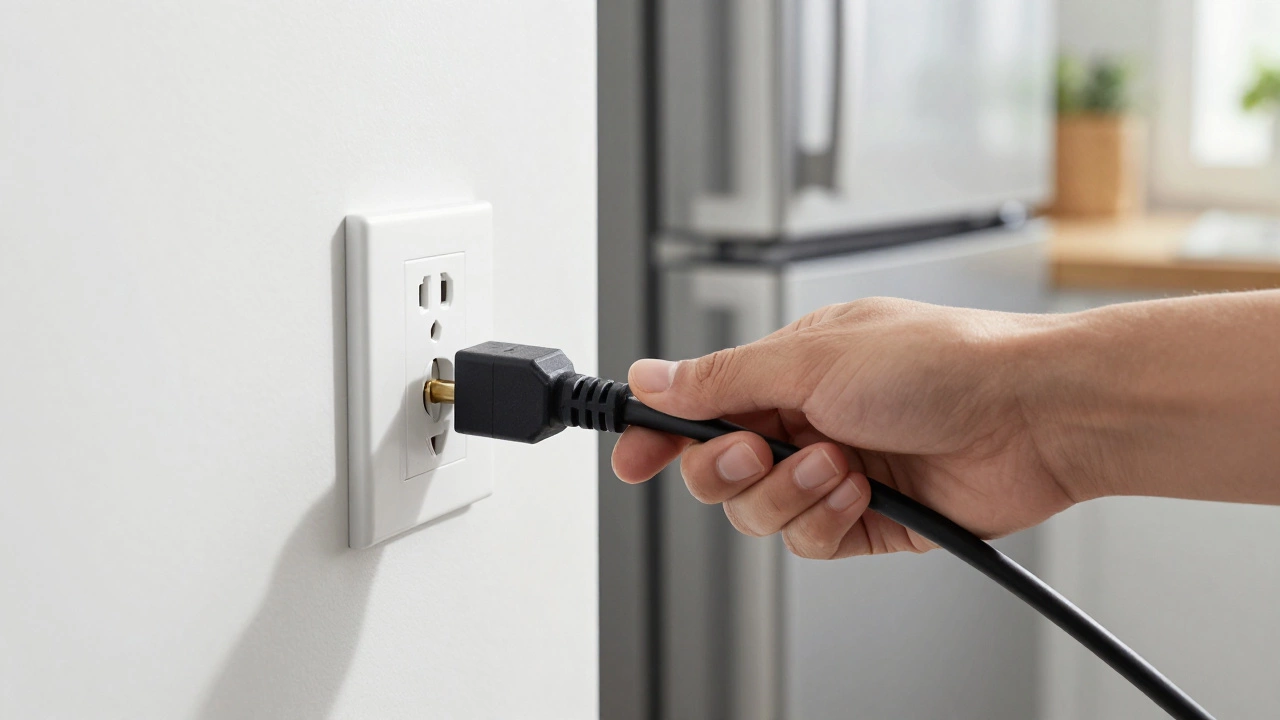
- Unplug the Unit: Do not just turn the dial to "Off." Pull the plug from the wall outlet. If the plug is behind the fridge and hard to reach, turn off the circuit breaker dedicated to the kitchen appliances. This ensures zero power is reaching the control board or compressor.
- Wait 5 to 10 Minutes: This is the critical step. Most people skip this. The overload protector needs time to cool down so its bimetallic strip can snap back into place. Five minutes is the minimum; ten is safer. While you wait, check the condenser coils (usually on the back or bottom front) for dust. Vacuum them if they look dirty.
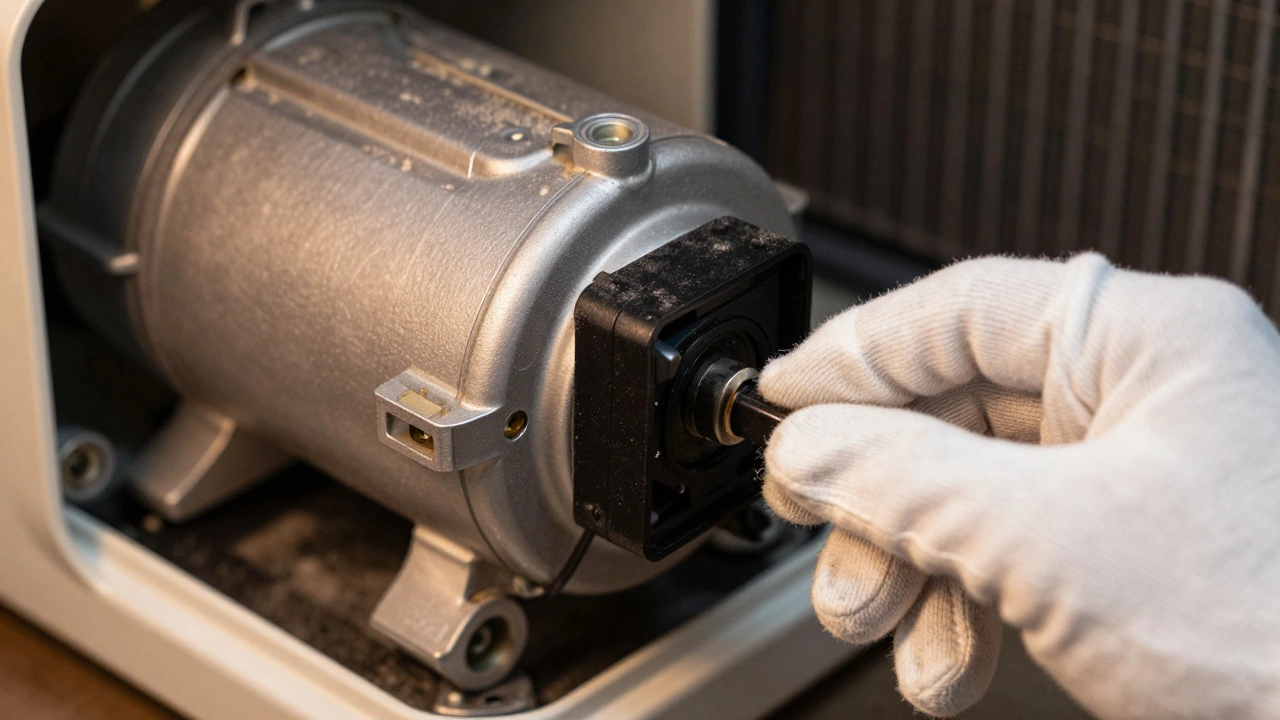
- Check the Start Relay: Locate the compressor. It’s usually at the back of the freezer, near the floor. Look for a small black or gray box clipped onto the side of the cylindrical compressor. Gently wiggle it. If it rattles, the internal contacts might be broken. If it feels loose, push it firmly back into place. A stuck relay often mimics a bad compressor.
- Restore Power: Plug the unit back in or flip the breaker. Listen closely. You should hear a click from the relay, followed by a low, steady hum from the compressor within 30 seconds.
- Monitor Temperature: Don’t open the door for at least two hours. Let the system stabilize. Check the temperature gauge after four hours. It should be dropping steadily.
If the compressor clicks but doesn’t start, or if it hums loudly for 10 seconds and then clicks off, the reset failed. This indicates a mechanical failure or a bad capacitor.
Understanding the Components Involved
To troubleshoot effectively, you need to know what you’re looking at. Here is a breakdown of the key parts involved in the starting sequence.
| Component | Function | Common Failure Sign |
|---|---|---|
| Compressor | Pumps refrigerant gas through the system | Loud humming, no cooling, or complete silence |
| Start Relay | Provides initial voltage boost to start the motor | Clicking noise, burnt smell, or rattling when shaken |
| Overload Protector | Cuts power if the compressor gets too hot | Unit shuts down intermittently during warm weather |
| Defrost Timer/Thermostat | Controls the automatic defrost cycle | Ice buildup on the back wall, loud gurgling noises |
Notice how the start relay is an electromechanical switch that initiates compressor movement. It is cheap and easy to replace. Many DIYers replace the entire compressor when they only needed a $15 relay. Always test the relay before condemning the compressor.
When a Reset Isn’t Enough: Diagnosing Deeper Issues
If you’ve waited 10 minutes, plugged it in, and heard nothing, or if the compressor runs but the freezer stays warm, the problem lies elsewhere. Here is how to narrow it down.
The Defrost System Failure
In frost-free freezers, ice builds up on the evaporator coils over time. A heater melts this ice periodically. If the defrost thermostat is a sensor that controls the defrost heater cycle fails, ice blocks the airflow. The compressor runs, but cold air can’t move. You’ll see a thick block of ice behind the interior panel. The fix here isn’t resetting the compressor; it’s manually defrosting the unit for 24 hours and replacing the faulty thermostat or heater.
Airflow Blockages
Check the vents inside the freezer. Are they covered by food packages? Air must circulate between the evaporator coils and the storage area. Blocked vents cause the thermostat to think the freezer is cold enough, shutting off the compressor prematurely, or causing short cycling where it turns on and off rapidly.
Refrigerant Leak
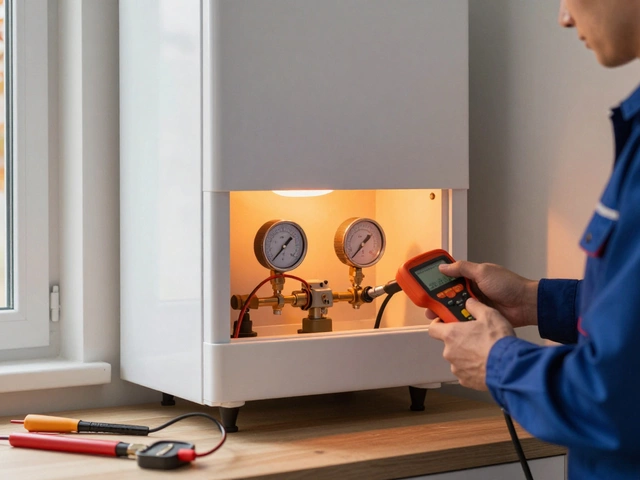
If the compressor runs constantly but the temperature never drops below freezing, you might have a leak. Refrigerant is sealed in the system. If it leaks out, the compressor has nothing to pump. You can’t add freon yourself legally or safely in most regions. This requires a professional technician to find the leak, repair it, and recharge the system.
Preventing Future Compressor Lock-Ups
Once you’ve got your freezer working again, take these steps to extend the life of the compressor. These are simple habits that save hundreds of dollars in repairs.
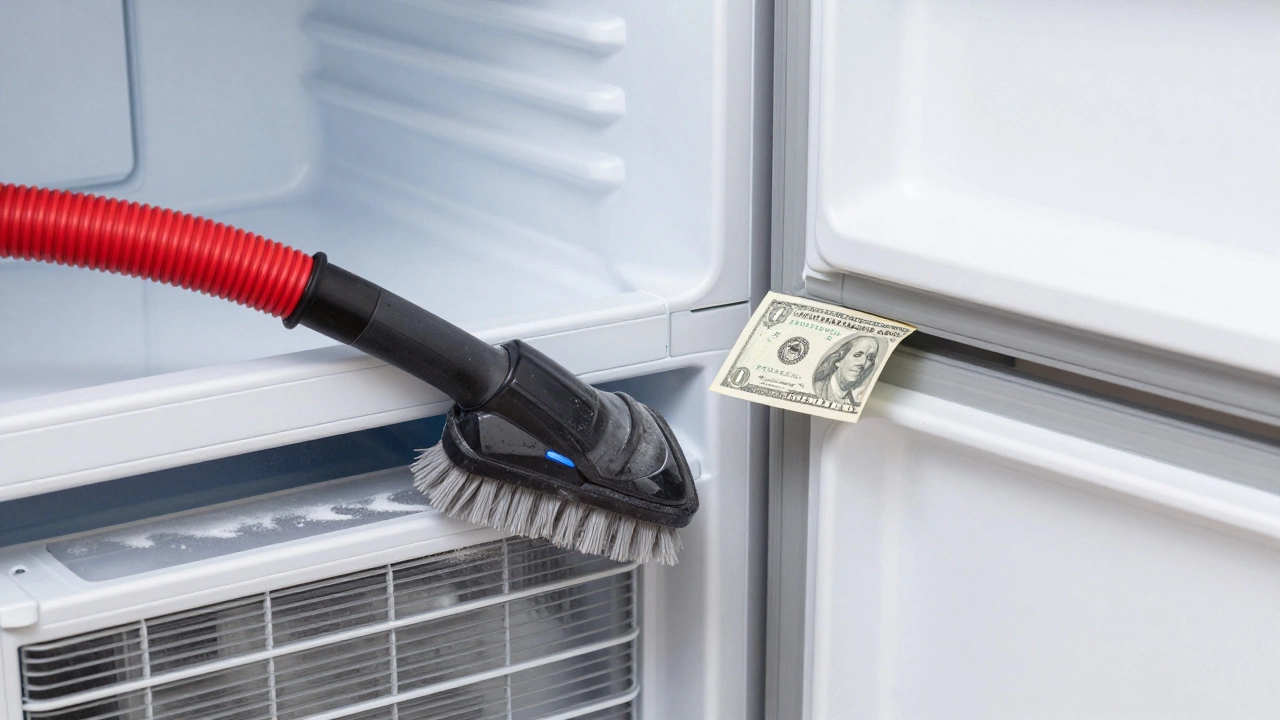
- Clean Coils Every Six Months: Dust acts as insulation. If the coils can’t release heat, the compressor works overtime. Use a coil brush or vacuum attachment to clean the rear or bottom coils twice a year.
- Check Door Seals Monthly: Close the door on a dollar bill. If you can pull it out easily, the seal is weak. Replace the gasket. Warm air infiltration is the number one killer of compressors.
- Maintain Stable Temperatures: Avoid setting the freezer colder than -18°C (0°F). Colder settings force the compressor to run longer cycles without providing significant benefit for food preservation.
- Use a Surge Protector: Plug your freezer into a high-quality surge protector strip. This shields the sensitive electronics and motor from voltage spikes that trip the overload protector.
Living in Auckland, where humidity can be high, moisture management is crucial. Ensure the drain tube at the back of the freezer isn’t clogged. A blocked drain causes water to pool around the compressor, potentially causing electrical shorts or corrosion over time.
Cost-Benefit Analysis: Repair vs. Replace
Before you buy parts, consider the age of your freezer. If it’s less than 10 years old, repairing the compressor or relay is usually worth it. If it’s older than 15 years, the efficiency drop might make a new unit cheaper in the long run due to energy savings.
Replacing a start relay costs between $20 and $50 including labor if you hire someone, or just the part cost if you do it yourself. Replacing a compressor can cost $300 to $600 in parts alone, plus significant labor. In many cases, buying a new entry-level freezer costs less than a compressor replacement job.
Can I reset my freezer compressor by just turning it off and on?
No, simply toggling the switch is rarely effective. The internal overload protector needs time to cool down. You must unplug the unit for at least 5 to 10 minutes to allow the thermal switch to reset properly. Flipping it quickly may not give the component enough time to recover.
What does it mean if my freezer compressor clicks but doesn't start?
A clicking sound usually indicates a faulty start relay or a bad start capacitor. The relay tries to engage the motor, fails, and disengages, creating a click. This is a common and inexpensive repair compared to a full compressor replacement. Try tapping the relay gently or replacing it.
How long should I wait before plugging my freezer back in after a reset?
Wait a minimum of 5 minutes, though 10 to 15 minutes is ideal. This pause allows the pressure in the refrigerant lines to equalize and gives the overload protector time to cool. Starting the compressor too soon against high pressure can damage the motor windings.
Is it safe to touch the freezer compressor?
Only if the unit is unplugged. When running, the compressor can get very hot-hot enough to burn skin. Also, ensure the area is dry. Never touch electrical components with wet hands. If the compressor is still warm after unplugging, let it cool before handling the relay or other attached parts.
Why does my freezer compressor run constantly?
Constant running suggests the freezer is struggling to reach the set temperature. Common causes include dirty condenser coils, a leaking door seal letting in warm air, or a failing thermostat. It could also indicate a low refrigerant charge due to a leak. Check the seals and coils first before assuming the compressor is bad.