Who Does What? Extractor Fan Installer Finder
Confused about who to call? Answer the questions below to find out which trade is required for your specific extractor fan situation.
You’ve got a noisy, rattling extractor fan in your bathroom that’s barely moving air. Or maybe you’re renovating and need a new one put in. You call a plumber because they were there fixing the sink last week, right? Wrong. This is one of the most common mix-ups homeowners make. The short answer is: no, plumbers do not typically install extractor fans. While they handle water, waste, and gas, the electrical work required for a fan belongs to an electrician.
But it’s not always that black and white. Sometimes a plumber can help with specific parts of the job, especially if it involves the external vent or complex ducting behind wet walls. If you hire the wrong person, you could end up with a fire hazard, a voided warranty, or a fan that just doesn’t pull moisture out of the room. Let’s break down exactly who does what, so you don’t waste money calling the wrong trade.
The Core Division of Labor
To understand why this confusion happens, you have to look at what each professional is licensed to do. In New Zealand, and most places globally, trades are strictly regulated for safety reasons.
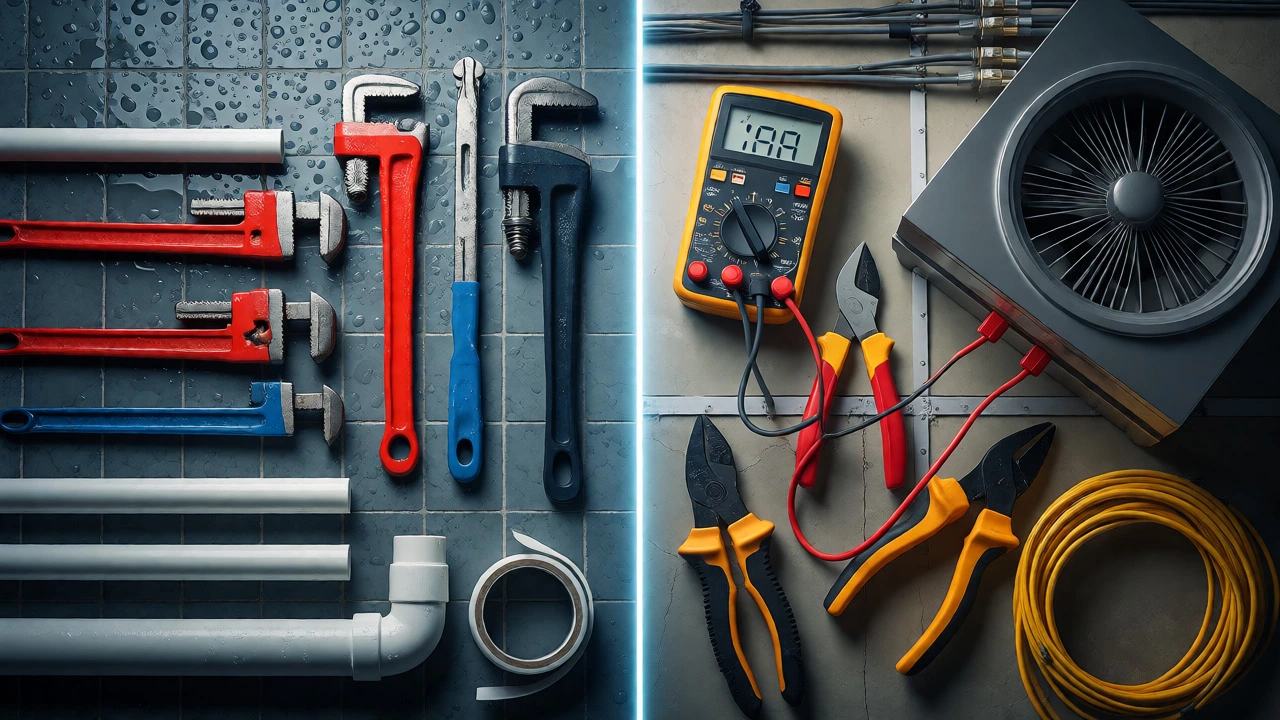
Plumbers are experts in fluid dynamics. They deal with pipes, pressure, drainage, and gas lines. Their training focuses on ensuring water flows where it should and sewage goes where it shouldn’t. They understand how to penetrate a wall for a pipe, but their toolkit isn’t designed for wiring circuits.
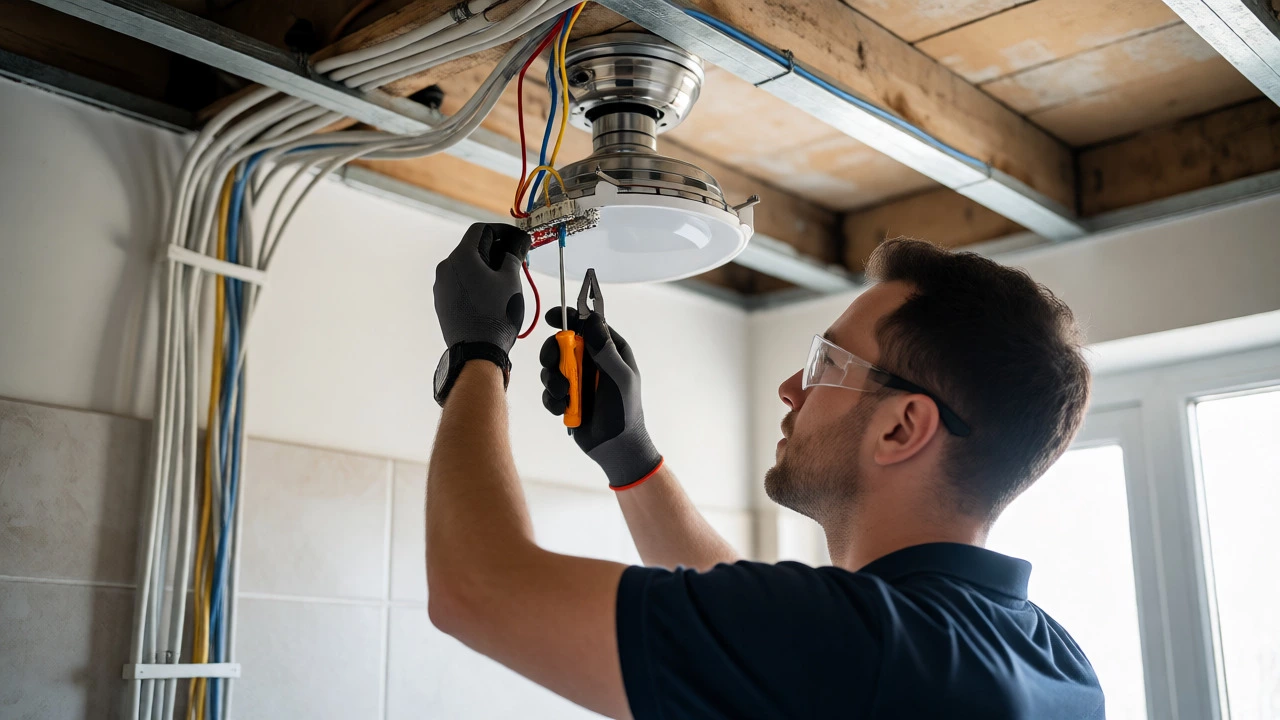
Electricians deal with voltage, amperage, and circuit integrity. An extractor fan is fundamentally an electrical appliance. It needs a dedicated circuit or connection to an existing lighting loop, proper earthing, and safe cable routing through ceiling joists. Only a registered electrician can legally perform fixed wiring work in most jurisdictions, including Auckland.
| Task Component | Primary Trade | Why? |
|---|---|---|
| Electrical Wiring & Connection | Electrician | Safety regulations require certified electrical work. |
| Ceiling/Wall Cutting (Access) | Both / Handyman | Requires care around pipes (plumber) and wires (electrician). |
| Ducting Installation | Electrician / HVAC Tech | Often done alongside wiring; requires roof/wall penetration skills. |
| External Vent Grille | Roof Plumber / Builder | If it penetrates the roof cladding, waterproofing is key. |
| Fan Unit Mounting | Electrician | Usually integrated with the final wiring phase. |
When a Plumber Might Actually Be Involved
So, when would you see a plumber touching your extractor fan? Rarely for the unit itself, but sometimes for the infrastructure around it.
Consider a scenario where the extractor fan vents through the roof. If the fan housing sits near plumbing stacks (those big vertical pipes carrying waste from toilets and sinks), a plumber might be needed to reroute a drain pipe that blocks the path for the new ducting. They aren’t installing the fan; they’re clearing the way.
Another edge case involves high-end smart home setups. Some modern bathroom systems integrate humidity sensors with shower valves. If the sensor triggers the fan automatically via a central control board, a plumber might wire the water-side trigger, while the electrician handles the power side. But even then, the final connection to the mains is almost always electrical.
Also, think about wet areas. In older homes, the layout might place the fan directly above a shower tray. If replacing the fan requires removing tiles or disturbing the waterproof membrane (tankering), a tiler or builder is often better suited than a plumber, unless the plumbing fixtures themselves need removal first.
Why Electricians Are the Default Choice
Most extractor fans come with a simple instruction manual: "Connect to live, neutral, and earth." That sounds easy enough for a DIYer, but here is the catch. In many regions, including New Zealand, you cannot legally connect fixed appliances to the mains yourself unless you are competent. Even if you are, an inspector might reject it without a certificate of compliance.
Electricians know how to isolate the correct circuit. Imagine trying to wire a fan into a bedroom light switch. If you get it wrong, the fan runs all night, draining energy and wearing out the motor. Or worse, you overload a circuit already handling a heater and hair dryer, tripping the breaker mid-shower.
They also understand airflow requirements. A good electrician won’t just hang the box; they’ll check if the existing wiring supports a timer or humidistat. Many fans now come with built-in timers that need a separate feed to keep running after the lights go off. An electrician knows how to wire this correctly using a switched spur or a fused connection unit.
The Hidden Cost of Hiring the Wrong Person
You might think, "My mate Dave is a plumber, he’s handy, he’ll do it for fifty bucks." Here is what usually goes wrong:
- Voids Warranty: Most manufacturers require installation by a qualified electrician. If the motor burns out because of poor wiring, the warranty claim gets denied.
- Fire Risk: Loose connections in a hot, humid bathroom environment create arcing. Over time, this can scorch insulation and start a hidden fire in the ceiling cavity.
- Mold Growth: If the fan isn’t wired to run long enough (due to incorrect timer settings or wiring), moisture lingers. Within six months, you’ll see black mold spots on the ceiling paint.
- Noisy Operation: Improper mounting or unsecured ducting causes vibration. A pro ensures the unit is isolated from the ceiling joists to prevent humming.
I once saw a homeowner try to bypass a fuse by twisting wires together under tape. Three weeks later, the smoke alarm went off. The tape had melted due to heat buildup. It cost them $400 in emergency electrical repair versus the $150 they saved upfront.
DIY vs. Professional Installation: Making the Call
Should you just buy a fan and do it yourself? It depends on your confidence level and local laws.
DIY is feasible if you are replacing a like-for-like unit in an accessible ceiling. If the old fan was plugged into a socket (rare for fixed units) or if you are simply swapping the faceplate and motor assembly while keeping the existing back-box intact, you might manage. You’ll need a screwdriver, drill, and perhaps some cable ties.
Hire a Pro if:
- You need to run new cables from the switchboard.
- The fan vents through the roof or exterior wall (requires drilling and flashing).
- You want a silent, high-CFM model that requires precise balancing.
- You live in a rental property (landlords usually mandate certified installs).
Step-by-Step: What Happens During a Standard Install
Knowing the process helps you ask the right questions when getting quotes. Here is the typical workflow for an electrician installing a bathroom extractor fan:
- Site Assessment: The electrician checks the location for obstructions (beams, pipes, insulation). They determine the best route for the ducting.
- Isolation: Power to the relevant circuit is turned off at the main switchboard.
- Removal: Old unit is disconnected and removed. The hole is cleaned up.
- Mounting: The new fan housing is secured to the joists using brackets or screws. Ducting is attached and routed to the exit point.
- Wiring: Live, neutral, and earth wires are connected to the terminal block. If a switch or timer is involved, those connections are made.
- Testing: Power is restored. The electrician tests the fan operation, checks for noise, verifies airflow, and ensures the switch controls it correctly.
- Certification: A Certificate of Electrical Work is issued (in NZ, this is mandatory for fixed installations).
Special Considerations for Auckland Homes
Living in Auckland brings its own set of challenges. Many older villas and bungalows have narrow ceiling cavities and no attic access. This makes retrofitting larger fans difficult. You might need a slim-profile inline fan instead of a standard ceiling-mounted unit.
Also, humidity here is intense. Salt air from the coast can corrode metal components faster. When choosing a fan, look for corrosion-resistant finishes or plastic housings. An electrician familiar with local conditions will recommend brands that withstand the coastal breeze, such as certain models from Broan-NuTone or Panasonic designed for high-humidity zones.
Don’t forget the building code. Since 2023 updates, ventilation standards in wet areas have tightened. Your new fan must meet specific airflow rates (liters per second) based on room volume. A generic hardware store fan might not pass inspection if you’re selling the house later. Always check the specs against the current NZ Building Code G3.
Troubleshooting Existing Fans
If your fan is already installed but acting up, do you need a plumber? Probably not. Try these steps first:
- Clean the Blades: Dust buildup weighs down blades and reduces efficiency. Remove the cover and wipe them down.
- Check the Switch: Sometimes the issue isn’t the fan, but a faulty wall switch. Flick it on and off repeatedly to see if it sticks.
- Listen for Bearings: A squealing noise means the motor bearings are dry. Often, it’s cheaper to replace the whole unit than repair the motor.
- Inspect the Duct: If the fan runs but no air comes out outside, the duct might be crushed or blocked by bird nests. This is a common issue in roofs.
If cleaning doesn’t work, and the fan doesn’t turn on at all, it’s likely an electrical fault. Test the outlet with another device. If power reaches the junction box but the fan stays dead, the motor is burnt out. Time to call an electrician for replacement.
Can I plug an extractor fan into a wall socket?
Some portable or surface-mounted fans come with plugs, but most permanent bathroom ceiling fans are hardwired. Plugging a hardwired fan into a socket requires an adapter and leaves loose cords, which looks messy and can violate electrical codes regarding fixed appliances. Always check the manufacturer's instructions.
How much does it cost to have an extractor fan installed?
In Auckland, expect to pay between $250 and $600 for a standard replacement install. This includes labor and basic materials. If new wiring or roof venting is needed, costs can rise to $800-$1,200. Prices vary based on accessibility and complexity.
Do I need a permit to install an extractor fan?
In New Zealand, you generally do not need a building consent for replacing a fan in the same location. However, the electrical work must be performed by a registered electrician who provides a Certificate of Compliance. If you are altering the structure significantly, consult your local council.
Why is my extractor fan making a loud noise?
Common causes include dust accumulation on blades, loose mounting screws vibrating against the ceiling, worn-out motor bearings, or a blocked duct creating back-pressure. Cleaning and tightening screws often solves it. If noise persists, the motor may need replacement.
Can a handyman install an extractor fan?
A handyman can physically mount the unit and attach ducting, but they cannot legally connect the mains electricity in many jurisdictions, including NZ. You would still need an electrician to do the final wiring and certification. It’s often more efficient to hire the electrician for the whole job.