Gas Hob Troubleshooting Assistant
Select the symptom that describes your problem to get a diagnosis and recommended action.
Diagnosis: -
-
Quick Troubleshooting Guide
Before you call a technician, check these common culprits. Often, the fix takes less than five minutes.
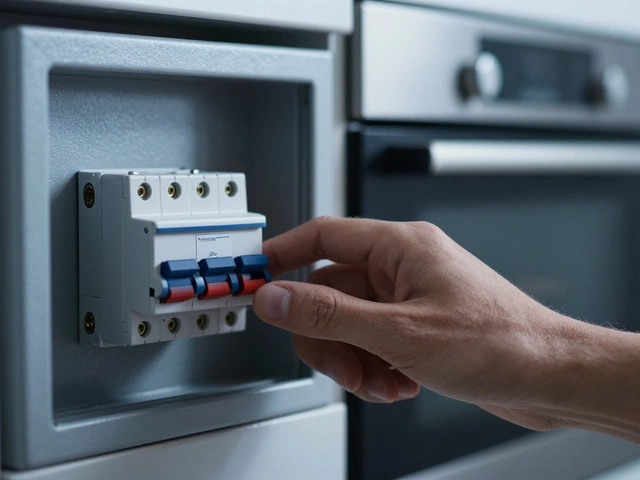
- Power check: If you have an electric ignition, is the plug pushed in? Did a circuit breaker trip?
- Gas supply: Check if other gas appliances in your home are working. If they aren't, your main valve might be shut.
- Burner caps: Are the caps sitting flat? If they're slightly tilted, the gas won't flow correctly to the igniter.
- Moisture: Did you just clean the hob? Wet igniters won't spark.
The Mystery of the Clicking Igniter
That rhythmic clicking is the sound of the Electric Ignition is an electronic system that creates a spark to light the gas mixture in a stove. If you hear the clicking but no flame appears, you likely have a fuel delivery issue. If you hear absolutely nothing, the electrical circuit is broken.
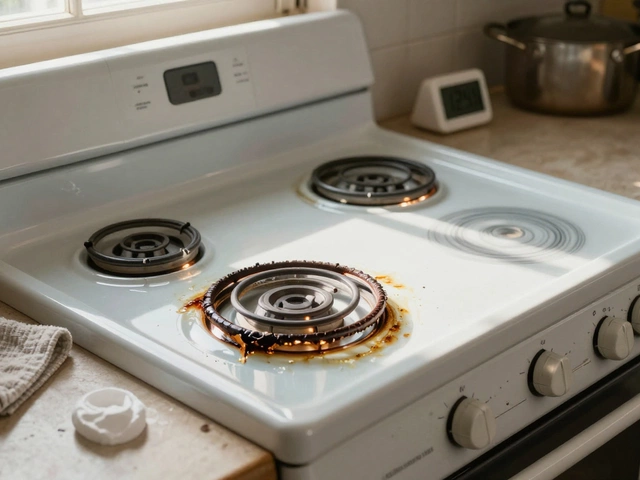
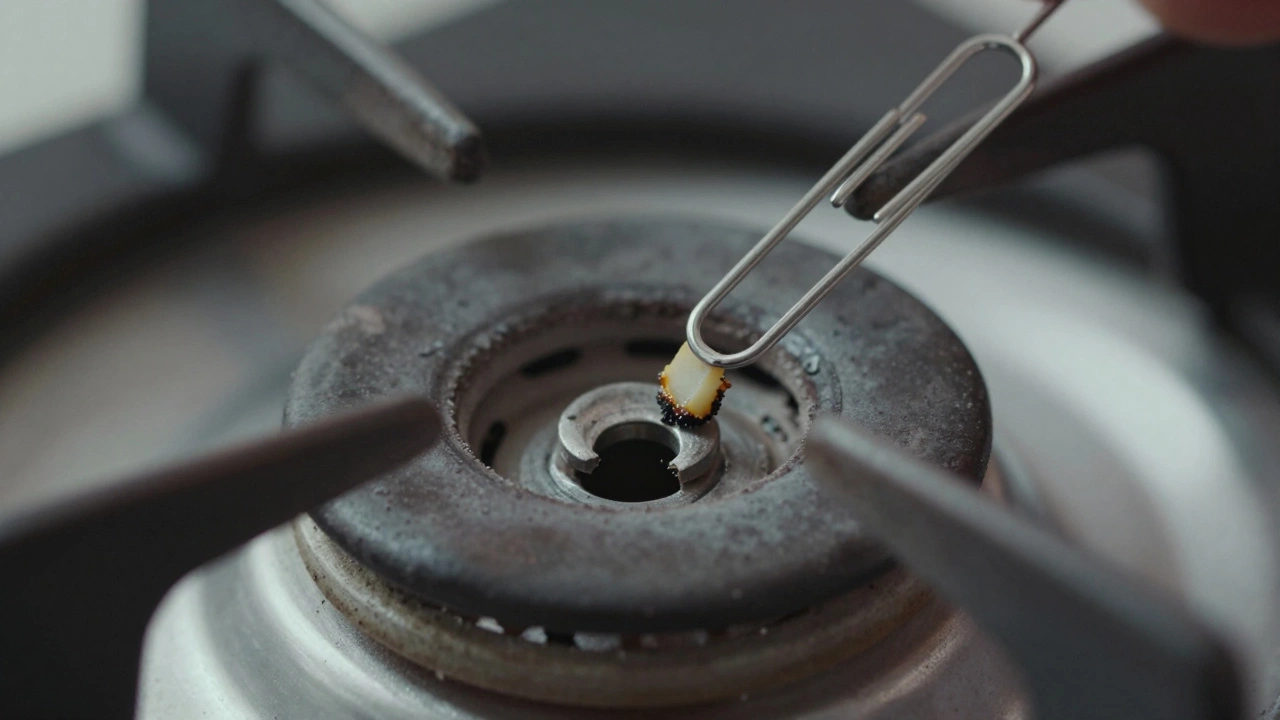
Dirt is the number one enemy here. Grease from frying bacon or boiling over pasta can clog the tiny holes in the burner head. When the gas can't reach the spark, you get a lot of noise but no heat. You can fix this by using a thin needle or a paperclip to clear out the small ports in the Burner Head. Just be careful not to enlarge the holes, as this can mess up the flame pattern and make your cooking uneven.
When the Flame Dies Immediately
Have you ever noticed that the flame lights up fine, but the second you let go of the knob, it goes out? This is almost always a problem with the Thermocouple is a safety sensor that detects heat and tells the gas valve to stay open. This little metal probe is a safety feature designed to prevent your house from filling with gas if the flame accidentally blows out.
If the thermocouple is dirty or bent away from the flame, it doesn't get hot enough to trigger the sensor. The system thinks the fire is out and shuts off the gas for your safety. Try cleaning the tip of the probe with a dry scouring pad to remove carbon buildup. If it's bent, you might be able to gently nudge it back into the path of the flame, but be careful-they are fragile.
Dealing with Clogged Gas Orifices
Inside your hob, there is a small brass piece called the Gas Orifice. This regulates exactly how much fuel enters the burner. Over time, dust, food particles, or even tiny spiders can crawl into these openings and block the flow. This results in a weak, flickering flame or a burner that simply won't light.
You can't usually fix this with a surface clean. You'll need to lift the burner cap and use a can of compressed air to blow out any debris. If that doesn't work, a professional might need to remove the orifice to clean it properly. Avoid sticking large objects into the orifice, as scratching the interior can lead to inconsistent gas pressure and dangerous "popping" sounds when you light the stove.
Comparing Common Gas Hob Failures
| Component | Symptom | Common Cause | Difficulty to Fix |
|---|---|---|---|
| Igniter | No clicking/no spark | Power failure or wet electrode | Easy |
| Thermocouple | Flame dies when knob is released | Carbon buildup or misalignment | Medium |
| Burner Head | Uneven flame / Won't light | Food debris / Grease clog | Easy |
| Gas Valve | No gas flow / Knob stuck | Mechanical failure / Seized parts | Hard |
The Role of Gas Pressure and Regulators
If all your burners are acting up at once-maybe the flames are unusually low or they keep flickering-the problem is likely upstream. Your Gas Regulator is a device that controls the pressure of the gas flowing from the main supply to the appliance. If this component fails, your hob won't get the consistent pressure it needs to maintain a steady flame.
This is a high-risk area. Unlike cleaning a burner cap, you should never attempt to tinker with the regulator or the main gas lines yourself. If you smell gas (a sulfur-like egg smell) or notice a significant drop in pressure across all appliances, shut off the main gas valve immediately and call a certified technician. Gas leaks are a serious hazard and require professional leak-detection tools to solve safely.
Maintenance Tips to Prevent Future Breakdowns
Preventing a breakdown is much easier than fixing one. Most gas hob issues are caused by neglect. To keep things running smoothly, create a simple habit of cleaning the burner heads every few weeks. Use a soft brush to remove crumbs and grease before they bake onto the metal.
Avoid using excessive amounts of liquid cleaner directly on the igniters. If you spray a degreaser onto the hob, wipe it up quickly. Liquid that seeps into the Ignition Module can cause a short circuit or lead to corrosion of the electrical contacts. If you do spill something, let the hob dry completely for 24 hours before trying to light it again.
Why does my gas hob make a clicking sound but not light?
This usually means the electrical spark is working, but the gas isn't reaching the spark. Check if the burner cap is seated correctly and ensure the small gas ports in the burner head aren't blocked by grease or food debris. If the ports are clear, you may have a problem with the gas supply or a clogged orifice.
What should I do if the flame goes out as soon as I let go of the knob?
This is a classic sign of a faulty or dirty thermocouple. The thermocouple is a safety sensor that must be heated by the flame to keep the gas flowing. If it's covered in carbon or is bent away from the flame, it won't register the heat. Try cleaning the metal probe with a dry scouring pad or a soft brush.
Is it safe to light my gas hob with a match if the igniter is broken?
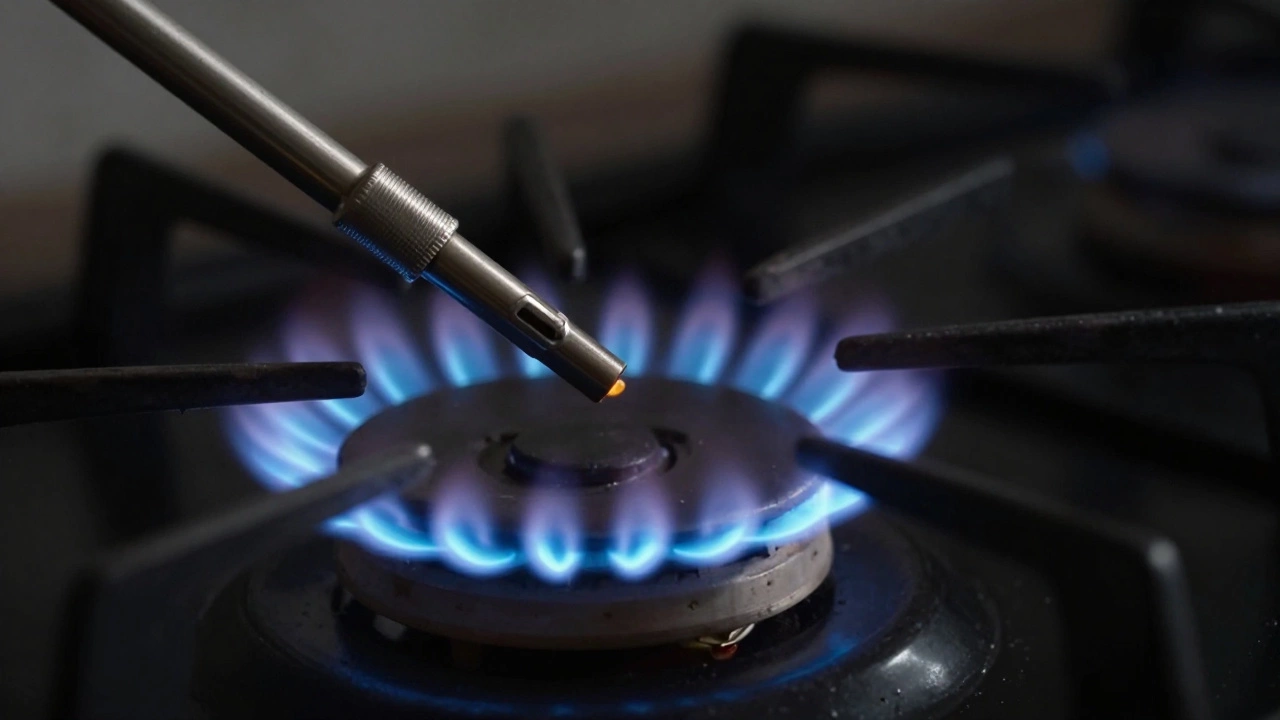
Yes, it is generally safe to use a long match or a handheld lighter as a temporary workaround. However, you must be cautious not to let gas build up for too long before introducing the flame. If you smell a strong scent of gas, ventilate the room and wait a few minutes before attempting to light it.
How often should I service my gas hob?
While you don't need a professional service every year, a basic cleaning of the burner heads every month prevents most common failures. A professional safety check is recommended every 2-3 years to ensure there are no slow leaks in the connections and that the regulator is functioning correctly.
Can I replace the thermocouple myself?
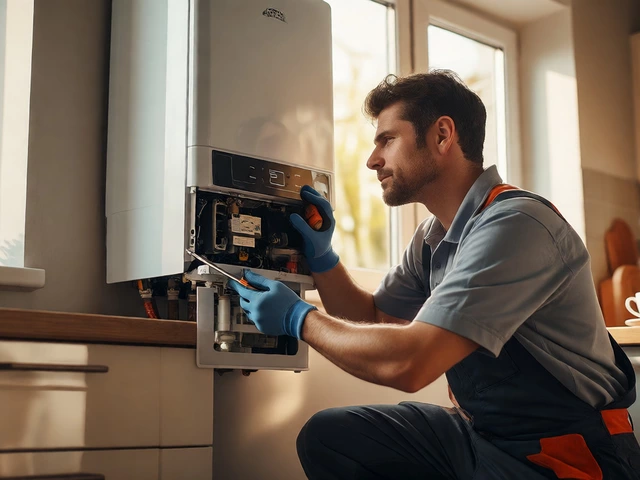
While it's technically a simple part, replacing a thermocouple involves accessing the gas valve. Because this involves the fuel line, it is highly recommended that a certified gas technician performs the replacement to ensure the connection is airtight and safe.
Next Steps and Troubleshooting
If you've cleaned the burners and checked the power but still have no flame, it's time to determine if the issue is isolated or systemic. Try lighting a different burner. If only one burner is failing, the problem is local to that specific burner head, igniter, or thermocouple. If all burners are dead, the issue is likely the main gas supply or the central ignition module.
For those in rental properties, check your lease before attempting any repairs beyond basic cleaning. Many jurisdictions require gas work to be performed by licensed professionals for insurance and safety reasons. If you're a homeowner, a quick check of your gas meter can tell you if there's a supply issue. If the meter isn't moving while the knob is turned, you're not getting gas to the appliance.