Hot Water Heater Troubleshooter
Answer the questions below to diagnose the most likely cause of your issue.
1 What type of water heater do you have?
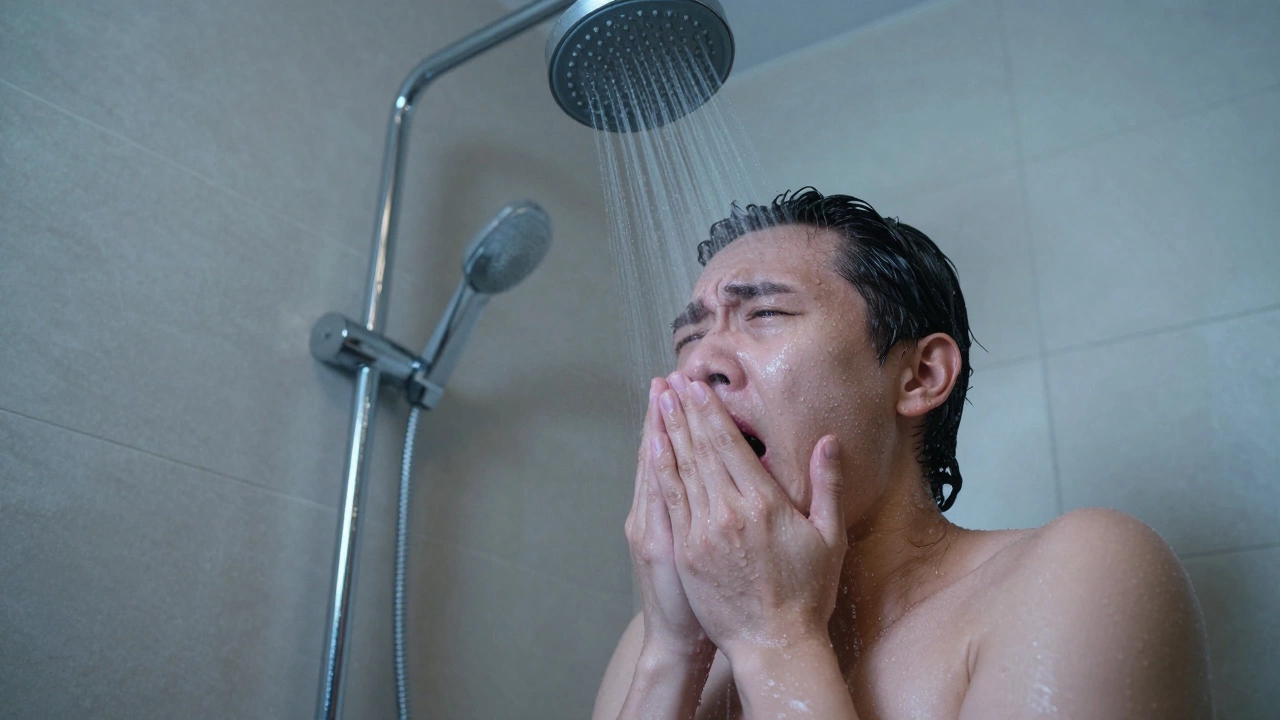
There is nothing worse than stepping into a shower and getting blasted with ice-cold water. You check the thermostat, turn it up, and wait. Nothing happens. The tank stays cold. The burner doesn’t fire. If you are asking why your hot water heater won't kick on, you are likely dealing with one of three things: a power issue, a gas supply problem, or a safety sensor that has shut the system down to prevent a disaster.
The good news is that in about 70% of cases, this is not a catastrophic failure requiring a new unit. It is often a tripped switch, a dirty sensor, or a blown fuse. Before you call a technician and pay an hourly diagnostic fee, you can run through a logical checklist to identify the culprit. This guide walks you through the most common reasons your water heater refuses to ignite, starting with the easiest fixes and moving to the more complex mechanical failures.
Check the Power Source First
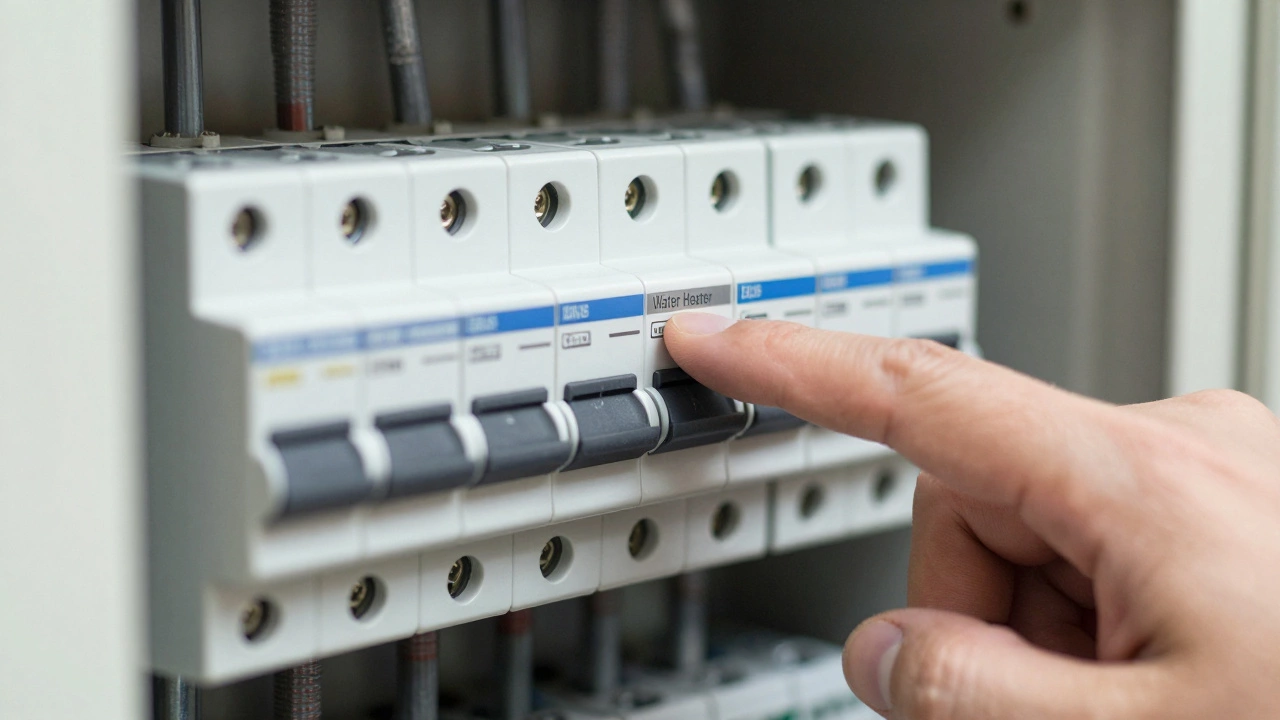
Before tearing apart panels or adjusting valves, look at the basics. Electricity and gas don't just stop flowing because they feel like it; something interrupted the path. For electric units, the first place to look is your home’s circuit breaker panel. Look for a breaker labeled "Water Heater" or "WH." If it is in the middle position (tripped), flip it fully off and then back on. If it trips immediately again, you have a short circuit inside the heating element or wiring, which requires a professional.
If you have a gas water heater, electricity is still needed to operate the ignition system, digital display, and sometimes the fan. Check if the unit is plugged in. Many modern gas heaters have a small transformer or control board that needs 120V AC to function. If the display is blank, check the outlet. A loose plug or a tripped GFCI outlet nearby can kill the power to the brain of the water heater without affecting the rest of the house.
The Pilot Light: Is It Lit?
For older gas water heaters, the pilot light is the heart of the system. It is a small, continuous flame that ignites the main burner when hot water is drawn. If the pilot light is out, the water heater will not kick on. Stand close to the access panel and look through the sight glass. Do you see a blue flame?
If the pilot is out, try to relight it. Follow the instructions on the label near the gas valve. Usually, this involves turning the gas control knob to "Pilot," pressing the knob down to release gas, and using a long lighter or match to ignite the pilot. Hold the knob down for 30 to 60 seconds after ignition, then release. If the flame goes out as soon as you let go, the problem is likely the thermocouple, which is a safety device that detects the presence of the pilot flame and keeps the gas valve open.
A failing thermocouple is the number one reason pilots won't stay lit. Over time, these copper rods degrade due to heat cycles. They are inexpensive parts-usually costing less than $20-and easy to replace if you are comfortable with basic tools. If the pilot lights but dies instantly, swap the thermocouple before calling anyone else.
Modern Ignition Systems: Spark and Hot Surface
Newer gas water heaters (manufactured after 2015) rarely use standing pilot lights. Instead, they use intermittent ignition devices. There are two main types: spark ignition and hot surface ignition. When you turn on a hot tap, the flow switch signals the control board to start the ignition sequence.
Listen closely. Do you hear clicking sounds? If you hear rapid clicking but no flame, the igniter is working, but the gas isn't lighting. This could be a blocked burner orifice, a faulty gas valve, or an air gap issue. If you hear no clicking at all, the problem is upstream. The control board might not be sending the signal, or the flame sensor is dirty.
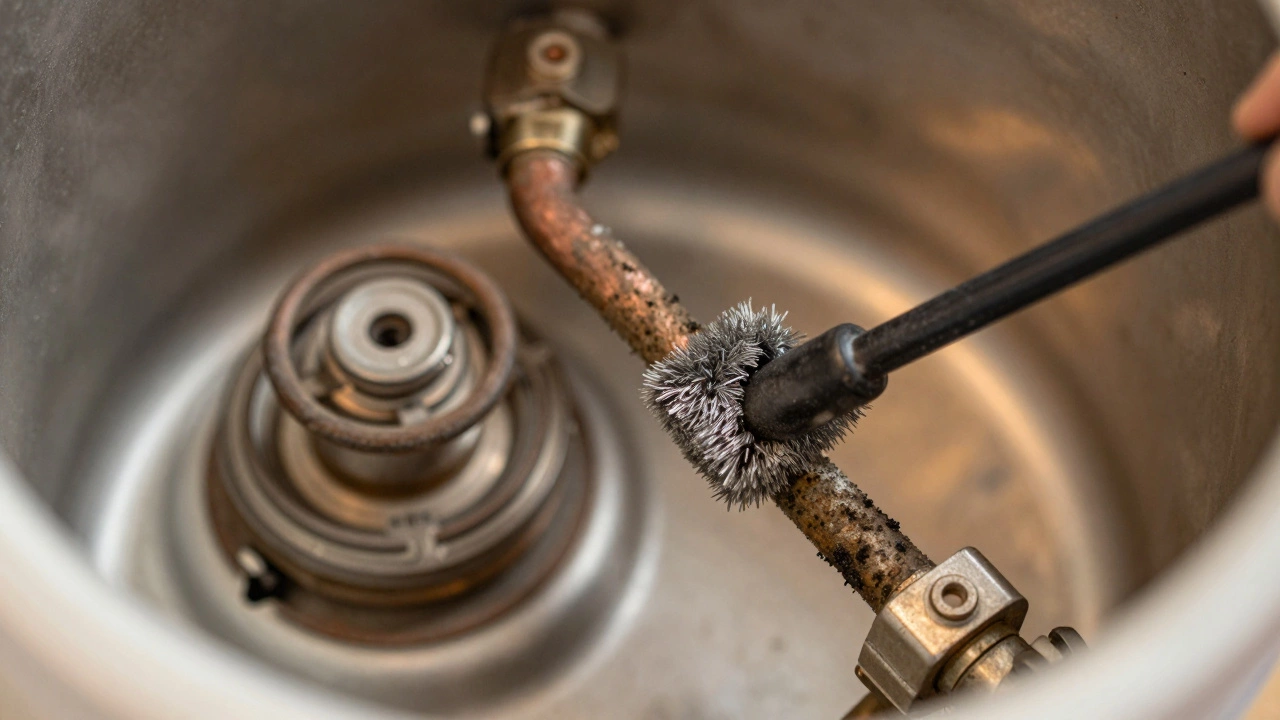
Flame sensors are metal rods located near the burner that verify the flame is present and allow the gas valve to remain open. Unlike thermocouples, flame sensors do not generate their own voltage; they rely on a micro-current created by the heat of the flame. If this sensor gets coated in soot or mineral deposits, it cannot detect the flame. The control board thinks there is no fire and shuts off the gas to prevent a leak. Cleaning the flame sensor with fine steel wool or emery cloth often resolves this issue instantly.
The Reset Button and High-Limit Switch
Every water heater has a safety feature called the high-limit switch. Its job is to cut off the energy source if the water temperature gets dangerously high, preventing scalding or pressure buildup. Sometimes, this switch trips unnecessarily due to sediment buildup causing overheating, or a temporary surge in voltage.
Look for a red button on the front of the gas control valve or near the electrical box on electric units. This is the reset button. If the switch has tripped, the button may have popped out. Press it firmly. You might hear a click. Wait a few minutes to see if the heater kicks on. If it resets and works for a day or two, then trips again, you have a deeper issue, likely related to sediment or a failed thermostat.
Sediment Buildup: The Silent Killer
If your water heater is more than five years old and you live in an area with hard water, sediment is probably your enemy. Minerals like calcium and magnesium settle at the bottom of the tank. Over time, this layer acts as an insulator between the heating element (or burner) and the water.
For electric heaters, the lower heating element gets buried in sludge. It tries to heat the sediment instead of the water. The temperature rises rapidly, tripping the high-limit switch or burning out the element. For gas heaters, the sediment causes the metal floor of the tank to overheat and warp, leading to inefficient heating and eventual leaks. Flushing the tank annually removes this sediment and restores efficiency. If you haven't flushed it in years, draining it now might reveal a thick layer of grit.
Thermostat Failure
The thermostat tells the water heater when to turn on and off. If it fails, the heater won't know it's time to heat. In electric models, there are usually two thermostats-one for the upper element and one for the lower. If the upper thermostat fails, the whole tank might stay cold. If the lower thermostat fails, you might get some hot water from the top dip tube, but it will run out quickly.
Gas water heaters have a single gas control valve that houses the thermostat. If the dial turns but the internal mechanism is stuck or broken, no gas flows. Testing a thermostat requires a multimeter to check for continuity. If the thermostat shows no continuity at a set temperature above the current water temp, it needs replacement.
When to Call a Professional
You should stop DIY troubleshooting and call a licensed plumber or HVAC technician if:
- The breaker trips repeatedly after resetting.
- You smell gas. Evacuate the house and call the gas company immediately.
- The tank is leaking water from the bottom.
- You are uncomfortable working with gas lines or electrical components.
- The unit is under warranty, as DIY repairs may void coverage.
Professional technicians have specialized tools like manometers to test gas pressure and megohmmeters to test insulation resistance in elements. They can also diagnose issues with the venting system, which can cause oxygen depletion sensors to shut down the heater.
How long does it take for a water heater to heat up after resetting?
It typically takes 30 to 60 minutes for a standard 40-50 gallon tank to reach full temperature. If you have a tankless unit, hot water should arrive within seconds once the ignition sequence completes.
Can a bad pressure relief valve cause the heater not to turn on?
No, a faulty pressure relief valve usually causes water leakage, not ignition failure. However, if the valve is stuck open, it could drain the tank, causing the heater to overheat and trip the high-limit switch.
Is it safe to relight the pilot light myself?
Yes, if you follow the manufacturer's instructions carefully. Ensure there is no smell of gas before attempting to light it. If the pilot does not stay lit after three attempts, stop and call a professional.
Why does my water heater make a clicking sound but not heat?
Clicking indicates the igniter is trying to create a spark. If it clicks continuously without lighting, the gas valve may not be opening, the gas supply might be off, or the flame sensor is too dirty to detect the initial flame.
How much does it cost to fix a water heater that won't turn on?
Simple fixes like replacing a thermocouple or cleaning a flame sensor can cost $100-$200 in labor and parts. Replacing a control board or heating element can range from $200 to $500. Diagnostic fees vary by region but are often waived if you proceed with the repair.