
Do You Need a Gas Engineer to Replace a Gas Hob?
April 11 2025Mold Prevention: How to Stop Mold Before It Starts in Your Home
When you think of mold prevention, the practice of stopping harmful mold growth in homes through moisture control and proper ventilation. Also known as mold control, it's not about cleaning visible spots—it’s about stopping the problem before it begins. Mold doesn’t just show up out of nowhere. It thrives where there’s moisture, poor airflow, or hidden leaks. A damp basement, a leaky pipe behind a wall, or even a bathroom without proper ventilation can turn into a mold factory in weeks.
Moisture control, the process of reducing excess humidity and water buildup in living spaces is the #1 rule. If your windows fog up in the morning, your towels stay damp for days, or you notice a musty smell in the hallway, you’re already fighting mold. Fixing leaks isn’t enough—you need to dry out the air. Use exhaust fans when you shower or cook. Open windows when weather allows. Run a dehumidifier in basements or laundry rooms. These aren’t fancy fixes. They’re basic habits that stop mold before it takes root.
Ventilation, the movement of air through a space to remove moisture and stale air is just as important. Many homes are sealed tight for energy efficiency, but that traps moisture inside. Without airflow, water vapor from showers, cooking, and even breathing lingers in the air and settles on walls, ceilings, and furniture. That’s where mold grows. Simple fixes like installing a bathroom fan, cleaning vent ducts, or even propping a door open after showering can make a huge difference.
Mold prevention isn’t about buying expensive cleaners or hiring professionals every time you see a dark spot. It’s about understanding the conditions mold needs—and removing them. You don’t need to be a contractor to stop it. You just need to pay attention to your home’s moisture levels. Check under sinks. Look behind appliances. Watch for peeling paint or warped baseboards. These aren’t just cosmetic issues—they’re red flags.
And it’s not just about your walls. Mold can grow inside your washing machine, behind your fridge, or in your HVAC system if humidity isn’t managed. The same principles apply everywhere: dry it out, move the air, fix the source. The posts below show real cases—how one homeowner stopped recurring mold by replacing a faulty extractor fan, how another avoided a boiler-related damp issue by checking condensation pipes, and how simple maintenance on water heaters can prevent hidden leaks that lead to mold.
What you’ll find here aren’t quick fixes. They’re practical, proven steps taken by real people in homes just like yours. No fluff. No scare tactics. Just clear, actionable ways to keep your home dry, safe, and mold-free.
 7 Dec
7 Dec
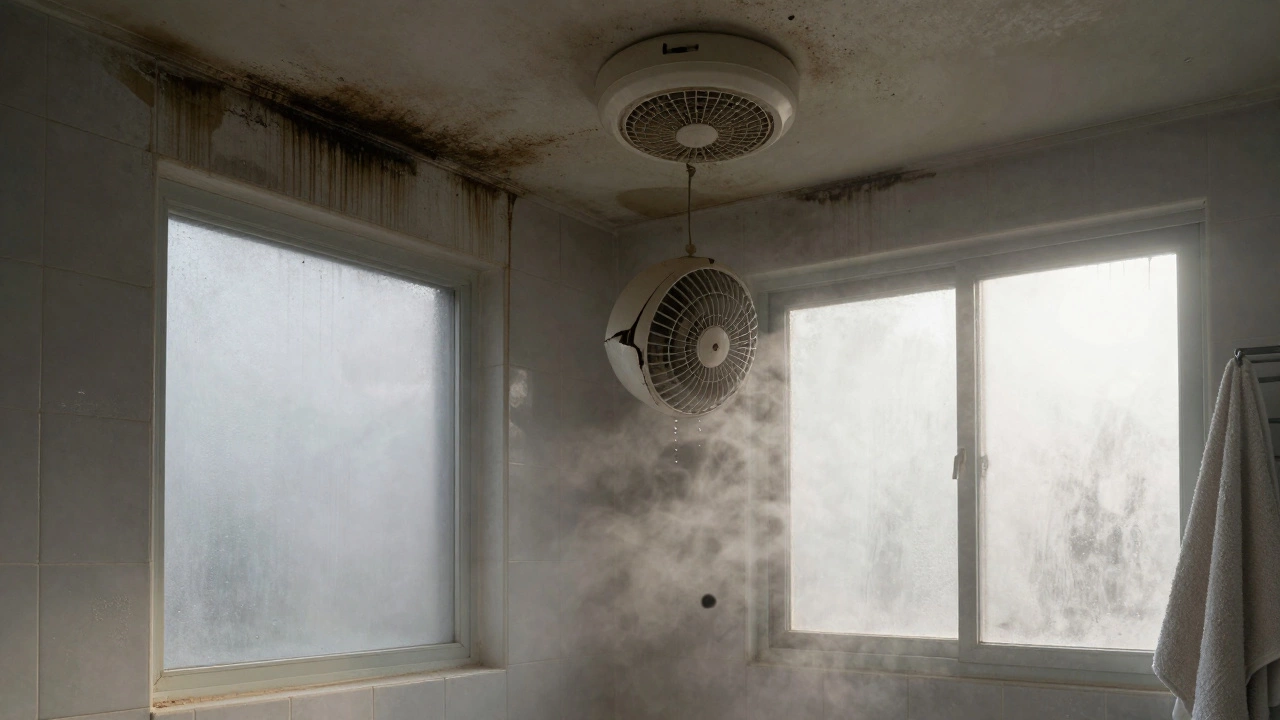
Is It OK Not to Have an Extractor Fan? What You Need to Know
Skipping an extractor fan might seem harmless, but moisture buildup leads to mold, structural damage, and health risks. Learn why every kitchen and bathroom needs proper ventilation-and what to do if yours is broken.
Read More...