What Are Common Faults with Electric Ovens? Fix These Issues Before Calling a Pro
October 29 2025Electric Oven Problem? Common Fixes and When to Call a Pro
When your electric oven, a kitchen appliance that uses electric current to generate heat for cooking. Also known as electric range, it's one of the most relied-on appliances in the home. stops working, it’s rarely a mystery—usually it’s one of three things: a broken heating element, a faulty thermostat, or a tripped circuit. These aren’t rare failures. In fact, over 60% of electric oven problems fall into just these categories, according to repair data from UK service logs. You don’t need to replace the whole unit right away. Most of the time, it’s a simple, cheap fix.
Let’s talk about the heating element, the coil inside the oven that glows red-hot to generate heat. It’s the part that takes the most abuse. Over time, it cracks, burns out, or loses connection. If your oven doesn’t heat up at all—or only heats on one side—the element is the first thing to check. Replacing it costs between £50 and £120, depending on the model. You can do it yourself if you’re comfortable turning off the power and unplugging the oven. Just match the part number, disconnect the old one, and snap in the new one. No special tools needed.
Then there’s the oven thermostat, the sensor that tells the oven when to turn on or off to maintain the right temperature. If your oven runs too hot, too cold, or doesn’t hold temperature, the thermostat might be off. It’s not always broken—sometimes it just needs recalibrating. But if the oven’s way off (like 50°F too hot), it’s likely time to replace it. A bad thermostat can wreck your baking, burn food, or even trip the breaker. Testing it takes a multimeter, but if you don’t have one, it’s easier to swap it out than to guess.
Don’t forget the door seal. A worn or cracked gasket lets heat escape, making the oven work harder and longer to cook food. That’s not just inefficient—it’s a hidden cost on your energy bill. Check it by closing a piece of paper in the door. If you can pull it out easily, the seal’s gone.
Some people panic when the oven stops working and assume it’s time for a new one. But that’s often not true. Most electric ovens last 15 to 20 years. If yours is under 10, repairing it almost always makes more sense than replacing it. Even if you’ve had it 12 years, a £70 element replacement is a better deal than a £1,000 new oven.
There are times to call a pro—like if the control panel is dead, the display is glitching, or you smell burning plastic. Those aren’t DIY fixes. But for the big three: no heat, uneven heat, or temperature issues? You’ve got a good shot at fixing it yourself. The posts below walk you through real cases—how one person replaced their element in under an hour, how another found their thermostat was just dirty, and why a cracked door seal was costing them £30 a month in wasted energy. You’ll see exactly what to check, what tools to use, and when to stop tinkering and call someone with a license.
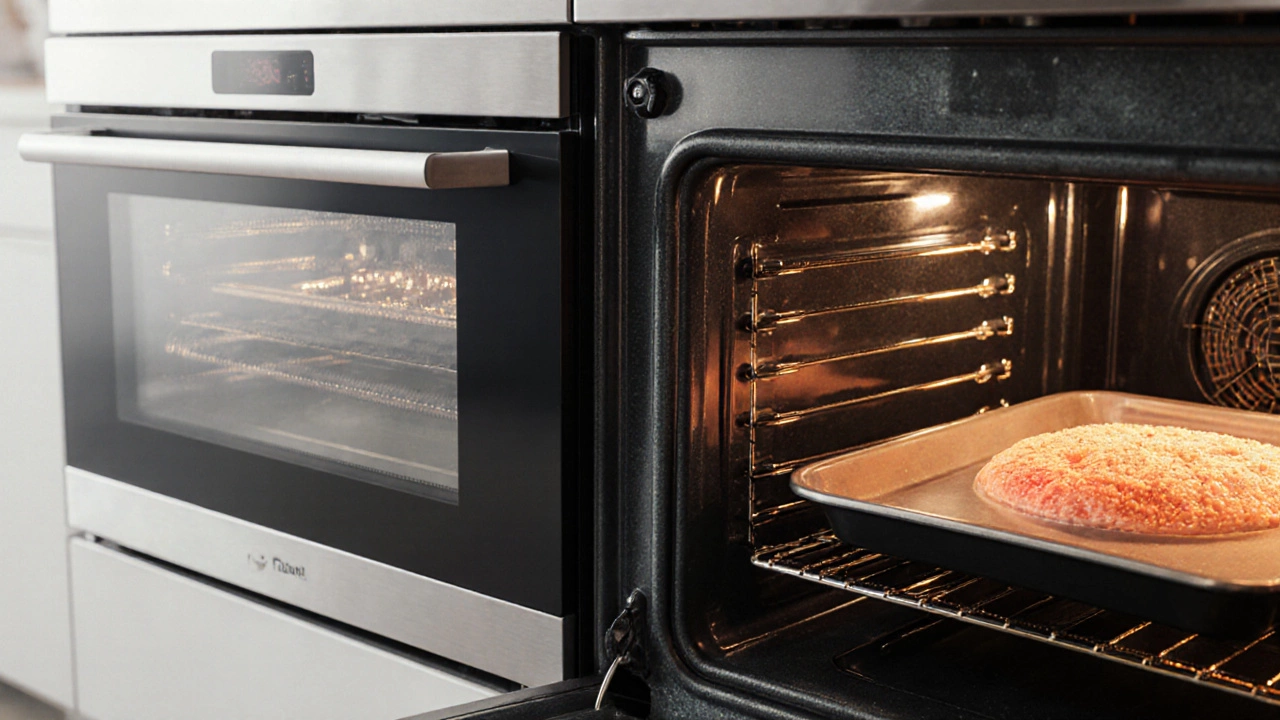 17 Nov
How to Identify an Electric Oven Problem: Common Signs and Quick Checks
Learn how to spot common electric oven problems like no heat, uneven cooking, or strange smells. Simple checks can save you a repair bill-or tell you when it's time to replace it.
Read More...POPULAR POSTS
Heat Pump Compressor Replacement Cost: 2025 Prices & Guide
October 8 2025
Hot Water Heater Stops Working? Common Reasons & Fixes
October 19 2025

Is It Worth Repairing a 5-Year-Old Oven?
March 28 2025