Electric Oven Repair vs. Replace Decision Tool
1. Cost & Age Details
2. Condition Check
Check any that apply. These are major red flags for replacement.
Analyzing...
Please enter valid data to see recommendations.
Financial Analysis
Risk Factors
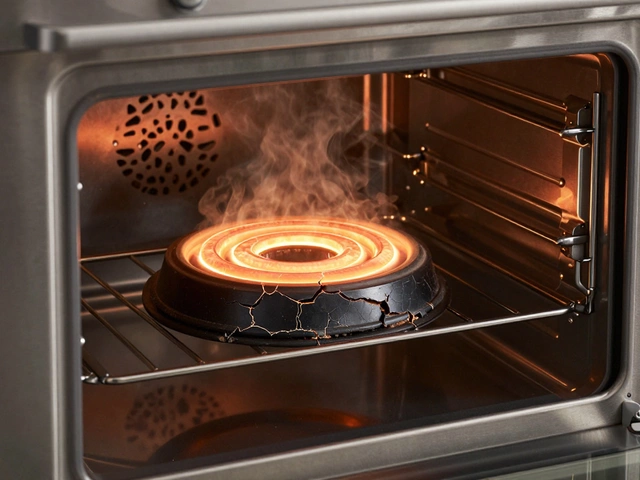
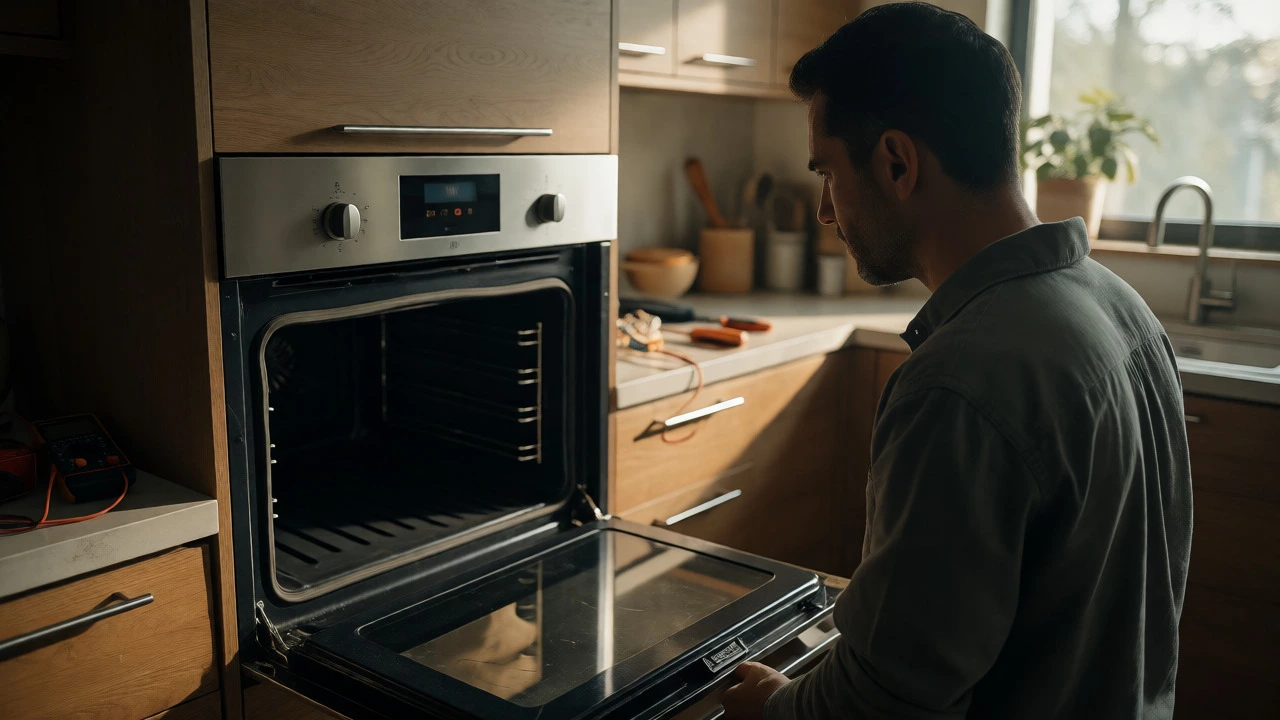
You stand in your kitchen, staring at the cold interior of your electric oven. The door is open, and that familiar smell of burnt food lingers. You know it’s broken, but you don’t know if it’s dead or just tired. This is the classic homeowner dilemma: spend money to fix it, or spend more to buy a new one?
Here is the brutal truth most repairmen won’t tell you upfront: for many modern electric ovens, replacement is often cheaper than repair. But not always. If you have a high-end built-in model or a specific issue like a faulty door seal, fixing it makes total sense. If you have a budget freestanding unit with a fried control board, you might be throwing good money after bad.
The 50% Rule: Your First Filter
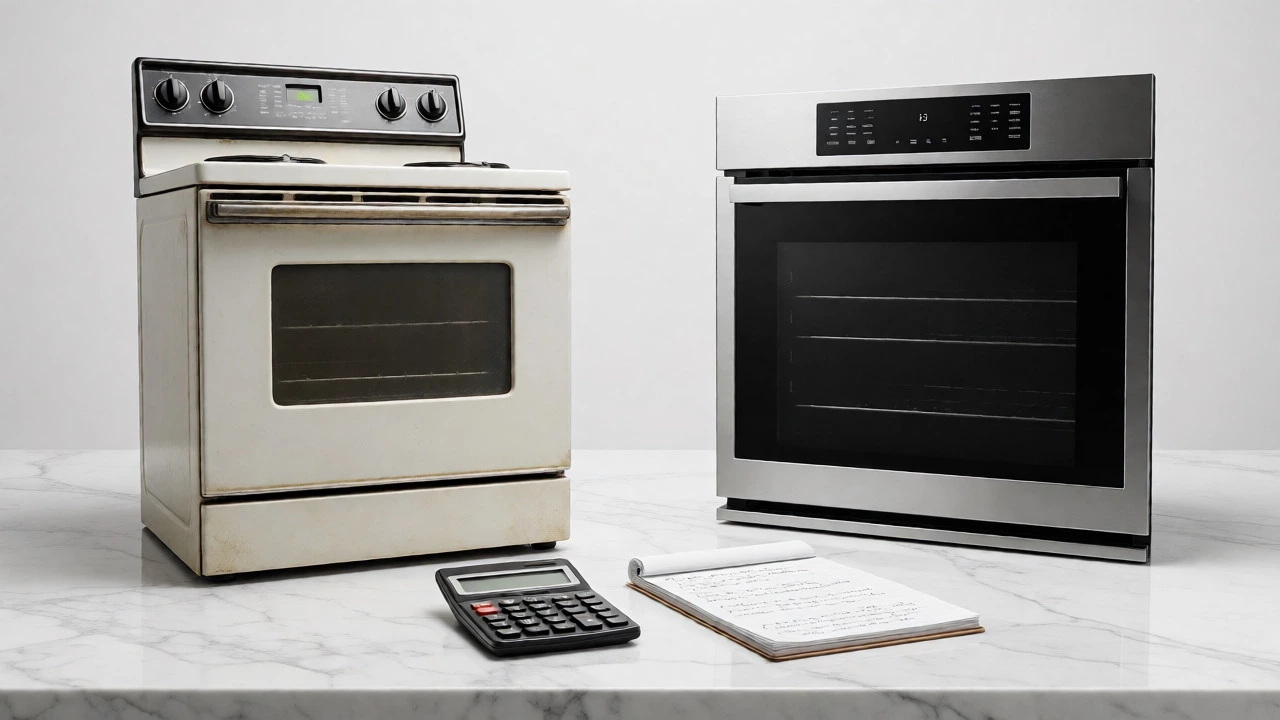
Before you call anyone, do this quick math. Look up the current price of a comparable new oven. Then, get a rough estimate for the repair (parts plus labor). If the repair costs more than 50% of the price of a new unit, walk away. Buy the new one.
Why 50%? Because appliances depreciate fast. A five-year-old oven has already lost most of its value. Spending $300 to fix a $600 oven leaves you with a machine that could break again next month on a different part. You’re paying premium prices to keep a depreciating asset alive. However, if the repair is under $150, go ahead. That’s cheap insurance against buying a whole new kitchen appliance.
Which Parts Are Cheap to Fix vs. Expensive to Replace?
Not all breakdowns are created equal. Some components are inexpensive and easy to swap; others are complex and costly. Knowing which part failed changes the entire equation.
| Component | Avg. Repair Cost (USD) | Fix It? | Why? |
|---|---|---|---|
| Door Seal/Gasket | $50 - $150 | Yes | Cheap part, improves energy efficiency immediately. |
| Heating Element | $150 - $300 | Maybe | Depends on oven age. If oven is <5 years old, yes. |
| Thermostat/Sensor | $150 - $250 | Yes | Critical for cooking accuracy. Relatively low part cost. |
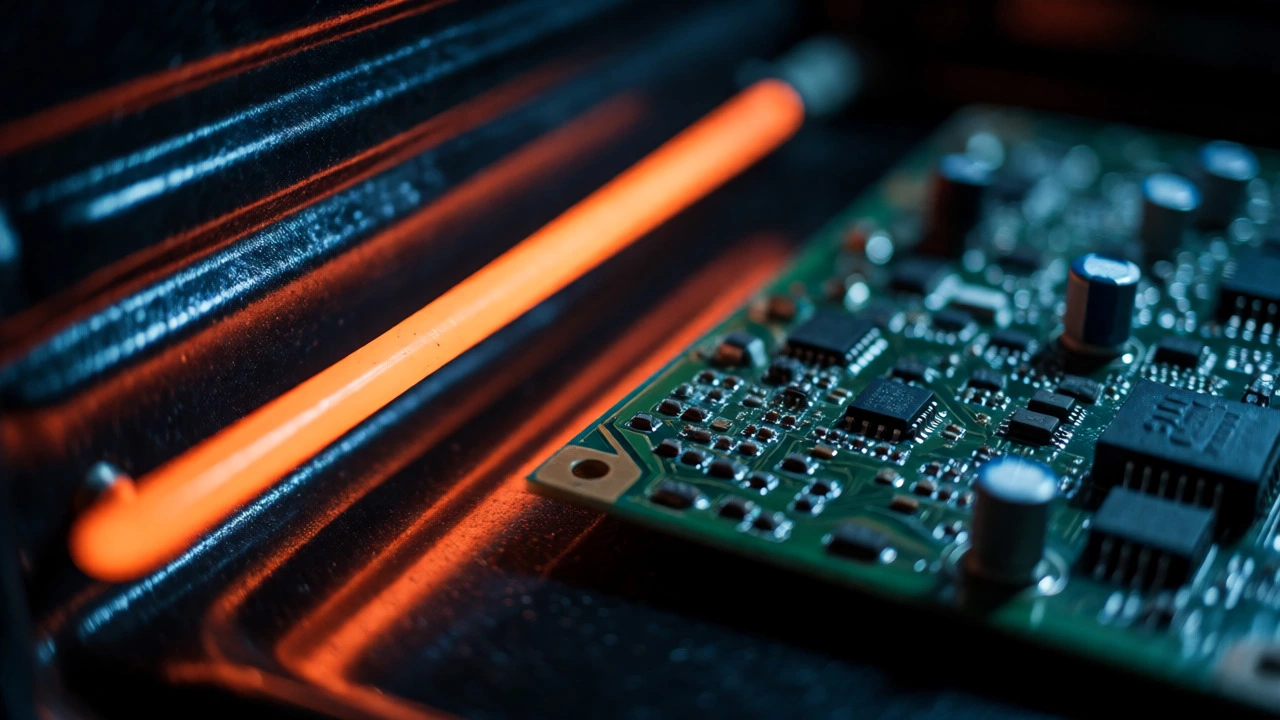
| Control Board | $300 - $600+ | No | High part cost + complex labor. Often exceeds 50% rule. |
| Fan Motor | $200 - $400 | Maybe | Check if fan blade is free first. Sometimes it's just stuck. |
Notice the pattern? Simple mechanical parts like seals and elements are usually worth fixing because the parts are mass-produced and cheap. Electronic brains, like the control board, are expensive proprietary components that drive up the bill quickly.
Age Matters More Than You Think
An electric oven typically lasts between 10 to 15 years. If yours is under five years old, it’s still in its prime. Fix it. You paid for the reliability, so protect the investment.
If your oven is over ten years old, you are in the danger zone. At this stage, other components-wiring harnesses, internal insulation, hinges-are likely wearing out too. Replacing one part today might trigger another failure next quarter. Unless you love your oven specifically (maybe it fits perfectly into a custom cabinet cutout), consider replacing it. New models from 2026 are significantly more energy-efficient, which saves you money on electricity bills every month.
Built-In vs. Freestanding: The Installation Trap
This is where things get tricky. Do you have a freestanding range (oven and stove combined) or a built-in wall oven?
- Freestanding Ranges: These are easier to replace. You unplug it, slide it out, plug in the new one. Labor costs for installation are low ($100-$200). Therefore, the "repair vs. replace" threshold is lower. If the repair is expensive, just buy a new range.
- Built-In Wall Ovens: These are harder to remove. They require specialized tools and often need electrical modifications if the new model doesn't match the old wiring configuration. Installation can cost $300-$800. Because replacement is expensive here, you are more justified in repairing a built-in oven, even if the repair cost is higher.
If you own a high-end brand like Wolf, Sub-Zero, or Miele, the calculus changes entirely. These units hold their value better. A $500 repair on a $3,000 oven is negligible compared to buying a new $3,500 unit. Always repair luxury brands unless the damage is catastrophic (like a cracked glass front).
DIY Risks: When to Call a Pro
Can you fix it yourself? For some issues, absolutely. Changing a heating element or a light bulb is straightforward. You turn off the breaker, unscrew two screws, and swap the part. Tools required: screwdriver and multimeter.
But electronics are dangerous. Capacitors in control boards can hold a charge even when unplugged. Wiring mistakes can cause fires. If you aren’t comfortable working with 240-volt circuits, hire a professional. Labor rates vary by region, but expect to pay $75-$150 per hour. Factor this into your 50% rule calculation. A $100 part becomes a $300 job once labor is added.
Signs You Should Definitely Replace
Sometimes, no amount of repair will save the day. Here are red flags that mean it’s time to shop:
- Rust Inside: If the interior enamel is bubbling or rusting through, heat escapes unevenly. You’ll burn food on top while the bottom stays raw. No repair fixes structural decay.
- Broken Door Glass: If the inner glass panel shatters, it’s rarely worth replacing just the glass on older models. The frame may be warped.
- Obsolete Parts: Is your oven more than 15 years old? Manufacturers stop making parts after 10-12 years. You might find a used part, but shipping and testing add risk.
- Frequent Breakdowns: If you’ve fixed the same oven three times in two years, stop. You’re paying for a lemon.
Making the Final Decision
Grab a piece of paper. Write down: 1. Price of new equivalent oven. 2. Estimated repair cost (ask a local tech for a quote; many offer free phone estimates). 3. Age of your current oven. If Repair Cost > 50% of New Price AND Age > 8 Years, buy new. Otherwise, repair it. Keep your receipts. If you sell your house later, a functioning oven adds value. A broken one scares buyers.
Remember, an oven is a workhorse. Treat it well, clean the spills promptly, and check the door seal yearly. Maintenance prevents the big-ticket repairs that force this difficult choice in the first place.
How much does it cost to fix an electric oven heating element?
The part itself typically costs between $20 and $80 depending on the brand. Professional installation brings the total to roughly $150-$300. DIY replacement takes about 30 minutes and requires only a screwdriver and multimeter.
Is it cheaper to repair or replace a wall oven?
Repairing is often more economical for wall ovens due to high installation costs for replacements. Removing a built-in unit requires precise cabinetry work and electrical adjustments, costing $300-$800 extra. If the repair is under $400, fixing is usually the smarter financial move.
What is the average lifespan of an electric oven?
Most electric ovens last between 10 and 15 years. High-end brands like Bosch or Viking may last longer with proper maintenance. Budget models often fail around the 7-9 year mark due to lower-quality control boards and thinner insulation.
Can I replace my oven control board myself?
Yes, if you are handy. You must disconnect power completely, document wire positions with photos, and transfer connectors carefully. However, if the error persists after replacement, the issue might be deeper in the wiring harness, requiring a pro.
Do new ovens use less electricity than old ones?
Yes. Modern ovens from 2020-2026 feature better insulation and convection fans that cook faster, reducing energy usage by 10-15% compared to models from 2010. Over five years, these savings can offset a portion of the purchase price.