Extractor Fan Repair vs. Replacement Calculator
Unit Details
Analysis Result
Waiting for input...Enter your unit details to see if you should repair or replace.
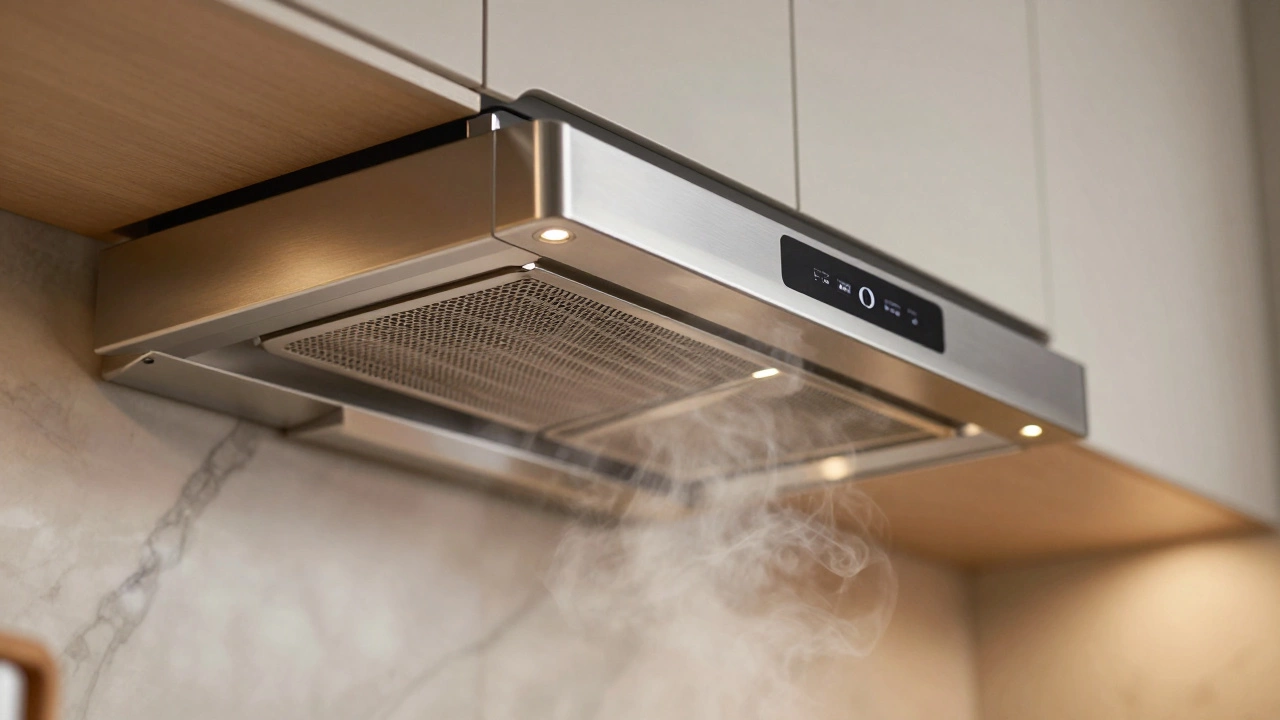
That high-pitched whine from your kitchen ceiling? It’s not just annoying; it’s a warning. Most homeowners ignore their extractor fan, also known as a range hood or exhaust fan, until it stops working entirely. But here is the hard truth: if you haven’t cleaned or serviced yours in the last three years, you might be breathing in grease-laden air and risking a fire. So, how long do these things actually last?
The short answer is that a standard domestic kitchen ventilation system designed to remove smoke, steam, and cooking odors typically lasts between 10 and 20 years. However, this number fluctuates wildly based on usage, installation quality, and-most importantly-maintenance. A cheap plastic model running at full blast during every dinner party will die young. A heavy-duty stainless steel unit with regular filter changes can outlast the appliances in your kitchen.
Factors That Determine Extractor Fan Lifespan
You cannot predict exactly when your fan will fail without looking at how it lives its life. Several critical factors dictate whether your unit hits year 15 or gives up by year 7.
Type of Ventilation System
Ducted systems generally last longer than recirculating (ductless) units. Why? Because ducted fans push air outside, carrying heat and moisture away from the motor. Recirculating models pull air through charcoal filters and blow it back into the room. This process traps more heat near the internal components, accelerating wear on the motor bearings and electrical connections. If you have a ductless system under a stove in Auckland’s humid climate, expect a shorter lifespan unless you change those carbon filters religiously.
Usage Intensity
Cooking style matters more than you think. If you are searing steaks, deep-frying fish, or using a wok daily, your fan works overtime. High-heat cooking generates massive amounts of grease particles that coat the fan blades and motor housing. Grease acts like sandpaper inside the mechanism, causing friction and overheating. Light cooks who mostly boil pasta or use microwaves will see their fans last significantly longer because the load on the motor is minimal.
Build Quality and Materials
Not all fans are created equal. Budget models often use plastic housings and aluminum motors that degrade faster under heat stress. Premium brands use stainless steel bodies and copper-wound motors. Copper conducts electricity better and handles heat spikes without degrading as quickly as aluminum. Check your model number online-if the motor is listed as "universal" or "aluminum," plan for a replacement sooner rather than later.
Installation Environment
In New Zealand, coastal homes face unique challenges. Salt air corrodes metal parts rapidly. If your kitchen faces the ocean, salt crystals accumulate on circuit boards and fan blades, leading to premature failure. Additionally, poor ductwork design creates backpressure. If your duct runs too far or has too many bends, the motor strains to push air out, burning out prematurely.
Signs Your Extractor Fan Is Dying
You don’t need to be an engineer to spot trouble. Your fan will tell you it’s failing before it quits completely. Watch for these specific symptoms:
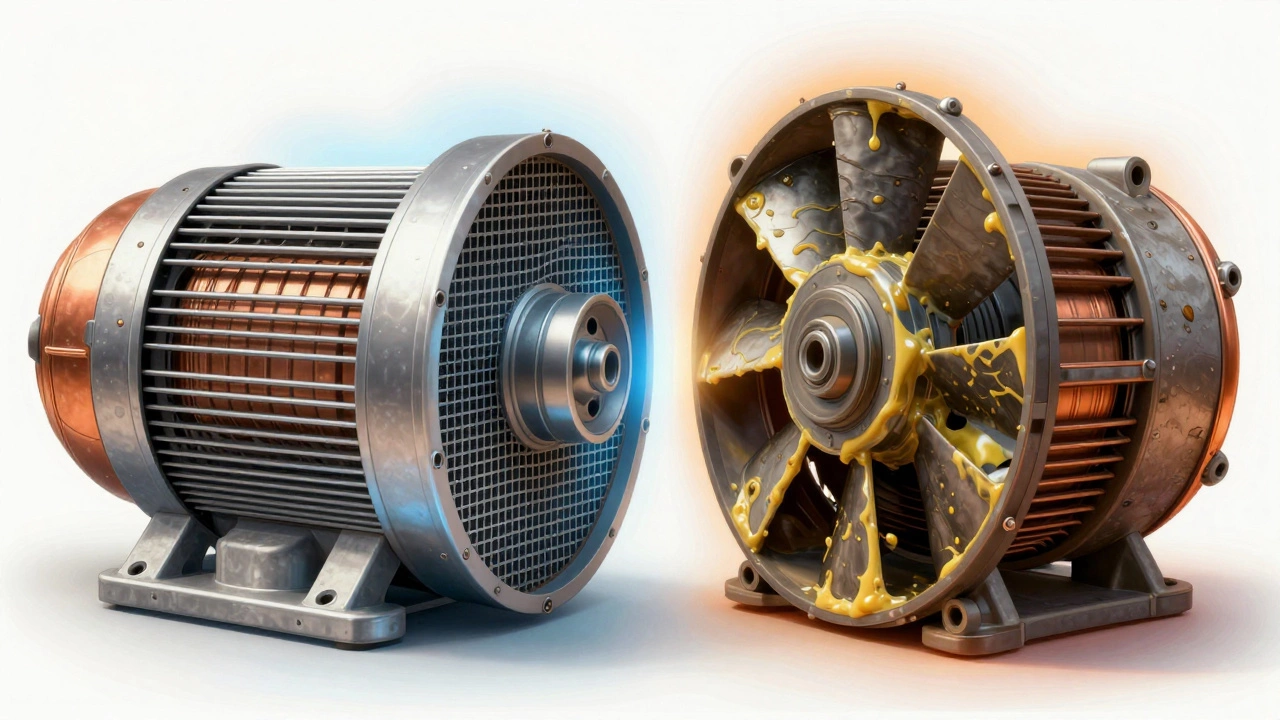
- Noise Changes: A sudden increase in noise, especially grinding, rattling, or screeching, indicates bearing failure. The motor shaft spins inside bearings; when lubricant dries up or grease builds up, metal rubs against metal. This is irreversible damage.
- Reduced Airflow: Hold a piece of tissue paper under the vent while the fan is on high. If the tissue doesn’t stick firmly, airflow is compromised. This usually means clogged filters, a blocked duct, or a failing motor that can’t maintain RPM (revolutions per minute).
- Grease Buildup: Visible grease dripping from the unit or accumulating on cabinet surfaces below suggests the internal filters are saturated. Grease inside the motor housing insulates wires, causing overheating and eventual burnout.
- Intermittent Operation: If the fan turns on but shuts off after a few seconds, or requires multiple clicks to start, the capacitor or switch assembly is likely failing. Capacitors help the motor start spinning; when they weaken, the motor struggles to overcome inertia.
- Burning Smell: A distinct odor of burning plastic or insulation signals an electrical fault. Turn off the power immediately. This is a fire hazard and requires professional inspection.
Maintenance Tips to Extend Life Expectancy
Most extractor fans die prematurely due to neglect, not mechanical failure. Simple, regular maintenance can add five to ten years to your unit’s life. Here is what you need to do:
Clean Filters Monthly
Metal mesh filters trap large grease particles. Wash them in hot soapy water or place them in the dishwasher (top rack only). Let them dry completely before reinstalling. Dirty filters restrict airflow, forcing the motor to work harder and overheat. Charcoal filters in ductless models should be replaced every three to six months, depending on cooking frequency.
Wipe Down Exterior and Interior Surfaces
Use a degreaser spray on the stainless steel or glass exterior. Don’t forget the interior baffle plates if accessible. Grease accumulation here blocks light and reduces suction efficiency. For recessed ceiling fans, check the access panel for dust buildup on the motor casing.
Inspect Ductwork Annually
If you have a ducted system, ensure the external vent flap opens freely. Birds’ nests, leaves, or ice (in colder regions) can block the exit. Inside, flexible ducting can sag or collapse over time, creating restrictions. Rigid metal ducting is preferred for longevity and airflow efficiency.
Lubricate Bearings (If Applicable)
Some older models have accessible bearing points. Apply a few drops of lightweight machine oil if the manufacturer recommends it. Modern sealed bearings do not require lubrication and attempting to force oil in can cause damage. Check your manual first.
Repair vs. Replacement: Making the Right Choice
When your fan starts acting up, should you fix it or buy a new one? This decision depends on age, cost, and performance needs.
| Factor | Repair Recommended | Replacement Recommended |
|---|---|---|
| Age of Unit | Less than 10 years | More than 15 years |
| Cost of Repair | Under $150 NZD | Over $300 NZD |
| Component Failure | Switch, capacitor, or filter | Motor burnout or housing corrosion |
| Performance Needs | Current airflow sufficient | Need higher CFM (cubic feet per minute) for new cooktop |
| Energy Efficiency | Standard motor acceptable | Want DC motor for lower electricity bills |
If your motor burns out on a 12-year-old unit, replacing the entire fan is usually smarter. Labor costs for disassembly and reinstallation often exceed the price of a mid-range new model. Plus, newer fans offer better energy efficiency and quieter operation. However, if a simple switch fails on a high-end stainless steel unit, repairing it saves hundreds of dollars.
Consider upgrading to a DC motor model if you replace. AC motors are common but less efficient. DC motors adjust speed smoothly, consume less power, and run cooler, extending overall lifespan. In Auckland, where electricity prices fluctuate, this small upgrade pays for itself over time.

Common Mistakes That Shorten Fan Life
Avoid these pitfalls to keep your ventilation system running smoothly:
- Running Fan Without Cooking: Leaving the fan on low all day wastes energy and wears the motor unnecessarily. Use timers or motion sensors if available.
- Ignoring Manufacturer Guidelines: Every fan has a maximum wattage limit for lighting and recommended cleaning intervals. Ignoring these voids warranties and accelerates wear.
- Using Harsh Chemicals: Abrasive cleaners scratch stainless steel, making it harder to clean next time. Stick to mild detergents or specialized appliance cleaners.
- Blocking Vents: Never install cabinets or shelves directly above or below the intake/exhaust points. Airflow restriction causes immediate strain.
FAQ: Extractor Fan Lifespan Questions
How often should I replace my extractor fan filters?
Metal mesh filters should be cleaned monthly and replaced every 2-3 years if damaged. Charcoal filters in ductless systems need replacement every 3-6 months, depending on cooking frequency. Saturated charcoal filters lose effectiveness and reduce airflow, straining the motor.
Can I repair a burnt-out extractor fan motor?
Technically yes, but rarely worth it. Motor replacements cost $100-$250 NZD plus labor. Unless you have a premium custom unit, buying a new fan is more economical and ensures updated safety standards and energy efficiency.
Why does my extractor fan smell like burning?
A burning smell indicates overheating components, usually due to excessive grease buildup on the motor or wiring insulation melting. Turn off the power immediately. Clean all accessible parts thoroughly. If the smell persists, call a professional electrician to inspect for short circuits.
Do ducted extractor fans last longer than ductless ones?
Yes, typically by 3-5 years. Ducted systems expel heat and moisture outside, keeping internal components cooler. Ductless models recirculate warm, moist air through charcoal filters, which traps heat near the motor and accelerates wear on electrical parts.
What is the average cost of installing a new extractor fan in New Zealand?
Installation costs vary widely. Basic DIY replacement might cost $50-$150 for parts. Professional installation ranges from $300-$800 NZD depending on complexity, ductwork modifications, and electrical upgrades required. Always hire licensed electricians for hardwired units to comply with NZ electrical safety regulations.